
REVIEW · DIASPORA ROOTS & NAMING CEREMONIES
Traditional Naming Ceremony For African Americans In Kumasi
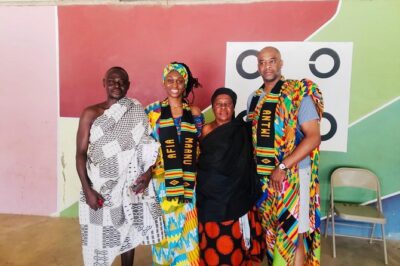
A naming ceremony can be simple on paper, and unforgettable in real life. This traditional Asante-style experience in Kumasi gives you a new name based on your birth day, plus a cloth-themed presentation and certificate. I like that it’s run as a private tour for your group, and that lunch plus an air-conditioned ride with fuel are handled for you. The one drawback to plan around is that admission tickets for the village stops aren’t included, so your final spend may creep up a bit.
You’ll also get a strong sense of place, because the ceremony is paired with hands-on culture stops in nearby craft communities. One guide named Maclean comes up repeatedly in guest notes as patient and easy to work with, which matters if you want to ask questions and move at a comfortable pace. If you’re hoping for a purely sightseeing day with zero ceremony, this is more meaningful than casual.
In This Review
- Key Highlights You Should Care About
- Akan Naming in Kumasi: Why This Ceremony Can Feel Personal
- What You Receive: Your Name, Kente Script, and Certificate
- Entering the Craft Stops: Ntonso Adinkra Stamping and How It Connects
- Adanwomase Kente Weaving Village and Cocoa Farm Tour: More Than Shopping
- The 9:00 AM Private Format, Pickup, and Timing That Actually Works
- Price and Value: What $180 Covers, and What Might Cost Extra
- Who Should Book This Naming Ceremony (and Who Should Think Twice)
- Should You Book Root Tour Ghana for the Naming Ceremony?
- FAQ
- Where does the traditional naming ceremony take place?
- How long is the tour?
- What time does the tour start?
- Is pickup included?
- What’s included in the price?
- What is not included?
- Is this tour private?
- Will I receive a new name?
- What happens if the weather is bad?
Key Highlights You Should Care About
- A new name chosen by your birth day, rooted in Asante tradition
- A cloth presentation and a certificate to take home something tangible
- Private, group-only format so you’re not herded with strangers
- Kente weaving village stop plus a cocoa farm tour
- Adinkra stamping village visit connected to the ceremony day
- Lunch included so you’re not scrambling mid-tour
Other roots visits and naming ceremonies arranged for visiting families
- Traditional naming ceremony For African Diasporas in Kumasi★ 5.0 · 10 reviews
- Traditional Naming Ceremony For African Americans In Kumasi★ 5.0 · 5 reviews
- Full Day Tour with Traditional Naming Ceremony in Kumasi★ 5.0 · 4 reviews
Akan Naming in Kumasi: Why This Ceremony Can Feel Personal
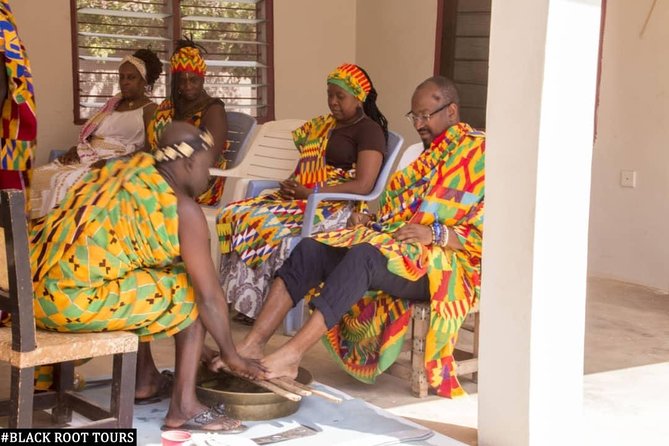
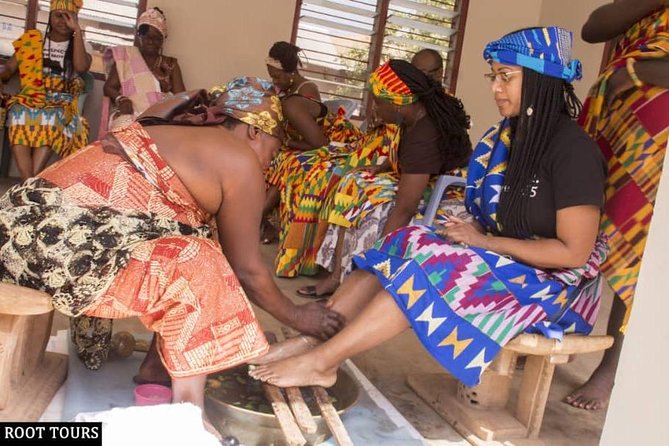
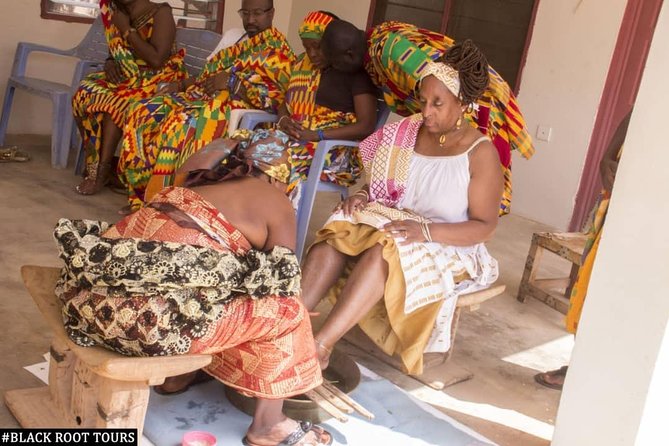
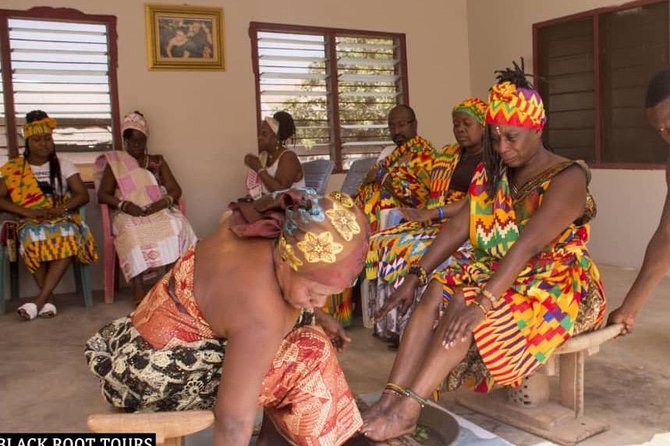
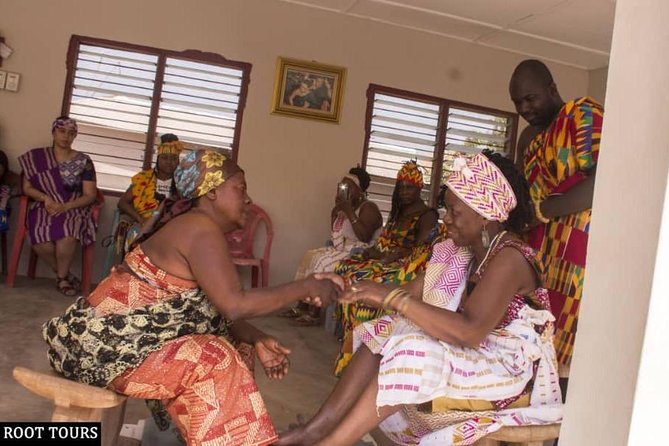
In Kumasi, this experience is built around one of the most direct ways people connect identity to community: a traditional naming rite. You’re not just watching a cultural show. The goal is that you leave with a name that fits you, selected around the day you were born. That detail is important, because it turns the day from a “tour” into something closer to a rite of passage.
What I’d want you to know up front is that naming ceremonies can run emotional. In one guest story, the chief named them after his wife who had transitioned, Abena Agyemang. That kind of family meaning is the reason people call it life changing, not because it’s a perfect photo moment.
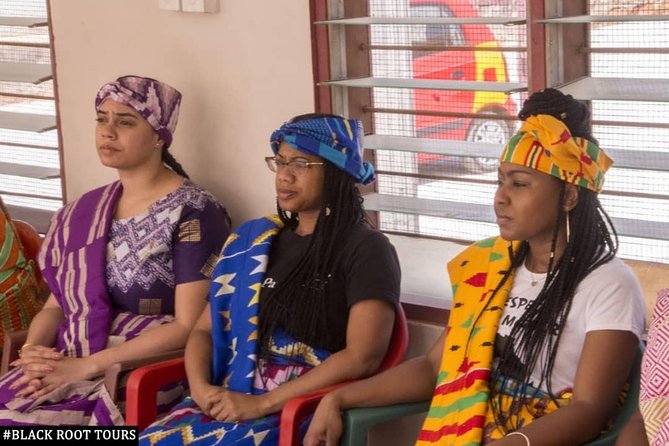
Also, this tour is structured as a private experience. That matters more than you might think, especially if you’re hoping to participate comfortably, ask questions, or just absorb the moment at your own speed. A private format lets the ceremony feel less like a performance and more like an occasion you’re part of.
What You Receive: Your Name, Kente Script, and Certificate
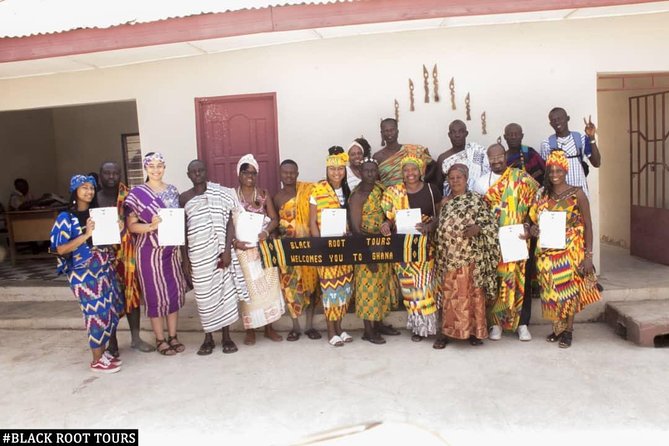
The heart of the tour is the naming ceremony itself. You’ll be given a new name selected personally for you based on the day you were born, tied to Asante culture. Along with that, you’ll receive a weaved Kente script and a certificate with your name.
Even if you don’t speak the local language, these items do real work. A certificate helps you document it. The Kente script is a textile detail that signals you’re not leaving with a generic souvenir. You’re leaving with an identity marker, and that is a very different takeaway than buying a postcard or a magnet.
One practical thing: since the new name and presentation are the main event, you’ll want to show up with the right mindset. Be ready to listen, follow guidance during the ceremony, and keep your phone away when you’re asked to focus on the rite. You’ll get a lot more out of it when you treat it like you’re attending, not consuming.
Entering the Craft Stops: Ntonso Adinkra Stamping and How It Connects
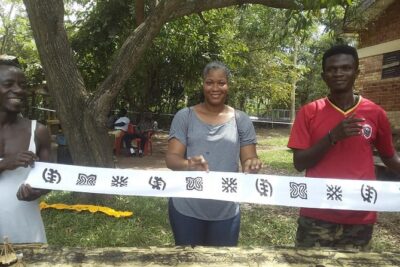
Your day starts with a stop at Ntonso Adinkra Craftsmen, tied to the Traditional Naming Ceremony experience and paired with a visit to the Ntonso Adinkra Cloth Stamping Village. Admission tickets for these village stops are not included, so plan to pay that on the day.
Why this stop matters: Adinkra cloth is not random decoration. It’s part of a visual language and a cloth tradition, and the stamping method is the key technique you’ll encounter. Even if you only get a basic overview, seeing how patterns are applied makes the later Kente stop feel more connected. This isn’t just “look at fabric.” It’s you seeing how West African textiles can communicate meaning and identity.
A realistic expectation: you’ll likely move through at a comfortable pace, with time to view the process and ask questions if your guide allows it. If you’re the type who likes taking notes, bring a small notebook. The stamping world is detail heavy, and it’s easy to forget what someone explained once you move on.
The one drawback at this stop is also a budgeting one: tickets are separate. If you’re trying to keep the day tightly within the base price, this is where you’ll feel the added costs first.
Adanwomase Kente Weaving Village and Cocoa Farm Tour: More Than Shopping
The second main stop is Adanwomase Kente Cloth and Tourism, featuring the Adanwomase Kente Weaving Village and a cocoa farm tour. Again, admission tickets aren’t included, so expect to pay at least for entry to whichever portion requires it.
Kente weaving is one of those crafts you can understand fast because your eyes do the learning. You’ll see the weaving happening, and you’ll grasp how time, skill, and material come together. Even if you’re not buying anything, watching the workflow gives you a better appreciation for what goes into every strip and pattern.
Then you pair it with a cocoa farm tour, which is a smart addition because it broadens the picture. You get a reminder that cloth culture is linked to agriculture and local economies. It also gives you a mental reset between craft viewing and ceremony meaning.
Practical advice: if you’re at all interested in textiles, don’t let your energy get spent before you reach Adanwomase. In other words, pace yourself at Ntonso so you can actually watch and absorb at the weaving village. And if you plan to buy anything, set a budget early, because the day is set up for textiles and crafts, not for avoiding purchases.
The 9:00 AM Private Format, Pickup, and Timing That Actually Works
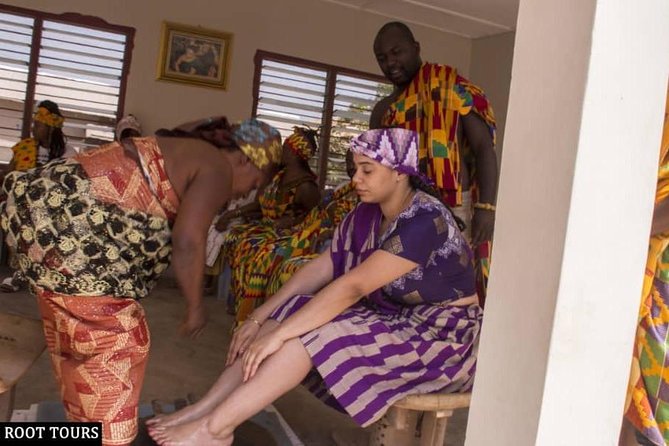
This tour begins at 9:00 am and runs about 4 hours. It ends back at the meeting point, so you’re not stuck figuring out transit afterward. Pickup is offered, which I consider a big convenience when you’re moving between Kumasi craft areas.
The air-conditioned vehicle with fuel is included, and that’s more valuable than it sounds. In Ghana’s heat, a comfortable ride reduces fatigue, and less fatigue means you can enjoy the ceremony instead of counting minutes.
A real timing tip: plan your expectations around a structured flow. Morning tours often feel “fast” because the day is packed. If you want time to ask questions and still feel relaxed, arrive ready to start on time. The private nature of the tour helps, but you still need to keep to the schedule.
Also, the tour requires good weather. If conditions are poor, you may be offered a different date or a full refund. That matters if you’re planning around a tight itinerary. If your Ghana days are already booked back to back, build some flexibility when you can.
More of Kumasi and the Ashanti towns around it

Price and Value: What $180 Covers, and What Might Cost Extra
The price is $180 per person for this traditional naming ceremony experience in Kumasi. For that, you get lunch, an air-conditioned vehicle, and fuel surcharge. That means you’re not doing the classic travel math of piecing together food, transport, and random fees.
The other value piece is the private group setup. Private doesn’t automatically mean better, but for a ceremony-based day it usually helps. You can participate without feeling like you’re waiting in line behind strangers, and your guide can focus on your questions.
Now for the honest part: admission tickets are not included for at least the Adinkra and Kente craft stops. Personal shopping is also not included. So your total day might go above the base price once you add those entry fees and decide whether you want to buy textiles.
My rule for judging value here: if you want the naming rite plus two linked craft experiences, the bundled transport and lunch do a lot of heavy lifting. If your goal is only one thing, like you want purely a ceremony and you’d rather skip craft stops, then you might compare with other options. But if the ceremony is your main event and you’re open to the craft culture around it, $180 can be a fair deal for a half-day private experience.
Who Should Book This Naming Ceremony (and Who Should Think Twice)
This tour is a strong fit if you:
- Want a meaningful cultural experience tied to identity, not just sightseeing
- Are interested in Asante-related traditions and textile culture
- Prefer a private day where you can move at a comfortable pace
- Appreciate guides who can handle questions patiently (Maclean’s name comes up often in guest notes)
It might be less ideal if you:
- Want a strictly casual, low-emotion experience
- Don’t want to pay additional admission tickets at the stops
- Are traveling without enough flexibility for weather, since good weather is required
If you’re an African American traveling to Ghana to reconnect with heritage, this is the kind of experience that tends to stick. The ceremony is centered on you, and the craft stops make the day feel grounded in lived culture. That connection is why so many people call it the highlight of their trip.
Should You Book Root Tour Ghana for the Naming Ceremony?
I’d book it if you want a ceremony that feels personal and you’re okay with a half-day plan that mixes rite and craft culture. The combination is the point: naming plus Kente plus Adinkra. Add lunch and a comfortable ride, and it’s not just meaningful, it’s also practical.
If you want to make the booking smarter, do two things before you go. First, confirm what admission tickets you’ll likely pay for the craft stops, so you can budget calmly. Second, ask questions about pacing. A private tour is only useful if it’s allowed to fit your comfort level.
If you can request or look for guidance from Maclean specifically, it’s worth doing. Multiple guest notes describe him as kind, patient, and easy to work with, and that kind of guiding style matters most when the experience is emotional.
FAQ
Where does the traditional naming ceremony take place?
The tour takes place in Kumasi, Ghana.
How long is the tour?
The duration is about 4 hours.
What time does the tour start?
The tour starts at 9:00 am.
Is pickup included?
Yes, pickup is offered, and the tour includes travel in an air-conditioned vehicle.
What’s included in the price?
Lunch is included, along with an air-conditioned vehicle and a fuel surcharge.
What is not included?
Personal shopping is not included, and admission tickets for the village stops are not included.
Is this tour private?
Yes, it’s a private tour restricted to your own group.
Will I receive a new name?
Yes. You’ll be given a new name selected personally based on the day you were born from the Asante culture.
What happens if the weather is bad?
The experience requires good weather. If it’s canceled due to poor weather, you’ll be offered a different date or a full refund.
More Ghana Tours Out of the Review Pile
- Bonwire Namimg Ceremony and Kente Tourist Center
★ 5.0 · 40 reviews - Tour Kumasi City Like a Local
★ 4.5 · 34 reviews - Traditional naming ceremony For African Diasporas in Kumasi
★ 5.0 · 10 reviews - Kumasi City Tour
★ 5.0 · 8 reviews - Kumasi City Tour
★ 4.5 · 7 reviews
Deeper into Ashanti
- Bonwire Namimg Ceremony and Kente Tourist Center
★ 5.0 · 40 reviews - Tour Kumasi City Like a Local
★ 4.5 · 34 reviews - Traditional naming ceremony For African Diasporas in Kumasi
★ 5.0 · 10 reviews - Kumasi City Tour
★ 5.0 · 8 reviews - Kumasi City Tour
★ 4.5 · 7 reviews
Roots Visits and Naming Ceremonies
- Bonwire Namimg Ceremony and Kente Tourist Center
★ 5.0 · 40 reviews - Traditional naming ceremony For African Diasporas in Kumasi
★ 5.0 · 10 reviews - Full Day Tour with Traditional Naming Ceremony in Kumasi
★ 5.0 · 4 reviews
Latest Kumasi reviews added here




Diaspora Roots & Naming Ceremonies, compared.
 ★ 5.0Bonwire Namimg Ceremony and Kente Tourist CenterFrom $18040 reviews
 ★ 5.0Ghana Heritage Tours – Beyond The ReturnFrom $3,59536 reviews
 ★ 5.0The Ancestral Naming Ceremony and Home Coming ExperienceFrom $26530 reviews
 ★ 5.0The Homecoming Experience To Cape-coast And Elmina.From $18028 reviews
 ★ 4.5Naming Ceremony and Heritage Homecoming Experience for DiasporasFrom $26515 reviews
 ★ 5.0Traditional Naming Ceremony and Boat Cruise ExperienceFrom $22015 reviews
 ★ 5.0Kumasi Heritage Tours And Naming Ceremony In A DayFrom $25611 reviews
 ★ 5.0Traditional naming ceremony For African Diasporas in KumasiFrom $17510 reviews
Browse the lists this tour appears in