
REVIEW · ASHANTI KINGDOM & KUMASI TOURS
Kumasi Culture and Heritage Tours
Stamping symbols in Kumasi feels personal. This 6-hour Ntonso Adinkra experience turns symbols into something you can actually see, understand, and try, with a guide who connects meanings to daily life. I also like that lunch and bottled water are included, so the day stays relaxed and not just a rush between stops. One thing to plan around, it depends on good weather, and that can affect the timing.
You’ll start at Lancaster Kumasi City (Rain Tree St, Lesley Opoku-Ware Drive) at 9:30 am, then roll out in an air-conditioned vehicle with pickup offered. This is a private tour, so it’s just your group, and you get a mobile ticket for easy entry as you visit museums and markets and learn how kente weaving and Adinkra traditions shape Kumasi life.
In This Review
- Key things I’d circle before you book
- Kumasi culture in 6 hours, what this tour is really for
- Getting there smoothly: Lancaster Kumasi to the craft sites
- Ntonso Adinkra stamping village: where the experience turns hands-on
- Adinkra symbols and the farewell message: why the designs carry emotion
- Kente weaving in Kumasi: what to watch for and what questions to ask
- Museums and markets: turning facts into something you can point at
- Lunch, drinks, and time to reset your brain
- Price and value: is $140 for Kumasi heritage a smart deal?
- Who this tour fits best, and who should choose something else
- Should you book Kumasi Culture and Heritage Tours?
- FAQ
- How long is the Kumasi Culture and Heritage Tour?
- What is the meeting point and start time?
- Is pickup included?
- Is the tour private?
- What does the price include?
- What is not included?
- Do I get a ticket on my phone?
- What if I need to cancel or the weather is poor?
- Is it suitable for most travelers?
Key things I’d circle before you book
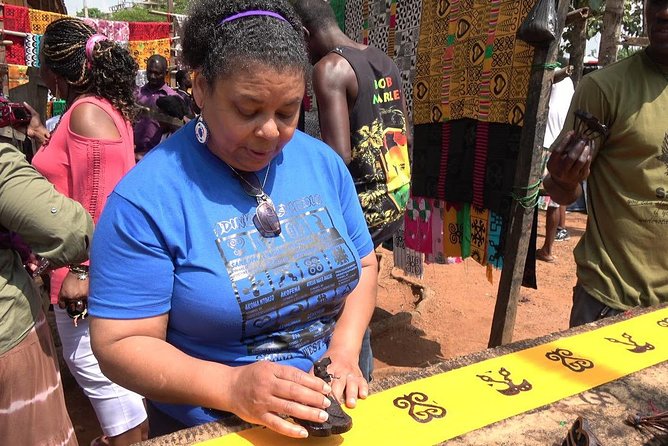
- Hands-on Adinkra stamping at Ntonso with guidance on how the designs and meanings work
- Buddy tree dye process explained as part of how the local materials come together
- Kente weaving roots in Kumasi plus time to see the fabric culture up close
- Farewell meanings in Adinkra symbols, including how symbols can relate to death and saying goodbye
- Included lunch, bottled water, and drinks, so you can focus on the craft, not food logistics
More of Kumasi and the Ashanti towns around it
- Bonwire Namimg Ceremony and Kente Tourist Center★ 5.0 · 40 reviews
- Traditional naming ceremony For African Diasporas in Kumasi★ 5.0 · 10 reviews
- Kumasi City Tour★ 5.0 · 8 reviews
- Kumasi City Tour★ 4.5 · 7 reviews
Kumasi culture in 6 hours, what this tour is really for
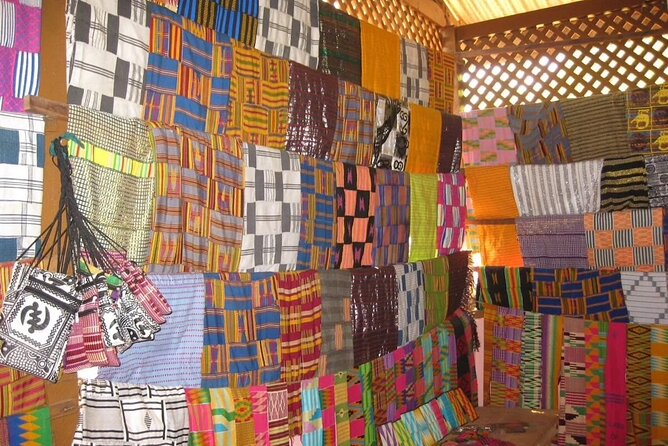
This is the kind of day trip that makes Kumasi feel personal fast. Instead of just watching from the sidelines, the heart of the tour is about Adinkra stamping and the way symbols carry messages. You’re not only hearing facts, you’re getting close to the process, including how the dye and stamping work with local materials.
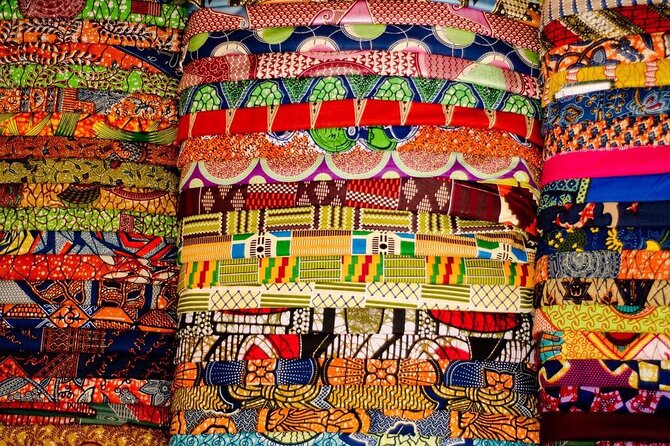
The other big draw is kente culture. You’ll go to the place where kente weaving began in Kumasi and spend time around museums and markets that highlight kente weaving and other traditional pastimes. If you like learning craft traditions through context, this tour is built for that.
Keep in mind, this is a craft-and-culture day. If you’re after a scenic photo tour with lots of wide viewpoints, you might find the day more focused on workshops, symbols, and textiles than landmarks.
Getting there smoothly: Lancaster Kumasi to the craft sites
The day starts at 9:30 am at Lancaster Kumasi City on Rain Tree St, Lesley Opoku-Ware Drive. Pickup is offered, and the tour includes an air-conditioned vehicle, which matters in Ghana’s warmer stretches when you are trying to keep energy for hands-on activities.
Because it’s a private tour, you’re not crammed into a large group. That usually helps with timing, especially when your guide is explaining details or when you want a moment to ask questions about symbols, fabric, and how the stamping is done.
You’ll also have a clear endpoint: the tour ends back at the meeting point. That’s a small detail, but it makes planning dinner and the rest of your day easier.
Ntonso Adinkra stamping village: where the experience turns hands-on
The main event is the Experience the Ntonso Adinkra stamping village portion. This is where the tour shifts from a general overview of Adinkra symbols to practical creation and meaning.
Here’s what to expect in plain terms:
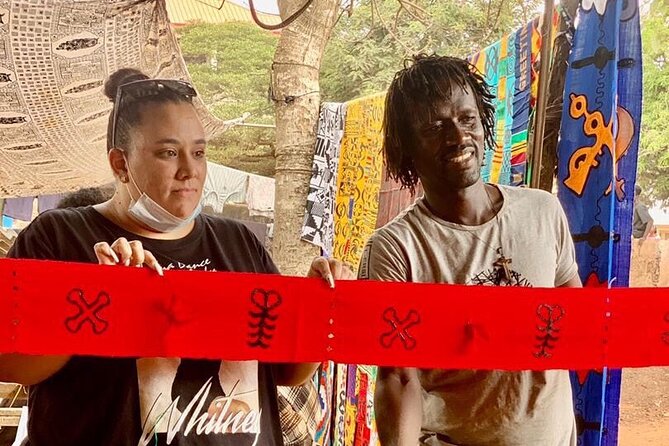
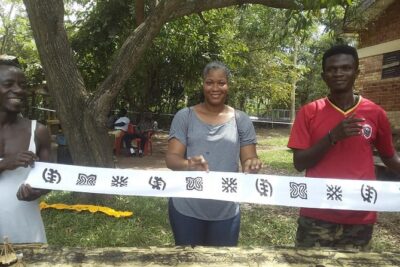
- You’ll learn about the history and meanings behind Adinkra symbols and how they function as messages.
- You’ll see how symbols are made locally from scratch, not as a shortcut or an imported product.
- You’ll get a chance to do the stamping process yourself, so you can understand what changes when you choose different colors and materials.
- You’ll follow the key steps, including the use of pounding the buddy tree into dyer and then using that dye as part of the work.
This hands-on piece is exactly why people call it a highlight. When you press a stamp, you immediately understand why the design and spacing matter. It’s a lot easier to remember what the symbols mean when you have to use your hands to recreate them.
Adinkra symbols and the farewell message: why the designs carry emotion
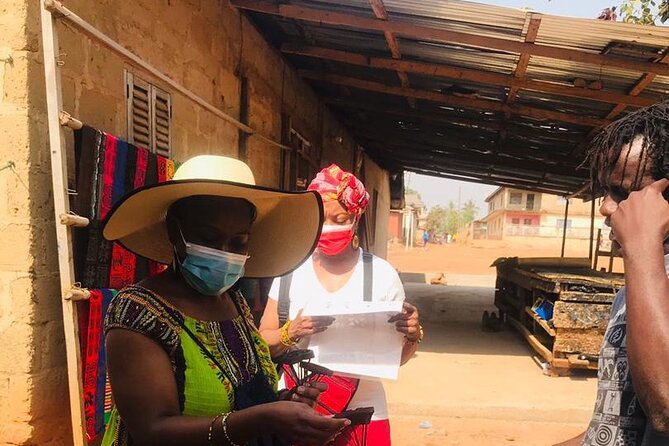
Adinkra symbols aren’t just decorative. This tour emphasizes what the symbols communicated in real life. One of the most specific meanings highlighted is how some symbols signified sorrow and acted as a way to bid fare well or good bye to the deceased.
That matters because you start looking at patterns differently. Instead of seeing a print and moving on, you learn the idea that symbols can stand in for messages, customs, and even the emotional tone of a moment.
You’ll also learn that the stamping and painting practices are connected to the kinds of messages people wanted to send. The tour framing includes that Adinkra designs appear on furniture, buildings, and pottery, with the same symbol language used to carry wisdom and meaning.
When you understand that angle, you’re more likely to choose purchases thoughtfully, whether you’re picking textiles, stamps, or a piece of artwork for someone back home.
Kente weaving in Kumasi: what to watch for and what questions to ask

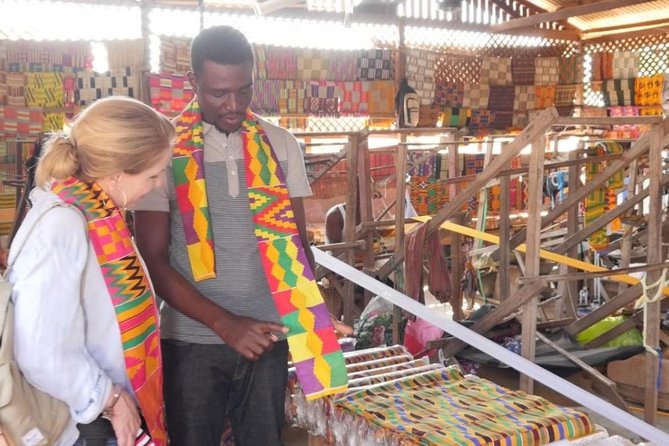
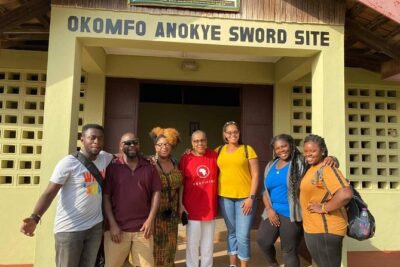
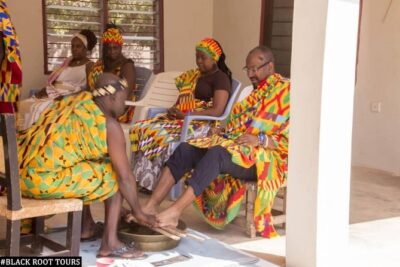
Kente is the other pillar of this day. The tour takes you to the place where kente weaving began in Kumasi, and you also see museums and markets that highlight kente weaving and traditional pastimes.
Even without a specific workshop name on the schedule details, you can prepare your own mini game while you’re there. Ask your guide questions like:
- What makes this weaving style recognizable here?
- How do the patterns you see in markets connect to what you learned earlier about symbolic meaning?
- Which motifs are most commonly used for everyday wear versus special occasions?
One of the reviews also points to the kind of detail that makes these textiles feel alive, including mention of design motifs such as the spider web pattern. It’s the kind of small detail a good guide can explain in a way that makes you notice the weave, not just the final fabric.
If you want kente as a souvenir, this is where you’ll get the context to shop smarter. You’ll know what you’re looking at, and you’ll be able to compare items with more confidence, since you understand the tradition behind them.

Museums and markets: turning facts into something you can point at
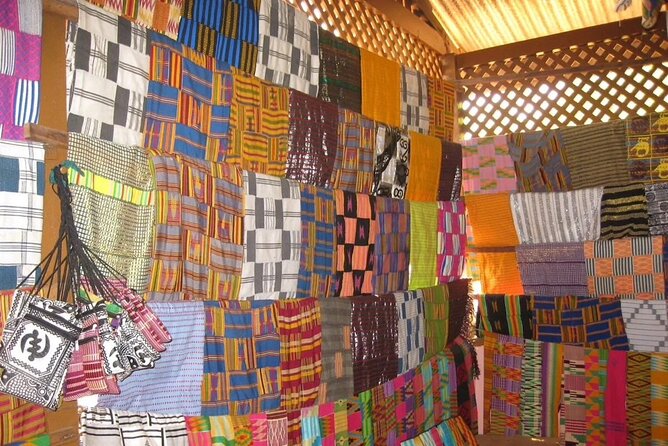
Between the stamping village and the kente-focused stop, you’ll wander Kumasi with a guide who shares historical and cultural facts. The tour description also calls out museums and markets as key parts of the city experience.
This part of the day is useful because it connects the craft to the actual places where you’ll see it sold and discussed. Museums give context, while markets help you see how the culture lives in current daily routines.
Practical tip: give yourself a little mental space. If you spend the day only trying to memorize details, you’ll miss the fun part. Instead, focus on 2 or 3 takeaways. For example, I’d keep your attention on:
- How Adinkra symbols translate into messages and customs
- How kente is presented as heritage through weaving traditions
That approach makes the day feel coherent, not like a list of stops.
Lunch, drinks, and time to reset your brain
The tour includes lunch, bottled water, and drinks. I love this kind of inclusion because craft days can be tiring if you are hungry or constantly hunting for water.
Because the total time is about 6 hours, meal timing affects the energy you have for hands-on activities. Having lunch included helps you stay focused when you’re learning the stamping process and dye steps.
If you have any dietary needs, the provided information doesn’t specify options, so it’s smart to ask before you go. But in terms of the tour itself, you can expect you will not be left figuring out where to eat.
Price and value: is $140 for Kumasi heritage a smart deal?
At $140 per person for about 6 hours, you’re paying for a guided, private, transportation-included cultural day with entrance fees and included meals and drinks. That combination is what usually makes the value feel fair.
Here’s how the included pieces add up in real life:
- Entrance fees are included, so you aren’t paying extra once you arrive
- Air-conditioned vehicle and pickup offered, which can save time and hassle
- Lunch, bottled water, and drinks included, reducing on-the-spot costs
- Tour guide service included, which is crucial for interpreting symbols and craft processes
What’s not included is buying your own item. That’s normal for craft tours, but it does mean you should plan a bit of budget for souvenirs if you want to take something home. Also, consider your spending style. If you tend to buy textiles you will keep and use, this tour can justify it because you’ll understand the meaning behind what you’re purchasing.
Overall, this feels like a good price if your top goal is learning and hands-on interaction, especially around Adinkra and kente.
Who this tour fits best, and who should choose something else
This tour is best for you if:
- You want a culture day focused on Adinkra symbols and stamping plus kente weaving traditions
- You like guided explanations that connect meaning to what you’re seeing
- You’d rather do a practical workshop style experience than only sightseeing
It’s not ideal if:
- You want lots of open-air scenic stops and minimal workshop time
- You dislike craft activities or hands-on processes, even if they are guided
Based on the way people describe the experience, the day lands especially well when the guide is able to slow down and explain step by step, including letting you try stamping practically.
Should you book Kumasi Culture and Heritage Tours?
Yes, I’d book it if your priority is learning Adinkra and kente in a way that sticks. The tour is built around the parts that make symbols feel real, especially the Ntonso stamping village experience with the buddy tree dye process and your chance to stamp like a local. Add in lunch, bottled water, drinks, and an air-conditioned vehicle, and the day feels well supported.
If weather is questionable during your Kumasi stay, I’d still consider booking but plan for flexibility. This is a craft-focused day, not a weather-independent museum crawl.
FAQ
How long is the Kumasi Culture and Heritage Tour?
It lasts about 6 hours.
What is the meeting point and start time?
The tour starts at 9:30 am at Lancaster Kumasi City on Rain Tree St, Lesley Opoku-Ware Drive, Kumasi, Ghana.
Is pickup included?
Pickup is offered.
Is the tour private?
Yes. It is a private tour or activity, and only your group participates.
What does the price include?
Entrance fees, air-conditioned vehicle, lunch, bottled water, drinks, and tour guide service are included.
What is not included?
Buying your own item is not included.
Do I get a ticket on my phone?
Yes. A mobile ticket is included.
What if I need to cancel or the weather is poor?
You can cancel for a full refund if you cancel up to 24 hours in advance. The experience requires good weather, and if it is canceled due to poor weather, you will be offered a different date or a full refund.
Is it suitable for most travelers?
Most travelers can participate.
A Wider Spread of Ghana Tours
- Tour Kumasi City Like a Local
★ 4.5 · 34 reviews - Kumasi City Tour
★ 5.0 · 8 reviews - Kumasi City Tour
★ 4.5 · 7 reviews - Lake Bosomtwe Boat Cruisely and Kumasi City Tours
★ 4.5 · 6 reviews - One day tour at Kumasi
★ 5.0 · 6 reviews
More Ghana Tours Out of the Review Pile
- Bonwire Namimg Ceremony and Kente Tourist Center
★ 5.0 · 40 reviews - Tour Kumasi City Like a Local
★ 4.5 · 34 reviews - Traditional naming ceremony For African Diasporas in Kumasi
★ 5.0 · 10 reviews - Kumasi City Tour
★ 5.0 · 8 reviews - Kumasi City Tour
★ 4.5 · 7 reviews
Deeper into Ashanti
- Bonwire Namimg Ceremony and Kente Tourist Center
★ 5.0 · 40 reviews - Tour Kumasi City Like a Local
★ 4.5 · 34 reviews - Traditional naming ceremony For African Diasporas in Kumasi
★ 5.0 · 10 reviews - Kumasi City Tour
★ 5.0 · 8 reviews - Kumasi City Tour
★ 4.5 · 7 reviews
Latest Kumasi reviews added here



Ashanti Kingdom & Kumasi Tours, compared.
 ★ 5.0Bonwire Namimg Ceremony and Kente Tourist CenterFrom $18040 reviews
 ★ 4.5Tour Kumasi City Like a LocalFrom $8034 reviews
 ★ 5.0Kumasi Heritage Tours And Naming Ceremony In A DayFrom $25611 reviews
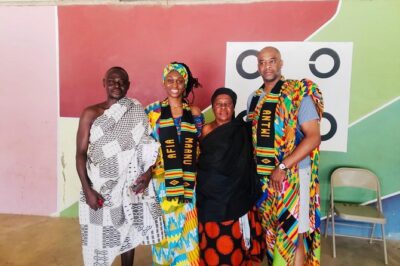 ★ 5.0Traditional naming ceremony For African Diasporas in KumasiFrom $17510 reviews
 ★ 5.0Full-Day Tour to Ashanti Region, Kumasi and Ghanaian HistoryFrom $2808 reviews
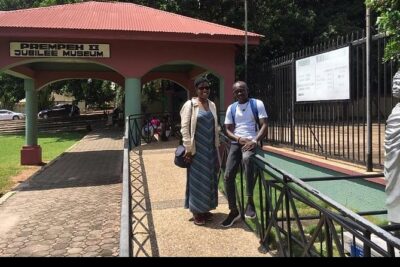 ★ 5.0Kumasi City TourFrom $608 reviews
★ 4.5Kumasi City TourFrom $517 reviews
★ 5.0Kumasi City TourFrom $608 reviews
★ 4.5Kumasi City TourFrom $517 reviews
 ★ 4.5Lake Bosomtwe Boat Cruisely and Kumasi City ToursFrom $1856 reviews
Browse the lists this tour appears in