
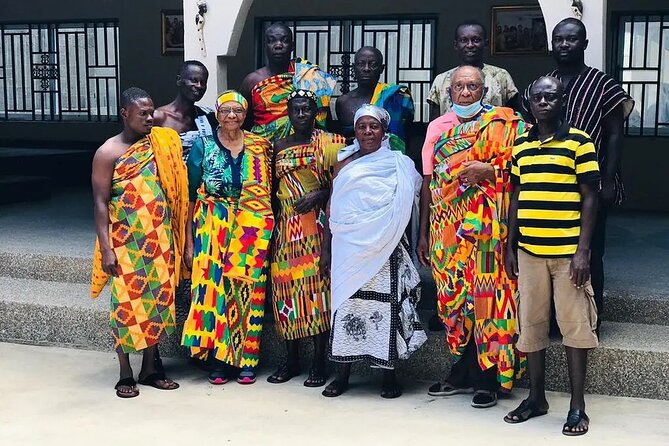
REVIEW · DIASPORA ROOTS & NAMING CEREMONIES
Naming Ceremony and Heritage Homecoming Experience for Diasporas
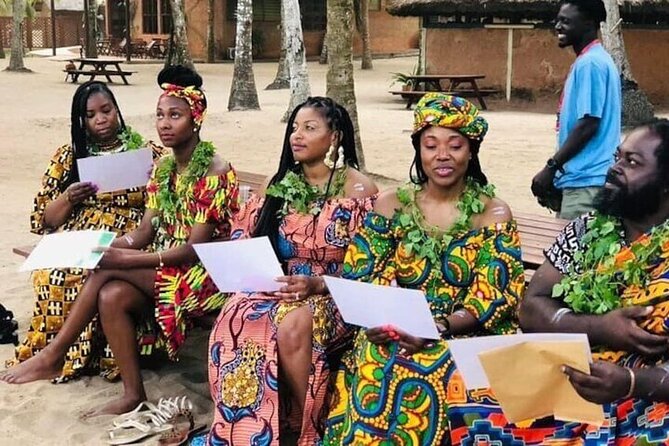
A name ceremony can feel like a door opening. This one is built around a traditional Ghanaian naming ritual for people from the African American and Caribbean diasporas, including your Soul Name based on your birth day and a community name with meaning, led by a respected elder. You also get drumming and dancing, plus a recognition certificate and a gift that may include beads or a Ghana Kente stole.
I like that this is not treated like a quick photo stop. The format is meant to be a real community moment, with you going through the traditional steps, and you learn why this matters in daily life and family memory. One drawback to consider: if you expect a polished, indoor ceremony that feels like a performance, you may be surprised by the village-style setup.
In This Review
- Key Things I’d Tell a Friend Before Booking
- Why a Naming Ceremony Can Hit So Much Harder in Ghana
- What You’ll Get: Soul Name, Local Name, Certificate, and Kente-Style Gifts
- The Ceremony Feel: Drumming, Dancing, and the Village-Style Welcome
- Following the Morning Flow From Kotoka Airport
- Time, Group Size, and Why Private Helps a Ceremony Like This
- Price and Value: What $265 Buys in a 5 to 8 Hour Experience
- Who This Fits Best, and Who Might Want Another Option
- FAQ
- FAQ
- What time does the ceremony start?
- Where is the meeting point and where does it end?
- How long is the experience?
- Is pickup included?
- Is this a private experience?
- What do I need to bring or prepare for the naming ritual?
- What will I receive at the end of the ceremony?
- Are service animals allowed?
- Is there free cancellation?
- Should You Book This Naming Ceremony Experience?
Key Things I’d Tell a Friend Before Booking

- Soul Name from your birth day: you share your birth date to find your day-based identity in the ritual.
- A second name with meaning: you receive a local community name, explained through its significance.
- Elder-led and morally grounded: the ceremony is conducted by a respected elder known for strong moral standing.
- Drums, dancing, and community welcome: it is lively, with music and movement as part of the process.
- You leave with recognition: expect a certificate, and a gift that may include beads or a Kente stole.
- Private group experience: only your group participates, which helps the ceremony feel personal.
Other roots visits and naming ceremonies arranged for visiting families
- Ghana Heritage Tours – Beyond The Return★ 5.0 · 36 reviews
- The Ancestral Naming Ceremony and Home Coming Experience★ 5.0 · 30 reviews
- The Homecoming Experience To Cape-coast And Elmina.★ 5.0 · 28 reviews
- Traditional Naming Ceremony and Boat Cruise Experience★ 5.0 · 15 reviews
Why a Naming Ceremony Can Hit So Much Harder in Ghana
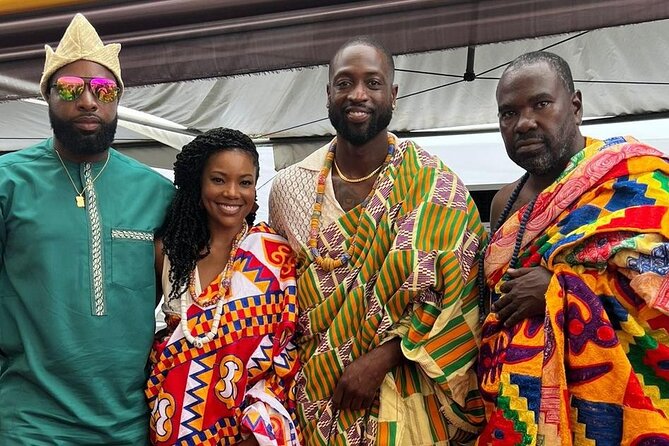
If you have diaspora roots, this kind of ritual can do two things at once. It gives you a concrete link to heritage, and it also gives the story back to you in a lived, present way, not just as distant ancestry.
The ceremony centers on identity, not entertainment. You are not just watching. You share your birth information, receive names, and go through a culturally structured moment that is meant to carry meaning beyond the day itself.
For people who have tried to connect through books or genealogy, this adds a different layer. It is about language, community, and ritual roles, guided by an elder with a reputation in that setting. That matters because it shifts the focus from research to relationship.
What You’ll Get: Soul Name, Local Name, Certificate, and Kente-Style Gifts
The heart of the experience is the naming. You provide your date of birth, and the ritual uses it to identify your Soul Name tied to the day you were born. Then you receive a second name from the community, along with the meaning of that local name.
You should also plan for recognition items. A certificate of recognition is part of the experience, and the community gift may include beads or a Ghana Kente stole that says Welcome to Ghana and is designed for you.
One practical note: since gifts may vary, I would not plan your photos around one specific item showing up. If a Kente stole is on your wish list, treat it as a possible bonus, not a guaranteed souvenir.
The Ceremony Feel: Drumming, Dancing, and the Village-Style Welcome
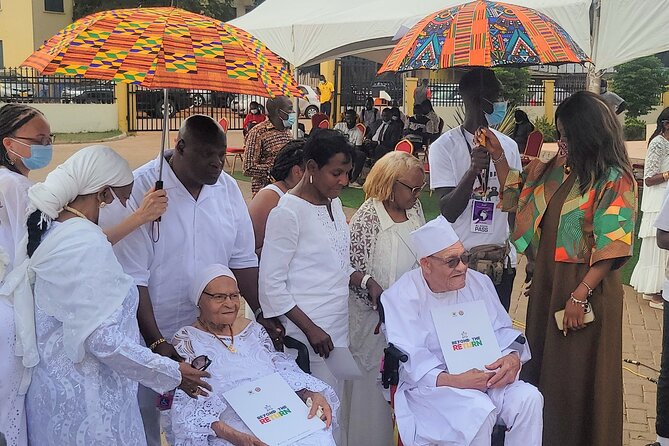
This experience is described as being held in a rural village or a community in Accra, and it is clearly meant to feel communal. You are invited into the social rhythm of the ceremony with traditional drumming and dancing, not just spoken instructions and a signature at the end.
That village-style approach is exactly what makes it powerful for the diaspora context. The point is reconnection in the most literal sense: you are greeted as someone who belongs in the story, at least for that moment, within a community that is doing the ritual for real.
It is also the part where expectations can clash. The event is not positioned as an indoor show in Accra. If what you want is a smooth, staged performance, you may feel like the pacing is different and more traditional than a Western-style event.
Following the Morning Flow From Kotoka Airport
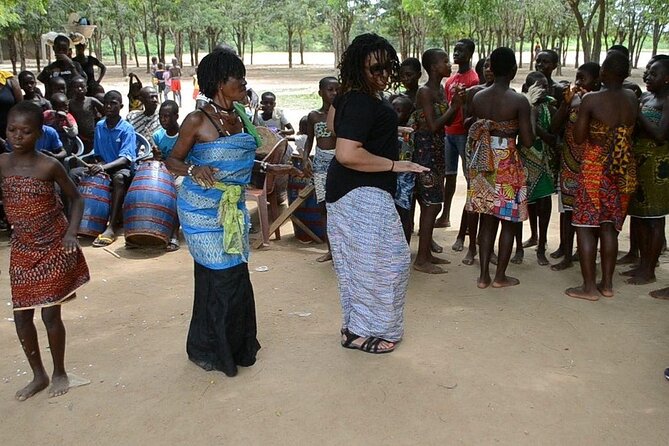
The tour starts at 7:00 am with pickup offered, and the meeting point is Kotoka Airport in Accra. It runs about 5 to 8 hours, so think of it as a half day plus time for the full ritual arc and travel.
Because the ceremony begins in the morning, you will likely want to treat it like an active event, not a late brunch activity. Give yourself the benefit of an unhurried start, especially if you are coming in from another part of Ghana or just landing.
The good news is that this format is built for ease. Confirmation is received at booking, the event uses a mobile ticket, and the activity ends back at the meeting point. That keeps the day from turning into a logistics puzzle.
Time, Group Size, and Why Private Helps a Ceremony Like This
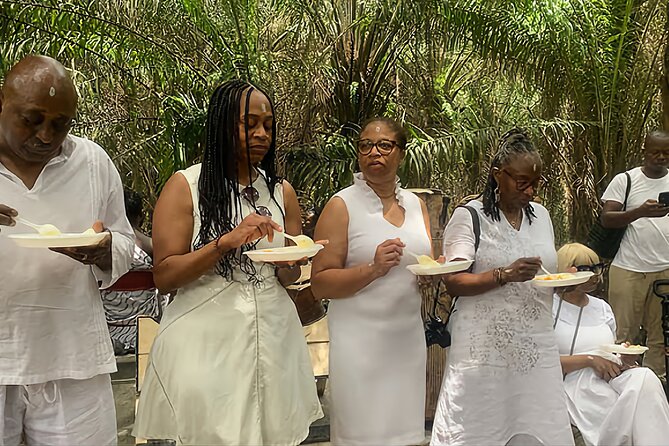
This is a private tour/activity, meaning only your group participates. That detail matters more than it sounds. In a naming ceremony, the attention and pacing change when the group is small enough for the elder and community members to keep things orderly.
It also helps you participate without feeling like you are sharing the spotlight with a big crowd. Even if you are an active conversational type, naming rituals are usually best when everyone can hear and follow the steps without competing noise levels.
On the booking side, it’s often reserved about 11 days in advance on average. That’s a sign it is not just a casual last-minute thing. If you are traveling in a busy season, earlier planning usually gives you better odds.
History-led days out across Ghana



Price and Value: What $265 Buys in a 5 to 8 Hour Experience
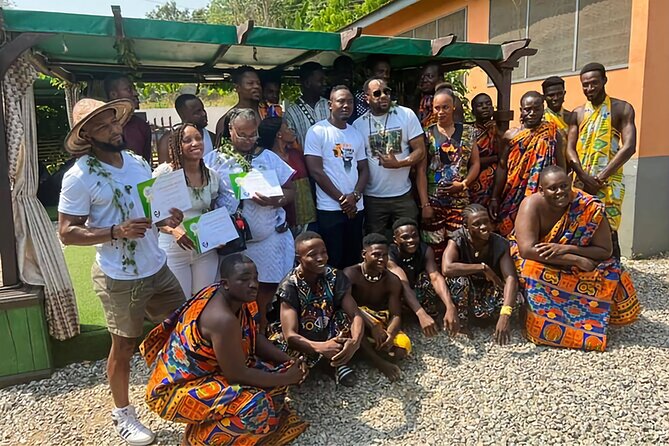
At $265 per person, this is not a budget half-day. But in this case, you can see where the value comes from if you zoom out beyond the price tag.
You are paying for more than transportation and an activity label. The day includes:
- pickup and a full morning schedule
- a structured naming process using your birth date
- drumming and dancing as part of the ceremony
- an elder-led welcome
- a certificate of recognition
- and a community gift that may include beads or a Ghana Kente stole
Also, the ceremony time is listed with admission ticket marked as free in the provided details. While that does not mean all costs are zero, it suggests the core experience is not “nickel and dimed” with an extra entry fee.
If your main goal is cultural connection and a meaningful ritual, the cost can feel fair. If your goal is mostly photos with minimal participation, you might question the price. For that style of visit, there are cheaper options around Accra, but none of them do the name-and-identity component in the same direct way.
Who This Fits Best, and Who Might Want Another Option
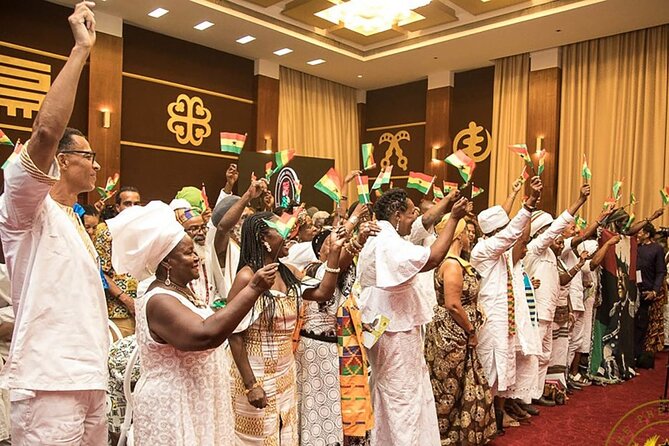
This fits best if you are traveling with a specific desire: to connect to heritage through a traditional naming ritual in Ghana. It is especially relevant for African American and Caribbean diaspora travelers who want to meet their roots in a living context and receive identity markers with meaning.
You should also consider it if you like meeting older community members and letting a ritual set the tone for your day. The ceremony is led by a respected elder known for strong moral standing, and the experience is built around community welcome.
Who might hesitate? If you want a lightweight, purely cultural sightseeing outing with minimal emotional or participatory weight, this could feel too personal or too traditional in structure. And if you expect a polished indoor “show,” the village-style nature is a heads-up.
FAQ
FAQ
What time does the ceremony start?
The start time is 7:00 am, and the tour meets at Kotoka Airport in Accra.
Where is the meeting point and where does it end?
You start at Kotoka Airport in Accra, Ghana, and the activity ends back at the same meeting point.
How long is the experience?
The duration is listed as 5 to 8 hours.
Is pickup included?
Pickup is offered.
Is this a private experience?
Yes. It is a private tour/activity, so only your group will participate.
What do I need to bring or prepare for the naming ritual?
You should be ready to share your date of birth, since your birth day is used to determine your Soul Name.
What will I receive at the end of the ceremony?
You receive your Soul Name and a local name with meaning, plus a certificate of recognition. You are also given a community gift that may include beads or a Ghana Kente stole with Welcome to Ghana.
Are service animals allowed?
Yes, service animals are allowed.
Is there free cancellation?
Yes, free cancellation is available. You can cancel up to 24 hours in advance of the experience for a full refund.
Should You Book This Naming Ceremony Experience?
I’d book it if you want a meaningful, structured ritual that ties your identity to your birth day, with names explained through a community context, not just a performance. The private format and elder-led ceremony make it more personal, and the certificate plus recognition gift are tangible keepsakes of the moment.
I’d think twice if you are hunting for a casual, indoor cultural show, or if the idea of participating in a traditional ceremony does not sound like your style. For the right traveler, this is one of the most direct ways to turn roots into something you can carry, named and recognized, long after the drums quiet down.
History-Led Days Across Ghana
- Experience the Beauty, History and the Culture Of Accra in a Day
★ 5.0 · 323 reviews - Ghana Heritage Tours – Beyond The Return
★ 5.0 · 36 reviews - 10 Days Ghana Cultural and Heritage Trip
★ 5.0 · 31 reviews - Cape Coast Historical Day Tour
★ 5.0 · 24 reviews - Full-Day Private Culture and History Tour of Accra
★ 5.0 · 23 reviews
More Ghana Tours Out of the Review Pile
- The Cape Coast Day Tour
★ 5.0 · 525 reviews - Experience the Beauty, History and the Culture Of Accra in a Day
★ 5.0 · 323 reviews - The Cape Coast Tour
★ 5.0 · 177 reviews - From Accra: Cape Coast, Elmina Castle & Kakum Park Day Tour
★ 4.6 · 144 reviews - Accra Detailed City Tour
★ 4.5 · 118 reviews
Roots Visits and Naming Ceremonies
- Ghana Heritage Tours – Beyond The Return
★ 5.0 · 36 reviews - The Ancestral Naming Ceremony and Home Coming Experience
★ 5.0 · 30 reviews - The Homecoming Experience To Cape-coast And Elmina.
★ 5.0 · 28 reviews - Traditional Naming Ceremony and Boat Cruise Experience
★ 5.0 · 15 reviews - Kumasi Heritage Tours And Naming Ceremony In A Day
★ 5.0 · 11 reviews
Latest Accra reviews added here






Diaspora Roots & Naming Ceremonies, compared.
 ★ 5.0Bonwire Namimg Ceremony and Kente Tourist CenterFrom $18040 reviews
 ★ 5.0Ghana Heritage Tours – Beyond The ReturnFrom $3,59536 reviews
 ★ 5.0The Ancestral Naming Ceremony and Home Coming ExperienceFrom $26530 reviews
 ★ 5.0The Homecoming Experience To Cape-coast And Elmina.From $18028 reviews
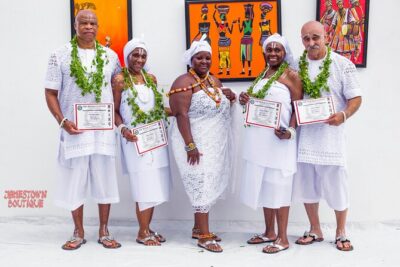 ★ 5.0Traditional Naming Ceremony and Boat Cruise ExperienceFrom $22015 reviews
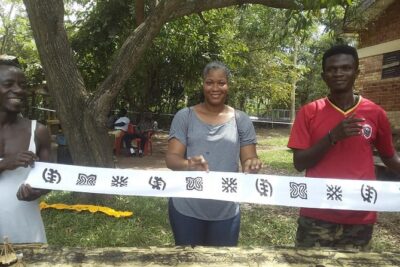 ★ 5.0Kumasi Heritage Tours And Naming Ceremony In A DayFrom $25611 reviews
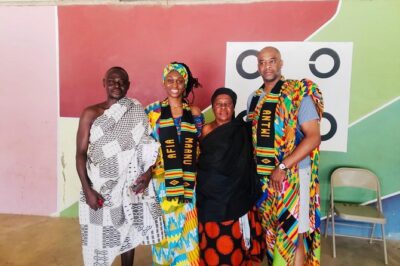 ★ 5.0Traditional naming ceremony For African Diasporas in KumasiFrom $17510 reviews
 ★ 5.0A 9 Days Experience Of The MotherlandFrom $1,9488 reviews
Browse the lists this tour appears in