
REVIEW · ASHANTI KINGDOM & KUMASI TOURS
One day tour at Kumasi
Kumasi history hits different in one day. This private route strings together palace museums, military artifacts, and craft stops, so you move from royal power to cloth symbolism in one shot. I love the Manhyia Palace Museum for its war amulets, and I love the Ntonso Adinkra craft focus. The main tradeoff is that the day can run anywhere from 4 to 8 hours, so keep your evening open.
I also like that it is a private tour, meaning you can go at your pace and ask questions without the pressure of a big group. Bibiniba Kumasi City Tours has a track record for flexible, helpful guides, including names like Kofi, Godfrey, Josephine, and Jones, who were specifically praised for meeting the group’s needs.
You start at Manhyia Palace Museum at 8:00 am and end at Kejetia New Market and Bus Terminal on N8, so the day ends with shopping and local energy instead of another museum.
In This Review
- Key things that make this Kumasi day tour work
- Why Kumasi’s palace, war, and cloth stops feel connected
- Manhyia Palace Museum: war amulets and the Golden Stool era
- Ghana Armed Forces Museum at Kumasi Fort: from Asante conflicts to World War items
- Prempeh II Museum: a small house layout with big symbolism
- Okomfo Anokye Sword Site: the immovable legend, plus a tiny museum
- Ntonso Adinkra Cloth Village: symbols made from scratch
- Adanwomase Kente: pattern names with proverbs and history
- Kejetia Market at the end: where shopping makes sense
- Price and value: what $130 typically covers in a private day
- Pickup, pacing, and an air-conditioned ride in Kumasi
- Who this private Kumasi tour fits best
- Practical tips for enjoying the craft stops without feeling rushed
- Should you book this Kumasi tour or not?
- FAQ
- What is the price for this one-day Kumasi tour?
- How long is the tour, and when does it start?
- Where does the tour begin and end?
- Is pickup included?
- Are museum and activity fees included?
- Is the tour run as a private experience?
Key things that make this Kumasi day tour work
- Royal power in real objects at Manhyia, Prempeh II, and the Sword Site museum stop.
- Military history you can see, with museum rooms devoted to the British Asante wars and World War era collections.
- Adinkra made locally from scratch in Ntonso, the place tied to traditional production of the symbols.
- Kente patterns with meaning, made in the traditional way in Adanwomase, with pattern names linked to proverbs and events.
- Kejetia Market at the end, so you can shop while your day is still moving and your questions are fresh.
More of Kumasi and the Ashanti towns around it
- Bonwire Namimg Ceremony and Kente Tourist Center★ 5.0 · 40 reviews
- Traditional naming ceremony For African Diasporas in Kumasi★ 5.0 · 10 reviews
- Kumasi City Tour★ 5.0 · 8 reviews
- Kumasi City Tour★ 4.5 · 7 reviews
Why Kumasi’s palace, war, and cloth stops feel connected
This tour is built like a story you can walk through. You start with Asante royal spaces and artifacts, you then shift to conflict history, and you end in the crafts that still carry cultural messages today. That order matters, because it helps you understand why certain symbols, objects, and ceremonies mattered.
What I appreciate is that you are not only looking at displays. You are also seeing how people still produce cultural goods in places like Ntonso and Adanwomase. That makes the museums feel less like closed glass cases and more like part of everyday life.
Manhyia Palace Museum: war amulets and the Golden Stool era
The day begins at the Manhyia Palace Museum, and it sets a strong tone fast. Even though the museum is described as small, it is packed with Asante Kingdom artifacts, including war amulets and other historical objects. If you like history you can hold in your mind, this is the kind of stop that gives you plenty to think about without being exhausting.
Timing is about 45 minutes, with admission included. The museum opened in 1995 during the Silver Jubilee celebration of the accession of the Golden Stool, so you are not just seeing old items, you are seeing them presented through a modern commemorative lens.
One practical note: because the stop is relatively short, go in ready to look carefully. If you spend too long reading everything, you can feel rushed later at the craft villages.
Ghana Armed Forces Museum at Kumasi Fort: from Asante conflicts to World War items
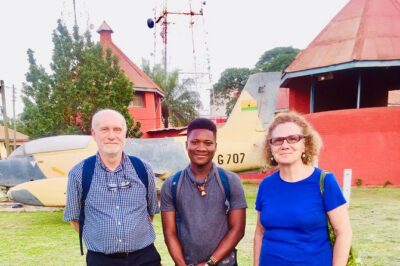
Next up is the Kumasi Fort area and the Ghana Armed Forces Museum. Here the focus shifts from royal life to military equipment, artifacts, and items used during the British Asante war era, plus collections tied to the Second World War. You can also expect war weapons, colors, medals, armored cars, and lots of portraits and photographs.
The stop runs about 1 hour, and admission is included. For me, the value is that it adds context to the rest of the Asante story. When you have seen war objects and protective items earlier at Manhyia, the museum rooms at Kumasi Fort help you understand the broader pressure points and historical transitions.
Because this part of the day is more information-heavy, it is a good place to ask your guide for quick connections between what you saw at Manhyia and what you are seeing here.
Prempeh II Museum: a small house layout with big symbolism
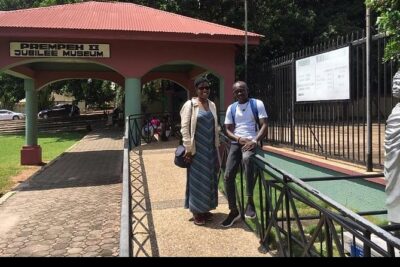
The Prempeh II Museum is described as small, but that is part of its appeal. You get a personalized tour with admission included, and you are shown artifacts linked to Ashanti king Prempeh II. Expect to see war attire, ceremonial clothing, jewelry, protective amulets, and personal items connected to bathing and dining.
There are also objects like furniture, royal insignia, and brass weights used for weighing gold. The building is designed to resemble an Ashanti chief’s house, with a courtyard and walls adorned with traditional carved symbols.
This stop is about 25 minutes, and it is easy to treat it as a quick add-on. I recommend doing the opposite. Spend that half hour slowly, because the mix of clothing, protection items, household tools, and insignia helps you understand how power showed up in both public and private life.
Okomfo Anokye Sword Site: the immovable legend, plus a tiny museum
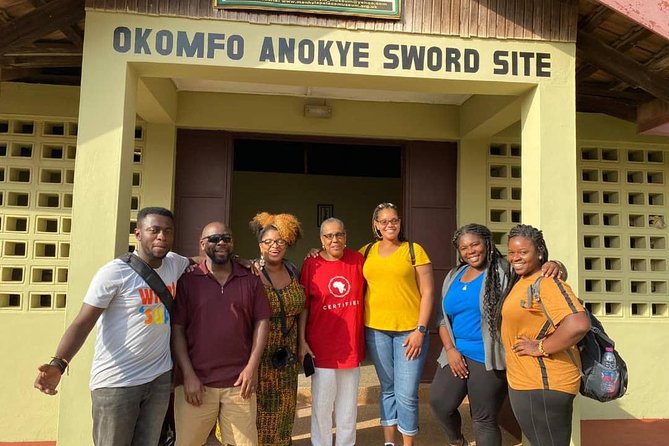
After the palace and craft heavy stops, you move to the Okomfo Anokye Sword Site. The sword is encased within its own small museum, and this is the spot where the immovable sword driven into the ground by Okomfo Anokye is said to sit.
Plan about 15 minutes, and admission is included. It is short, but it works well inside a half-day style plan because it gives you a cultural landmark that is instantly memorable.
If you are the type who likes photography, this is where you will want to make your shots count. Just remember this is also a meaningful site, so keep your pace respectful and avoid treating it like a quick selfie sprint.
Ntonso Adinkra Cloth Village: symbols made from scratch
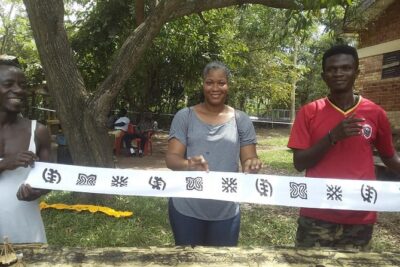
Now you shift from objects to process. At Ntonso Adinkra, the key point is that Ntonso is described as the homeland of adinkra cloth and the only place in Ghana where traditional adinkra is made locally from scratch. That means you are not only buying finished fabric, you are seeing how the symbols connect to the printing process.
This stop is about 50 minutes, with admission included. Ntonso is also described as Ghana’s biggest producer of adinkra, and adinkra is famed for symbols and proverbial wisdom. Even if you do not buy anything, watching how symbol meaning is treated like something more than decoration can change how you see printed cloth back home.
A practical tip: bring small cash or be ready to negotiate politely. Craft purchases can be the easiest part of the day to overspend, especially when you are excited and the cloth looks perfect.
Adanwomase Kente: pattern names with proverbs and history
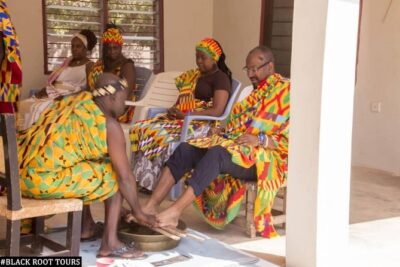
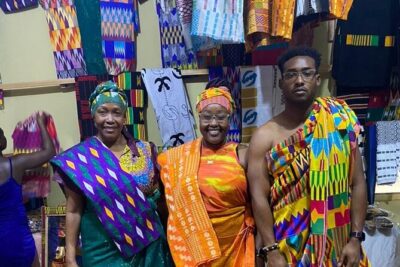
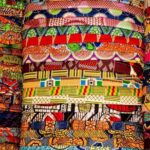
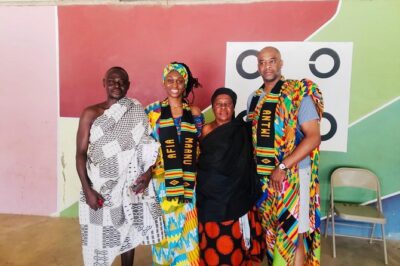
Next is Adanwomase, one of the traditional places where kente cloth is still made. Kente is described as a legendary fabric worn by African kings down the centuries, and the important thing for you is that it is still made in the traditional way in this Ashanti region.
This stop lasts about 1 hour, and admission is free. The big reason to choose this part of the itinerary is the meaning system: there are said to be over 300 patterns, and each has a name and meaning derived from proverbs, historical events, important chiefs, and even valuable plants.
If you are a shopper, this is where you should slow down and ask for pattern explanations, not only prices. If you are not a shopper, you still get value by learning what the patterns mean, because it gives you something to talk about when you see kente back in markets later.
Kejetia Market at the end: where shopping makes sense
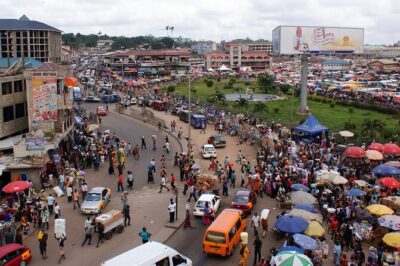
The final stop is Kejetia Market. It is an open-air central market in Kumasi, and it is described as being in the rain forest bioregion of Ashanti on the Ashantiland Peninsula. Admission is not included, so you should assume you are paying your own way if any market fees apply.
You get about 1 hour here. I like ending with Kejetia because you have already built context for what to buy. Earlier stops teach you the language of symbols, so you are less likely to buy something that looks nice but has no cultural meaning for you.
Use this time for practical shopping: small souvenirs, printed cloth pieces, and items that are easy to pack. If you want bigger textiles, give yourself a little extra caution on weight, especially if you are flying later.
Price and value: what $130 typically covers in a private day
At $130 per person, this is not the cheapest way to see Kumasi. But it can be good value if you want a private route with museums and craft production stops rather than a quick taxi circuit.
From the provided details, you get an air-conditioned vehicle, all fees and taxes, and admission tickets for most of the key museums and craft sites. Lunch is not included, and Kejetia Market admission is not included. That means you should plan for at least a drink and a meal stop on your own.
The other value piece is time management. You are doing a lot of culturally specific stops in a single day, and the private format reduces waiting and helps you keep momentum from palace to fort to cloth villages. Also, the tour is commonly booked in advance, with an average booking window listed at about 66 days, so planning ahead is smart if your dates are fixed.
Pickup, pacing, and an air-conditioned ride in Kumasi
Pickup is offered, and the tour starts at 8:00 am at Manhyia Palace Museum. You end at Kejetia New Market and Bus Terminal on N8. The time window is listed as about 4 to 8 hours, which is wide, but typical when museum browsing and shopping can stretch based on your interests.
Because the vehicle is air-conditioned, it is easier to keep comfortable even if the day runs longer than you expected. That matters in Kumasi when you are moving between multiple sites and spending time outside at markets.
One personal strategy that helps: pick one “must buy” category (adinkra symbols, kente fabric, or a smaller souvenir). Then keep your second-guessing for the market stop at the end, when you can compare what you saw earlier.
Who this private Kumasi tour fits best
This works best for you if you want a structured day that covers both history and craft. If you care about Asante culture beyond general sightseeing, the mix of Manhyia Palace Museum, the Ghana Armed Forces Museum, and the Prempeh II Museum gives you a strong cultural sweep.
It is also a good fit if you like hands-on context. Ntonso Adinkra and Adanwomase Kente are production-focused stops, and they help you understand what makes the designs more than style.
If you are traveling with limited patience for museums, you might find the day long. In that case, consider doing less shopping time at Kejetia and spending more time asking questions at the craft sites, since that is where you tend to get the most personal takeaways.
Practical tips for enjoying the craft stops without feeling rushed
First, plan for heat and walking between stops. Even with an air-conditioned vehicle, you still spend time outside, especially at Kejetia Market.
Second, bring a small budget for crafts. You are visiting the places tied to adinkra and kente making, so prices and quality can vary a lot. Having a budget lets you buy confidently instead of emotionally.
Third, ask about meaning. With kente patterns described as tied to proverbs, historical events, and chiefs, a quick explanation can turn a purchase into a story you can explain later.
Finally, keep your packing in mind. Cloth and textiles can take up space, so if you are flying, think about how you will transport your finds.
Should you book this Kumasi tour or not?
I think you should book it if you want a well-paced private route through the key Asante cultural markers: royal museums, a major military history stop, and craft villages where adinkra and kente still matter. The admissions and included fees for most stops make it easier to budget, and the private format helps you ask questions instead of just watching.
Skip it or adjust your plan if you know you dislike museums or you want a slow, unstructured day. The itinerary is intentionally full, and the 4 to 8 hour window means you will likely spend the day on your feet and in shops as well as in galleries.
FAQ
What is the price for this one-day Kumasi tour?
It costs $130.00 per person.
How long is the tour, and when does it start?
The tour runs about 4 to 8 hours and starts at 8:00 am.
Where does the tour begin and end?
It starts at Manhyia Palace Museum in Kumasi, Ghana, and ends at Kejetia New Market and Bus Terminal on N8 in Kumasi.
Is pickup included?
Yes, pickup is offered.
Are museum and activity fees included?
All fees and taxes are included, and admission tickets are included for several stops, while Kejetia Market admission is not included and lunch is not included.
Is the tour run as a private experience?
Yes, it is a private tour, so only your group participates. Confirmation is received at the time of booking. The experience requires good weather.
A Wider Spread of Ghana Tours
- Tour Kumasi City Like a Local
★ 4.5 · 34 reviews - Kumasi City Tour
★ 5.0 · 8 reviews - Kumasi City Tour
★ 4.5 · 7 reviews - Lake Bosomtwe Boat Cruisely and Kumasi City Tours
★ 4.5 · 6 reviews - Full Day Tour with Traditional Naming Ceremony in Kumasi
★ 5.0 · 4 reviews
More Ghana Tours Out of the Review Pile
- Bonwire Namimg Ceremony and Kente Tourist Center
★ 5.0 · 40 reviews - Tour Kumasi City Like a Local
★ 4.5 · 34 reviews - Traditional naming ceremony For African Diasporas in Kumasi
★ 5.0 · 10 reviews - Kumasi City Tour
★ 5.0 · 8 reviews - Kumasi City Tour
★ 4.5 · 7 reviews
Deeper into Ashanti
- Bonwire Namimg Ceremony and Kente Tourist Center
★ 5.0 · 40 reviews - Tour Kumasi City Like a Local
★ 4.5 · 34 reviews - Traditional naming ceremony For African Diasporas in Kumasi
★ 5.0 · 10 reviews - Kumasi City Tour
★ 5.0 · 8 reviews - Kumasi City Tour
★ 4.5 · 7 reviews
Latest Kumasi reviews added here



Ashanti Kingdom & Kumasi Tours, compared.
 ★ 5.0Bonwire Namimg Ceremony and Kente Tourist CenterFrom $18040 reviews
 ★ 4.5Tour Kumasi City Like a LocalFrom $8034 reviews
 ★ 5.0Kumasi Heritage Tours And Naming Ceremony In A DayFrom $25611 reviews
 ★ 5.0Traditional naming ceremony For African Diasporas in KumasiFrom $17510 reviews
 ★ 5.0Full-Day Tour to Ashanti Region, Kumasi and Ghanaian HistoryFrom $2808 reviews
 ★ 5.0Kumasi City TourFrom $608 reviews
★ 4.5Kumasi City TourFrom $517 reviews
★ 5.0Kumasi City TourFrom $608 reviews
★ 4.5Kumasi City TourFrom $517 reviews
 ★ 4.5Lake Bosomtwe Boat Cruisely and Kumasi City ToursFrom $1856 reviews
Browse the lists this tour appears in