
REVIEW · DIASPORA ROOTS & NAMING CEREMONIES
Ghana Heritage Tours – Beyond The Return
Ghana hands you your own story. This 8-day tour through Accra, Kumasi, Cape Coast, and Elmina links culture, crafts, and ancestral memory, ending with the ceremony where you receive your African name. It is built around guided visits to museums, palaces, markets, gardens, and the big coastal sites tied to the transatlantic slave trade.
What I like most is how much you actually do, not just see. I particularly appreciate the traditional crafts stops (beads, kente, adinkra) plus the time to get measured by a tailor in Accra, because it turns cultural context into something you can take home. I also like that the tour includes hotel transfers, accommodation, and all excursion fees, so you spend your energy on people and places instead of logistics.
One consideration: the itinerary has emotionally heavy stops, especially Assin Manso and Cape Coast Castle. If you know you prefer lighter sightseeing, this might feel like a lot, and the days can run long between regions.
In This Review
- Key things that make this tour worth your time
- Accra arrival, hotel transfers, and that first Akwaaba dinner
- Museum and independence landmarks that anchor your Ghana story
- James Town, Fort James, and the shoreline layers of Accra
- Kumasi royal roots, palaces, and the feel of Ashanti power
- Craft villages in Kumasi: kente weaving at Adanwomase and adinkra symbols at Ntonso
- Cape Coast and Assin Manso: the heavy stops, handled with context
- Kakum National Park and the canopy walkway you will remember
- The naming ceremony in Cape Coast: a respectful welcome and a new name
- Elmina’s St George Castle and the return to Accra
- Price and what you are really buying for $3,595
- Service quality: the human side of the tour
- Who this Ghana heritage tour fits best
- Should you book Ghana Heritage Tours – Beyond The Return?
- FAQ
- What is included in the tour price?
- Does the tour include admissions to museums and sites?
- Are international flights and visas included?
- Is the tour private?
- What cultural experience is included besides standard sightseeing?
- Is there any weather requirement?
- Can I get a refund if I cancel?
Key things that make this tour worth your time
- African naming ceremony with village welcome involving libation, drumming, dancing, and elders who give you your name
- Craft-focused culture days at TK Beads, Adanwomase (kente weaving), and Ntonso (adinkra symbols)
- Major heritage sites on the coast at Cape Coast Castle and Assin Manso, plus Elmina’s St George Castle
- Kakum canopy walkway with 7 bridges about 40 metres above the rainforest floor
- Low-stress planning with air-conditioned transport, airport and hotel transfers, accommodation, meals, and 24/7 support
Other roots visits and naming ceremonies arranged for visiting families
- Ghana Heritage Tours – Beyond The Return★ 5.0 · 36 reviews
- The Ancestral Naming Ceremony and Home Coming Experience★ 5.0 · 30 reviews
- The Homecoming Experience To Cape-coast And Elmina.★ 5.0 · 28 reviews
- Traditional Naming Ceremony and Boat Cruise Experience★ 5.0 · 15 reviews
Accra arrival, hotel transfers, and that first Akwaaba dinner
The tour starts the moment you land. In Accra, you meet the team right after you exit the arrival hall, get a warm welcome (Akwaaba), and transfer straight to your hotel for check-in. The point of this is simple: you do not waste your first day figuring out where to go or how to move around a new city.
Dinner on Day 1 is also practical. You will have a chance to connect with your guide and group and get oriented before you head out again, if you choose, for Accra nightlife. That choice matters because after a long flight, some people want rest while others want their first taste of the city.
Tour-friendly tip: because the itinerary mentions a tailors and seamstress measuring session later, it helps to pack something you can comfortably change into and out of for fittings when the time comes.
Museum and independence landmarks that anchor your Ghana story
Day 2 gives you a strong foundation by starting at the National Museum of Ghana. The displays are ethnographic, and they cover West African culture beyond just Ghana, so you get context for what you are seeing later in markets and craft communities. There is also an adjoining garden with sculptures tied to local tradition and custom.
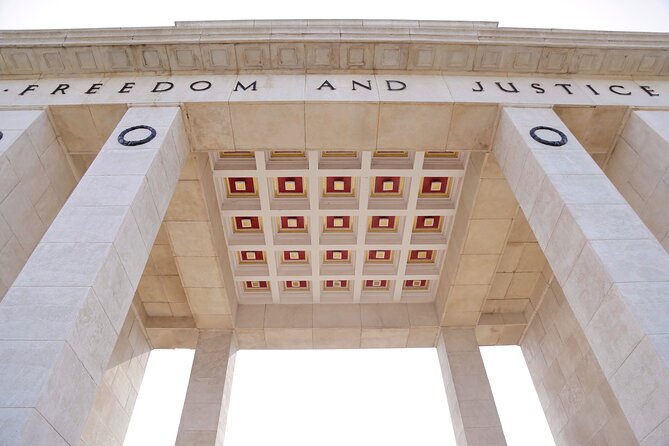
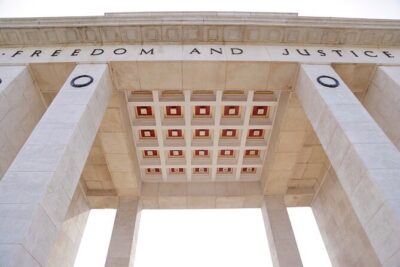
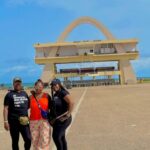
From there, you pivot to Ghana’s independence story at Kwame Nkrumah Memorial Park and Independence Square (Black Star Square). Visiting the Black Star Gate and seeing the surrounding ceremonial grounds helps the day connect culture to politics. It also frames how Ghana sees liberation and identity, which is useful when you later stand in front of colonial-era fortifications.
James Town, Fort James, and the shoreline layers of Accra
James Town is next, and this is where your trip starts feeling more like walking history. You join a walking tour through Accra’s older suburbs, including structures that predate colonial rule. That is a big deal because it helps you understand the city not as one era, but as layers.
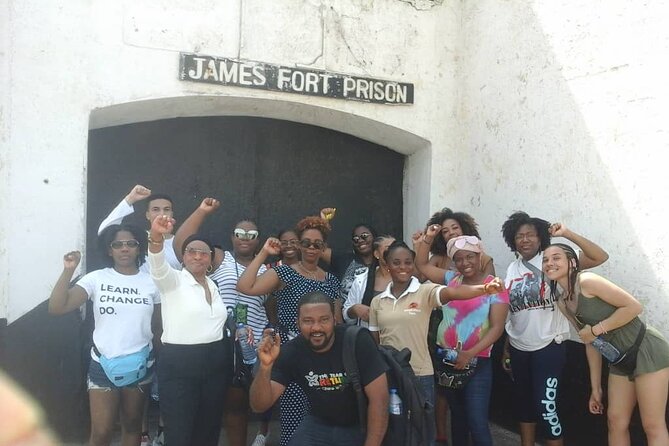
You also see the 30-metre-high lighthouse built by the British in 1871 and the colorful fishing boats along the beach. Then you continue toward Fort James, which the British built as a trading post in 1673, before it connected to Dutch and Danish fort systems. In other words, you are not just looking at a building, you are tracing a set of economic routes that shaped the region.
A practical benefit of this section: the tour keeps you on a route that is readable. Even if you are not a history nut, the guide ties the dots as you move from community to coast to fort.
Kumasi royal roots, palaces, and the feel of Ashanti power
By Day 4 you are in Kumasi, and the tone shifts. You begin at Manhyia Palace Museum, home of the Asantehene, the king of the Ashanti. The palace museum gives you a guided look at the Asante empire and explains why Ashanti culture carries so much weight in daily life and regional identity.
Then you visit the Prempeh II Museum, where you can see ancient artefacts alongside a broader overview of Ashanti history. After that, Kejetia Market enters the picture. It is described as the largest outdoor market in West Africa, and the layout is like a maze of tightly packed stalls where trade continues even into evenings.
Kejetia can be overwhelming if you dislike crowded markets, but it is also one of the best places to understand what people actually do every day. If you are shopping, this is where you will see how bargaining works in real time.
Craft villages in Kumasi: kente weaving at Adanwomase and adinkra symbols at Ntonso
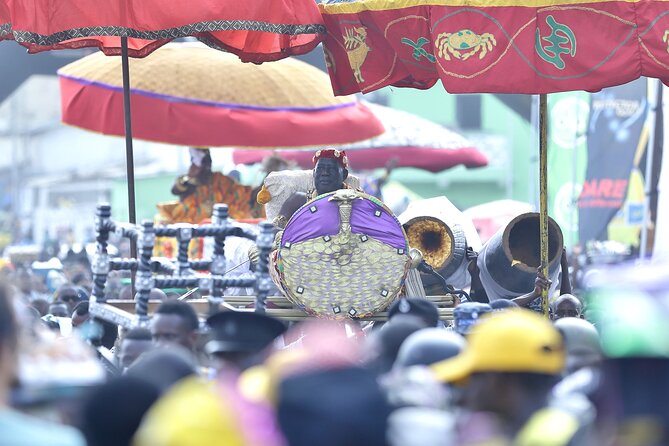
Days 5 and 4 both lean hard into hands-on craft culture. You visit UNESCO-recognized traditional Asante buildings, and you also hear about major Ashanti figures like Nana Yaa Asantewaa, known for her leadership during the 1901 conflict with the British, along with her role as a queen mother.
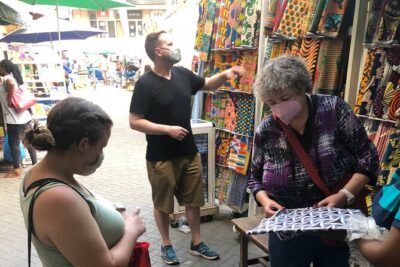
Adanwomase is the kente highlight. The day focuses on the birthplace of kente cloth, with time spent walking through the community and interacting with weavers who use looms that have not changed in design for centuries. The tour also frames how different kente designs connect to meaning, so shopping here can feel less random and more personal.
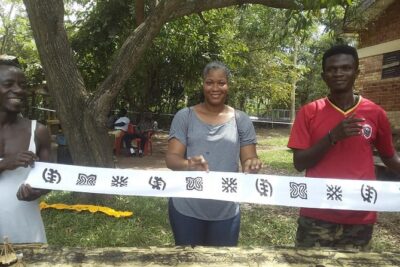
Then you go to Ntonso for adinkra. Here, symbols come from carved calabash shells, printed onto cloth using natural dyes made from local tree bark. You even get a chance to make your own strip of adinkra cloth with symbols that carry personal significance.
This combination is smart. Kente is often the first thing people think of, but adinkra adds the older language of symbols that predates kente in the traditional telling. If you want one authentic craft souvenir that actually has a story, this is the section to focus on.
History-led days out across Ghana

Cape Coast and Assin Manso: the heavy stops, handled with context
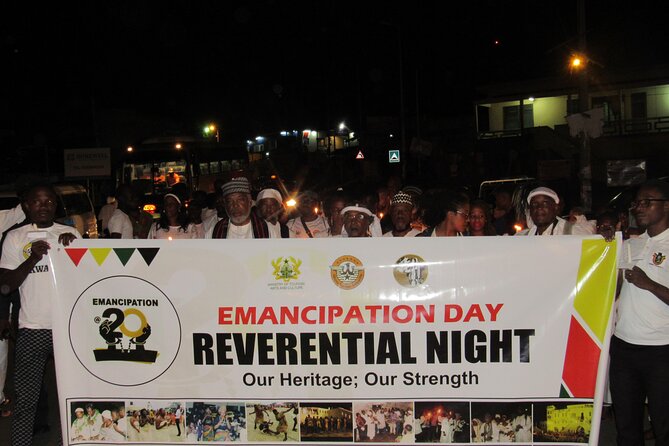
Day 6 goes straight to the enslaved African trade route at Assin Manso Ancestral Slave River Park. This is one of the most emotional parts of the itinerary, focused on what people endured as they were marched in shackles toward the coast. The stop describes the Ndonkor Nsuo, where captives were checked for fitness and bathed before being transported to Cape Coast for shipment.
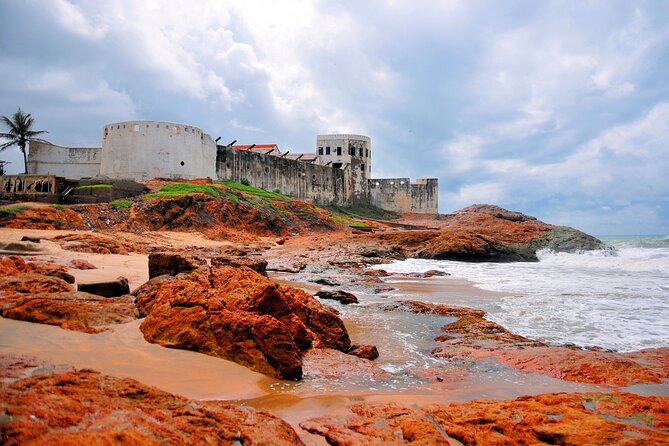
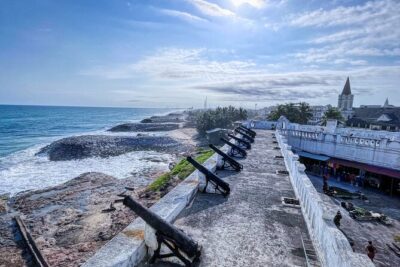
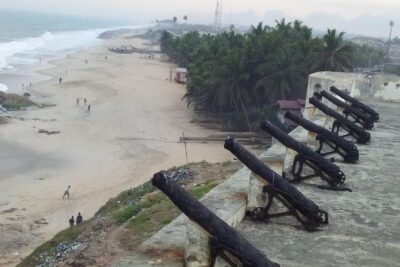
Cape Coast Castle then follows. The tour frames the castle as a major site along the West African coastline where large numbers of enslaved Africans were held in brutal conditions. You will visit the dungeons and hear about the Door of no return, which is the point people were taken out from before the transatlantic crossing.
How you should approach these stops: go slowly. Do not try to rush through it just to keep the schedule. If you have your own coping strategy, use it. It is completely normal to feel unsettled after places like this, and the only wrong way is pretending it is not hard.
Kakum National Park and the canopy walkway you will remember
Day 7 gives you a strong change of pace. Kakum National Park brings you to the canopy walkway, described as Africa’s world-famous rainforest walkway. It is semi-deciduous upper guinea rainforest, and the route uses 7 bridges attached to emerging trees, about 40 metres above the rainforest floor.
This is not just scenery. The height forces your senses to wake up, and the pauses at viewing platforms help you take in the scale of the rainforest. After two days of cultural craft plus coastal history, this feels like a reset, while still being part of Ghana’s heritage and nature.
One heads-up: the tour requires good weather. If weather is bad, you might need a date change for the park segment. If you are booking near seasonal rains, keep flexibility in mind.
The naming ceremony in Cape Coast: a respectful welcome and a new name
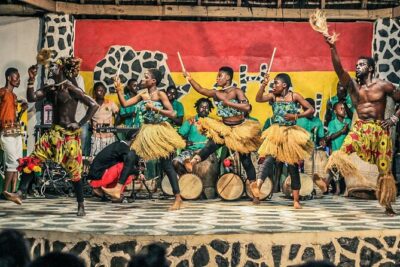
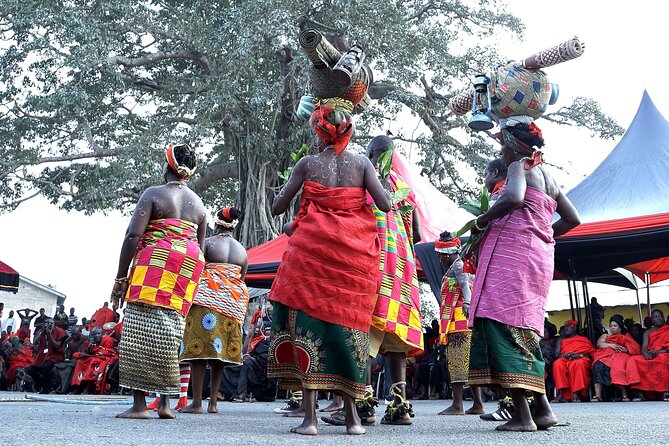
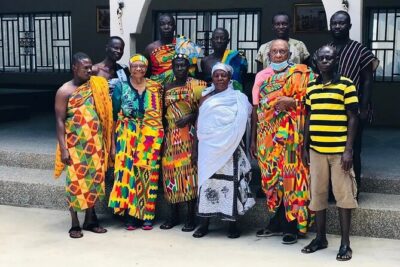
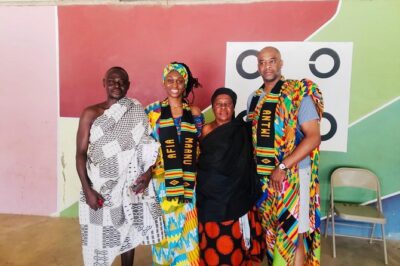
The naming ceremony is the signature moment of the whole trip. You visit a local village and pay a courtesy call to chiefs, queen mothers, and elders. The ceremony starts with libation, marking a formal welcome to the land your ancestors were taken from, and you are surrounded by drumming and dancing throughout.
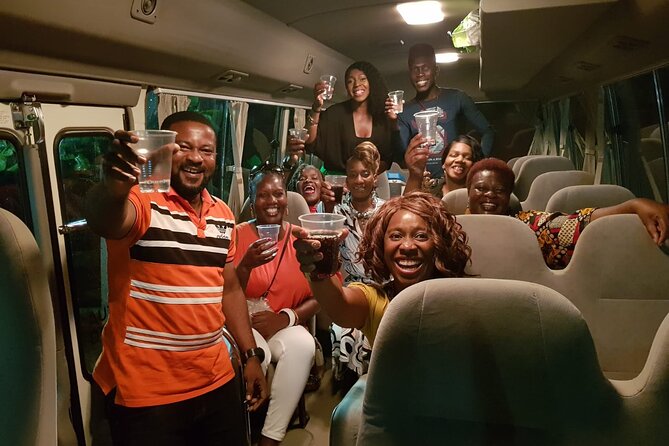
Then comes your personal naming ceremony, where chiefs and elders give you your true African name. Afterward, you return to the beach front hotel, freshen up, and celebrate again with dinner and a night out in town. If you had outfits made during the Accra measuring session, this is when you will likely get to wear them for the first time.
Two practical considerations for this day:
- Wear clothing that respects the setting and fits the kind of ceremony you are attending.
- Bring a calm mindset. This is not a quick photo stop, it is a ritual with meaning and pacing.
Elmina’s St George Castle and the return to Accra
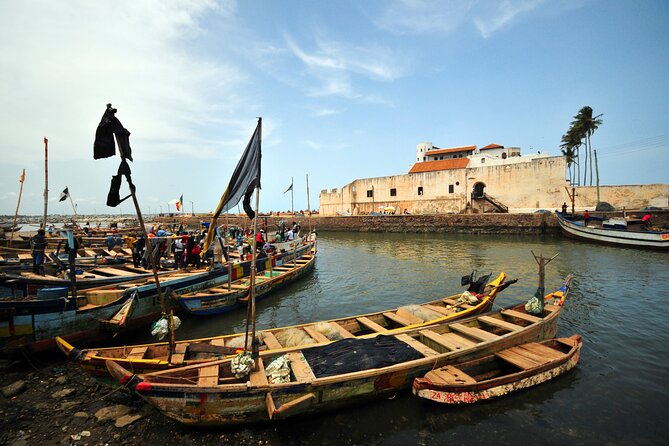
On Day 8, you head toward Accra with a stop in Elmina. You visit the Castle of St. George, described as the oldest extant colonial building in sub-Saharan Africa, dating from 1482. The tour notes its role in the transatlantic slave trade and includes an on-site museum with local history.
After the castle, you shift from museum to everyday life with a local fishing market and time to visit boat builders. That combination matters. The castle holds the big historical weight, and the market and crafts show how communities have carried on, adapted, and lived in the same coastal environment over centuries.
You finish Day 8 back in Accra with an early evening meal and time to say goodbyes, then airport transfer for your international departure or a pre arranged location.
Price and what you are really buying for $3,595
At $3,595 per person, this tour is not a budget pick. But it can feel like good value because the cost is tied to real inclusions, not just a list of “optional” add-ons.
You get:
- Accommodation and meals for 8 days
- Air-conditioned vehicle and an experienced driver
- A local expert guide (24/7)
- Airport transfers and hotel transfers
- Traditional naming ceremony plus all excursion fees
- Unlimited mineral water
- 24/7 office support
That combination matters because Ghana travel can add up quickly when you have to line up guides, entrance fees, transport, and lodging yourself. Here, the trip is designed so you are paying for a structured experience with less daily decision fatigue.
That said, the price will make more sense if you want cultural access plus historic depth without splitting your time into multiple separate bookings. If you are comfortable building your own route and negotiating guides day by day, you could probably do it cheaper. But you will give up the coordination and guided context that make these sites more meaningful.
Service quality: the human side of the tour
The experience is driven by the guide and the team. In the feedback, Alex is specifically credited as a tour guide, and Eric is also mentioned as part of the staff who helped make the details work smoothly. The overall impression is consistent: attentive support, a warm welcome, and confidence that the plan is handled.
That is more than nice customer service. When you are visiting emotionally intense sites, navigating different cities, and joining ceremonies, good guidance keeps the day moving in a respectful, organized way.
Who this Ghana heritage tour fits best
This tour is a strong match if you:
- Want both craft culture and major historic sites, not one or the other
- Are open to an African naming ceremony and respectful village welcome
- Prefer a guided structure across multiple regions: Accra, Kumasi, Cape Coast, Elmina
- Want a single package with hotels, meals, transfers, and entrance fees handled
It may be less ideal if you:
- Strongly prefer light sightseeing and less emotional content
- Get worn out by multiple museum and market days with walking segments
- Cannot adjust your plans if weather disrupts Kakum National Park
Should you book Ghana Heritage Tours – Beyond The Return?
Book it if you want a focused Ghana trip that connects culture, history, and identity through hands-on experiences like kente and adinkra, plus the naming ceremony that turns the journey personal. The all-inclusive structure, 24/7 guide support, and hotel transfers also help you spend your time where it matters.
Think twice if you know emotional historical sites are hard for you, since Assin Manso and Cape Coast Castle are central to the itinerary. If that does not bother you, and you are willing to pay for guided access, this tour has the kind of momentum that makes a once-in-a-lifetime trip feel intentional.
FAQ
What is included in the tour price?
The tour includes accommodation, meals (breakfast 7, lunch 7, dinner 8), airport transfers, hotel transfers, an air-conditioned vehicle, unlimited mineral water, an experienced driver, an expert local guide (24/7), and all excursion fees. It also includes a traditional naming ceremony.
Does the tour include admissions to museums and sites?
Yes. The tour lists admission tickets as included for multiple stops such as the National Museum of Ghana, Kwame Nkrumah Memorial Park, W.E.B. DuBois Center, Manhyia Palace Museum, Prempeh II Museum, Cape Coast Castle, and more.
Are international flights and visas included?
No. Visa and international flights are not included. Soft and alcoholic drinks are also not included.
Is the tour private?
Yes. This is a private tour or activity, and only your group will participate.
What cultural experience is included besides standard sightseeing?
You will take part in a traditional African naming ceremony in Cape Coast. The ceremony includes a courtesy call and welcomes with libation, followed by your personal naming.
Is there any weather requirement?
Yes. The tour requires good weather. If it is canceled due to poor weather, you will be offered a different date or a full refund.
Can I get a refund if I cancel?
You can cancel up to 3 days in advance for a full refund. If you cancel less than 3 days before the experience’s start time, the amount paid will not be refunded.
A Wider Spread of Ghana Tours
- The Cape Coast Day Tour
★ 5.0 · 525 reviews - The Cape Coast Tour
★ 5.0 · 177 reviews - From Accra: Cape Coast, Elmina Castle & Kakum Park Day Tour
★ 4.6 · 144 reviews - Accra Detailed City Tour
★ 4.5 · 118 reviews - Accra Guided City Tour Experience
★ 4.7 · 88 reviews
More Ghana Tours Out of the Review Pile
- The Cape Coast Day Tour
★ 5.0 · 525 reviews - Experience the Beauty, History and the Culture Of Accra in a Day
★ 5.0 · 323 reviews - The Cape Coast Tour
★ 5.0 · 177 reviews - From Accra: Cape Coast, Elmina Castle & Kakum Park Day Tour
★ 4.6 · 144 reviews - Accra Detailed City Tour
★ 4.5 · 118 reviews
Roots Visits and Naming Ceremonies
- The Ancestral Naming Ceremony and Home Coming Experience
★ 5.0 · 30 reviews - The Homecoming Experience To Cape-coast And Elmina.
★ 5.0 · 28 reviews - Traditional Naming Ceremony and Boat Cruise Experience
★ 5.0 · 15 reviews - Naming Ceremony and Heritage Homecoming Experience for Diasporas
★ 4.5 · 15 reviews - Kumasi Heritage Tours And Naming Ceremony In A Day
★ 5.0 · 11 reviews
Latest Accra reviews added here


Diaspora Roots & Naming Ceremonies, compared.
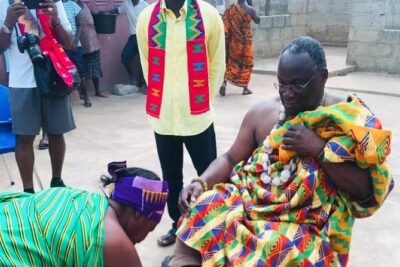 ★ 5.0Bonwire Namimg Ceremony and Kente Tourist CenterFrom $18040 reviews
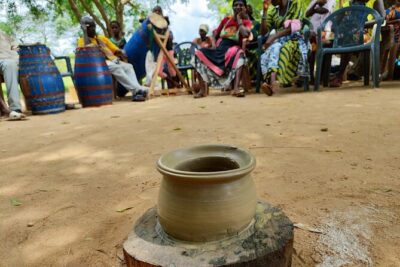 ★ 5.0The Ancestral Naming Ceremony and Home Coming ExperienceFrom $26530 reviews
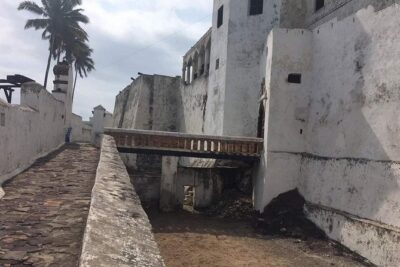 ★ 5.0The Homecoming Experience To Cape-coast And Elmina.From $18028 reviews
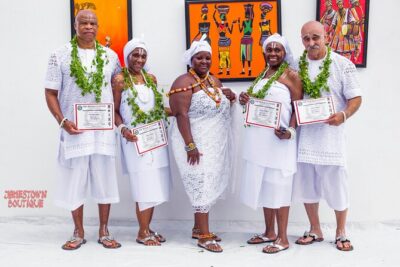 ★ 5.0Traditional Naming Ceremony and Boat Cruise ExperienceFrom $22015 reviews
 ★ 4.5Naming Ceremony and Heritage Homecoming Experience for DiasporasFrom $26515 reviews
 ★ 5.0Kumasi Heritage Tours And Naming Ceremony In A DayFrom $25611 reviews
 ★ 5.0Traditional naming ceremony For African Diasporas in KumasiFrom $17510 reviews
 ★ 5.0A 9 Days Experience Of The MotherlandFrom $1,9488 reviews
Browse the lists this tour appears in