
REVIEW · ASHANTI KINGDOM & KUMASI TOURS
Kumasi City Tour
Kumasi packs a lot of meaning fast. I like that this half-day private tour connects you to the Asante story through three major landmarks, then lands you in the Kejetia Market crowd. You get included admissions at each stop, plus private transport that helps the day feel efficient. One thing to consider is that you should plan for heat and crowds at the market, so wear comfy shoes and keep your expectations practical.
The pace is built for a short window: about four hours total, with pickup offered and a mobile ticket to keep things simple. You’ll spend about an hour at each highlight, so you’re not rushed through museums, but you are moving. If you are the type who hates busy public spaces, the market stop may feel like a lot.
In This Review
- Key highlights you should care about
- A focused 4-hour Asante tour with pickup and included tickets
- Stop 1: Okomfo Anokye Sword Site and the story of unity
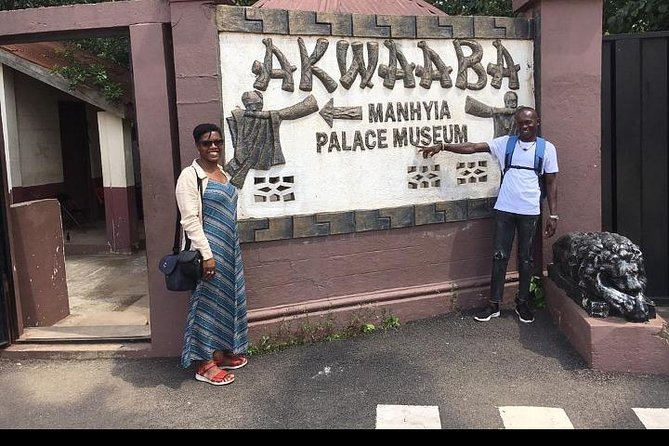
- Stop 2: Manhyia Palace Museum and the British-built building turned Asante palace
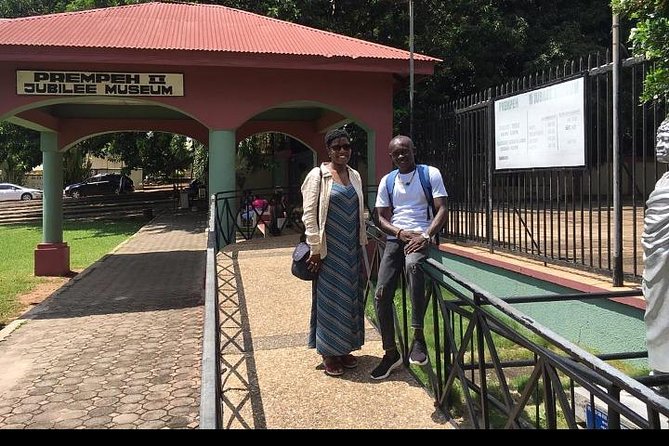
- Stop 3: Prempeh II Jubilee Museum, royal household details and a sealed mystery
- Stop 4: Kejetia Market, West Africa’s largest open-air market stop
- Price and value: how $65 makes sense for a private half-day
- Private transportation and mobile ticket: the smooth part you feel right away
- How to make the museums and the market work together
- Who should book this Kumasi City Tour (and who might not)
- Should you book Kumasi City Tour with Here Is Kumasi Tours?
- FAQ
- How long is the Kumasi City Tour?
- Is pickup included?
- What is included in the price?
- Is the tour private?
- What stops are included on the itinerary?
- How far in advance should I book?
- What if the weather is poor?
Key highlights you should care about
- Okomfo Anokye Sword Site connects you to the story of unity and the start of the Asante kingdom
- Manhyia Palace Museum shows how the British-built structure became an Asante royal palace, then a museum
- Prempeh II Jubilee Museum uses palace-style design and includes royal household objects and a famously left-closed bag
- Kejetia Market is described as the largest open-air market in West Africa, with about 11,000 stalls
- Private transportation keeps the flow smooth over multiple locations in Kumasi
More of Kumasi and the Ashanti towns around it
- Bonwire Namimg Ceremony and Kente Tourist Center★ 5.0 · 40 reviews
- Traditional naming ceremony For African Diasporas in Kumasi★ 5.0 · 10 reviews
- Kumasi City Tour★ 5.0 · 8 reviews
- Kumasi City Tour★ 4.5 · 7 reviews
A focused 4-hour Asante tour with pickup and included tickets
This is a half-day plan that works well if Kumasi is a stop on a bigger trip and you want more than one photo spot. The structure is straightforward: you rotate through four meaningful stops, spending roughly an hour at each. The tour also includes all fees and taxes, and admissions are included at every stop on the route. That matters for value, because museum entrance costs can quietly add up.
The tour is priced at $65 per person and is listed as a private tour, meaning only your group goes with you. It’s booked about five days in advance on average, so if your schedule is tight, locking it in soon is a smart move. You’ll also receive a mobile ticket, which helps you get your bearings quickly when you meet up.
If you like your sightseeing to have a clear story line, this one does. You start with a symbolic site tied to political unity, then you move into royal-era spaces through two museums, and you close with life as it’s lived now at Kejetia Market. That mix is often what makes short tours memorable.
Stop 1: Okomfo Anokye Sword Site and the story of unity
Your first stop is the Okomfo Anokye Sword Site, centered on a legend about a priest planting a sword to symbolize unity among the Asante people and to begin the Asante kingdom. The key detail here is the claim that nobody has been able to uproot the sword from the ground, and the story is even tied to the late heavyweight boxer Muhammad Ali.
Why this stop is worth your time: even if you know nothing about Asante culture today, the site gives you a simple hook. It’s not a complicated museum layout first. It’s a single powerful symbol, and it sets the tone for everything you’ll see next. You’re primed to interpret what you learn in the palace museums, because the tour’s theme is unity, authority, and continuity.
Practical notes so this feels good on the ground:
- Plan on standing and looking around while your guide explains the legend and what it means culturally.
- Bring sun protection, because this kind of landmark visit can be exposed.
- Keep your photo habits respectful. This is a site with deep meaning, so don’t treat it like a quick selfie pit.
The time here is about one hour, including the admission ticket. That’s enough to learn the story without turning it into a fatigue session.
Stop 2: Manhyia Palace Museum and the British-built building turned Asante palace
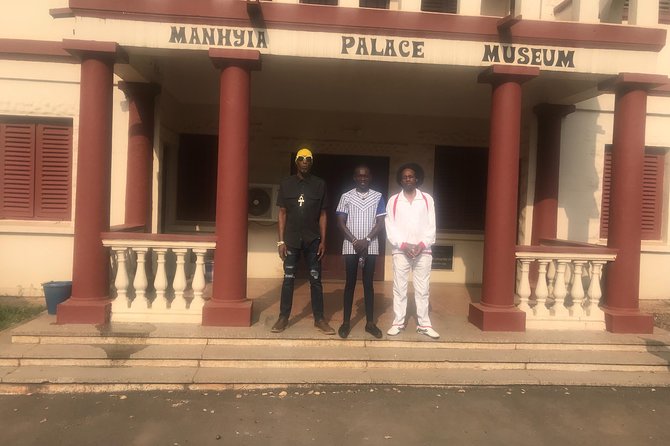
Next up is the Manhyia Palace Museum. What I like about this stop is the way it explains a twist in colonial-era planning that the Asante didn’t accept passively. The building was British-built as compensation when an Asantes king was returning from exile in Seychelles. The Asante rejected the British offer, reportedly paid the British instead, and then used the building as a palace.
Then, later, the palace became a museum. The information you’ll hear here points to conversion into a museum in 1996 by an Asante king named Otumfuo Opoku Ware ll. So you’re not just looking at objects, you’re also learning how the site’s purpose changed over time.
What you’ll likely notice as you walk through:
- The museum format gives you a “palace space” feel, which is helpful if you want history with atmosphere.
- You’ll see items that accumulated over past centuries, so the room-to-room movement feels like stepping through layers of time rather than scanning one display and moving on.
The main consideration for this stop is that museums can vary in how dense the exhibits feel. You’ll have about an hour, so you should decide ahead of time what you want most from this visit: artifacts, architecture, or story context. If you’re listening for the plot of the building itself, you’ll get a lot out of that hour.
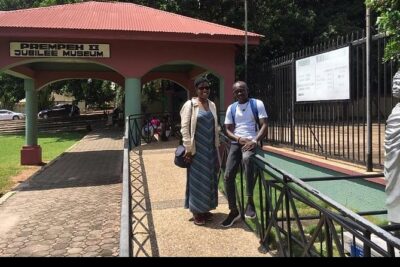
Stop 3: Prempeh II Jubilee Museum, royal household details and a sealed mystery
The third stop is the Prempeh II Jubilee Museum, also described as a place housing Asante objects dating back to the 16th centuries. The building’s architectural design is noted as typical Asante palace style, so even before you focus on objects, the space helps you understand how royalty lived.
This is where I think many people get pleasantly surprised. The museum isn’t just about big names. It’s also about daily life details at royal level. The information provided for this stop includes:
- bath set up and kitchen set up
- ancient Asante kings’ items
- a mysterious bag made by the legendary priest of the Asantes that is not open
That last detail is one of the most intriguing parts of the whole itinerary. A closed, unexplained bag is a strong conversation starter, because it reminds you that some cultural objects are not meant to be treated like open curiosities. It also fits the tour’s earlier theme: symbolism and sacred boundaries.
Time at this stop is about one hour, and admission is included. If you enjoy museums but hate getting stuck in places with too few explanations, this is the kind of stop that can work well because the guide’s narrative ties objects to meaning. Ask questions if your guide invites them. You’re more likely to get a satisfying answer when you’re already listening for context.
One practical consideration: palace-style buildings can mean corridors and indoor rooms where temperature shifts. Wear breathable clothing, and keep water handy for the day, especially after the market.
Stop 4: Kejetia Market, West Africa’s largest open-air market stop
Finally, you reach Kejetia Market, described as the biggest open-air market in West Africa. The numbers here are striking: about eleven thousand stalls and about forty-four thousand people visiting every day, and the market is largely run by women traders.
I love market stops when they come with context, because markets can feel chaotic unless someone helps you see what you’re looking at. This tour gives you that framing. You’re not just dropped into a shopping maze. You’re visiting a key part of Kumasi’s daily rhythm, after you’ve already learned about the Asante world that shaped the region’s identity.
What to expect in the real experience:
- A lot of people at once, with strong activity and constant movement
- Stalls in a large, open-air setting, so shade varies by spot
- A market where everyday business is central, not a staged performance for visitors
A couple of practical tips to keep this enjoyable:
- Wear shoes you don’t mind getting dusty. The market floor can be uneven.
- If you plan to do any shopping, keep it simple and be ready for time spent browsing. The tour includes about an hour here, which can disappear fast in crowds.
- If you’re sensitive to noise and attention, stay close to your guide and use the first few minutes to get your bearings.
One more thing: even if your goal is photos, remember you’re in the middle of real work. Quick respect goes a long way.
City runs in other Ghanaian towns
Price and value: how $65 makes sense for a private half-day
At $65 per person, this tour isn’t trying to be the cheapest option. It is trying to be the cleanest option for people who want a short, meaningful day without self-planning between sites.
Here’s why that price can work out well:
- Private transportation is included, so you are not coordinating multiple legs or guessing routes in unfamiliar areas.
- All fees and taxes are included.
- Admission tickets are included for the four stops.
In other words, you’re paying for time and friction reduction as much as for sightseeing. For a four-hour plan with four distinct stops, that can be a good deal compared to paying for transport separately plus museum entrances separately.
The only budget watch point is that the tour does not include personal shopping, and it doesn’t include hotel accommodation. So if you know you’ll buy souvenirs, set aside extra money. If you don’t plan to shop, you can keep this budget tighter.
Private transportation and mobile ticket: the smooth part you feel right away
Logistics matter on short tours, and this one tries to remove stress. Pickup is offered, and the activity ends back at the meeting point. You also get a mobile ticket, which reduces the chances of paperwork confusion.
The most valuable part for you is the time saved between sites. When you have only four hours, each delay has a bigger impact. Private transportation means you can move without building a schedule around shared vehicles or waiting.
Also, it’s described as near public transportation. That doesn’t mean you should rely on it, but it gives you peace of mind if you need a backup plan.
One small detail that came up in a positive way: using local transportation can make a tour feel more impressive because it changes how you experience the city. This tour includes private transport, but it still sounds like your day may include local movement, not just a sealed car ride from one point to the next.
How to make the museums and the market work together
The itinerary has a clever rhythm. It starts with a symbolic origin story at Okomfo Anokye Sword Site. Then it shifts into the built environment of Asante royalty through Manhyia Palace Museum and Prempeh II Jubilee Museum. After that, it ends in Kejetia Market, where you see economic life in motion.
That order helps your brain connect dots:
- Unity as a founding idea sets the meaning of power and legitimacy.
- Royal buildings and artifacts make that idea tangible.
- The market gives you a modern snapshot of who uses the city and how daily life continues.
When you guide this kind of flow well, you don’t just collect facts. You understand how the facts relate. That’s what I’d aim for while you’re on the tour: listen for links between the stops, not just separate stories.
One more thing I appreciated from the way this tour has been described by past visitors is the support around communication. After booking, a message is sent that reassures you. That’s useful because it reduces the anxiety gap between booking and actually showing up.
Who should book this Kumasi City Tour (and who might not)
This tour fits best if you want a focused Asante orientation in a short time. You’ll likely enjoy it if you like:
- culture tied to specific landmarks
- museum visits with clear story context
- a market experience that you can understand rather than just endure
It also suits people who want privacy. Since it’s a private tour, your group can move at a pace that feels comfortable for questions and photo moments.
It may be less satisfying for you if:
- you dislike crowds and prefer quiet sightseeing
- you want lots of time for shopping or wandering beyond the structured stops
- you prefer major sights but not cultural interpretation
The good news is that the tour notes that most people can participate. So unless you have mobility needs you should discuss with the provider, you’re likely fine for normal walking and short museum time.
Should you book Kumasi City Tour with Here Is Kumasi Tours?
If you’re in Kumasi for a short stay, this is a strong value choice because admissions and fees are built into the price, and the day is designed to run as one connected story. The stops are well matched: symbol, palace museum, royal museum, then Kejetia Market.
I’d book it if you want a private four-hour plan that avoids self-planning stress and helps you understand what you’re seeing. I’d think twice if you dread busy open-air spaces, because the market stop is a major part of the experience.
If you do book, my advice is simple: wear comfortable shoes, plan for sun, and be ready to listen. When you give the guide your attention, the Asante sites and the market stop start feeling like one coherent day, not four separate errands.
FAQ
How long is the Kumasi City Tour?
The tour lasts about 4 hours.
Is pickup included?
Yes, pickup is offered.
What is included in the price?
Private transportation is included, and all fees and taxes are included. Admission tickets for each stop are also included.
Is the tour private?
Yes. It is a private tour/activity, so only your group participates.
What stops are included on the itinerary?
You visit the Okomfo Anokye Sword Site, Manhyia Palace Museum, Prempeh II Museum, and Kejetia Market.
How far in advance should I book?
On average, it is booked 5 days in advance.
What if the weather is poor?
The experience requires good weather. If it is canceled due to poor weather, you will be offered a different date or a full refund. Free cancellation is available up to 24 hours in advance for a full refund.
A Wider Spread of Ghana Tours
- Tour Kumasi City Like a Local
★ 4.5 · 34 reviews - Kumasi City Tour
★ 5.0 · 8 reviews - Kumasi City Tour
★ 4.5 · 7 reviews - Lake Bosomtwe Boat Cruisely and Kumasi City Tours
★ 4.5 · 6 reviews - One day tour at Kumasi
★ 5.0 · 6 reviews
More Ghana Tours Out of the Review Pile
- Bonwire Namimg Ceremony and Kente Tourist Center
★ 5.0 · 40 reviews - Tour Kumasi City Like a Local
★ 4.5 · 34 reviews - Traditional naming ceremony For African Diasporas in Kumasi
★ 5.0 · 10 reviews - Kumasi City Tour
★ 5.0 · 8 reviews - Kumasi City Tour
★ 4.5 · 7 reviews
Deeper into Ashanti
- Bonwire Namimg Ceremony and Kente Tourist Center
★ 5.0 · 40 reviews - Tour Kumasi City Like a Local
★ 4.5 · 34 reviews - Traditional naming ceremony For African Diasporas in Kumasi
★ 5.0 · 10 reviews - Kumasi City Tour
★ 5.0 · 8 reviews - Kumasi City Tour
★ 4.5 · 7 reviews
Latest Kumasi reviews added here




Ashanti Kingdom & Kumasi Tours, compared.
 ★ 5.0Bonwire Namimg Ceremony and Kente Tourist CenterFrom $18040 reviews
 ★ 4.5Tour Kumasi City Like a LocalFrom $8034 reviews
 ★ 5.0Kumasi Heritage Tours And Naming Ceremony In A DayFrom $25611 reviews
 ★ 5.0Traditional naming ceremony For African Diasporas in KumasiFrom $17510 reviews
 ★ 5.0Full-Day Tour to Ashanti Region, Kumasi and Ghanaian HistoryFrom $2808 reviews
 ★ 5.0Kumasi City TourFrom $608 reviews
★ 4.5Kumasi City TourFrom $517 reviews
★ 5.0Kumasi City TourFrom $608 reviews
★ 4.5Kumasi City TourFrom $517 reviews
 ★ 4.5Lake Bosomtwe Boat Cruisely and Kumasi City ToursFrom $1856 reviews
Browse the lists this tour appears in