
REVIEW · DIASPORA ROOTS & NAMING CEREMONIES
Kumasi Heritage Tours And Naming Ceremony In A Day
A name for your birth day, in one morning. This full-day Ashanti culture tour strings together Kente weaving, a working cocoa farm, and a naming ceremony into one practical trip.
I love how this is built for hands-on learning, not just watching. I also like the private guide angle, because it helps you connect what you see to what it means. One possible drawback, plan for the long 10-hour pace, and remember lunch is not included.
In This Review
- Key highlights worth your time
- A full-day Ashanti culture plan that feels practical
- Price and value for a private, skills-based day
- Morning pickup and how to use the 7:00 am start
- Adanwomase Kente weaving center and the naming ceremony moment
- Kente weaving village, focused and hands-on
- Your Ashanti name based on your birth day
- Admission note to keep your expectations clean
- The cocoa farm visit, why it belongs with the textiles
- Ntonso Adinkra craftsmen and making your own Adinkra cloth
- Adinkra symbols: history and meaning
- Make your own Adinkra cloth
- Timing, pace, and what can slow you down
- What to pack for a weaving-and-symbols day
- Who this tour fits best
- Should you book this Kumasi heritage day with Bigbentours1gh?
- FAQ
- How long is the tour?
- What time does the tour start?
- Is pickup included?
- Is this a private tour?
- Is lunch included?
- What happens during the naming ceremony?
Key highlights worth your time
- Hands-on cloth-making: you’ll make both Kente-style weaving and an Adinkra cloth of your own
- Your birth-day name: an Ashanti naming ceremony gives you a local name based on your birth day
- Working farm stop: you see cocoa in action, not as a postcard background
- Private guide support: questions are easier when one person is focused on your group
- Air-conditioned transport: comfort matters on an early start and full day
Other roots visits and naming ceremonies arranged for visiting families
- Ghana Heritage Tours – Beyond The Return★ 5.0 · 36 reviews
- The Ancestral Naming Ceremony and Home Coming Experience★ 5.0 · 30 reviews
- The Homecoming Experience To Cape-coast And Elmina.★ 5.0 · 28 reviews
- Traditional Naming Ceremony and Boat Cruise Experience★ 5.0 · 15 reviews
A full-day Ashanti culture plan that feels practical
Ashanti culture can feel big and complex, especially if you try to “do it all” on your own. This tour keeps it focused on three connected themes: textiles, symbols, and the everyday economy behind them. That structure is exactly why it works for a one-day visit.
You also get a clean rhythm to the day. Instead of bouncing between random stops, you spend time where craft knowledge is actually taught. That means you’re not just looking at cloth, you’re seeing how it is produced and what it represents.
One more thing I like: the experience is designed so you can participate. The tour notes that most travelers can take part in the activities, so you are not stuck standing on the sidelines the whole time.
Price and value for a private, skills-based day
At $256.42 per person for about 10 hours, this is not a budget half-day. But it is also not paying for hours of transit and waiting. You are paying for a private setup, round-trip vehicle transport, and included fees for the key experiences.
Think of the value this way:
- You get round-trip transportation in an air-conditioned vehicle, which is a real quality-of-life upgrade on a long day.
- Stop fees are handled, so you are not constantly doing cash math or hunting tickets.
- You’re paying for guided interpretation, which matters a lot during ceremonies and symbolic crafts.
- You also leave with something you made, not only photos.
The one clear trade-off is lunch is not included. If you are the type who hates being hungry mid-day, you’ll want a plan for food either before you go or during your available breaks.
Morning pickup and how to use the 7:00 am start
The tour starts at 7:00 am. That early time is part of what keeps the day from turning into a rushed blur. You get to the first craft-focused stop while energy is high and the workshop activities are underway.
Because pickup is offered and you are in an air-conditioned vehicle, you can treat the ride as prep time:
- Use it to go over what you want to ask your guide.
- Keep water handy, especially on a full-day schedule.
- Wear layers, because vehicle temps and outdoor temps can feel different.
This is also listed as a private tour, meaning only your group participates. That changes the whole vibe. You can ask direct questions, pause if something needs explanation, and move at a pace that fits your group rather than a big crowd schedule.
Adanwomase Kente weaving center and the naming ceremony moment
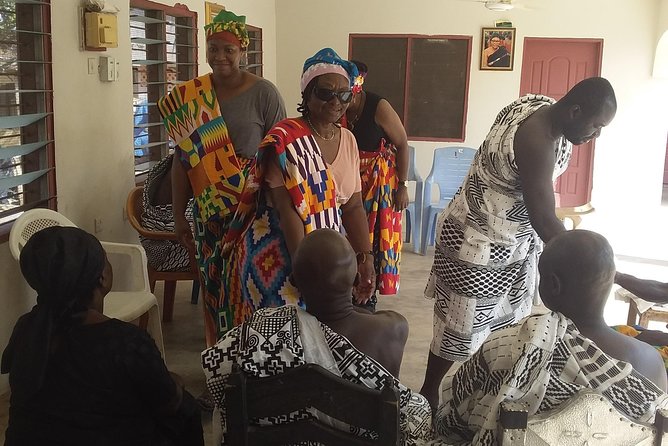
Stop one combines two of the most personal-feeling parts of the day: Kente weaving and an Ashanti naming ceremony.
Kente weaving village, focused and hands-on
Adanwomase is known for weaving Kente, a traditional Ghanaian cloth. When you arrive at a weaving village like this, the point is not just to admire finished fabric. You’ll learn how Kente cloth is made and then get to interact with the process through the community weaving center.
What I find valuable here is the way textile craft works as a language. Patterns, colors, and the act of weaving all carry meaning. Even if you do not know the symbolism right away, seeing the workflow in person makes the culture feel grounded, not abstract.
More of Kumasi and the Ashanti towns around it

Your Ashanti name based on your birth day
Then comes the naming ceremony. This is not framed as a quick photo stop. You experience a traditional naming ceremony where you are given a local name depending on the day of your birth.
Why this matters: a lot of cultural tours treat people like observers. A naming ceremony flips that. You are not only watching tradition, you are being included in it through a role that is tied to your identity.
Practical tip: treat it like a respectful, cultural moment. Listen closely, follow your guide’s cues, and be ready to participate if it is part of the ceremony flow. The tour notes most travelers can participate, so plan to be involved rather than hovering at the edges.
Admission note to keep your expectations clean
The first stop includes an admission ticket with the note that it is free. That helps the day stay straightforward financially. Still, dress and behavior matter at cultural sites, regardless of fees.
The cocoa farm visit, why it belongs with the textiles
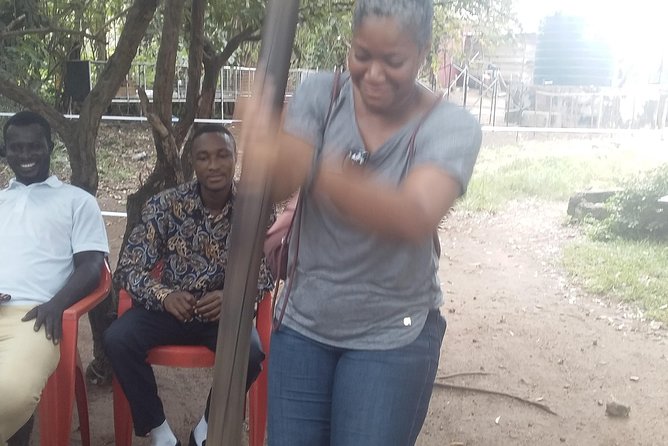
Inside stop one, you also visit a local cocoa farm. This might sound like a random add-on until you connect it to the broader idea of how everyday life feeds craft and trade.
Cocoa is part of Ghana’s real economic backbone, and seeing a working farm gives you context that a textile-only day cannot. It helps you understand that cloth production is not floating in a vacuum. It sits in a world of farming, labor, skills, and local markets.
What you can take away from this farm stop:
- You see how agricultural work supports local livelihoods.
- You can connect your textile visit to the broader working rhythms of the region.
- It breaks up the day so you are not only in workshops.
If you’re the kind of traveler who likes cultural experiences to have practical context, this stop earns its place.
Ntonso Adinkra craftsmen and making your own Adinkra cloth
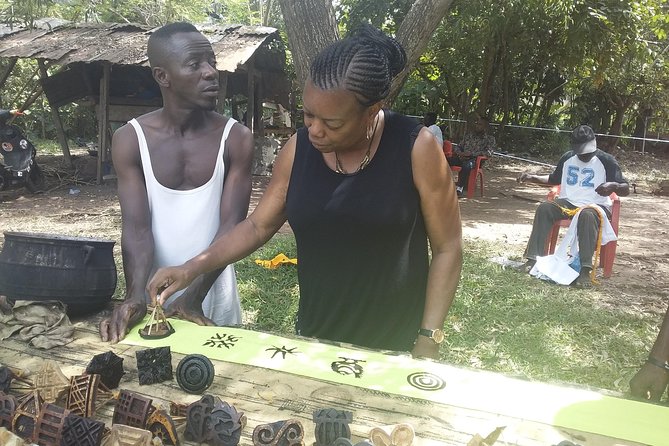
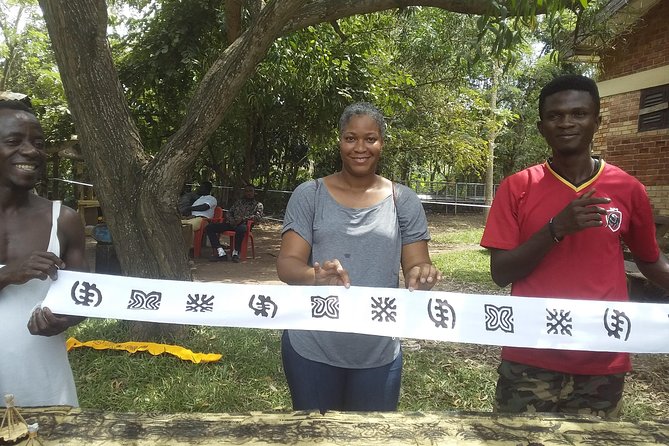
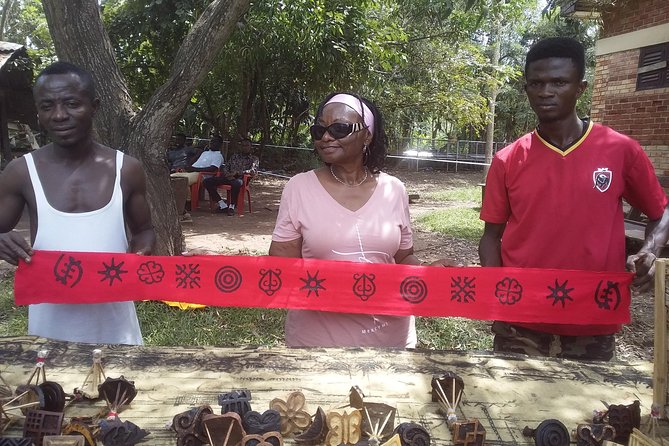
Stop two shifts from Kente to Adinkra. You go to the Ntonso Adinkra craftsmen village, where you learn about Adinkra symbols and then make your own cloth.
Adinkra symbols: history and meaning
You’ll learn the history of Adinkra as a traditional symbol system. Adinkra symbols are often used to communicate ideas, values, and cultural messages. Seeing them taught in a village setting helps you understand them as more than “decorative patterns.”
The practical benefit of doing this with a guide is that you can ask what symbols represent, how they are chosen, and why certain meanings matter to families and communities.
Make your own Adinkra cloth
You also make your own Adinkra cloth, with admission included for this stop. This is a key reason the day feels worthwhile. Textiles become real when you do them.
I recommend you treat this workshop time like a mini skills class:
- Focus on the technique while your guide is explaining it.
- Ask about what you are doing, not only what it looks like.
- Take your time finishing your piece, even if you feel the schedule pressure.
Your finished cloth becomes a souvenir with a story. It is not just a purchase, it is proof you learned a process with your hands.
Timing, pace, and what can slow you down
This is an about 10-hour day. That is long enough to require energy management, but not so long you feel trapped all day.
The main factors that can affect your pace:
- Workshop participation takes time, and hands-on learning rarely moves fast.
- The naming ceremony is cultural and can have its own timing, including moments of instruction and participation.
- Transport time depends on road conditions and pickup logistics.
If you want the experience to feel good, not tiring, plan for breaks by managing what you eat and drink. Lunch is not included, so do not assume you will find food at a convenient moment. If you are prone to getting hangry, treat that as your real itinerary risk.
What to pack for a weaving-and-symbols day
Because you will be in craft settings and outside areas (including a cocoa farm), pack for a mix of indoor workshops and outdoor movement.
Bring:
- Comfortable clothes you do not mind getting a little dusty
- Closed-toe shoes for walking
- A light layer or scarf, in case the vehicle or shaded areas feel cool
- A small bag for your cloth items, so you do not have to improvise at the end
Also, think about photos and hands-on work. Workshops can get messy, and you will have better results if you focus on the process rather than filming everything.
Who this tour fits best
This day tour is a strong match if you:
- Want hands-on cultural learning rather than a bus-and-camera day
- Love textiles, symbolism, and craft technique
- Enjoy ceremonies that feel participatory, not staged
- Prefer private guidance so questions are answered on the spot
It is also a good option if you are short on time and want one organized plan that covers both Kente and Adinkra, plus a context-setting cocoa farm stop.
If you dislike long days, or you need lunch included to feel comfortable, you may find the schedule a bit tight. That does not make it a bad tour, it just changes who should prioritize it.
Should you book this Kumasi heritage day with Bigbentours1gh?
I think this is a book-worthy experience if you care about learning by doing and you want a day that connects craft to culture. The strongest part is the combination: weaving activities at a Kente village, a naming ceremony based on your birth day, and an Adinkra workshop where you make your own cloth. That is a lot of meaning for one day, especially with pickup and an air-conditioned vehicle.
I would book it if you value a private guide and you want more than sightseeing. I would pause and rethink if you know you will struggle with a long 10-hour day or you need lunch included.
If you want to see Ashanti culture through textiles, symbols, and personal tradition, this tour has the right shape.
FAQ
How long is the tour?
It runs for about 10 hours.
What time does the tour start?
The start time is 7:00 am.
Is pickup included?
Yes. Pickup is offered, and you also get round-trip transportation.
Is this a private tour?
Yes. It is a private tour/activity, so only your group participates.
Is lunch included?
No, lunch is not included.
What happens during the naming ceremony?
You experience a traditional Ghanaian naming ceremony where you are given a local name depending on the day of your birth.
More Ghana Tours Out of the Review Pile
- The Cape Coast Day Tour
★ 5.0 · 525 reviews - Experience the Beauty, History and the Culture Of Accra in a Day
★ 5.0 · 323 reviews - The Cape Coast Tour
★ 5.0 · 177 reviews - From Accra: Cape Coast, Elmina Castle & Kakum Park Day Tour
★ 4.6 · 144 reviews - Accra Detailed City Tour
★ 4.5 · 118 reviews
Deeper into Ashanti
- Full-Day Tour to Ashanti Region, Kumasi and Ghanaian History
★ 5.0 · 8 reviews - 4 Days Trip in Accra, Cape Coast,Kumasi culture & heritage tours
★ 5.0 · 5 reviews
Roots Visits and Naming Ceremonies
- Ghana Heritage Tours – Beyond The Return
★ 5.0 · 36 reviews - The Ancestral Naming Ceremony and Home Coming Experience
★ 5.0 · 30 reviews - The Homecoming Experience To Cape-coast And Elmina.
★ 5.0 · 28 reviews - Traditional Naming Ceremony and Boat Cruise Experience
★ 5.0 · 15 reviews - Naming Ceremony and Heritage Homecoming Experience for Diasporas
★ 4.5 · 15 reviews
Latest Accra reviews added here






Diaspora Roots & Naming Ceremonies, compared.
 ★ 5.0Bonwire Namimg Ceremony and Kente Tourist CenterFrom $18040 reviews
 ★ 5.0Ghana Heritage Tours – Beyond The ReturnFrom $3,59536 reviews
 ★ 5.0The Ancestral Naming Ceremony and Home Coming ExperienceFrom $26530 reviews
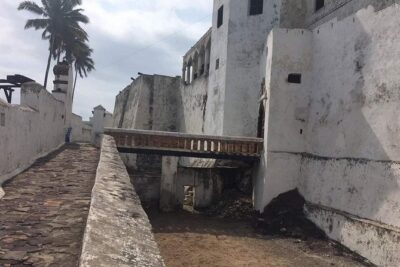 ★ 5.0The Homecoming Experience To Cape-coast And Elmina.From $18028 reviews
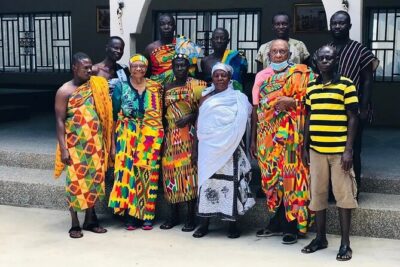 ★ 4.5Naming Ceremony and Heritage Homecoming Experience for DiasporasFrom $26515 reviews
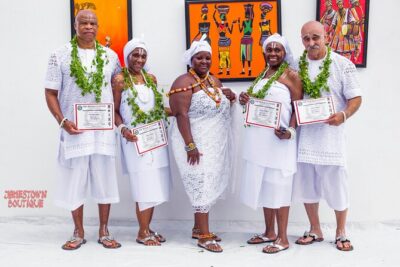 ★ 5.0Traditional Naming Ceremony and Boat Cruise ExperienceFrom $22015 reviews
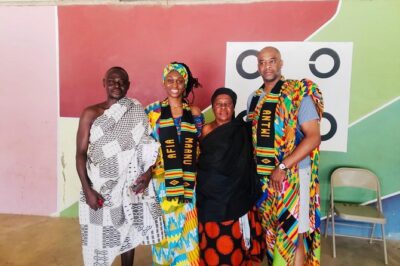 ★ 5.0Traditional naming ceremony For African Diasporas in KumasiFrom $17510 reviews
 ★ 5.0A 9 Days Experience Of The MotherlandFrom $1,9488 reviews
Browse the lists this tour appears in