
REVIEW · DIASPORA ROOTS & NAMING CEREMONIES
Full Day Tour with Traditional Naming Ceremony in Kumasi
A new name in Kumasi changes everything. This full-day outing links the Asante naming ceremony with visits to the craft world at the Bonwire Kente Weaving Centre and Ntonso Adinkra, so you get meaning, not just photos.
Two things I really like about this tour: first, you’re not rushing past the making, because admission is included and you see how the cloth process works. Second, the naming rite is the headline, and you’ll receive a new Asante name as part of the traditional naming rite that reconnects you through the ceremony. One thing to consider is that it’s a long, structured day (about 6 hours 30 minutes) and the experience needs good weather, so go in with flexible energy.
In This Review
- Key highlights you should care about
- Kumasi, Kente, Adinkra, and a naming rite
- What you get for the $180 price tag
- The Asante naming ceremony: the part that actually lands
- Bonwire Kente Weaving Centre: seeing cloth as work and meaning
- Ntonso Adinkra craft time: how printing works from start to finish
- The pacing, timing, and what 9:00 AM really means
- Comfort, access, and how the day stays manageable
- Tips to get more from the naming ceremony and craft stops
- Why the craft villages feel more authentic here
- Who this tour suits best, and who should think twice
- Should you book the Full Day Tour with Traditional Naming Ceremony in Kumasi?
- FAQ
- What’s included in the tour price?
- How long is the tour?
- What time does the tour start in Kumasi?
- Is pickup available?
- Is this a private tour?
- What if the weather is bad?
Key highlights you should care about
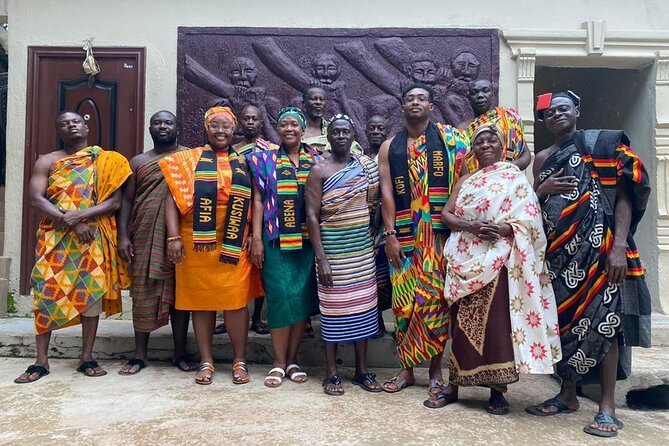
- Asante naming ceremony first-class priority: you get a new Asante name as part of the naming rite
- Bonwire Kente weaving visit with admission included: you can watch the craft context up close
- Ntonso Adinkra craft focus: you see how Adinkra cloth is made and printed, from start to finish
- Private tour format: only your group participates
- Air-conditioned vehicle plus pickup: a practical, comfortable way to handle a full day
Other roots visits and naming ceremonies arranged for visiting families
- Traditional naming ceremony For African Diasporas in Kumasi★ 5.0 · 10 reviews
- Traditional Naming Ceremony For African Americans In Kumasi★ 5.0 · 5 reviews
- Full Day Tour with Traditional Naming Ceremony in Kumasi★ 5.0 · 4 reviews
Kumasi, Kente, Adinkra, and a naming rite
If you’re planning a Ghana trip that goes beyond famous sights, this kind of day in Kumasi can do that job fast. You start with craft culture you can see with your own eyes, then the tone shifts when the naming ceremony takes center stage. The result is a day that feels purposeful, not just busy.
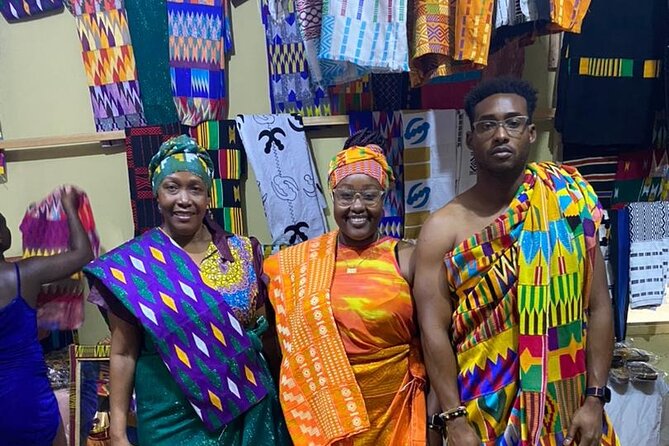
The biggest value here is the combination. Kente and Adinkra are not only products. They are identity and communication in cloth form, and Kumasi is where that meaning lives. When you add an Asante naming ceremony on top, it turns into something personal.
I also like the practical way the day is set up. You get an air-conditioned vehicle, pickup offered, and a mobile ticket. That matters on a full day because you want your energy for the ceremony and the making process, not for logistics.
What you get for the $180 price tag
Price is always the question, so here’s how I’d think about the $180 per person cost. You’re paying for a structured full day in Kumasi with:
- an air-conditioned vehicle
- included fees and taxes
- admission included at the craft stops
- the private format, so your group is not mixed with strangers
- the naming ceremony experience as the highlight
Personal shopping is not included, which is normal for craft villages. But the important part is that the tour cost already covers the built-in moments: entry and the core activities. For a day that’s centered on culture rather than quick photo stops, that feels like fair value, especially if you want a guide who can explain what you’re seeing.
Also, notice the time commitment. This is about 6 hours 30 minutes. You’re not getting a rushed half-day. You’re buying the chance to slow down at the weaving and printing sites, then be part of a ceremony that takes attention and care.
The Asante naming ceremony: the part that actually lands
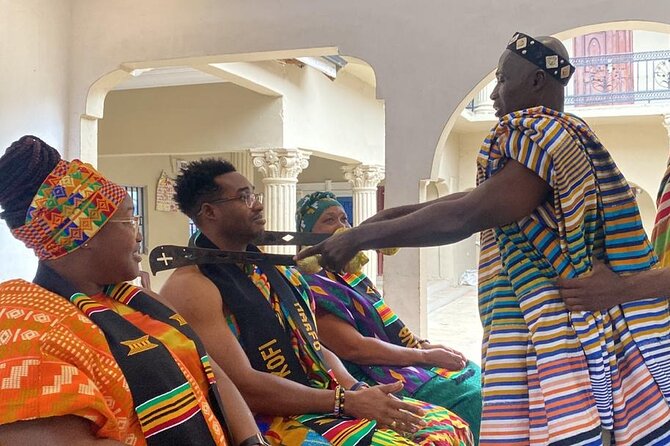
The naming ceremony is the reason this tour exists. The tour isn’t simply saying hello and taking pictures. It’s designed so you receive a new Asante name through the traditional naming rite. The ceremony is also framed as a reconnection to your ancestor through the rite, which is a powerful emotional and spiritual theme.
Why that matters for your experience is simple. It changes your role from spectator to participant. Even if you’re not fully fluent in the language of the rite, a guided ceremony can help you follow the flow and understand what each part is about. And when the host is attentive, you’re more likely to feel respected and prepared.
In the feedback people shared, hosts such as Kwame and Priscilla were highlighted for communication and guidance that made the day feel meaningful. That kind of attention matters here. A naming ceremony is intimate. You want a guide who can explain what’s happening while keeping the mood warm and respectful.
One practical consideration: ceremonies can be moving. If you’re someone who gets emotional easily or feels shy in front of groups, you might still enjoy it, but you should go in with an open mind and a calm attitude. This is not a quick gimmick. It’s a rite.
Bonwire Kente Weaving Centre: seeing cloth as work and meaning
Your day begins with the Kente world at Bonwire. The tour schedules a long first stretch that includes the Kente village visit, and this is where you get a front-row view of textile culture in motion.
Kente is often shown as finished cloth, but the real story is in the craft. You’ll be at the weaving center with admission included, which is a big deal because it keeps you from having to scramble for entry or ask about extra charges once you arrive. You can focus on watching and learning.
What I think you’ll appreciate most is how Kente fits into daily life and identity. Even if you only catch a portion of the explanation, the visuals do a lot. Loom work is rhythmic, detail-driven, and slow enough that you can actually see effort in every step.
The possible drawback with craft stops is that they can feel like you’re constantly being asked to buy. This tour does not include personal shopping, so you can treat shopping as optional. If your goal is understanding, plan to spend your time asking questions and observing, not negotiating.
Ntonso Adinkra craft time: how printing works from start to finish
After the Kente focus, the tour spends time at Ntonso Adinkra. There’s a dedicated stop that zeroes in on the craftsmen and how Adinkra cloth is made, from the beginning to the finish, and printed in a way that follows local practice.
Adinkra is famous for its symbol system. But here’s the point: you’re not just looking at patterns. You’re learning the process. Seeing the stages of making helps you understand why symbols matter. When you understand the effort behind the print, the cloth becomes more than a souvenir.
The schedule gives you about 30 minutes at the Ntonso craftsmen stop. That’s not a full day. Still, it’s enough time to grasp the workflow if you pay attention and ask simple questions. If you’re the type who wants details, a short stop works best if you think of it as a guided orientation to the craft rather than a deep workshop.
Also, since the tour includes admission at the craft locations, you can avoid the awkward moment of wondering whether you’re covered for entry when you arrive. That keeps the day feeling smooth.
More of Kumasi and the Ashanti towns around it

The pacing, timing, and what 9:00 AM really means
This tour starts at 9:00 am. With an overall duration of about 6 hours 30 minutes, you should plan for a full morning and early afternoon, with enough time to move between Kumasi neighborhoods and craft sites.
The listing notes pickup is offered and the vehicle is air-conditioned. That’s practical. Kumasi can be busy, and you want a comfortable ride between stops. It also helps if you’re traveling with someone who might not want to navigate transit all day.
Because it’s a private tour, your group’s pace matters. If you ask questions and want extra time looking at weaving or printing, you may have more flexibility than on a group tour. At the same time, a private day still runs on a timeline, so you won’t have unlimited hours at every station.
If you’re someone who hates early starts, this might feel demanding. But if you like mornings, you’ll probably find it easier to focus before fatigue hits.
Comfort, access, and how the day stays manageable
The tour includes all fees and taxes and uses an air-conditioned vehicle. You also get a mobile ticket, which tends to reduce hassle on the day itself. The tour is noted as being near public transportation, and most travelers can participate.
Those details matter because they point to a tour that is designed to be doable for a wide range of visitors. But “most travelers” is not the same as everyone. If you have mobility needs, you should think about whether you’re comfortable with time at craft centers and the movement involved in transitioning between stops.
Since this is a private tour, you’ll also be spending the day only with your group. That can make the naming ceremony feel less intimidating because you’re not sharing the moment with strangers from other cultures and backgrounds.
Tips to get more from the naming ceremony and craft stops
I’ll keep this practical. Your goal is to leave with understanding and a story you’ll actually tell later.
- Go in with a respectful, open mindset. A naming rite is personal. You don’t need to know every word to show that you’re present and willing to follow along.
- Ask one or two clear process questions. For Kente and Adinkra, the most useful questions are about how the cloth is made and what the symbols or patterns mean in practice.
- Limit shopping pressure by deciding your plan early. Since personal shopping isn’t included, you control it. If you only want one or two pieces, you won’t get pulled into endless browsing.
- Keep your phone ready, but don’t treat everything like content. For ceremonies, check with the guide on what’s appropriate before taking photos.
- Dress for comfort and heat. This isn’t a strict dress-code claim, it’s just good travel sense for Ghana. Choose clothing that lets you sit, stand, and move comfortably through a 6.5-hour day.
If you do those things, you’ll get more than the standard souvenir glance. You’ll come away with context, and that’s what makes a cultural tour feel real.
Why the craft villages feel more authentic here
Many culture tours check a box: a short visit, a quick walkthrough, then you’re back on the road. This one stands out because the craft is part of the schedule in a way that supports the bigger moment, the naming ceremony.
Kente and Adinkra are not separate entertainment stops. They fit together as identity expression through cloth. When you see both in one day, the symbols and meanings start to connect in your head. Even if your knowledge is limited at the start, the guide can help you build it quickly.
I also like that the day includes admission and fees. When you’re not mentally tracking what costs extra, you can stay in learning mode.
Who this tour suits best, and who should think twice
This tour is a strong match if you want an experience that feels personal, not generic. It’s also a good fit if you enjoy hands-on craft culture and you like guided explanations.
You’ll likely enjoy it most if:
- you want the Asante naming ceremony experience as the highlight
- you’re curious about Kente and Adinkra beyond shopping
- you prefer a private format with pickup and an air-conditioned vehicle
You might think twice if:
- you dislike longer structured days, since it’s about 6 hours 30 minutes
- you’re uncomfortable participating in something ceremonial and emotionally meaningful
- you’re traveling with very tight time constraints, because this is a full day plan
Should you book the Full Day Tour with Traditional Naming Ceremony in Kumasi?
Yes, if naming is truly on your must-do list and you want a day that connects cloth-making with identity. The value for $180 feels most justified because admission and core fees are included, and the private setup keeps your experience focused on your group.
I’d book it if you want a real cultural moment led by attentive hosts, with examples like Kwame and Priscilla being called out for communication and care. That’s not small stuff. In a naming rite, how you’re guided can make the difference between feeling like a visitor and feeling like a participant.
If you’re only looking for quick sightseeing, or you’re hoping for a relaxed buffet of optional stops, this may feel more structured than you want. But if you want a meaningful Kumasi day, with Kente, Adinkra, and a ceremony that gives you a new Asante name, this is a great bet.
FAQ
What’s included in the tour price?
The tour price includes all fees and taxes, admission ticket(s) for the craft stops, and an air-conditioned vehicle. Personal shopping is not included.
How long is the tour?
The tour lasts about 6 hours 30 minutes.
What time does the tour start in Kumasi?
The start time is 9:00 am.
Is pickup available?
Yes, pickup is offered, and the tour uses an air-conditioned vehicle.
Is this a private tour?
Yes. It’s a private tour/activity, and only your group participates.
What if the weather is bad?
The experience requires good weather. If it’s canceled due to poor weather, you’ll be offered a different date or a full refund.
More Ghana Tours Out of the Review Pile
- Bonwire Namimg Ceremony and Kente Tourist Center
★ 5.0 · 40 reviews - Tour Kumasi City Like a Local
★ 4.5 · 34 reviews - Traditional naming ceremony For African Diasporas in Kumasi
★ 5.0 · 10 reviews - Kumasi City Tour
★ 5.0 · 8 reviews - Kumasi City Tour
★ 4.5 · 7 reviews
Deeper into Ashanti
- Bonwire Namimg Ceremony and Kente Tourist Center
★ 5.0 · 40 reviews - Tour Kumasi City Like a Local
★ 4.5 · 34 reviews - Traditional naming ceremony For African Diasporas in Kumasi
★ 5.0 · 10 reviews - Kumasi City Tour
★ 5.0 · 8 reviews - Kumasi City Tour
★ 4.5 · 7 reviews
Roots Visits and Naming Ceremonies
- Bonwire Namimg Ceremony and Kente Tourist Center
★ 5.0 · 40 reviews - Traditional naming ceremony For African Diasporas in Kumasi
★ 5.0 · 10 reviews - Traditional Naming Ceremony For African Americans In Kumasi
★ 5.0 · 5 reviews
Latest Kumasi reviews added here




Diaspora Roots & Naming Ceremonies, compared.
 ★ 5.0Bonwire Namimg Ceremony and Kente Tourist CenterFrom $18040 reviews
 ★ 5.0Ghana Heritage Tours – Beyond The ReturnFrom $3,59536 reviews
 ★ 5.0The Ancestral Naming Ceremony and Home Coming ExperienceFrom $26530 reviews
 ★ 5.0The Homecoming Experience To Cape-coast And Elmina.From $18028 reviews
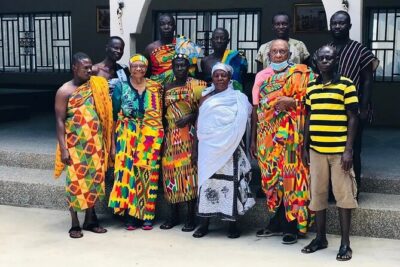 ★ 4.5Naming Ceremony and Heritage Homecoming Experience for DiasporasFrom $26515 reviews
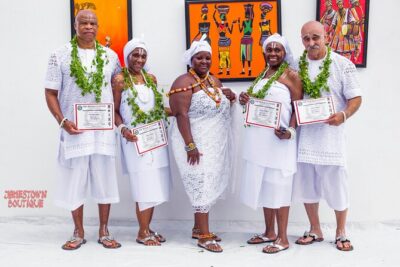 ★ 5.0Traditional Naming Ceremony and Boat Cruise ExperienceFrom $22015 reviews
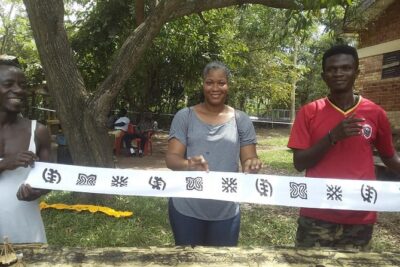 ★ 5.0Kumasi Heritage Tours And Naming Ceremony In A DayFrom $25611 reviews
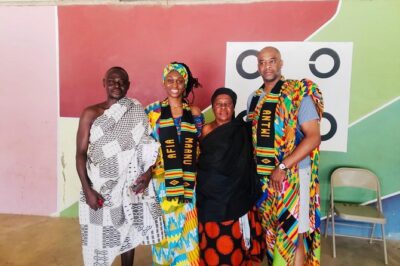 ★ 5.0Traditional naming ceremony For African Diasporas in KumasiFrom $17510 reviews
Browse the lists this tour appears in