
REVIEW · ASHANTI KINGDOM & KUMASI TOURS
Lake Bosomtwe Boat Cruisely and Kumasi City Tours
Meteor lake and horses in one Kumasi morning. This Lake Bosomtwe boat cruise paired with horseback riding is a fun break from straight museum days, and the guide keeps the focus on what makes the place feel real, not scripted. I especially like how the day ties the lake’s meteor-impact story to Ashanti culture stops around Kumasi, and you also get a private tour format so the pace can stay calm. One thing to keep in mind is that the full itinerary depends on smooth coordination, and the horseback-riding portion may not always go exactly as planned if timing slips.
The other big win for me is practical comfort: you get air-conditioned transfers from Kumasi and lunch included, so you are not stuck doing a long day on empty stomach and bad heat management. The day also benefits from a guide who can connect places like the Manhyia Palace Museum rooms and the sword site meaningfully, with names you can actually remember (like Bilson). Still, plan for an early start and some buffer time, because tight schedules can stretch in the real world.
In This Review
- Key Things I’d Plan For
- Lake Bosomtwe Boat Cruise: Meteor Lake, Village Life, and Big Water Views
- Green Ranch Horse Riding: A Real Animal Experience, Not Just a Photo Stop
- Manhyia Palace Museum: Ashanti Royal Power, Told Room by Room
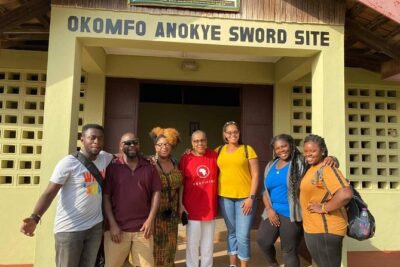
- Okomfo Anokye Sword Site: The Golden Stool Story in One Exact Spot
- Prempeh II Museum: Artifacts That Explain How Power Lived
- Kejetia Market in Kumasi: Tin Roofs, Thousands of Stalls, and Real Trade
- Price and Logistics: Is $185 Good Value for This Long Day?
- When the Schedule Tightens: How to Protect Your Day
- Who This Tour Fits Best
- Should You Book Lake Bosomtwe Boat Cruisely and Kumasi City Tours?
- FAQ
- How long is the Lake Bosomtwe boat and Kumasi city tour?
- What time does the tour start?
- Is pickup included?
- Is lunch included?
- What attractions are included in the itinerary?
- Is the tour private?
- Are entrance fees included?
- What is included in the price?
- What is not included?
- What if weather is bad?
Key Things I’d Plan For
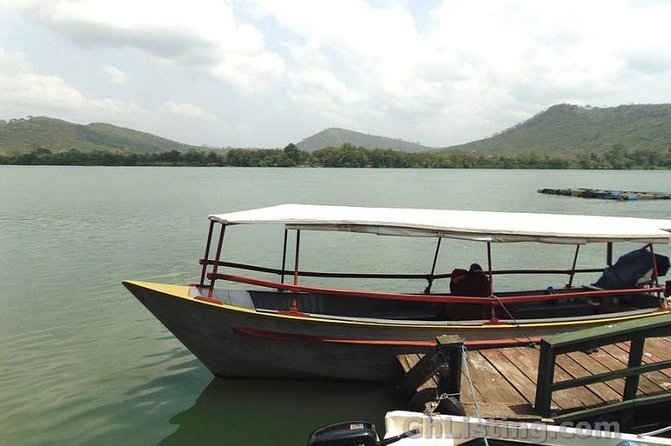
- A guided Lake Bosomtwe boat tour with local context so you understand the meteor-impact origin and why fishing and farming villages matter on the water
- Horseback riding at a partner stable like Green Ranch, which can be affected by morning timing
- A full Ashanti culture loop in one day, hitting Manhyia Palace Museum, the Okomfo Anokye Sword Site, and Prempeh II Museum
- Kejetia Market on foot, where the scale hits fast, with thousands of stalls and serious everyday energy
- Lunch and entrance fees included, which makes the $185 price easier to feel in your pocket
More of Kumasi and the Ashanti towns around it
- Bonwire Namimg Ceremony and Kente Tourist Center★ 5.0 · 40 reviews
- Traditional naming ceremony For African Diasporas in Kumasi★ 5.0 · 10 reviews
- Kumasi City Tour★ 5.0 · 8 reviews
- Kumasi City Tour★ 4.5 · 7 reviews
Lake Bosomtwe Boat Cruise: Meteor Lake, Village Life, and Big Water Views
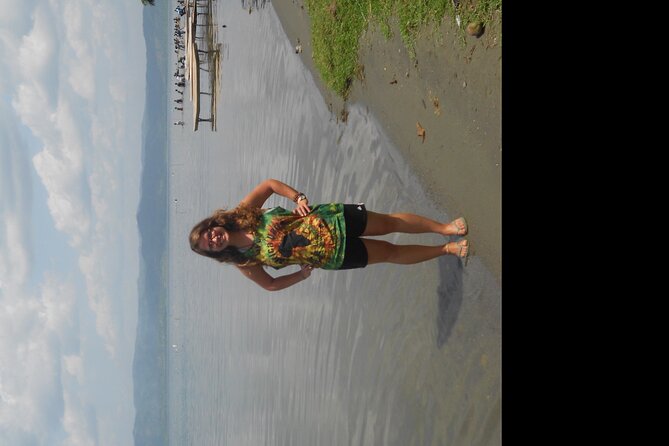
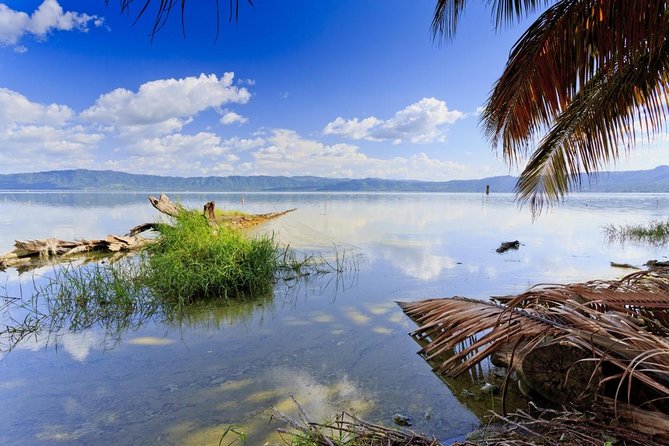
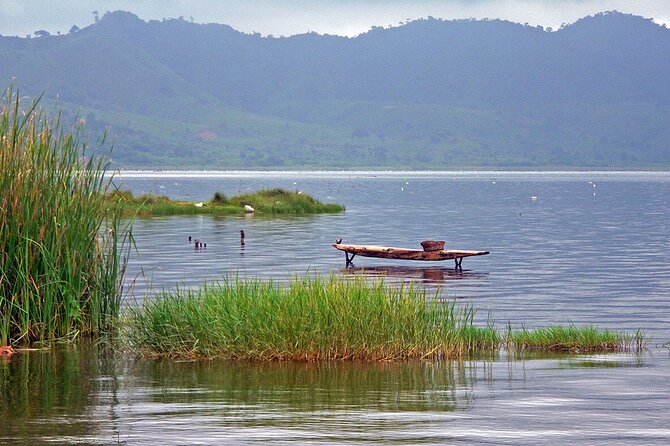
Lake Bosomtwe is one of those Ghana stops that sounds mythic until your guide puts it into a clear story. The lake is tied to a meteor impact that happened around a million years ago, and that origin shows up in the way people talk about the water as a special kind of place. You will hear both the scientific idea behind the impact and oral tradition, including a story about a hunter, an injured antelope, and why the place carries a name connected to the antelope god.
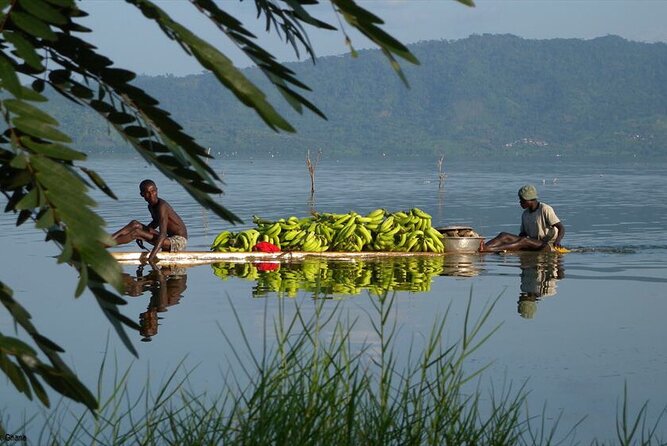
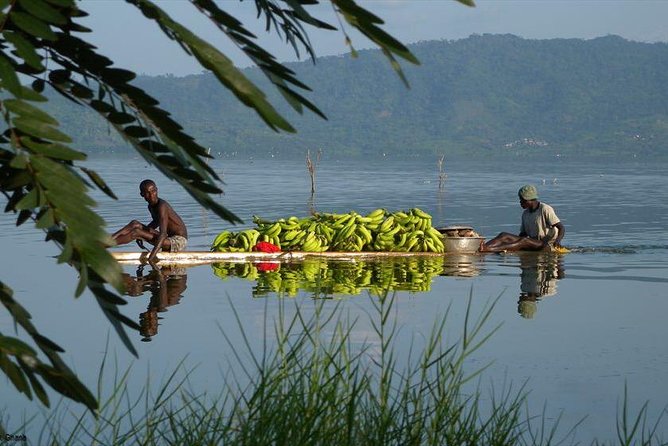
On the boat, the goal is not just sightseeing. Your local guide explains what you are seeing: the steep sides covered with trees and bushes, and the way settlements around the lake often connect to fishing and farming. If the crew takes you on a larger loop, you may get a broader sense of the lake’s shape and the calmer rhythm of the water, which is exactly what makes the trip feel like a reset day.
What I like about this portion for you is that it works on multiple levels. It is relaxing time on the water, but it is also a guided lesson in how place-based stories shape local identity. You do not need to be a geology nerd or a history buff to enjoy it, because the guide keeps it readable and practical.
A small consideration: boat time is weather-sensitive. On days with poor conditions, plans can change, so I would take the day’s start time seriously and keep an eye on what your guide says about water conditions.
Green Ranch Horse Riding: A Real Animal Experience, Not Just a Photo Stop
The day adds horseback riding after the lake. The tour description frames it as a visit to a local horse stable, and in practice, a partner like Green Ranch shows up in the day’s flow. Expect it to be more hands-on than you might get from a quick tourist ride. The guide approach is meant to keep you oriented, so you are not just sitting there hoping nothing goes wrong.
If you are traveling with kids, this part of the day is often where the energy jumps. Some people enjoy the lake time afterward too, because the mood can turn playful near the water. Still, treat swimming or jumping as optional and condition-based, and follow whatever instructions the crew gives you.
For first-timers, this is the kind of activity where it helps to be mentally flexible. Even if the horse stable is ready, the day’s timing can affect whether you get the full riding segment as intended. If you care a lot about horse time, build in patience and ask your guide directly, early, whether the riding schedule is locked in.
Manhyia Palace Museum: Ashanti Royal Power, Told Room by Room
After the lake and riding, the day shifts into Ashanti culture and museum time, and Manhyia Palace Museum is a major reason this tour works. You will start with a video that gives a clean overview of Ashanti history, then step into rooms with original artifacts. This is not a museum where you have to guess what you are looking at. The guide explains the significance as you move through spaces.
Two details that matter for your experience:
- You will hear about figures like Yaa Asantewaa, the war queen, and how her story fits into the bigger Ashanti narrative.
- You will be shown the idea of the current king sitting on the stool, which helps explain the role of stools as symbols of authority and continuity.
The practical upside is pacing. Museum stops can turn tiring, but the guide-led structure plus short blocks of time makes it easier to stay engaged. Also, because the tour is built with transport and lunch, you are not constantly hunting for your next meal or wondering how to get from one site to the next.
If you want something more than surface-level “see the palace” sightseeing, this is one of the best stops in the day.
Okomfo Anokye Sword Site: The Golden Stool Story in One Exact Spot

This stop is the kind of place where the details help you understand why people treat it as sacred ground. Your guide tells the beginning of the Ashanti nation story, including the moment when the Golden stool is believed to have descended into the laps of King Osei Tutu I. Then you visit the site where the sword is said to have been driven into the ground by Okomfo Anokye, the chief priest.
What makes this worth your time is the specificity. Your guide points to the exact place tied to the legend, and the story includes the belief that no one would be able to remove the sword, even after attempts. The result is a feeling of continuity: the legend is not floating in space, it is anchored in a location.
There is also a fun global connection mentioned on-site: Muhammad Ali is brought up as an example of the wider world’s curiosity about the story.
Even if you do not care about legendary history in general, I think the main value here is how it shows Ashanti belief systems in a concrete way. It is easier to grasp the culture when you see how people attach meaning to places.
Prempeh II Museum: Artifacts That Explain How Power Lived
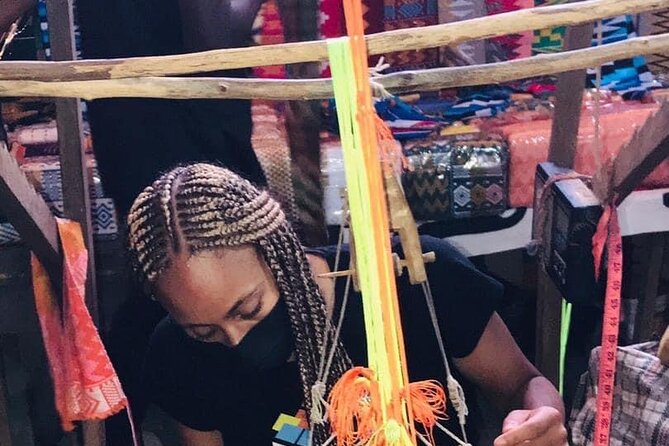
Prempeh II Museum takes the day from big nation legends into personal, everyday-to-ceremonial details. The display list you get access to is unusually specific: you will see artifacts connected to King Prempeh II, including war attire, ceremonial clothing, jewelry, protective amulets, and personal equipment for bathing and dining. There are also items tied to royal insignia and even furniture.
One of the most interesting elements is that the museum is described as having been constructed to assemble an Ashanti chiefs house. That means you are not only looking at objects behind glass, you are getting a sense of space and arrangement, which helps the artifacts feel less like random souvenirs and more like lived context.
For you, this is a strong stop if you want the day to be more than a checklist. It is the difference between hearing a story and seeing how symbols worked in real life.

Kejetia Market in Kumasi: Tin Roofs, Thousands of Stalls, and Real Trade
Kejetia Market is a different kind of experience. You will walk around and see the market central area with a guide who helps you read what you are seeing. From afar, people describe Kejetia like an alien mothership, and up close, the scale becomes the point: rusting tin roofs, a circular layout that can feel like a shanty town, and a constant flow of activity.
The numbers help you understand the intensity. The market is often cited as the largest in West Africa, with around 11,000 stalls and at least four times as many people working within it. Inside, it can feel disorienting at first, but that confusion is part of the charm if you keep your eyes on your guide and your surroundings.
What I like for you is that this is not just wandering. A guided walk gives you handles to grasp what market life means in Kumasi, how items move, and how everyday trade connects to the wider city rhythm.
Comfort tip: Kejetia is active and crowded, so wear shoes you trust. Keep your pace steady, and plan to stay close to the guide.
Price and Logistics: Is $185 Good Value for This Long Day?
At $185 per person, this is not a bargain-basement excursion, but it can be fair value for what is packed into the day. You are paying for:
- Round-trip transfers in an air-conditioned vehicle from Kumasi
- Lunch included
- Entrance fees included
- Tour guiding service
- Bottle water
- A private tour format
For many visitors, the value question is really about whether the day feels like it flows. When it does, you get boat time on Lake Bosomtwe, riding at a stable, and multiple Ashanti culture stops, plus Kejetia Market. That is a lot for one half-day-adjacent schedule.
The tradeoff is timing. One issue raised around scheduling is that the order of activities can get disrupted when partners are not aligned on the morning plan. There is also a report where horse riding did not happen because the stable portion was canceled after the group arrived later than expected. Even though that is not the guaranteed outcome, it is a reminder to treat the day like a coordinated production, not a solo adventure you can fix on the fly.
If you choose this tour, my advice is to confirm the day’s time plan the moment you book and again the morning of the tour. Then give yourself a little flexibility in your own schedule that day, so if timing shifts, you do not end up stressed.
When the Schedule Tightens: How to Protect Your Day
This is the part people often learn the hard way, so I am saying it up front. The tour starts early, listed at 7:00 am, and the total time is about 6 to 7 hours. Early starts can be fine, but only if pick-up and handoffs between partners are smooth.
To protect your experience:
- Be ready before the scheduled pick-up time, with your phone charged
- Ask your guide to confirm the exact sequence for that day, lake first then horses then museums and market
- Keep your expectations realistic if the horseback riding partner needs time or if the lake conditions affect boat timing
I also recommend treating the experience as two parts: the lake and museums are the anchors, and the horseback riding is a bonus that depends on the morning tempo.
Who This Tour Fits Best
This tour is a strong match if you want a single day that mixes nature, animals, and Ashanti culture without bouncing around independently. It fits well for:
- Families who want a relaxed lake segment plus something energetic like riding
- People who like guided explanations tied to specific locations, not generic museum wandering
- Anyone who values convenience, since transfers, lunch, and entrance fees are handled
It may be less ideal if you have a very strict schedule later in the day or if you are the type who needs every activity to start exactly on time no matter what.
Should You Book Lake Bosomtwe Boat Cruisely and Kumasi City Tours?
I would book it if your priority is variety with guidance, and you are excited about Lake Bosomtwe’s meteor-impact story plus Ashanti cultural sites that name the people and places involved. The private format, included lunch, and air-conditioned transport make it feel considerate, and Manhyia Palace Museum plus Okomfo Anokye Sword Site give you meaning you can carry home.
I would pause and ask more questions before booking if horseback riding is your absolute must-do. Because the day depends on coordination, you want to know what backup plan exists if a stable partner cannot run the riding segment on time.
If you handle that with flexibility, this is a solid way to spend a day in Kumasi that feels both grounded and story-rich, with a lake reset that most city-only tours cannot match.
FAQ
How long is the Lake Bosomtwe boat and Kumasi city tour?
The tour duration is listed as about 6 to 7 hours.
What time does the tour start?
The start time is 7:00 am.
Is pickup included?
Yes. Pickup is offered, and round-trip transfers from Kumasi in an air-conditioned vehicle are included.
Is lunch included?
Yes. Lunch is included in the tour price.
What attractions are included in the itinerary?
The day includes a boat visit to Lake Bosomtwe, Manhyia Palace Museum, the Okomfo Anokye Sword Site, Prempeh II Museum, and Kejetia Market.
Is the tour private?
Yes. This is a private tour/activity, and only your group will participate.
Are entrance fees included?
Yes. Entrance fees are included.
What is included in the price?
The included items list includes an air-conditioned car, fuel surcharge, bottled water, entrance fees, lunch, and tour guiding service.
What is not included?
The listing says that items you buy yourself are not included.
What if weather is bad?
The experience requires good weather. If it is canceled due to poor weather, you will be offered a different date or a full refund.
A Wider Spread of Ghana Tours
- Tour Kumasi City Like a Local
★ 4.5 · 34 reviews - Kumasi City Tour
★ 5.0 · 8 reviews - Kumasi City Tour
★ 4.5 · 7 reviews - One day tour at Kumasi
★ 5.0 · 6 reviews - Full Day Tour with Traditional Naming Ceremony in Kumasi
★ 5.0 · 4 reviews
More Ghana Tours Out of the Review Pile
- Bonwire Namimg Ceremony and Kente Tourist Center
★ 5.0 · 40 reviews - Tour Kumasi City Like a Local
★ 4.5 · 34 reviews - Traditional naming ceremony For African Diasporas in Kumasi
★ 5.0 · 10 reviews - Kumasi City Tour
★ 5.0 · 8 reviews - Kumasi City Tour
★ 4.5 · 7 reviews
Deeper into Ashanti
- Bonwire Namimg Ceremony and Kente Tourist Center
★ 5.0 · 40 reviews - Tour Kumasi City Like a Local
★ 4.5 · 34 reviews - Traditional naming ceremony For African Diasporas in Kumasi
★ 5.0 · 10 reviews - Kumasi City Tour
★ 5.0 · 8 reviews - Kumasi City Tour
★ 4.5 · 7 reviews
Latest Kumasi reviews added here


Ashanti Kingdom & Kumasi Tours, compared.
 ★ 5.0Bonwire Namimg Ceremony and Kente Tourist CenterFrom $18040 reviews
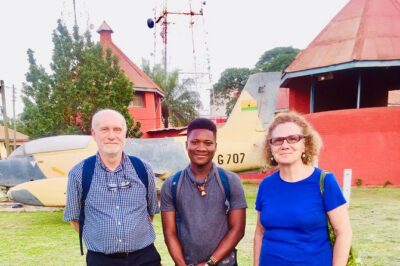 ★ 4.5Tour Kumasi City Like a LocalFrom $8034 reviews
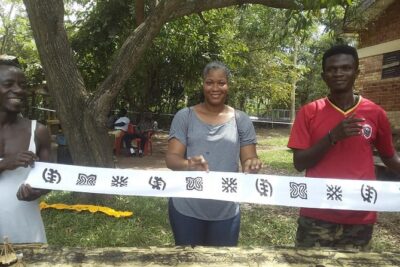 ★ 5.0Kumasi Heritage Tours And Naming Ceremony In A DayFrom $25611 reviews
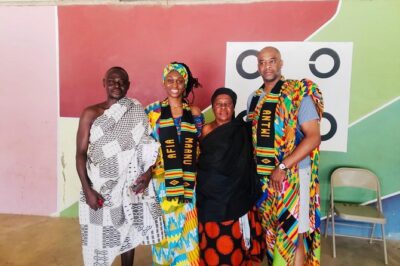 ★ 5.0Traditional naming ceremony For African Diasporas in KumasiFrom $17510 reviews
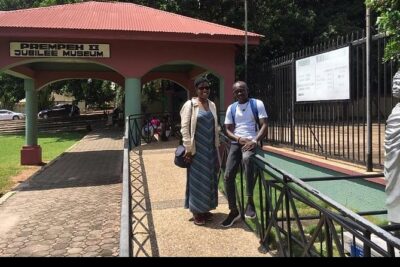 ★ 5.0Kumasi City TourFrom $608 reviews
 ★ 5.0Full-Day Tour to Ashanti Region, Kumasi and Ghanaian HistoryFrom $2808 reviews
★ 4.5Kumasi City TourFrom $517 reviews
★ 5.0Full-Day Tour to Ashanti Region, Kumasi and Ghanaian HistoryFrom $2808 reviews
★ 4.5Kumasi City TourFrom $517 reviews
 ★ 5.0One day tour at KumasiFrom $1306 reviews
Browse the lists this tour appears in