
REVIEW · ASHANTI KINGDOM & KUMASI TOURS
Kumasi: City Tour
Kumasi feels like a living history lesson, especially when you start at Manhyia Palace and get context before Kejetia Market. I like this tour because it strings together the Ashanti kingdom story in the same morning you see the city at work, and the live guide, including Ibrahim, helps the details click. One thing to consider is that this is a walking loop through busy areas for about five hours, so comfortable shoes matter, and the tour is not suitable for people with mobility impairments or pregnant women.
For $70 per person, you get entry tickets to all stops plus all taxes, which keeps the budget straightforward. It is a private group with an English-speaking guide, but hotel pickup is not included and food and drinks are not part of the price, so plan a simple start and bring water.
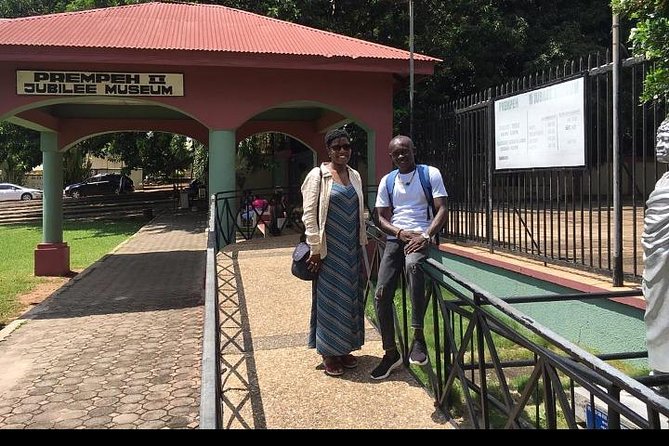
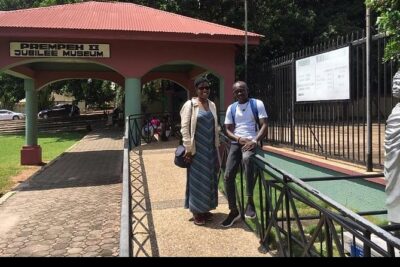
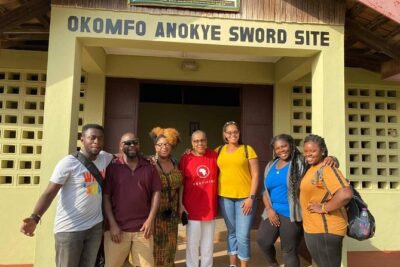
You’ll begin at the Manhyia Palace area, then move through the market and business lanes, continue to the Okomfo Anokye Sword site, and finish with creative arts at the Cultural Center and historical artifacts at the Prempeh Museum.
In This Review
- Key highlights you will notice
- Starting at Manhyia Palace and getting the Ashanti storyline straight
- Walking through Kejetia Market, West Africa’s big open-air center
- The Okomfo Anokye Sword site and the explanations that make it meaningful
- Cultural Center arts and crafts, where you can see local creativity at work
- Prempeh Museum, ancient Ashanti life told through objects
- Price and what $70 per person gets you (and what it does not)
- Timing, meeting point, and what to bring for a smooth five hours
- Who this Kumasi city tour is best for
- Should you book this Kumasi: City Tour?
- FAQ
- What is the duration of the Kumasi City Tour?
- Where do I meet for the tour?
- Is hotel pickup included?
- What is included in the price?
- Are food and drinks included?
- Does the tour have an English-speaking guide?
- Is this a private tour?
- Is the tour suitable for people with mobility impairments or pregnant women?
- What should I bring?
Key highlights you will notice
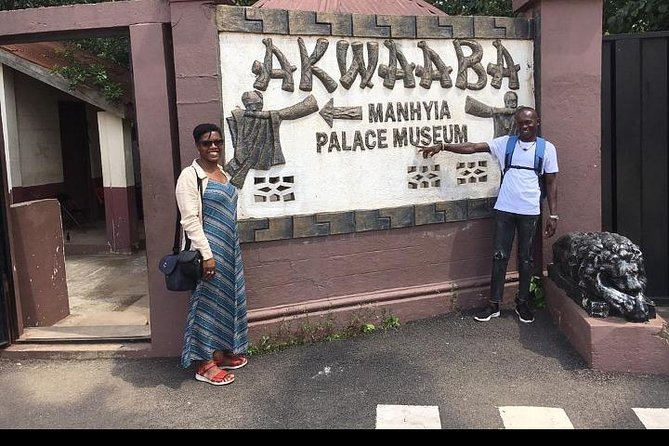
- Manhyia Palace sets the Ashanti context before you step into the market and street life.
- Kejetia Market is huge and it is one of the best places to understand how Kumasi works day to day.
- Okomfo Anokye Sword site is treated like a mystery with explanations that your guide helps you make sense of.
- Cultural Center art shows real making, not just finished souvenirs.
- Prempeh Museum grounds the story with objects and details about how Ashanti people lived.
- Private group pace with an English guide keeps questions easy and the visit more personal.
More of Kumasi and the Ashanti towns around it
- Bonwire Namimg Ceremony and Kente Tourist Center★ 5.0 · 40 reviews
- Traditional naming ceremony For African Diasporas in Kumasi★ 5.0 · 10 reviews
- Kumasi City Tour★ 5.0 · 8 reviews
- Kumasi City Tour★ 4.5 · 7 reviews
Starting at Manhyia Palace and getting the Ashanti storyline straight
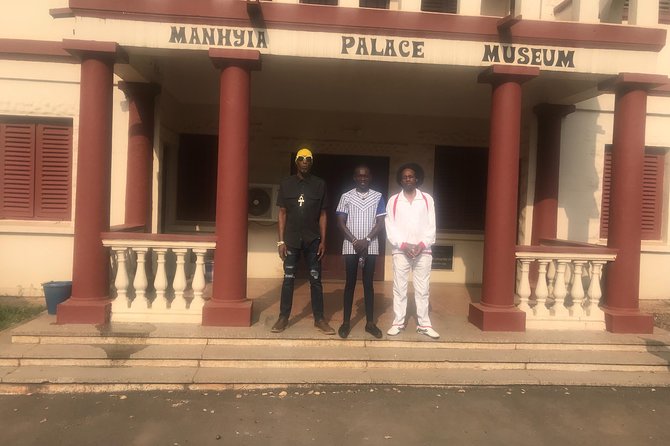
Most half-day tours in cities like Kumasi rush you into crowds first. This one starts with the Ashanti kingdom’s seat, the Manhyia Palace, which makes the rest of the morning easier to follow. You get a clear baseline for what you are looking at, so when you later visit sites tied to Ashanti identity, it feels connected instead of random.
This is also the best time to ask basic questions. Why these places matter. What the different parts of the day represent. How the kingdom story connects to everyday life in Kumasi. If your guide is Ibrahim, you may notice a very friendly, helpful way of linking the facts to the scenes around you.
Practical tip: build your energy early. Wear shoes you can stand in, and keep your phone charged, because the palace stop gives you a good sense of place before the market gets crowded.
Walking through Kejetia Market, West Africa’s big open-air center
After the palace, you move on foot into Kejetia, with time to stroll the biggest open market in West Africa and the central business area around it. This is where Kumasi stops being a map location and becomes a living place with motion, trade, and constant small decisions by shoppers and sellers.
What I like here is that the tour does not treat the market like a quick photo stop. You walk through, and your guide helps you understand what you are seeing rather than leaving you to guess. That matters because markets are layered. One lane might feel different from another, and the best way to enjoy it is with guidance that points out what is worth noticing.
Possible drawback: the market environment can feel intense, even when everyone is friendly. If you get overwhelmed in busy spaces, take it slow. Keep water handy. Pause when you need to, because rushing can turn the experience into stress.
The Okomfo Anokye Sword site and the explanations that make it meaningful
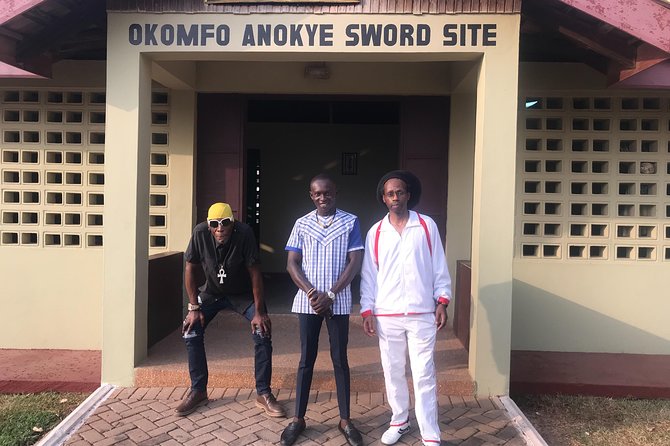
Then comes one of the most talked-about stops in Kumasi, the Okomfo Anokye Sword site. The tour focuses on the mystery behind the sword location, and the value is not just seeing the spot. It is hearing the reasoning and the cultural connections your guide shares so the place feels anchored in Ashanti tradition.
This stop works well in a half-day format because it shifts you from the noise of market life to a site where people come for story, meaning, and belief. You get a different pace for a moment, and that contrast makes the overall tour feel balanced.
One way to get more out of this part is to listen for how your guide frames the site. You do not need to have any background in advance. The best outcome is that you leave with a clearer sense of why people connect this location to Ashanti history and identity.
Cultural Center arts and crafts, where you can see local creativity at work
Next, you head to the Cultural Center to admire art works by local artisans. This is a nice mid-tour reset, because it slows down the pace from walking and negotiating through crowd energy. Instead, you focus on making, design, and craft details.
I love this kind of stop because it gives you something tangible to bring home, even if you do not buy anything. You can look closely at how pieces are made, how patterns are chosen, and how materials shape the final look. When you are in a place like Kumasi, where cultural identity shows up across many daily scenes, this stop helps you connect the dots.
Small consideration: crafts and art spaces can sometimes move faster if the schedule is tight. If you want to linger at specific pieces, let your guide know early so they can manage the group pace.
Prempeh Museum, ancient Ashanti life told through objects
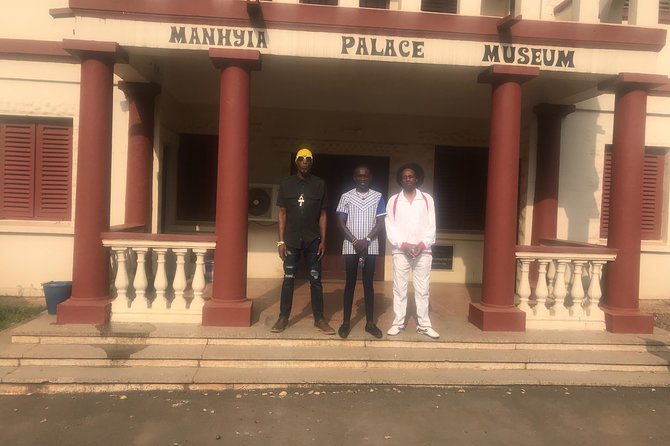
The tour ends at the Prempeh Museum, which is the calm, thoughtful closer. Here you learn more about ancient ways and how people of the Ashanti kingdom lived. Unlike a market, where you absorb the city through movement, the museum invites you to read the past through objects and displays.
What makes the Prempeh Museum stop especially useful is that it gives your morning a “why.” After seeing palace authority, market daily exchange, and the cultural significance of key sites, the museum helps you translate all of that into everyday life and historical continuity. It is the kind of endpoint that makes the earlier stops feel less like separate highlights and more like a single story.
If you are the type who likes to connect what you see with broader context, this museum finish is a strong match. It is also a good way to cool down your brain after several active locations.
City runs in other Ghanaian towns

Price and what $70 per person gets you (and what it does not)
$70 for a five-hour private tour is not just a ticket price. The practical value is what is included: entry tickets to all sites and all taxes. That is money you would otherwise spend on individual admissions across multiple stops, plus the time cost of figuring out ticketing rules.
So the question is not whether $70 is cheap. The real question is whether you want a guided, ordered route through several key Ashanti-focused locations. If yes, this price makes sense because it bundles admissions into a single plan and keeps the visits structured.
What is not included is also important. Hotel pickup is listed as not included, and food and drinks are not part of the price. That means you should plan to eat or snack before you go, then budget for a drink during the tour. Since you are asked to bring water anyway, treat that as your baseline.
Timing, meeting point, and what to bring for a smooth five hours
You can meet at the Manhyia Palace central meeting point, or you may have pickup from your destination. Since hotel pickup is not included in the listed price, I suggest you plan your day assuming you will go to the Manhyia Palace meeting area rather than relying on pickup.
The duration is five hours. That is enough time to cover several areas without turning it into a full travel-day grind. But it also means there is limited space for long detours or extended resting stops.
Bring what the tour asks for:
- Water
- Passport or ID card
- Comfortable shoes
You might want a small crossbody bag or wallet that stays easy to manage in the market. You will be walking and you may want quick access to your ID if needed.
Who this Kumasi city tour is best for
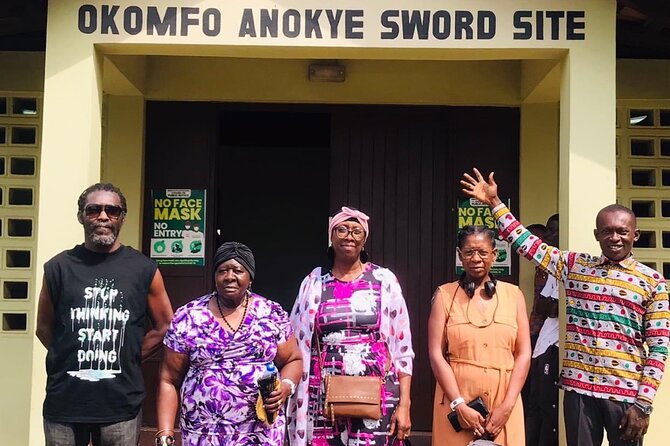
This is a smart choice if you want a focused Ashanti-and-Kumasi overview in one morning. I think it works best for people who like guided context, not just sightseeing, and for anyone who wants to move between palace life, market reality, cultural art, and museum storytelling without planning each stop separately.
It is also a good fit for a private group because questions come up naturally, and the pace can stay tied to your interests. In the reviews, guides like Ibrahim and Prussia are praised for being friendly and helpful, which matters because these stops depend on explanation, not just location.
Avoid it if you are pregnant, or if you have mobility impairments, since the route includes walking through busy areas.
Should you book this Kumasi: City Tour?
Book it if you want a structured, half-day Kumasi experience that connects Ashanti culture to the actual city scenes you can see on the ground. The best reason is the flow, palace context first, Kejetia market second, the Okomfo Anokye Sword site next, then arts at the Cultural Center and historical depth at the Prempeh Museum.
Skip or rethink if you need lots of seated time, have limited walking ability, or do not want to handle a busy market environment. Also factor in that food and drinks are not included, so arrive ready to snack and drink.
If you are looking for value, this tour has a clear advantage: entry tickets and taxes are included, and you are getting a full route guided in English.
FAQ
What is the duration of the Kumasi City Tour?
The tour lasts 5 hours.
Where do I meet for the tour?
The central meeting point is the Manhyia Palace, or you may have pickup from your destination.
Is hotel pickup included?
No. Hotel pickup is listed as not included.
What is included in the price?
Entry tickets to all sites and all taxes are included.
Are food and drinks included?
No. Food and drinks are not included.
Does the tour have an English-speaking guide?
Yes. The tour includes a live tour guide in English.
Is this a private tour?
Yes. It is a private group.
Is the tour suitable for people with mobility impairments or pregnant women?
No. It is not suitable for pregnant women or people with mobility impairments.
What should I bring?
Bring water, a passport or ID card, and comfortable shoes.
A Wider Spread of Ghana Tours
- Tour Kumasi City Like a Local
★ 4.5 · 34 reviews - Kumasi City Tour
★ 5.0 · 8 reviews - Kumasi City Tour
★ 4.5 · 7 reviews - Lake Bosomtwe Boat Cruisely and Kumasi City Tours
★ 4.5 · 6 reviews - One day tour at Kumasi
★ 5.0 · 6 reviews
More Ghana Tours Out of the Review Pile
- Bonwire Namimg Ceremony and Kente Tourist Center
★ 5.0 · 40 reviews - Tour Kumasi City Like a Local
★ 4.5 · 34 reviews - Traditional naming ceremony For African Diasporas in Kumasi
★ 5.0 · 10 reviews - Kumasi City Tour
★ 5.0 · 8 reviews - Kumasi City Tour
★ 4.5 · 7 reviews
Deeper into Ashanti
- Bonwire Namimg Ceremony and Kente Tourist Center
★ 5.0 · 40 reviews - Tour Kumasi City Like a Local
★ 4.5 · 34 reviews - Traditional naming ceremony For African Diasporas in Kumasi
★ 5.0 · 10 reviews - Kumasi City Tour
★ 5.0 · 8 reviews - Kumasi City Tour
★ 4.5 · 7 reviews
Latest Kumasi reviews added here




Ashanti Kingdom & Kumasi Tours, compared.
 ★ 5.0Bonwire Namimg Ceremony and Kente Tourist CenterFrom $18040 reviews
 ★ 4.5Tour Kumasi City Like a LocalFrom $8034 reviews
 ★ 5.0Kumasi Heritage Tours And Naming Ceremony In A DayFrom $25611 reviews
 ★ 5.0Traditional naming ceremony For African Diasporas in KumasiFrom $17510 reviews
 ★ 5.0Kumasi City TourFrom $608 reviews
 ★ 5.0Full-Day Tour to Ashanti Region, Kumasi and Ghanaian HistoryFrom $2808 reviews
★ 4.5Kumasi City TourFrom $517 reviews
★ 5.0Full-Day Tour to Ashanti Region, Kumasi and Ghanaian HistoryFrom $2808 reviews
★ 4.5Kumasi City TourFrom $517 reviews
 ★ 5.0One day tour at KumasiFrom $1306 reviews
Browse the lists this tour appears in