
REVIEW · ASHANTI KINGDOM & KUMASI TOURS
Full-Day Tour to Ashanti Region, Kumasi and Ghanaian History
Kumasi history hits fast. This full-day tour strings together major Ashanti sites and hands-on craft stops, so you get context for the Kingdom, then see the art made by people who still do it the traditional way. I especially like the way Manhyia Palace Museum frames Ashanti culture through time, not just tourist photos.
Two things I love: first, the hands-on Kente and Adinkra experience (not just watching from the sidelines). Second, the guides, including Daniel, who are sharp on explaining how the past still shapes everyday Kumasi life, and also help you bargain without feeling lost in the chaos of shopping.
The main drawback is the sheer length of the day. It runs about 12 to 16 hours, and Kumasi is roughly a 6-hour drive from Accra, so you’ll want comfortable shoes and a plan for staying patient.
In This Review
- Key highlights to know before you go
- Kumasi in one day, why the long drive can still be worth it
- Manhyia Palace Museum: seeing Ashanti culture through artifacts and film
- Okomfo Anokye Sword Site: legend you can still point at
- Kejetia Market: the big West Africa market, minus the guessing game
- Center for National Culture: where crafts are made, not just sold
- Bonwire Kente Weaving Centre: learning the thread-to-cloth process
- Ntonso Adinkra Village: make adinkra banners the traditional way
- Prempeh II Jubilee Museum and Fort Kumasi: power, memory, and colonial lines
- Lake Bosomtwe: rain forest vibes, mountain views, and optional water time
- Price and value: what $280 buys you, and what to budget for
- Who this tour is best for, and who should pick something else
- Should you book this Kumasi Ashanti full-day tour?
- FAQ
- How long is the full-day Ashanti region, Kumasi tour?
- What is the price per person?
- Where does the tour start, and is pickup offered?
- Is this a private tour or a shared group?
- What craft experiences are included?
- What can I do at Lake Bosomtwe?
- Which museum and historical sites are included?
- What is the cancellation policy?
Key highlights to know before you go
- Ashanti Kingdom landmarks in one day: Manhyia Palace, the Okomfo Anokye Sword Site, and more key stops around Kumasi
- Kente basics from the source: Bonwire or Adanwomase Kente Village, with weaving explained start to finish
- Adinkra making at Ntonso: you can create banners of your choice, and it’s made locally from scratch
- Kejetia Market with real guidance: sections are organized, and your guide helps you find what you want
- Craft center demos plus shopping help: you can watch artisans work and get negotiation support
- Lake Bosomtwe reset time: mountain views, optional boat cruise, and optional horse rides
More of Kumasi and the Ashanti towns around it
- Kumasi Heritage Tours And Naming Ceremony In A Day★ 5.0 · 11 reviews
- 4 Days Trip in Accra, Cape Coast,Kumasi culture & heritage tours★ 5.0 · 5 reviews
- Experience the Culture of Ashanti Kingdom in 5days★ 5.0 · 3 reviews
Kumasi in one day, why the long drive can still be worth it
This tour is built for people who want Kumasi now, not later. You’re leaving Accra and spending a big chunk of the day moving between major cultural stops around Kumasi. The payoff is that you’re not piecing it together yourself, and you’re not guessing which sights actually connect to the bigger Ashanti story.
I like the pacing here because it mixes “explain first” with “show, then do.” You start with key historical grounding, then you move into craft production and shopping. That order matters, especially if you’re trying to understand what you’re seeing in places like the sword site and the palace.
Also, you’re not stuck with strangers in a huge crowd. This is a private tour for your group, and that usually makes it easier for your guide to adjust pace if someone needs slower walking or more time at a stop.
Manhyia Palace Museum: seeing Ashanti culture through artifacts and film
At Manhyia Palace Museum, you get a curated look at Ashanti life and Ghanaian cultural legacy, including what came before British colonization. It’s not just objects in glass. You’ll also see video presentations and key historical items that help connect daily culture to larger political history.
What I’d expect you to appreciate most is the framing. The museum is meant to commemorate the Ashanti people and their ancestry, so you’re not only consuming facts, you’re getting the cultural meaning behind them. If you care about understanding why Kumasi feels the way it does, this stop gives you the “why” before the “where.”
A practical tip: plan to take a few slow minutes here. The information is the kind you’ll remember longer if you don’t rush it.
Okomfo Anokye Sword Site: legend you can still point at
Then you move to a landmark tied to the beginning of the Ashanti Kingdom. The Okomfo Anokye Sword Site is on the grounds of the Komfo Anokye Teaching Hospital in Kumasi. The famous element is the over 300-year-old sword wedged into the rockface.
This matters because it’s not an abstract story. It’s protected as a historical landmark for future generations, so you can actually stand in the place where the legend is anchored. Your guide’s job here is to connect the site to Ashanti origins in a way that feels understandable, not like a lecture.
Timing-wise, you’re typically given about an hour. That’s enough to see the site, listen carefully, and ask questions. If you like to read later, take a moment to jot down the names and themes your guide uses, because those stick better than random trivia.
Kejetia Market: the big West Africa market, minus the guessing game
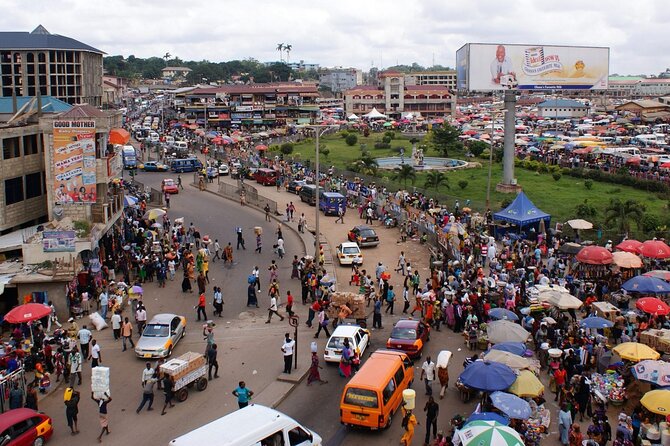
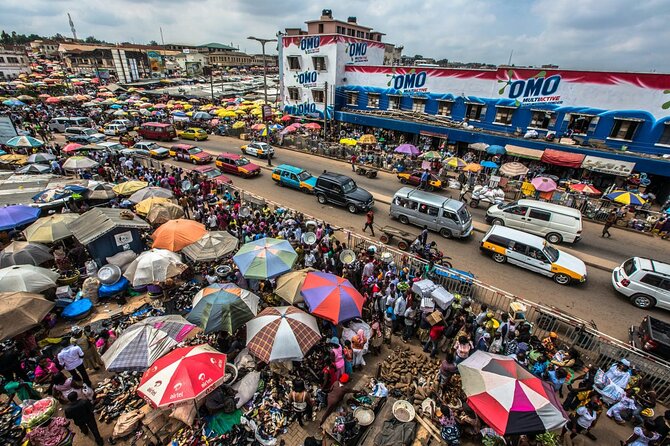
Kejetia Market is one of West Africa’s largest markets, and it’s also a sensory workout, in a good way. The refurbished market is divided into sections, so you don’t just wander endlessly hoping to stumble on what you want.
I love that your guide helps you navigate the structure. For example, if you go looking in food items and then want to compare beads or jewelry, you won’t waste your whole time lost between sections. In real markets like this, that guidance can be the difference between shopping and frustration.
What you can expect to find covers the things you’d expect in a busy regional hub: food, fabrics and footwear, gold and jewelry, pottery, household items, and handcrafts, plus oils, soaps, and spices. If you’re shopping for souvenirs, this is where the day becomes personal.
Two things to keep in mind:
- Wear shoes you can stand in.
- Bring your negotiation mindset. Your guide can support you, including getting better prices while keeping things respectful.
Center for National Culture: where crafts are made, not just sold
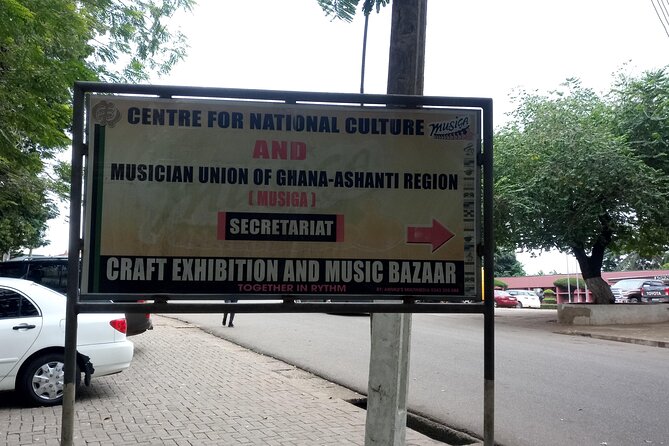
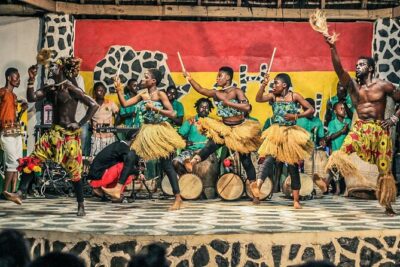
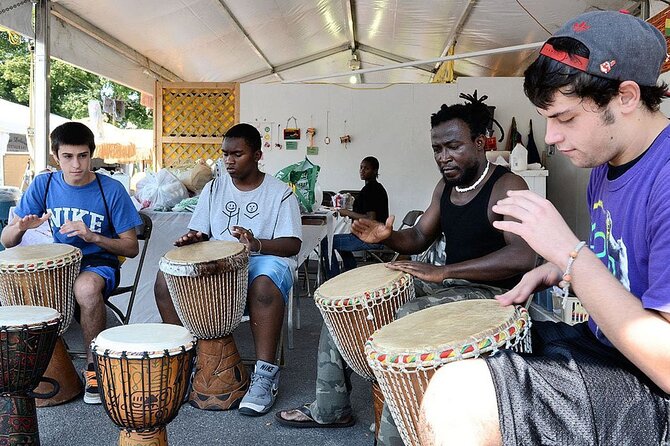
Next comes the Center for National Culture in Kumasi. This is where you see artisans working, not only products for sale. Depending on the day, you may watch traditional methods used to craft kente cloth, brass items, and pottery. There’s also the chance to try your ears and eyes on local drums.
Admission here is free, so it’s a smart stop if you’re trying to keep value high while still getting quality craft time. The neighboring gift shop sells items at reasonable prices, and your guide should help you with negotiation to reduce cost.
This is also a great place to ask questions you might hesitate to ask at a market. You can get a clearer sense of what different items take to make and why the materials and techniques matter.
If you want to buy something, don’t rush the first thing you see. Watch how artisans work, then shop with that context.
History-led days out across Ghana

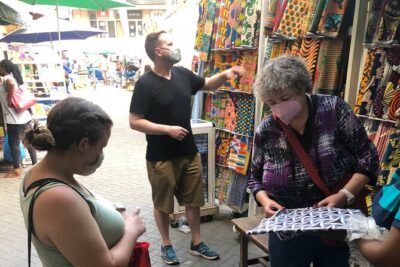
Bonwire Kente Weaving Centre: learning the thread-to-cloth process
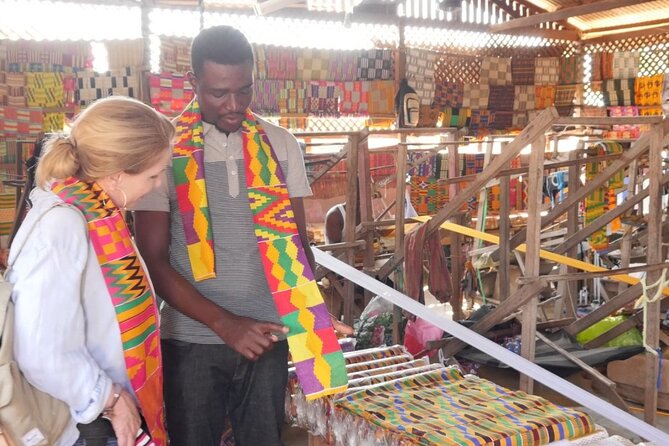
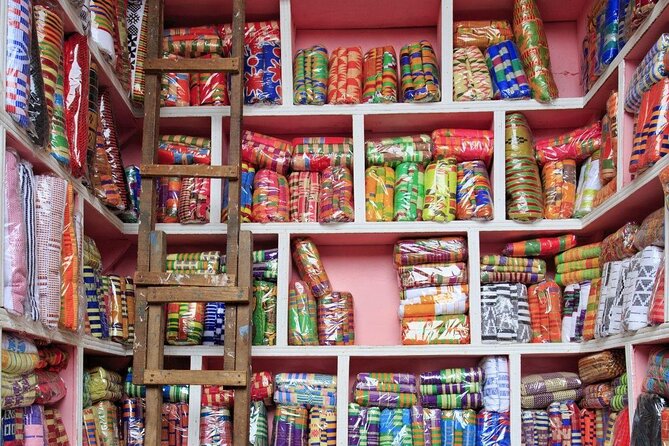
Bonwire is described as home of the famous Akan Kente cloth. One legend says two friends learned weaving by watching how a spider spun its web. Whether you treat that as folklore or inspiration, it sets the tone for what you’re doing here, learning how craft becomes cloth step by step.
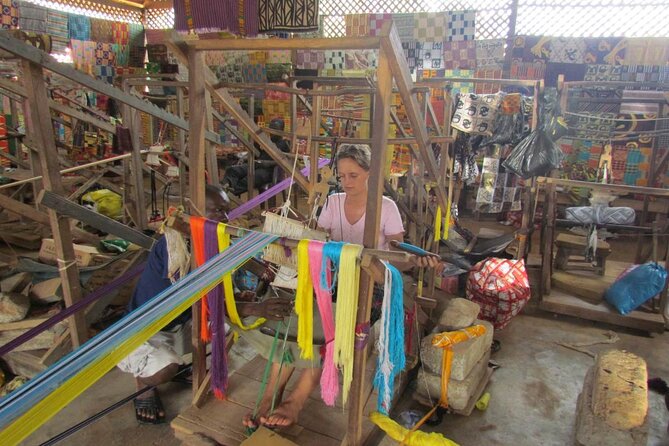
At the Bonwire Kente Weaving Centre, you should expect a guided walk-through from start to finish. That’s the real value: you’re not only buying a final product. You’re understanding the work that makes a piece “Kente” in the first place.
Plan for about two hours. That’s long enough to watch processes, ask questions, and still have time to shop if you want fabric or a finished piece.
If you’re choosing between Bonwire and Adanwomase Kente Village, the key idea stays the same: you’ll be learning from scratch how Kente cloth is made. So pick the option offered that fits your schedule best, then focus on taking notes on the techniques your guide points out.
Ntonso Adinkra Village: make adinkra banners the traditional way
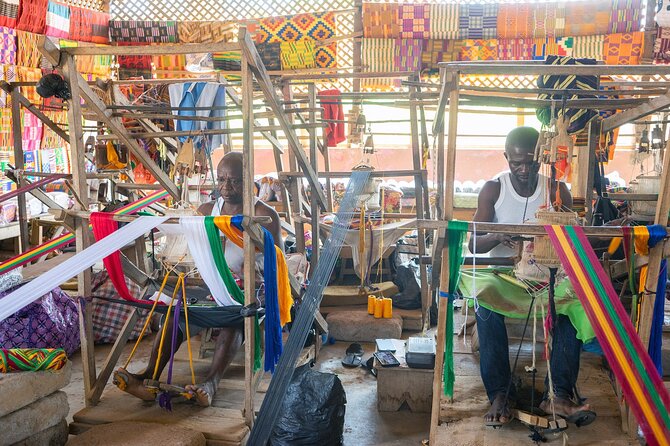
From Kente to Adinkra, this stop is built around creation. The tour includes a visit to Ntonso Adinkra Village, described as the only place in Ghana where traditional adinkra is made locally from scratch.
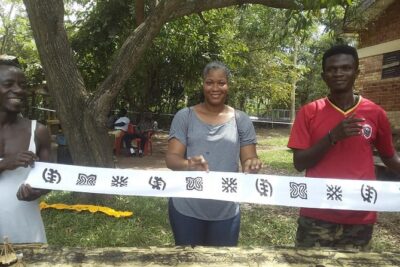
Here you can make adinkra banners of your choice and even clothes for you. The important part is that you’re not only observing. You’re participating in the design and making process.
This is the kind of experience that sticks because you leave with something you helped create, and with a story you actually understand. Adinkra designs usually have meaning tied to symbols and patterns, so it helps to think ahead about what you want your banner to represent. If your guide offers options, listen closely and choose designs you can explain later.
If you want the best results for photos, don’t just film the final product. Capture the making steps too. They look different when you know what each step is for.
Prempeh II Jubilee Museum and Fort Kumasi: power, memory, and colonial lines
A day in Kumasi that only covers legend would feel incomplete. This route also includes two additional “context stops” that help balance the story.
Prempeh II Jubilee Museum houses historic artifacts. It’s there to show material evidence of Ashanti life and leadership across time. If you like museums that feel like they’re explaining people, not only dates, this will likely land well.
Then there’s Fort Kumasi, Ghana’s only inland fort. The tour frames it as a military garrison from colonial rule. That matters because it shows the conflict between local authority and foreign control, something that helps explain why so many sites around Kumasi feel layered.
If you’re a history person, these two stops are where the day starts to make tight sense. If you’re not a history person, you can still enjoy them as proof that Kumasi isn’t one-note. It’s old, it’s political, and it’s personal.
Lake Bosomtwe: rain forest vibes, mountain views, and optional water time
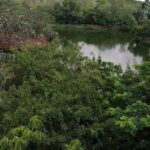
After all the city and craft stops, Lake Bosomtwe is the reset button. It’s described as the only natural lake in Ghana, and the area includes a natural rainforest setting.
From the mountains you can see the whole of Kumasi up above, including views from your car or bus. Then there’s optional time on the water with a boat cruise for an extra fee.
The tour also mentions a horse ranch managed by a German nearby. That ranch can offer horse rides through the forest to seven villages around, again for an extra fee. If you want to finish the day with something soft and slow, those extra activities are the best place to spend extra money.
And yes, bring a swim suit if you want beach time and relaxation. Lake Bosomtwe is one of those places where it helps to have the option, not the regret.
Price and value: what $280 buys you, and what to budget for
At $280 per person, this is not a budget trip. But it isn’t random sightseeing either. You’re paying for a full-day route, pickup from Accra, and a private experience for your group. The length also implies real logistics work, especially because you’re dealing with a long drive to Kumasi and back.
On value, several entries are stated as included:
- Manhyia Palace Museum admission ticket is included
- Okomfo Anokye Sword Site admission ticket is included
- Kejetia Market admission ticket is included
- Craft center admission is free
- Bonwire Kente Weaving Centre admission ticket is included
That matters. When admissions are included across multiple stops, you’re not paying for each site one by one.
What’s extra is mainly tied to Lake Bosomtwe activities: boat cruise and horse rides. Also, purchases at markets and craft shops are naturally on you, even if your guide helps with negotiation.
So here’s the practical way to judge value: if you want to see multiple major sites in Kumasi plus hands-on craft making, this price can make sense because it bundles transport, guidance, and several paid entries.
Who this tour is best for, and who should pick something else
This tour is ideal for you if you want a guided day focused on Ashanti culture and art, and you like learning with your eyes and your hands. The craft components, especially Kente weaving and making Adinkra banners, are the heart of the experience.
It’s also a good fit for older travelers who need careful pacing. In the field, your guide should consider mobility needs, and the group format helps make adjustments without chaos.
I’d think twice if you hate long days or you don’t do well with early starts. The 12 to 16 hour schedule, plus the long Accra to Kumasi drive, means you need stamina, even if the stops themselves are well planned.
Should you book this Kumasi Ashanti full-day tour?
Yes, I’d book it if you’re craving a structured day where the history actually connects to what you see in markets and craft villages. The route is strong on landmarks like Manhyia Palace and the Okomfo Anokye Sword Site, and it gives you hands-on creation at places like Ntonso and Bonwire. That combination is exactly why this kind of tour earns its keep.
Before you book, do two things:
- Make peace with a long travel day and plan for comfort.
- Decide what you want to buy or make, then listen closely to your guide on craft options and negotiation strategy.
If your goal is understanding Ashanti culture through places and people, not just photos, this is a solid choice. If you want a slower, no-pressure visit to fewer sites, you might prefer a shorter, single-focus day trip instead.
FAQ
How long is the full-day Ashanti region, Kumasi tour?
The tour runs approximately 12 to 16 hours.
What is the price per person?
The price is $280.00 per person.
Where does the tour start, and is pickup offered?
Pickup is offered, and the start point is Kotoka Airport in Accra, Ghana. The tour ends back at the meeting point.
Is this a private tour or a shared group?
This is a private tour/activity, so only your group participates.
What craft experiences are included?
You visit a Kente weaving center such as Bonwire or Adanwomase, where you learn how Kente cloth is made. You also visit Ntonso Adinkra Village where you can make adinkra banners of your choice and clothes for you.
What can I do at Lake Bosomtwe?
Lake Bosomtwe includes time for views and relaxation. A boat cruise is available for an extra fee, and there is also an optional horse ride through the forest for an extra fee. You can bring a swim suit since swimming is mentioned.
Which museum and historical sites are included?
Stops include Manhyia Palace Museum and the Okomfo Anokye Sword Site. Additional historical stops mentioned include Fort Kumasi and the Prempeh II Jubilee Museum.
What is the cancellation policy?
Free cancellation is available. You can cancel up to 24 hours in advance of the experience for a full refund. If you cancel less than 24 hours before the start time, the amount you paid will not be refunded.
A Wider Spread of Ghana Tours
- The Cape Coast Day Tour
★ 5.0 · 525 reviews - The Cape Coast Tour
★ 5.0 · 177 reviews - From Accra: Cape Coast, Elmina Castle & Kakum Park Day Tour
★ 4.6 · 144 reviews - Accra Detailed City Tour
★ 4.5 · 118 reviews - Accra Guided City Tour Experience
★ 4.7 · 88 reviews
More Ghana Tours Out of the Review Pile
- The Cape Coast Day Tour
★ 5.0 · 525 reviews - Experience the Beauty, History and the Culture Of Accra in a Day
★ 5.0 · 323 reviews - The Cape Coast Tour
★ 5.0 · 177 reviews - From Accra: Cape Coast, Elmina Castle & Kakum Park Day Tour
★ 4.6 · 144 reviews - Accra Detailed City Tour
★ 4.5 · 118 reviews
Deeper into Ashanti
- Kumasi Heritage Tours And Naming Ceremony In A Day
★ 5.0 · 11 reviews - 4 Days Trip in Accra, Cape Coast,Kumasi culture & heritage tours
★ 5.0 · 5 reviews - Experience the Culture of Ashanti Kingdom in 5days
★ 5.0 · 3 reviews
Latest Accra reviews added here




Ashanti Kingdom & Kumasi Tours, compared.
 ★ 5.0Bonwire Namimg Ceremony and Kente Tourist CenterFrom $18040 reviews
 ★ 4.5Tour Kumasi City Like a LocalFrom $8034 reviews
 ★ 5.0Kumasi Heritage Tours And Naming Ceremony In A DayFrom $25611 reviews
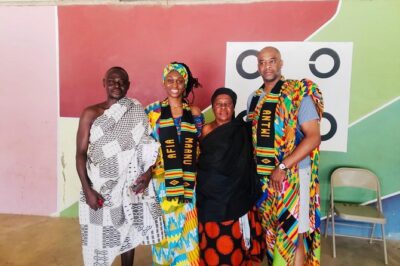 ★ 5.0Traditional naming ceremony For African Diasporas in KumasiFrom $17510 reviews
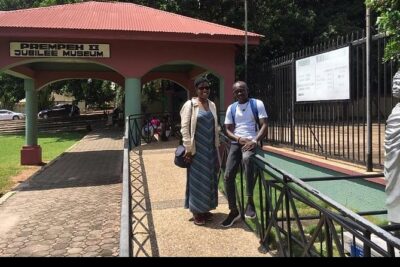 ★ 5.0Kumasi City TourFrom $608 reviews
★ 4.5Kumasi City TourFrom $517 reviews
★ 5.0Kumasi City TourFrom $608 reviews
★ 4.5Kumasi City TourFrom $517 reviews
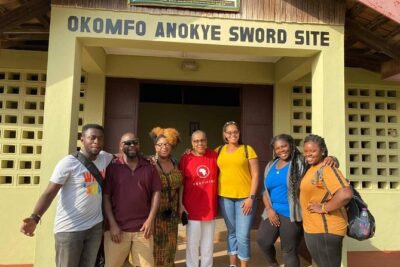 ★ 5.0One day tour at KumasiFrom $1306 reviews
 ★ 4.5Lake Bosomtwe Boat Cruisely and Kumasi City ToursFrom $1856 reviews
Browse the lists this tour appears in