
REVIEW · CAPE COAST CASTLE TOURS
4 Days Trip in Accra, Cape Coast,Kumasi culture & heritage tours
Ghana hits you in the best ways, fast. This 4-day trip links Accra city sights with the emotional weight of the slave castles, then switches gears to hands-on craft culture in the Kumasi area, ending with a relaxed beach day.
What I really like is how the schedule mixes big landmarks with real daily life, like Makola Market and the Centre for National Culture. I also like that you get practical cultural activities, including kente weaving and an Adinkra-style stamping lesson, instead of only watching from the sidelines.
One thing to consider before you book is that the castle stops are sobering. Plan for that mood shift, and don’t schedule anything “fun” right after those hours.
In This Review
- Key Things You Will Notice on This 4-Day Ghana Trip
- First: How This Tour Feels Different from a Standard Ghana Checklist
- Accra City Day: National Museum, W.E.B. DuBois Center, Independence Square
- Makola Market and Independence Square: A Two-Sided View of Ghana
- Centre for National Culture: Where Souvenirs Meet Craft Meaning
- Kakum National Park Canopy Walk: Worth It, but Respect the Height
- Elmina and Cape Coast Castles: Sobering History Done Right
- Bonwire Kente Weaving Centre: Cloth as Language, Not Just Fabric
- Ntonso Adinkra Craftsmen: Stamping Symbols Like You Mean It
- Adanwomase Naming Ceremony and Cocoa Farm: A Very Specific Cultural Moment
- Labadi Pleasure Beach on the Last Day: Easy Fun, Local Energy
- Price and Logistics: Is $750 Good Value for This Route?
- Who This 4-Day Ghana Trip Fits Best
- Should You Book This 4-Day Accra, Cape Coast, and Kumasi Culture Tour?
- FAQ
- What is the duration of the trip?
- How much does the tour cost?
- Does the tour include pickup and tickets?
- What major places are included in the program?
- Are meals and drinks included?
- Is the tour private?
- What is the starting and ending point?
- What is the cancellation policy?
Key Things You Will Notice on This 4-Day Ghana Trip
- Accra to Cape Coast to the Ashanti region without you having to piece the route together yourself
- Kakum canopy walk with real height, plus a steep approach trek for those who like a challenge
- Elmina and Cape Coast Castles as more than photo stops, with time in the dungeons and forts
- Bonwire kente weaving where you learn the cloth’s meaning, not just the pattern
- Adinkra crafts using dye, gourds, and symbol carving so you can stamp like a local
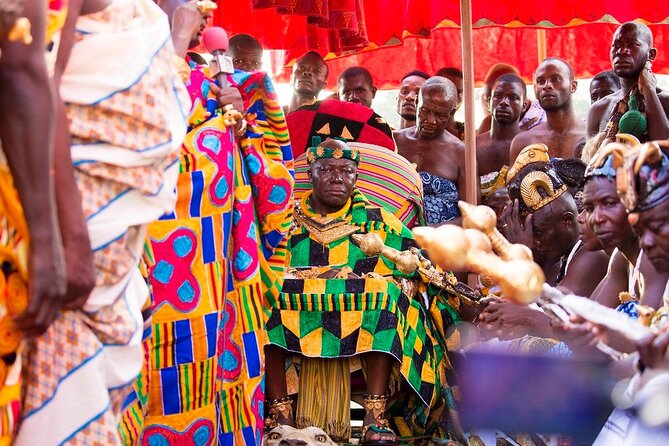
- Adanwomase naming ceremony for African Americans and the Caribbean community, with a Ghanaian name and certificate
Other trips down to Cape Coast, side by side
- The Cape Coast Day Tour★ 5.0 · 525 reviews
- From Accra: Cape Coast, Elmina Castle & Kakum Park Day Tour★ 4.6 · 144 reviews
- Accra To Cape Coast And Elmina Day Tour★ 5.0 · 75 reviews
- Cape Coast ,Elmina Castle and Kakum Full-Day Tour★ 5.0 · 62 reviews
First: How This Tour Feels Different from a Standard Ghana Checklist
This trip works because it changes pace. You start with landmarks in Accra, move into nature at Kakum, then do the hardest history days at Elmina and Cape Coast. After that, the energy shifts into craft towns around Kumasi, where meaning is built into materials and process.
For value, the big win is that you are not just paying for sites. You are paying for transportation, a guide, entrance fees, and a day-by-day sequence that makes sense geographically. And because it’s private for your group, you can go at a human pace instead of waiting for everyone to catch up.
Also, the trip starts at 9:00 am, which helps you avoid losing daylight. You will likely appreciate that on days like Kakum where you want enough morning time before crowds and heat.
Accra City Day: National Museum, W.E.B. DuBois Center, Independence Square
In Accra, the program balances museum time with places where history and identity are felt. The National Museum of Ghana is a strong opening. It sits in pleasant grounds and is set up with clear displays on Ghanaian culture and history, including local crafts and material heritage. It’s a good place to get your bearings fast, before you head into more emotionally charged sites later.
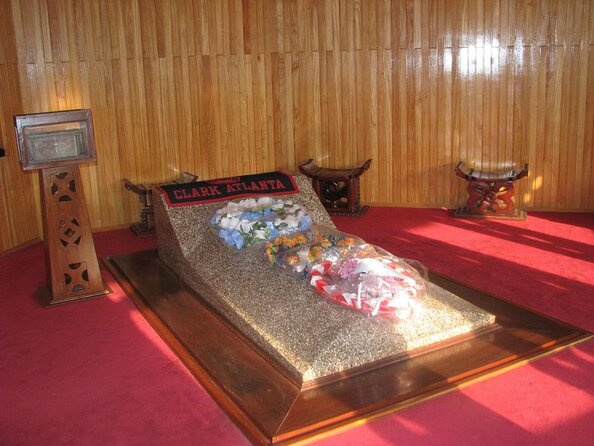
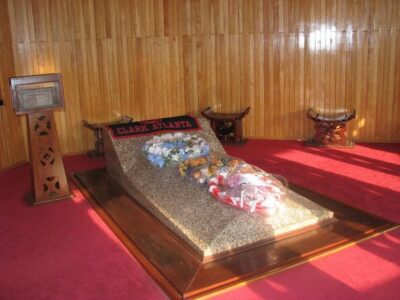
Next is the W.E.B. DuBois Center, dedicated to the Pan-African legacy of W.E.B. DuBois. You get a mix of memorial space, research context, and a smaller museum component with parts of his personal library and works. The adjacent shrine with his grave and his second wife’s ashes gives the visit a quiet gravity.
Then you move into the everyday rhythm of Accra at Makola Market, one of the country’s key trading hubs. You are in the open air, surrounded by scents, sounds, and constant movement. This is also where the Transaid project comes up, focused on improving livelihoods and security for female market traders.
Makola Market and Independence Square: A Two-Sided View of Ghana
Makola Market helps you see Ghana through daily commerce, not only monuments. If you want to shop, this is one of the places where you can feel the local pulse while browsing. Just be ready for a lot of stimulation, and go slow. If you are pressed for time or easily overwhelmed, stick to a short loop and focus on what you came for.
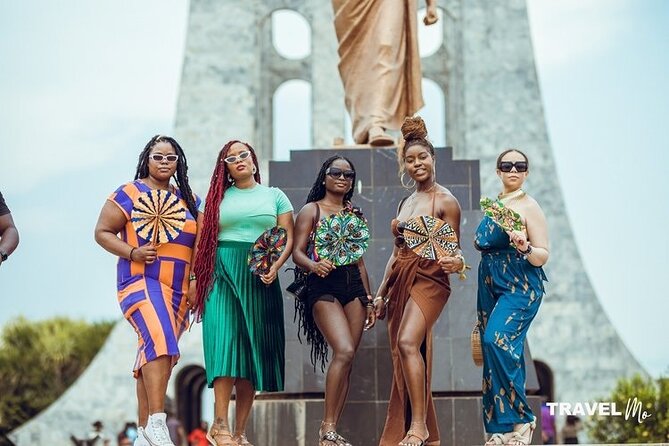
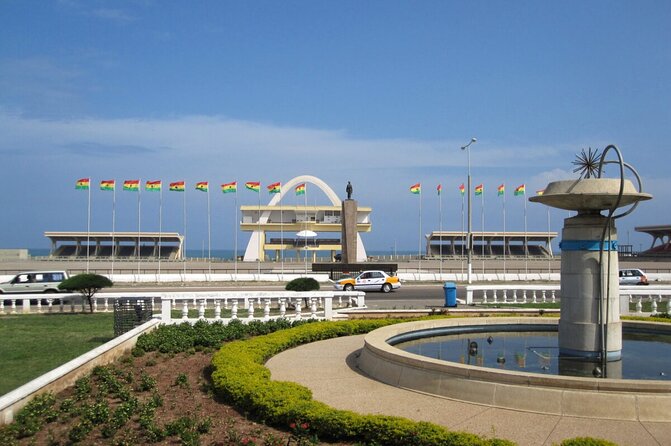
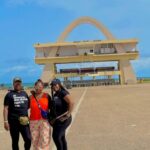
After that, Independence Square resets the tone with national scale. You see monuments tied to Ghana’s independence struggle, including the independence arch and Black Star Gate, plus Liberation Day monuments. The square can hold around 30,000 people and is tied to major public gatherings like Independence Day parades on March 6, plus other national festivals. Even if you are not there for a parade, it gives context for how public space works in Ghana.
Centre for National Culture: Where Souvenirs Meet Craft Meaning
This stop is made for people who want to bring something home that actually connects to Ghanaian tradition. The Centre for National Culture is a craft and fashion hub with kente textiles, wood carvings, sculptures, beadwork, leather bags, earrings, and other accessories. You can also find indoor stalls with items like footwear and T-shirts.
What I like about this kind of venue is that it helps you compare styles and prices in one concentrated area. It also makes your later craft experiences click. When you already understand what kente looks like and how it’s sold as cloth, you are better prepared for the weaving and stamping lessons in the Ashanti towns.
Tip for value: set yourself a budget before you start browsing, because craft shopping here can pull you in fast.
Kakum National Park Canopy Walk: Worth It, but Respect the Height
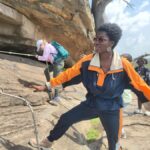
On day two, you trade city pace for nature. Kakum National Park is known for the canopy walk, and the route leading to it includes a steep trek. That matters because the day is not just a “walk in the park.” It’s a physical approach, and it can test anyone who’s not used to uphill walking.
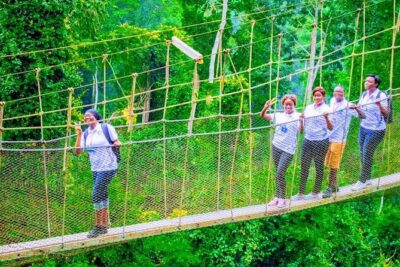
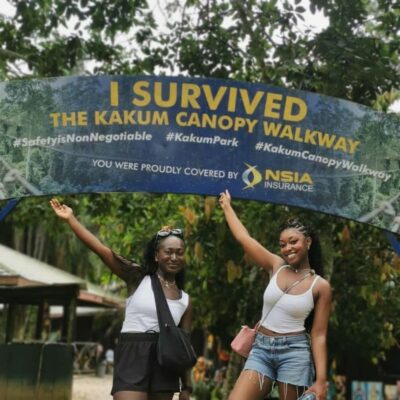
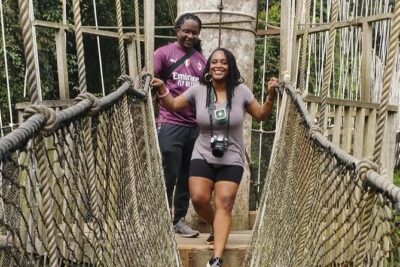
Once you reach the canopy walk, the reward is real: you cross above the tops of trees, about 40 meters from the ground. It’s the kind of view that turns a “quick activity” into a memory, especially if you like birds-eye perspectives and forest canopy textures.
If you fear heights, this is still doable for many people, but be honest with yourself. If you feel shaky, take your time and don’t rush the crossings. The experience is better when you control your pace rather than trying to be brave in a hurry.
More of Kumasi and the Ashanti towns around it

Elmina and Cape Coast Castles: Sobering History Done Right

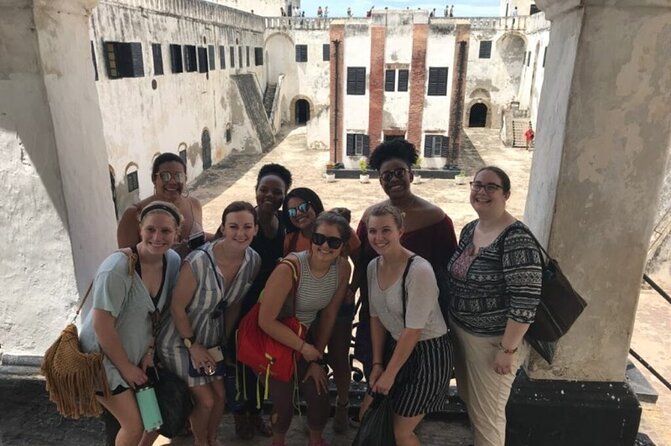
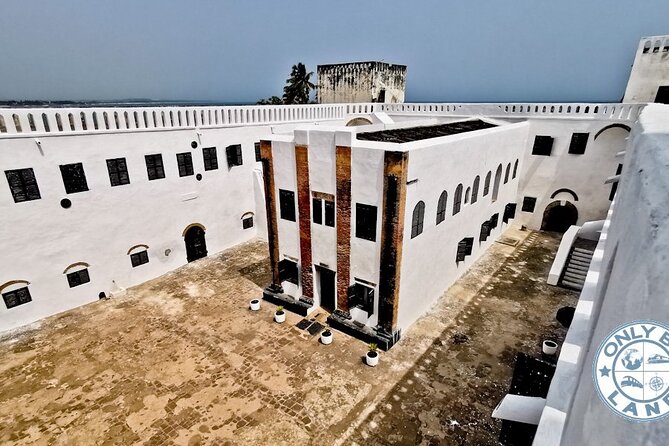
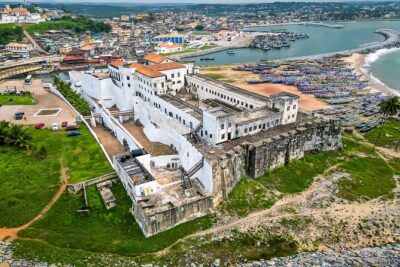
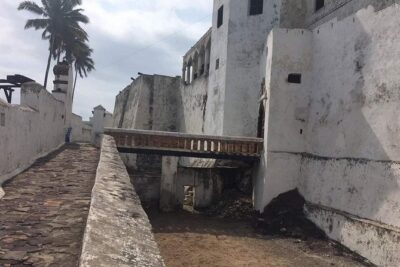
The emotional center of this trip is the slave castles. Elmina Castle is described as a coastal Portuguese fortress, first established in 1555. For centuries, it functioned as a trading hub, and it was part of the process where thousands of Africans endured final moments before transport. You also spend time in dungeon areas, and the story includes the official slavery that was still ahead.
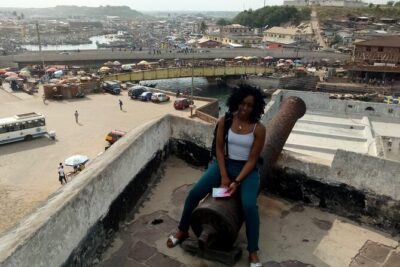
Then you head to Cape Coast Castle, where the narrative continues. You visit dungeons where enslaved people were held before being shipped, and the site includes castle museum areas and viewpoints from the forts. The Cape Coast experience is also where the Door of No Return is specifically highlighted, and that part lands hard. Plan your body language and your questions there. Quiet curiosity goes a long way.
A practical note: these are not light, casual stops. If you tend to get emotional, bring water and allow time for breaks. If you are traveling with teens or parents, keep expectations realistic. The castles are meaningful, but they are not a “quick look and go” kind of place.
Bonwire Kente Weaving Centre: Cloth as Language, Not Just Fabric
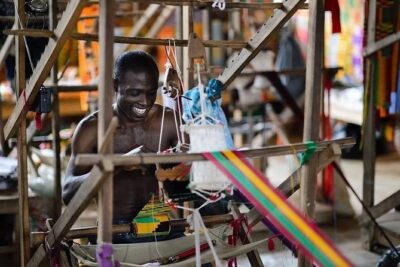
By day three, you shift into Ashanti craft culture, and it’s the most hands-on portion of the whole trip. At the Bonwire Kente Weaving Centre, you focus on the birth place of popular kente cloth. The goal is to understand why the fabric is valued, and how different kente pieces have their own symbolism and names tied to culture and social practices.
You do not just watch looms. You also get a weaving lesson that walks you along the process using ancient-style hand looms. That hands-on time is what makes this stop more than a photo opportunity. If you care about meaning, you will enjoy learning how the cloth becomes a kind of coded storytelling through patterns and naming.
Wear comfortable clothes here. You might get closer to work spaces, and you will be spending time on your feet.
Ntonso Adinkra Craftsmen: Stamping Symbols Like You Mean It

Next is Ntonso Adinkra Craftsmen, centered on the Ashanti kingdom’s craft traditions and the meaning behind Adinkra symbols. This is one of the most active sessions in the trip.
You learn how symbols relate to wisdom and messages, and how the process works from materials to finished marks. The lesson includes steps such as pounding the buddy tree into dye to draw lines on cloth, dividing the cloth into squares, carving symbols into calabash gourds, pressing the gourd into dye, and stamping like a local.
What you get out of this is control and understanding. When you see how a symbol becomes a repeated visual language across cloth, you start to read Adinkra patterns differently back home. You also leave with a clearer sense of why these crafts are tied to identity, not just decoration.
Adanwomase Naming Ceremony and Cocoa Farm: A Very Specific Cultural Moment
The most personal part of day three is Adanwomase. This activity is purposely for African Americans and the Caribbean community, and it centers on Ghanaian naming culture. During the ceremony, you are given your date of birth and receive a Ghanaian name along with a certificate of recognition. You are also given an adornment of Ghanaian cloth tailored for you as part of the traditional naming practice.
This is the moment that often becomes the emotional highlight. You are being recognized, not just sightseeing. Even if you’ve never done anything like this before, the structure makes it feel grounded, like a real cultural interaction rather than a performance for tourists.
After the naming element, you also get practical time, including visiting kente weaving for a practical kente weave and spending time with Ntonso Adinkra village crafts. The day ends with a visit to a cocoa farm, where you learn about the beginnings of cocoa, how it’s nurtured, and how it’s harvested.
This combo is smart. It connects identity and symbols to the land and to everyday livelihoods.
Labadi Pleasure Beach on the Last Day: Easy Fun, Local Energy
Day four is lighter on purpose. You head to Labadi Pleasure Beach in Accra, often described as one of the busiest coastal beaches and maintained by locals. Here you shift from history and craft into a relaxed, fun atmosphere.
Activities mentioned include riding a horse and using a quad for a stroll around the shoreline. It’s a simple way to recover from days of walking and standing while still keeping your final day active.
If you want a clean ending, this works well. You get sun and sea, and you also get a taste of everyday coastal leisure rather than only museum walls.
Price and Logistics: Is $750 Good Value for This Route?
At $750 per person for about four days, the value comes down to what you get packaged together. This trip includes transportation, entrance fees, all taxes, bottle water, snacks, meals, and guide service. You also get pickup offered and a mobile ticket, which reduces hassle when you arrive.
This route is not a small hop. You are moving across Ghana segments, including Accra and then down the coast to Elmina and Cape Coast, then up toward Kumasi-area craft towns, and finally back toward Accra for beach time. Without a prepared schedule, those transfers can eat time and money, and they can turn your trip into logistics work.
Private-group format also matters. You are not negotiating pace and bathroom breaks with a large crowd. For many people, that alone is worth paying for.
Main trade-off: this is an intense four days. If you want a slow, do-whatever lifestyle, consider shorter city-only options. But if you want meaningful Ghana experiences across multiple regions, this price starts to make sense.
Who This 4-Day Ghana Trip Fits Best
This is a strong match if you want both head and hands. You’ll enjoy the museum and monument context in Accra, but you will also like that the schedule turns into craft learning with kente weaving and Adinkra-style stamping. The castles will also suit you if you are ready for sobering, reflective history.
It’s also a particularly good fit for African Americans and Caribbean travelers who are looking for the naming ceremony at Adanwomase. That part is not presented as generic tourism. It’s structured as a cultural recognition experience tied to your date of birth and a Ghanaian name.
If you travel with mobility limits, be aware that Kakum involves a steep trek and the canopy walk sits high above the forest floor. If you can handle walking and standing, you should be fine. If not, plan around comfort.
Should You Book This 4-Day Accra, Cape Coast, and Kumasi Culture Tour?
I think you should book it if you want a real Ghana mix, not a single-theme tour. The combination of Accra landmarks, Kakum canopy walk, Elmina and Cape Coast castles, and Ashanti craft lessons is a smart way to see how place, history, and culture connect.
Book it especially if you care about doing. The kente weaving and Adinkra stamping are the kind of activities that change how you see the souvenirs you might buy later. And if you are eligible and interested in it, the Adanwomase naming ceremony is the standout moment.
Skip this tour if you want purely relaxing days or if you would struggle with emotional intensity at the castles. Also think twice if steep trekking is a problem for you, since the canopy walk approach is part of the experience.
FAQ
What is the duration of the trip?
It’s listed as 4 days (approx.), starting at 9:00 am.
How much does the tour cost?
The price is $750.00 per person.
Does the tour include pickup and tickets?
Yes, pickup is offered, and you get a mobile ticket.
What major places are included in the program?
The trip includes the National Museum of Ghana, W.E.B. DuBois Center, Makola Market, Independence Square, Centre for National Culture, Kakum National Park, Elmina Castle, Cape Coast Castle, Bonwire Kente Weaving Centre, Ntonso Adinkra Craftsmen, Adanwomase, and Labadi Pleasure Beach.
Are meals and drinks included?
Yes. Bottle water, snacks, and lunch are included (listed as lunch 4 times, plus snacks).
Is the tour private?
Yes. It’s described as a private tour/activity, with only your group participating.
What is the starting and ending point?
It starts at 9:00 am, and it ends back at the meeting point.
What is the cancellation policy?
Free cancellation is offered. You can cancel up to 24 hours in advance for a full refund. The trip also notes it requires good weather, with an offer of a different date or a full refund if canceled due to poor weather.
Longer Routes Through Ghana
- 10 Days Trip to Cape Coast and Elmina Castles from Accra
★ 5.0 · 31 reviews - 10 Days Ghana Cultural and Heritage Trip
★ 5.0 · 31 reviews - Explore Ghana Multi Day Tour
★ 5.0 · 29 reviews - Ghana City 2-day Tour
★ 5.0 · 21 reviews - 2-Day Private Tour to the Mount Afadjato and Wli Waterfalls
★ 5.0 · 17 reviews
Deeper into Ashanti
- Kumasi Heritage Tours And Naming Ceremony In A Day
★ 5.0 · 11 reviews - Full-Day Tour to Ashanti Region, Kumasi and Ghanaian History
★ 5.0 · 8 reviews - Experience the Culture of Ashanti Kingdom in 5days
★ 5.0 · 3 reviews
More Trips Down to Cape Coast
- The Cape Coast Day Tour
★ 5.0 · 525 reviews - The Cape Coast Tour
★ 5.0 · 177 reviews - From Accra: Cape Coast, Elmina Castle & Kakum Park Day Tour
★ 4.6 · 144 reviews - Accra To Cape Coast And Elmina Day Tour
★ 5.0 · 75 reviews - Cape Coast ,Elmina Castle and Kakum Full-Day Tour
★ 5.0 · 62 reviews
Latest Accra reviews added here


Cape Coast Castle Tours, compared.
 ★ 5.0The Cape Coast Day TourFrom $155525 reviews
 ★ 5.0The Cape Coast TourFrom $170177 reviews
 ★ 4.6From Accra: Cape Coast, Elmina Castle & Kakum Park Day TourFrom $110144 reviews
 ★ 5.0Accra To Cape Coast And Elmina Day TourFrom $16575 reviews
 ★ 5.0Cape Coast ,Elmina Castle and Kakum Full-Day TourFrom $15562 reviews
 ★ 5.010 Days Trip to Cape Coast and Elmina Castles from AccraFrom $4,69531 reviews
 ★ 5.0Cape Coast and Elmina Castles TourFrom $15731 reviews
 ★ 5.0The Homecoming Experience To Cape-coast And Elmina.From $18028 reviews
Browse the lists this tour appears in