
REVIEW · TRANSATLANTIC SLAVE TRADE HERITAGE TOURS
Accra Slave Tour
A hard story, told at street level. The Accra Slave Tour focuses on what the Trans-Atlantic Slave Trade looked like from Accra, not just from the usual coastline stops. I like the way it connects you to the genesis of Accra while walking past the physical remnants tied to the trade.
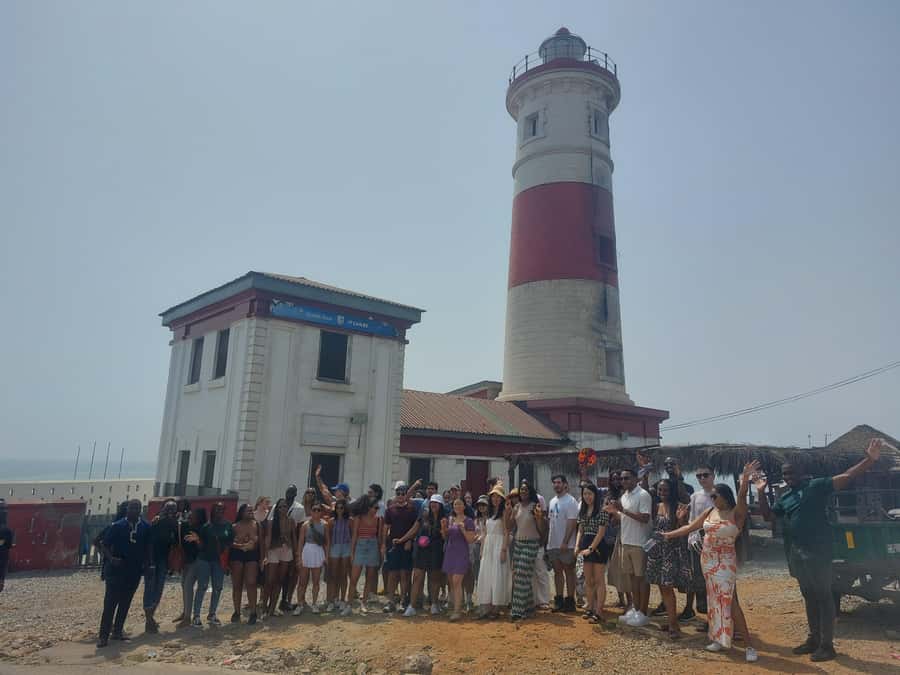
I also like the mix of sites, from British-built defenses to Dutch-built forts, plus places like the Lighthouse and Brazilian Lane. One thing to consider: it’s a 3-hour outing with a lot of emotion packed in, and lunch is not included, so plan your day with food and energy in mind.
In This Review
- Key things I think you’ll appreciate
- Why an Accra Slave Tour is different from the usual coast stops
- Meeting your English guide in Accra, and what to expect from the tone
- James Fort Street walk: British fortifications and the logic of control
- Ussher Fort plus the Lighthouse: Dutch, British, and the shared footprint
- Brazilian Lane and the smaller spaces tied to the trade
- The part that turns a dark tour into a useful Accra day: shops and drop-off
- Price and timing: is $140 for 3 hours good value?
- Who should book the Accra Slave Tour, and who might think twice
- My straight answer: should you book this tour?
- FAQ
- How long is the Accra Slave Tour?
- What does the tour cost?
- Where does pickup and drop-off happen?
- Is the tour guided, and what language is used?
- Is this a group tour or private?
- What sites are included during the tour?
- What’s included in the price?
- What is not included?
- Can I cancel or pay later?
Key things I think you’ll appreciate
- Accra perspective on the Trans-Atlantic Slave Trade, not just the better-known coastal chapters
- James Fort on James Fort Street, built by the British, with a guided walk for context
- Ussher Fort and other Jamestown reminders, including the Dutch-built dimension
- Stops like the Lighthouse and Brazilian Lane, tied to the trade’s footprint
- Time to shop at the end, so you can turn history into a real, practical Accra moment
Other guided visits to Ghana sites of the transatlantic slave trade
- Cape Coast/Elmina Slave Dungeon and Canopy Walkway Private Tour★ 5.0 · 24 reviews
- Cape Coast Castle, Assin Manso Slave River and Door of No Return★ 5.0 · 14 reviews
- Accra Slave Castle and City Private Tour with Pick up★ 5.0 · 11 reviews
- Trails of the transatlantic slave trade in Ghana★ 5.0 · 10 reviews
Why an Accra Slave Tour is different from the usual coast stops
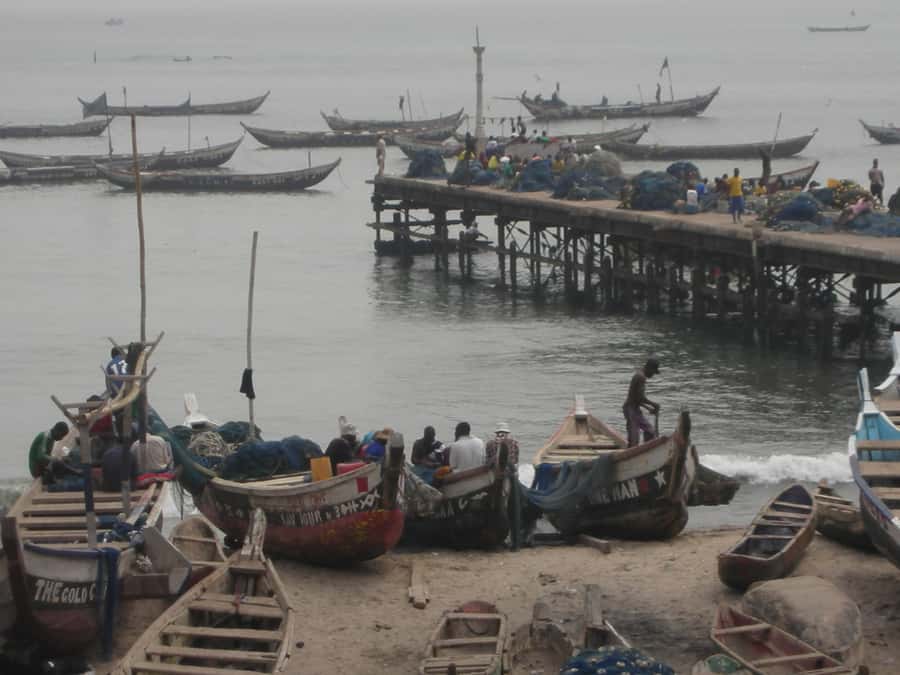
Most people arrive in Ghana thinking the story is mostly about Cape Coast. This tour makes a strong case that you need Accra too. Even if you’ve read the broad timeline before, it hits differently when you stand in the city that helped shape the trade networks.
What I like is the way it keeps you oriented geographically. You’re shown monuments and built spaces that reflect Accra’s role, so the story feels anchored to real streets, not just distant names.
Meeting your English guide in Accra, and what to expect from the tone
You start in Accra with pickup, and you do the tour in English with a live guide. This is a private-group setup, which matters on a subject like this, because you can ask questions without feeling rushed or lost in a crowd.
On one recent run, Prince was noted as the overall guide, and Ritchie, a Jamestown local, added extra local perspective. That kind of pairing is a win, because you get both structure and street-smart context in the same outing.
The tour is also only about 3 hours total, which changes the feel. This isn’t a long, slow museum day. It’s a guided walk and sight-focused route, so come prepared to listen closely and move when it’s time to move.
James Fort Street walk: British fortifications and the logic of control
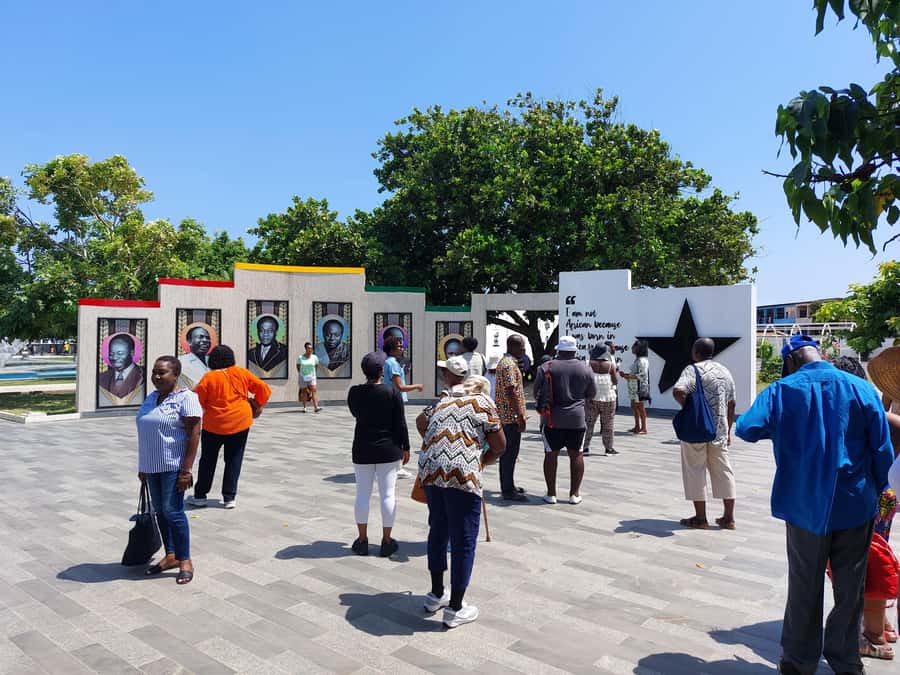
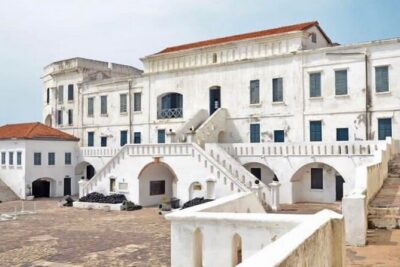
Your main guided portion is a walk and sightseeing stop on James Fort Street for about 2 hours. The big draw here is James Fort, built by the British. Even without getting technical, the setting teaches you how colonial powers tried to manage people, trade, and movement.
I find it helps to see fortifications as more than stone. They’re decisions made in real time, meant to control routes and reduce uncertainty. When your guide points out what the site was used for, you start understanding why these strongholds mattered to the people who ran the system.
Practical note: because this part is a walk, you’ll want comfortable shoes and a steady pace. You’ll be outside and moving, so don’t schedule something athletic right before or after.
Ussher Fort plus the Lighthouse: Dutch, British, and the shared footprint
The tour doesn’t treat the forts as isolated landmarks. It places them inside the bigger Trans-Atlantic Slave Trade story across different European powers. Ussher Fort, built by the Dutch, is one of the key stops, and seeing both British and Dutch connections in one outing helps your brain build the full picture.
Then you move toward the Lighthouse area. Even though a lighthouse is not a fort, it’s still part of the same system. It points to maritime movement, routes, and the practical side of ships arriving, loading, and departing.
What I like here is that the tour doesn’t rely on vague storytelling. It uses the physical city cues, like forts and coastal-linked structures, to connect trade activity to places you can point at on a map.
Brazilian Lane and the smaller spaces tied to the trade
Some of the most uncomfortable parts of this kind of history are not the dramatic, headline sites. They’re the quieter corners, the narrow passages, and the residential-adjacent spaces that made daily operations possible.
You’ll visit Brazilian Lane and also see other houses and tunnels connected to the trade. The wording matters: these spaces are described as being associated with the infamous trade, and that association is what the guide helps you interpret.
I’d treat these moments as a chance to learn how systems work at human scale. It’s easier to remember the dates in a book, but standing in the city helps you understand how many steps were required, and how many people were involved behind the scenes.




The part that turns a dark tour into a useful Accra day: shops and drop-off
After the main sightseeing, you get an opportunity to shop at the end of the tour. I see this as a practical design choice. You’re in the neighborhood, you’ve walked, you’ve learned, and now you have time to pick up something real without scrambling later.
You’re then dropped off at your preferred location, with the tour wrapping back in Accra. That drop-off flexibility is useful if you’re continuing your day elsewhere in town, because it reduces the extra hassle of figuring out transport immediately after.
One small consideration: since lunch is not included, you’ll likely want to eat before you go. If you tend to get hungry fast on guided walks, consider a light meal or snack beforehand so you’re focused when the guide is speaking.
Price and timing: is $140 for 3 hours good value?
At $140 per person for a 3-hour private tour, the price is not cheap, but it’s not random either. You’re paying for a live English guide, transportation, fuel surcharges, pickup and drop-off, and water, all bundled into a short, guided route.
For me, the value question comes down to two things.
First, you’re getting concentrated interpretive time. A guided walk through multiple historically connected sites can save you from bouncing between places on your own with missing context. On this topic, context is everything.
Second, it’s private group. If you’re traveling with friends or family and you want a calmer pace, private-format tours can justify the cost. You also avoid the feeling of being rushed, because the guide can respond to your questions more naturally.
Who should book the Accra Slave Tour, and who might think twice
This tour fits best if you want an Accra-based perspective and you’re ready to connect history to the street layout. It’s a good choice if you’ve already been to Cape Coast or you’re planning to go later, because it adds the other half of the picture.
You’ll likely enjoy it more if you:
- Like guided explanation and direct place-based learning
- Want forts and coastal-linked structures, not just a lecture
- Prefer a shorter day plan over a longer, all-day excursion
You might think twice if:
- You want lunch included or a longer time on-site
- You prefer a lighter tone or more time for reflection
- You don’t want to do a walk as part of your experience
My straight answer: should you book this tour?
If your goal is to understand how the Trans-Atlantic Slave Trade connected to Accra itself, I’d book it. The route is designed around specific reminders, including James Fort, Ussher Fort, and locations like the Lighthouse and Brazilian Lane. You get guided interpretation in about 3 hours, plus transportation and water, which makes it easy to commit without turning your day into logistics.
The main reason to pause is the emotional weight and the short duration. If you know you’ll need longer breaks or you’re traveling on a tight schedule with food gaps, plan around that first. Eat before you go, wear comfortable shoes, and keep your questions ready.
FAQ
How long is the Accra Slave Tour?
It lasts 3 hours.
What does the tour cost?
The price is $140 per person.
Where does pickup and drop-off happen?
Pickup is in Accra, and you return to Accra. You are also dropped off at your preferred location.
Is the tour guided, and what language is used?
Yes. It includes a live tour guide and the tour is in English.
Is this a group tour or private?
The tour is listed as a private group.
What sites are included during the tour?
You visit places tied to the trade such as James Fort (built by the British), Ussher Fort (built by the Dutch), the Lighthouse, Brazilian Lane, and other houses and tunnels associated with the trade.
What’s included in the price?
Pickup and drop-off, transportation, fuel surcharges, a tour guide, and water.
What is not included?
Lunch is not included.
Can I cancel or pay later?
Yes. You can cancel up to 24 hours in advance for a full refund. There is also a reserve now & pay later option, so you can book your spot and pay nothing today.
A Wider Spread of Ghana Tours
- The Cape Coast Day Tour
★ 5.0 · 525 reviews - The Cape Coast Tour
★ 5.0 · 177 reviews - From Accra: Cape Coast, Elmina Castle & Kakum Park Day Tour
★ 4.6 · 144 reviews - Accra Detailed City Tour
★ 4.5 · 118 reviews - Accra Guided City Tour Experience
★ 4.7 · 88 reviews
More Ghana Tours Out of the Review Pile
- The Cape Coast Day Tour
★ 5.0 · 525 reviews - Experience the Beauty, History and the Culture Of Accra in a Day
★ 5.0 · 323 reviews - The Cape Coast Tour
★ 5.0 · 177 reviews - From Accra: Cape Coast, Elmina Castle & Kakum Park Day Tour
★ 4.6 · 144 reviews - Accra Detailed City Tour
★ 4.5 · 118 reviews
Other Slave Trade Heritage Sites We Have Reviewed
- Cape Coast/Elmina Slave Dungeon and Canopy Walkway Private Tour
★ 5.0 · 24 reviews - Cape Coast Castle, Assin Manso Slave River and Door of No Return
★ 5.0 · 14 reviews - Accra Slave Castle and City Private Tour with Pick up
★ 5.0 · 11 reviews - Trails of the transatlantic slave trade in Ghana
★ 5.0 · 10 reviews - Accra to Cape Coast Tour (Slave Castles and Kakum Park)
★ 5.0 · 8 reviews
Latest Accra reviews added here



Transatlantic Slave Trade Heritage Tours, compared.
 ★ 5.0Cape Coast/Elmina Slave Dungeon and Canopy Walkway Private TourFrom $20024 reviews
 ★ 4.4From Accra: Cape Coast Slave Dungeons Heritage Tour & LunchFrom $18814 reviews
 ★ 5.0Cape Coast Castle, Assin Manso Slave River and Door of No ReturnFrom $18014 reviews
 ★ 5.0Accra Slave Castle and City Private Tour with Pick upFrom $12511 reviews
 ★ 5.0Trails of the transatlantic slave trade in GhanaFrom $1,95510 reviews
 ★ 5.0Accra to Cape Coast Tour (Slave Castles and Kakum Park)From $2208 reviews
 ★ 4.5Travel Back In Time(The door of no return)From $3007 reviews
 ★ 5.0Elmina Slave Dungeon & Kakum Rainforest Day TripFrom $2006 reviews
Browse the lists this tour appears in