
REVIEW · OVERNIGHT & MULTI-DAY TRIPS
10 Days Ghana Cultural and Heritage Trip
Ghana hits you fast, especially on this heritage route. I like the small group size, and I really appreciate the air-conditioned van with Wi-Fi built into the plan, which makes long travel days easier. One thing to think about up front, the route includes sites tied to the legacy of slavery, so expect emotional weight.
This trip is guided by experienced travel leaders, and you can do it in English, Spanish, or French. You start with airport pickup and a welcome dinner, then move through major cultural stops in Accra, Cape Coast, Elmina, and Kumasi with a mix of history, nature, and living traditions.
If you are the type who wants to see more than landmarks, this one is built around meaning: museum objects, sites like Cape Coast and Elmina castles, then the return ritual experience at Assin Manso. Just know your days can be packed, and you will want to keep energy for walking, memorial sites, and market time.
In This Review
- Key highlights worth centering
- First impressions: Accra pickup, welcome dinner, and the pace you can handle
- Accra day 2: Nkrumah, Independence Square, Makola Market, and the National Museum
- Aburi Botanical Gardens and the W.E.B. Du Bois Center for context, not trivia
- Cape Coast Castle: dungeons, the Door of No Return, and staying human
- Kakum canopy walk plus Elmina’s forts: nature and memory in the same breath
- Elmina chief palace and your day-name ceremony in Ghanaian tradition
- Assin Manso and the barefoot walk of return: where the emotions get specific
- Kumasi day 8: Manhyia Palace Museum and Ashanti cultural depth
- Day 9 and the Kente Weaving Centre: symbols you can wear
- Markets and Elmina and Kumasi shopping: how to spend without losing your day
- Day 10 in Accra: arts shopping and an airport drop you can actually use
- Money and included value: what you pay for beyond transport
- Comfort and practicalities that matter on long days
- Who should book this Ghana trip, and who should think twice
- Should you book? My take on the decision
- FAQ
- Where does the tour start, and what time is the meeting?
- What meals are included?
- Is the tour offered in multiple languages?
- Is there transportation with comfort features?
- Are attraction tickets included?
- Can I get a full refund if I cancel?
Key highlights worth centering

- Small group of up to 10 travelers, which usually means more personal attention during emotionally heavy visits
- Air-conditioned transport with Wi-Fi, helpful for weather changes and for keeping your phone charged while you move cities
- Cape Coast and Elmina castle visits, including both dungeons and the Door of No Return experiences
- Kakum canopy walk in Kakum National Park, one of the signature nature activities on this route
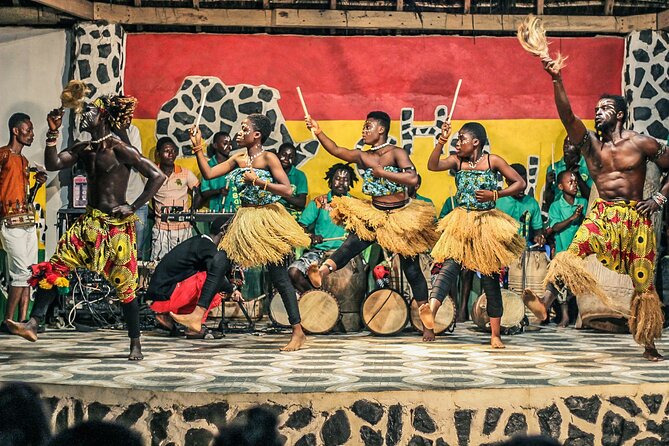
- Traditional naming ceremony in Elmina, with names given based on your birth day and dressed in African clothing
- Assin Manso barefoot walk of return, paired with a memorial wall where names are written
Longer routes through Ghana, two nights and upward
- 10 Days Trip to Cape Coast and Elmina Castles from Accra★ 5.0 · 31 reviews
- 10 Days Ghana Cultural and Heritage Trip★ 5.0 · 31 reviews
- Explore Ghana Multi Day Tour★ 5.0 · 29 reviews
- Ghana City 2-day Tour★ 5.0 · 21 reviews
First impressions: Accra pickup, welcome dinner, and the pace you can handle
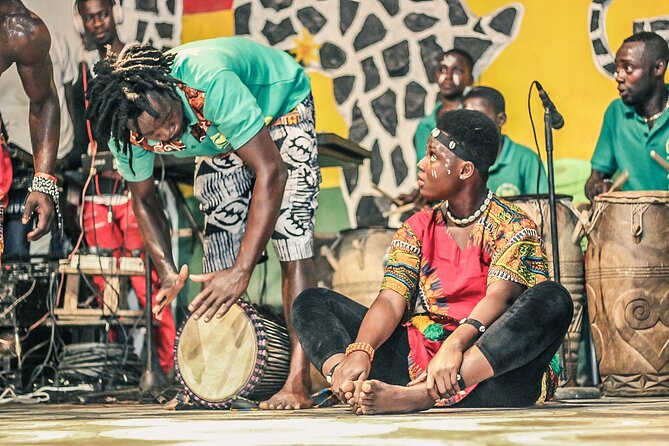
Your trip starts at Kotoka Airport in Accra with pickup and transfer to your hotel. The day begins at 8:30 am, then you ease into the group with a welcome dinner and drinks where you meet your fellow travelers and your in-country team led by Nana and the team.
What I like about this setup is that it lowers stress. You are not trying to figure out transport on arrival, and you can ask questions in person while everyone is still fresh from the flight.
The pace here is also realistic for a cultural-and-heritage itinerary. You will have days with long drives and focused site visits, but it is not built around all-day bus marathons with no breaks. Still, you should be ready for walking in markets and in historic areas.
Accra day 2: Nkrumah, Independence Square, Makola Market, and the National Museum
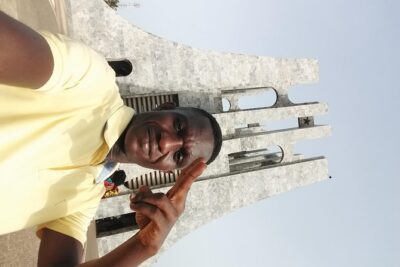
Accra does not waste time on your first full day. You start at the Kwame Nkrumah Memorial Park, Nkrumah’s final resting place and a museum space where you can see personal items like the smock he wore when declaring independence, plus letters, photos, and more.
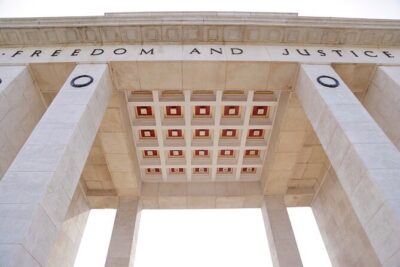
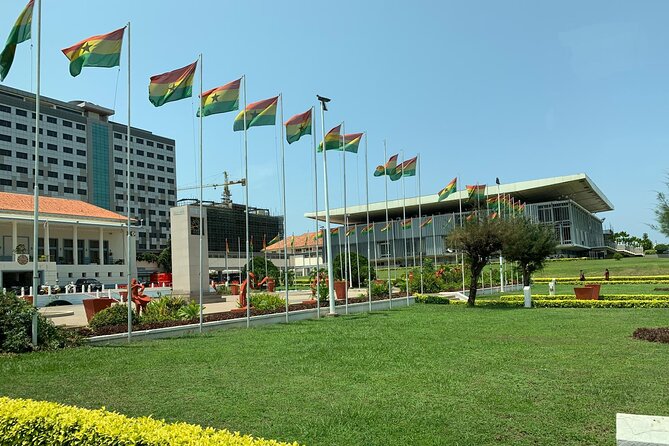
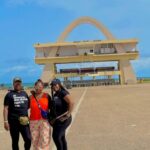
Next is Independence Square, built around the Independence Arch and monuments tied to Ghana’s independence struggle. Even if you are not there on March 6, you still get the sense of how central this symbolism is.
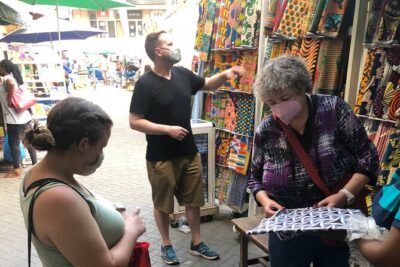
Then comes Makola Market, Accra’s famous open-air market. This is where you learn the rhythm of West African market life quickly: narrow alleyways, dense foot traffic, and shoppers carrying goods on their heads. The best value move here is simple, go with your guide for the more interesting sections and photo angles so you are not just stuck in the busiest lanes.
You end at the National Museum of Ghana. What helps is that it links everyday culture to deeper themes. You will see items tied to chiefs, musical instruments, gold-weights, beads, textiles, pottery, and traditional dance. The museum also includes exhibits on the slave trade in Ghana, so the day becomes more than sightseeing. It becomes context.
Possible drawback: Makola Market can feel crowded. If you hate dense crowds, you may want to pace yourself and use your guide to move efficiently.
Aburi Botanical Gardens and the W.E.B. Du Bois Center for context, not trivia
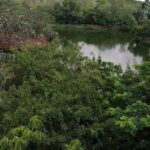
On day 3, the tour slows down in a smart way. Aburi Botanical Gardens is a good break from urban pace, and it gives you something practical: plant knowledge tied to medicinal properties and how plants fit into society. This kind of stop matters because Ghana is not only castles and forts. People live with traditions that include agriculture, herbal knowledge, and daily practice.
After that, you visit the W.E.B. Du Bois Center, a Pan-Africanism memorial space. Here, the goal is to connect Ghana to the wider story of diaspora thinking and political history, through the life of W.E.B. Du Bois. It is a reminder that ideas traveled, not just people.
The best part of stacking these two stops is that you get both sides of the coin. Plants and daily life on one hand, global intellectual currents on the other. That makes the later historical sites land harder, because you understand you are not just touring tragedy, you are learning how a whole society holds memory and meaning.
Cape Coast Castle: dungeons, the Door of No Return, and staying human
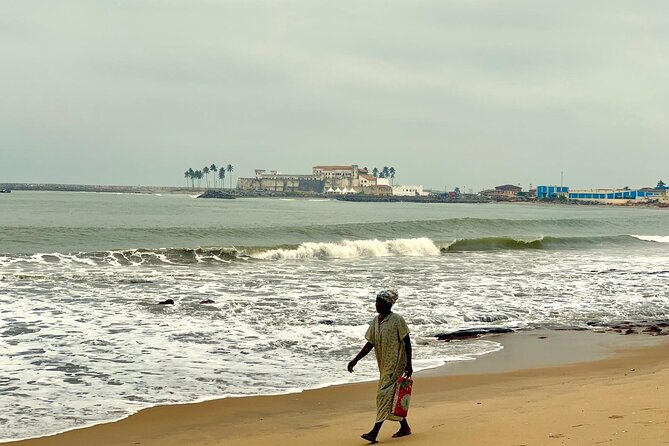
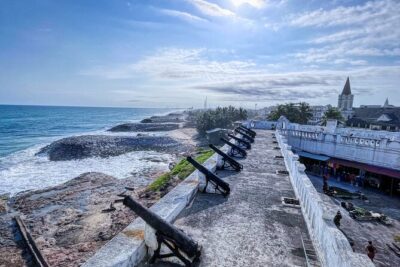
Day 4 centers on Cape Coast Castle. You will visit the spaces tied to how enslaved people were held before ships arrived, including the dungeon area. The visit also includes the Door of No Return.
This is the kind of stop where the details matter. You are not just looking at walls. You are walking through a site built for confinement and fear, so your body reacts before your brain catches up. I recommend treating this as a slow walk, not a photo session, and letting your guide’s explanations shape what you focus on.
Value-wise, this stop is crucial because it gives physical grounding to the story. Later, when you reach Assin Manso and the return ritual, the route makes more sense emotionally and historically.
Consideration: if you are sensitive to heavy historical subject matter, plan for downtime after. Even with included meals and transport, you may need a quiet evening to reset.
Kakum canopy walk plus Elmina’s forts: nature and memory in the same breath
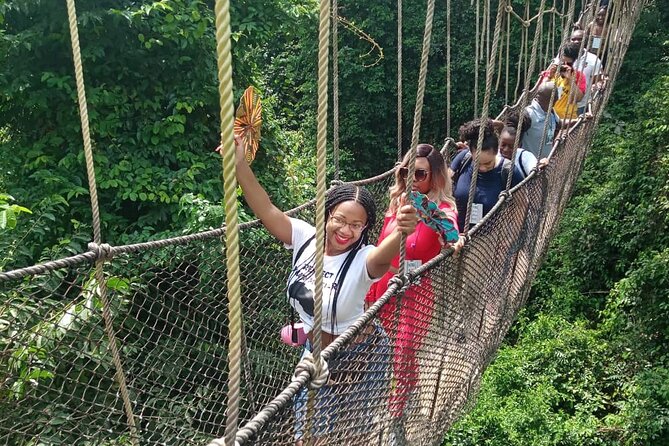
Day 5 is a two-part punch, and it works. First is Kakum National Park and the Kakum Rainforest canopy walk. This is one of those rare, iconic canopy experiences you remember because it feels different from typical sightseeing. You are literally moving along a tree-top route, which changes your sense of scale and gives you something Ghana offers beyond historic buildings.
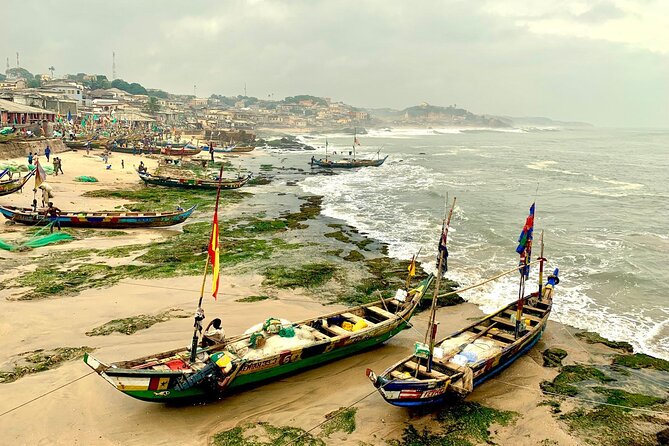
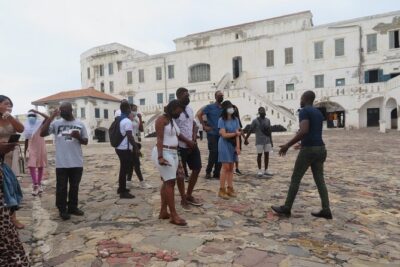
After the park, you head to Elmina, one of Ghana’s most historically significant towns. You get a walking tour that includes key buildings and cultural sites like the 17th century Dutch Cemetery, the Posuban shrine, and the Asafo post. Then you add Elmina Castle, including the slave dungeon areas and the Door of No Return experience again.
Why this pairing is so effective: you get a reset in the afternoon before returning to history. Kakum gives your mind a break outdoors, and Elmina brings you back to memory, community structures, and inherited architecture.
Practical note: the canopy walk is still a walk. Wear shoes that grip, and if you have any comfort concerns with heights or railings, tell your guide early so you can adjust how you approach the crossing.
History-led days out across Ghana
Elmina chief palace and your day-name ceremony in Ghanaian tradition
Day 6 combines rest with a deeply cultural experience. In the morning, you have a chance to slow down and reset. Later, you visit the chief palace area to learn about traditions of the local people.
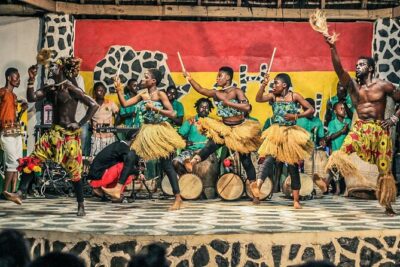
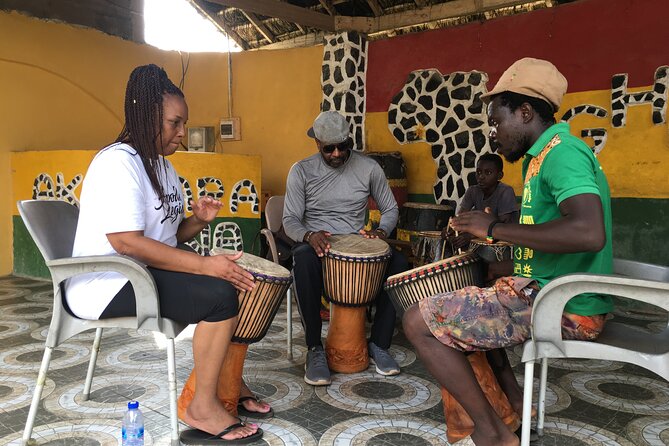
Then you take part in a typical naming ceremony. You are given names based on the day you were born, and you will dress in African clothing as part of the event. This is one of the stops I think you should treat as more than a performance. A naming ceremony is identity work, and it can feel personal even when you are surrounded by a group.
For many visitors, the day-name detail is memorable because it connects you to a living system, not just a past story. You are leaving with something you can say you carried out of Ghana, not just something you saw.
Consideration: ceremonies involve interactions and photos, but the data you have does not say anything about your ability to control photo use. So be respectful, keep your focus on the meaning, and follow your guide’s cues.
Assin Manso and the barefoot walk of return: where the emotions get specific
Day 7 is one of the most spiritually and emotionally direct parts of the trip. Assin Manso is described as the final bath site before people were taken to castles and shipped away. The experience includes a reverential walk of return that reenacts a reconnection to the motherland.
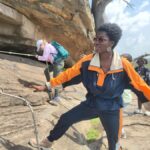
You walk to the slave river barefoot, which is meant to signify connecting yourself to the land and paying respect to ancestors and lost souls. You also visit the memorial wall of return, where names are written to show connection and return.
This day is not only educational, it is ritual. The barefoot element changes it from sightseeing to embodied remembrance. That can be powerful, but it also means you should prepare yourself mentally for a more intimate experience.
Practical tip: keep your hands free for walking, and if you have sensitive feet or balance issues, speak up before the barefoot segment so the team can advise.
Kumasi day 8: Manhyia Palace Museum and Ashanti cultural depth
Day 8 shifts you toward Ashanti Kingdom heritage. You visit Manhyia Palace Museum, described as the seat of the King of the Ashanti Kingdom. This is where you learn about the Asante Empire and its story through the palace setting.
What makes this stop valuable is that it is tied to a place of authority and tradition. It is easier to understand cultural systems when you see them in their physical context rather than only in a classroom setting.
After that, you also visit an area for cultural sites and learn through the day’s stops, then you reach the Okomfo Anokye Sword Site. You learn the history behind a mystical sword planted for around 400 years and described as unmovable. The tour includes time at the Kumasi Cultural Center as well, which helps connect crafts, culture, and stories.
This mix supports the idea that Ghana is layered: kingdoms, artifacts, belief, and public memory.
Day 9 and the Kente Weaving Centre: symbols you can wear
Day 9 centers on Bonwire Kente Weaving Centre. You learn about different kinds of Ghanaian cloth and the meanings of symbols, including what they represent in Ghanaian culture.
This is one of the best “value per minute” stops on the whole trip if you like to buy things with story. Instead of guessing what a pattern means, you get explanation while you are there, which helps you pick pieces thoughtfully.
You will also likely understand why people treat Kente as identity, not just fabric. That makes your shopping on this route more intentional.
Tip: if you want to shop for cloth later at Accra Arts Center too, plan your budget so you do not end up buying twice for the same purpose. Use day 9 to learn the symbolism, and then use day 10 for souvenirs you love.
Markets and Elmina and Kumasi shopping: how to spend without losing your day
Shopping is built into this trip, but it is not the only focus. Makola Market in Accra is your big early market day, described as the best place to absorb the atmosphere, and it is great for reasonable-rate goods if you have time.
In Kumasi, you also spend time around a major open-air market described as the largest and busiest. The tour plan does not give a named market, but it does signal that you should expect crowds and heavy energy.
My practical advice: buy with a goal. If you want textiles, aim for Kente details after your weaving lesson. If you want everyday items or small souvenirs, Makola Market is a better first stop because you are likely to see variety quickly.
Also, go through your guide for photo spots. That saves time and reduces the chance you get stuck in the least comfortable corners of the market.
Day 10 in Accra: arts shopping and an airport drop you can actually use
Your final day returns you to Accra. You visit the Accra Arts Center for souvenir shopping, then you are dropped at the airport in time to catch your flights with not much stress. This is a small detail with big value. Too many tours leave you scrambling on the last morning. Here, the plan tries to protect your flight day.
If you bought Kente already, you can use this last stop for art pieces or crafts that fit your space at home. If you did not buy much earlier, the Arts Center is where you can make a final, calmer decision.
Money and included value: what you pay for beyond transport
The price is $3,500 per person for a 10-day Ghana cultural and heritage trip. That is not a low-cost number, but you are also paying for a lot of structure: airport pickup, daily guidance, and transport by air-conditioned vehicle with Wi-Fi, plus meals and many included admissions.
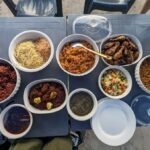
Included meals are a concrete budget win. You get breakfast for 8 mornings, lunch for 4 days, and a dinner included as part of the plan. That helps you avoid paying for every meal out of pocket during long travel days.
Admissions are also mixed. Many stops list admission tickets included, like Kwame Nkrumah Memorial Park, Independence Square, Makola Market (as listed), National Museum of Ghana, Aburi Botanical Gardens, W.E.B. Du Bois Center, Cape Coast Castle, Kakum National Park, and Elmina Castle, plus Manhyia Palace Museum and Bonwire Kente Weaving Centre. Some activities are listed as admission free, including a portion of Elmina town walking, parts of the naming ceremony, Assin Manso, and the Accra Arts Center.
This matters because it shifts your cost from “surprise ticket line items” toward a more predictable trip budget.
One more practical angle: the tour is capped at a maximum of 10 travelers. A smaller group often means smoother guiding and fewer people per vehicle, which can be a big deal at crowded markets and during busy memorial sites.
Comfort and practicalities that matter on long days
The trip includes pickup and transfers, and the transport is air-conditioned with Wi-Fi. That combination helps when you want phone access for maps, translation, and photos, especially across multiple cities.
It also offers a mobile ticket and group discounts, which suggests the company is trying to keep logistics smooth. You will meet at Kotoka Airport and start at 8:30 am, so plan to be ready for an early start day.
Weather matters. The experience notes that it requires good weather and may be rescheduled or refunded if canceled due to poor conditions. That is especially relevant for Kakum canopy walk segments where rain can change safety.
In terms of participation, it states most travelers can participate, and service animals are allowed. The plan does involve walking, so if you have mobility concerns, you will want to check how much time you can handle at markets and historic sites.
Who should book this Ghana trip, and who should think twice
This is a strong fit if you want a guided route that connects Ghana’s identity to both living culture and the hardest parts of history. You’ll like it if you value a small group feel and you want your time guided rather than chaotic.
It is also a good match for people who enjoy learning through places and objects, like Nkrumah’s personal items at his memorial, cultural museums, and craft education at Bonwire.
Think twice if you want a light vacation with minimal emotional intensity. The route explicitly includes slavery-related memorial sites and rituals, including Cape Coast’s dungeons and the Assin Manso barefoot walk of return. If that kind of experience drains you, build in recovery time and do not cram extra activities on those days.
Should you book? My take on the decision
If your goal is meaningful Ghana, this trip has a clear structure: Accra context first, then Cape Coast and Elmina for historical grounding, followed by Kakum nature and Ashanti culture, and ending with a finish in Accra that respects your flight day.
The best reasons to book are simple. You get guidance and admissions support, you travel in comfort with Wi-Fi, and you see both memorial sites and living traditions like the day-name ceremony and Kente symbolism.
If you are deciding between speed and depth, choose depth here. This route is built to make connections, not just check boxes. And for $3,500, the value is strongest when you treat the included meals, admissions, and small group size as part of what you are paying for.
FAQ
Where does the tour start, and what time is the meeting?
The tour starts at Kotoka Airport in Accra, Ghana, with a start time of 8:30 am.
What meals are included?
Breakfast is included for 8 days, lunch is included for 4 days, and dinner is included.
Is the tour offered in multiple languages?
Yes. The experience is offered in English, Spanish, and French.
Is there transportation with comfort features?
Yes. You ride in an air-conditioned vehicle that includes Wi-Fi, and pickup is offered.
Are attraction tickets included?
Many stops include admission tickets as part of the plan, while a few activities are listed as admission free.
Can I get a full refund if I cancel?
Yes, you can cancel for free up to 24 hours in advance for a full refund. If you cancel less than 24 hours before the experience starts, the amount paid is not refunded.
History-Led Days Across Ghana
- Experience the Beauty, History and the Culture Of Accra in a Day
★ 5.0 · 323 reviews - Ghana Heritage Tours – Beyond The Return
★ 5.0 · 36 reviews - Cape Coast Historical Day Tour
★ 5.0 · 24 reviews - Full-Day Private Culture and History Tour of Accra
★ 5.0 · 23 reviews - Ghana Private Historic Tour through Castles and Nature
★ 5.0 · 18 reviews
More Ghana Tours Out of the Review Pile
- The Cape Coast Day Tour
★ 5.0 · 525 reviews - Experience the Beauty, History and the Culture Of Accra in a Day
★ 5.0 · 323 reviews - The Cape Coast Tour
★ 5.0 · 177 reviews - From Accra: Cape Coast, Elmina Castle & Kakum Park Day Tour
★ 4.6 · 144 reviews - Accra Detailed City Tour
★ 4.5 · 118 reviews
Longer Routes Through Ghana
- 10 Days Trip to Cape Coast and Elmina Castles from Accra
★ 5.0 · 31 reviews - Explore Ghana Multi Day Tour
★ 5.0 · 29 reviews - Ghana City 2-day Tour
★ 5.0 · 21 reviews - 2-Day Private Tour to the Mount Afadjato and Wli Waterfalls
★ 5.0 · 17 reviews - 7-Day Private Cultural and Heritage Tour in Ghana
★ 5.0 · 17 reviews
Latest Accra reviews added here

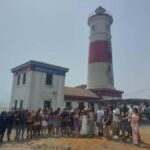
Overnight & Multi-Day Trips, compared.
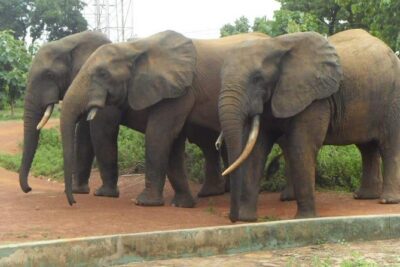 ★ 4.55 Days Adventurous Wildlife SafariFrom $92249 reviews
 ★ 5.010 Days Trip to Cape Coast and Elmina Castles from AccraFrom $4,69531 reviews
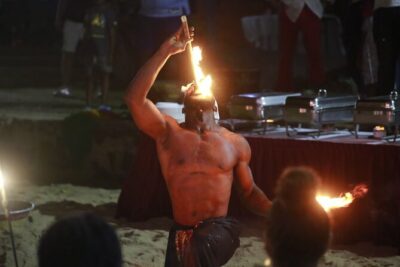 ★ 5.0Explore Ghana Multi Day TourFrom $2,70529 reviews
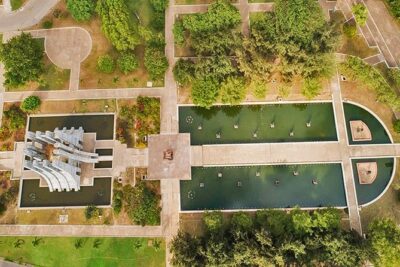 ★ 5.0Ghana City 2-day TourFrom $30721 reviews
 ★ 5.07-Day Private Cultural and Heritage Tour in GhanaFrom $1,99817 reviews
 ★ 5.02-Day Private Tour to the Mount Afadjato and Wli WaterfallsFrom $46417 reviews
 ★ 5.0Volta Region 3 Days 2 nights Nature Private TourFrom $70011 reviews
 ★ 5.08 Day Cultural, History and Adventure TourFrom $2,51511 reviews
Browse the lists this tour appears in