
REVIEW · ASHANTI KINGDOM & KUMASI TOURS
Experience the Culture of Ashanti Kingdom in 5days
Ashanti culture hits fast once you’re in motion. This 5-day loop through Kumasi and the Ashanti villages is built around real places tied to the Ashanti Kingdom, from palaces and museums to hands-on crafts. You also get a clean finish in Accra.
I especially like the mix of history and making things with your own hands, like Adinkra symbol printing and kente weaving. I also like that the package handles the big logistics, with an air-conditioned vehicle, accommodation, attraction fees, and a private guide. One consideration, though, is the pace: most days run around 8 hours, and only breakfast is included, so you’ll want to plan for lunch and dinner on your own.
In This Review
- Key highlights you should care about
- Entering Ashanti Kingdom culture from Accra, then heading to Kumasi
- Kumasi day: Manhyia Palace Museum, Prempeh II Jubilee Museum, and Kejetia Market
- Hands-on Adinkra symbol printing at Ntonso Adinkra Village
- Kente weaving village day in Adanwomase, with time to buy
- Okomfo Anokye Sword Site and Abono Village, with the Bosomtwe stop coming up next
- Back to Accra: Kwame Nkrumah Memorial Park and a final city tour
- Guides, hospitality, and the difference a good team makes
- Price and value: what $1,350 buys you in practice
- Who this Ashanti Kingdom tour fits best
- Should you book this 5-day Ashanti culture experience?
- FAQ
- What is the tour duration?
- Where does the tour start, and what time do activities begin?
- Is pickup offered?
- What is included in the price?
- Are meals included besides breakfast?
- Do I need to bring international airfare or pay visa fees separately?
- What ticket type do I receive?
- What is the cancellation policy?
Key highlights you should care about
- Manhyia Palace Museum gives you the Ashanti story in the palace setting, not just in a generic museum room.
- Adinkra symbol workshop lets you print the symbols and learn the meanings as part of the process.
- Kente weaving village visit includes a weaving workshop and time to buy kente products.
- Okomfo Anokye Sword Site connects two major traditions through one exact location and its long-standing legend.
- Kejetia Market in Kumasi is one of the biggest open-air markets in West Africa, and it’s part of the core Kumasi day.
More of Kumasi and the Ashanti towns around it
- Kumasi Heritage Tours And Naming Ceremony In A Day★ 5.0 · 11 reviews
- 4 Days Trip in Accra, Cape Coast,Kumasi culture & heritage tours★ 5.0 · 5 reviews
- Experience the Culture of Ashanti Kingdom in 5days★ 5.0 · 3 reviews
Entering Ashanti Kingdom culture from Accra, then heading to Kumasi
If you’re coming in from outside Ghana, the first smart move here is how the day starts. You arrive at Kotoka International Airport, Terminal 3, and you’re met by a staff member who helps you get to your hotel. That matters because the first hours in a new city are when small frictions can snowball.
From there, the trip quickly shifts from arrival mode to cultural mode. You’re looking at Kumasi as your Ashanti base, and that’s key, because Kumasi is where many of the royal and cultural institutions are centered. The tour is also arranged as a simple flow, beginning in the Ashanti capital and ending back in Accra.
The start time is set for 7:30 am, which tells you this isn’t a sleep-in-and-snack kind of trip. You’ll be getting moving early enough to make full use of the day, even when the schedule is packed.
Kumasi day: Manhyia Palace Museum, Prempeh II Jubilee Museum, and Kejetia Market
Kumasi isn’t treated as a quick stop. It’s given a full day, and the program focuses on three different ways of seeing Ashanti life, royal history, and everyday commerce.
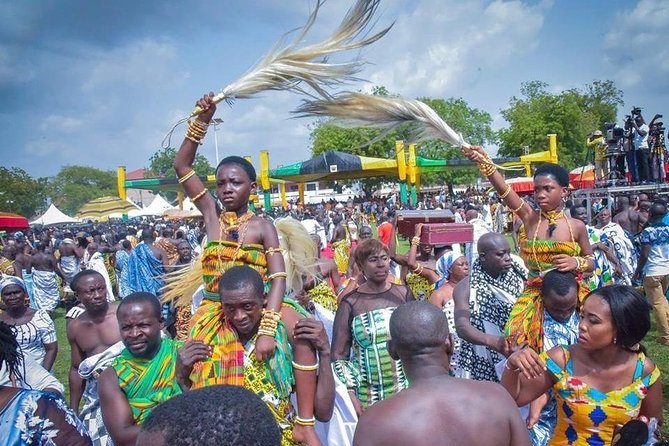
First is the Manhyia Palace Museum inside the Manhyia Palace compound, the residence of the Ashanti king known as the Asantehene. The museum is described as a place where you’ll learn about Ashanti culture and Ghana’s cultural heritage during the colonial era. That’s a powerful combination because it ties culture to the kind of external pressure that changed societies, not just to traditional scenes.
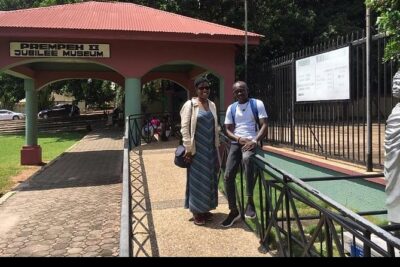
Next comes the Prempeh II Jubilee Museum at the Kumasi Cultural Center. This stop shifts from the palace perspective to a wider historical narrative. You’ll tour the facility and learn more about the history of the Ashanti Kingdom.
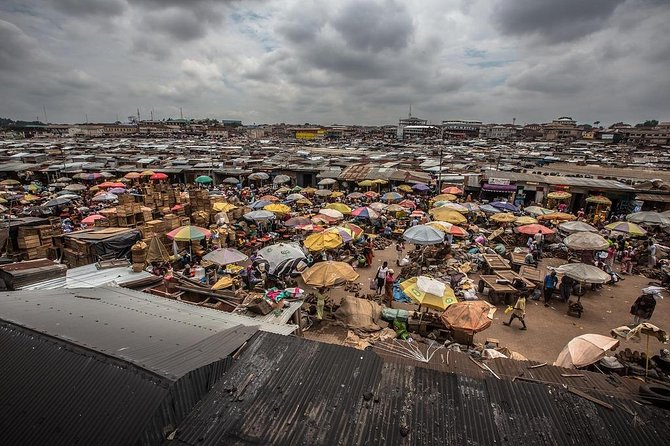
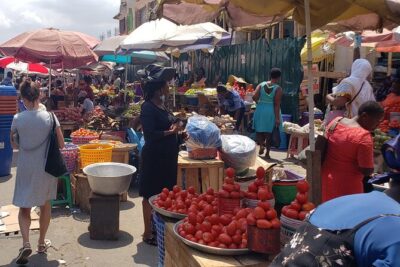
Then the day moves into Kejetia Market. The tour frames it as one of West Africa’s biggest open-air markets, and you’ll feel the energy right away once you’re there. This is not just “shopping time.” It’s a chance to watch how commerce and daily life sit side by side with cultural identity, especially in a major city market.
Practical tip: markets can mean lots of walking and close quarters. Wear comfortable shoes and keep your phone secure. If you plan to buy cloth or souvenirs, you’ll want a little cash and a calm pace, so you don’t feel rushed.
Hands-on Adinkra symbol printing at Ntonso Adinkra Village
One of the strongest parts of this tour is the decision to make you do something, not just watch. On the village day, the first stop is Ntonso Adinkra Village, known for Adinkra symbols.
Here, the focus isn’t just that Adinkra symbols exist. The program explains that the symbols have proverbial meanings. That gives you a framework for understanding what you’re seeing, rather than treating it like decorative patterns.
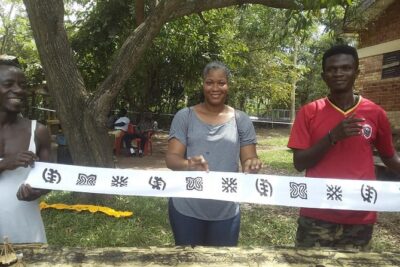
The experience includes a local textile printing workshop where you choose Adinkra symbols and print with them. That “choose and print” detail is important. It turns the visit into a personal memory you can carry home, and it helps the meanings stick because you’re connected to the process.
What to expect: time spent at the workshop is usually the highlight, so plan to be present, ask questions, and take your time. If you rush through the printing part, you miss the best learning moment.
Kente weaving village day in Adanwomase, with time to buy
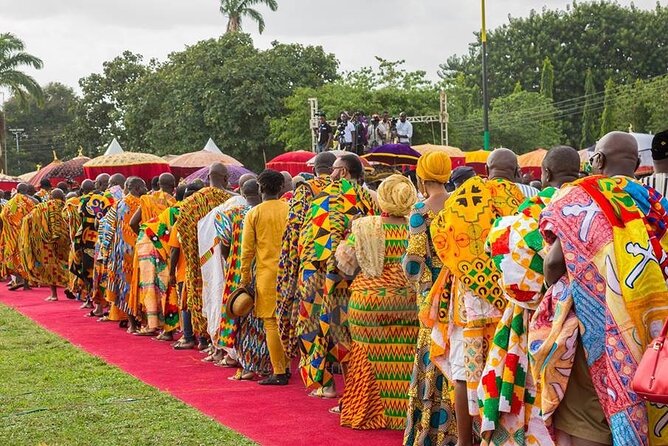
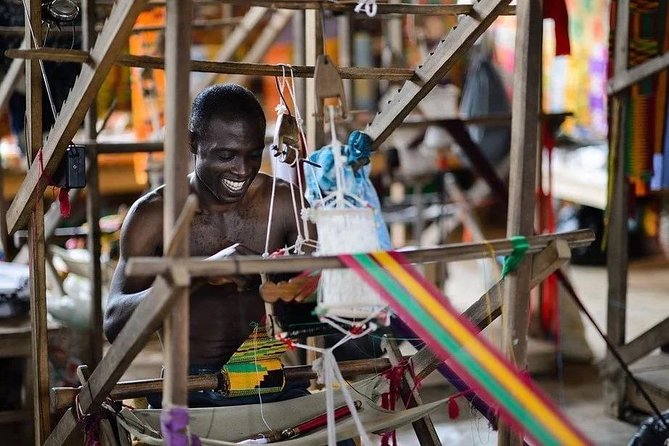
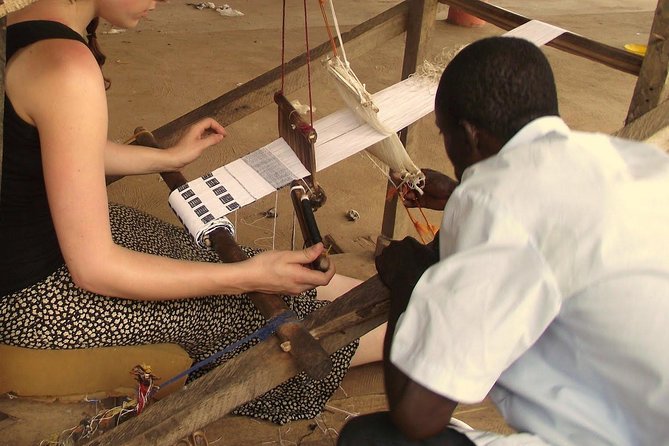
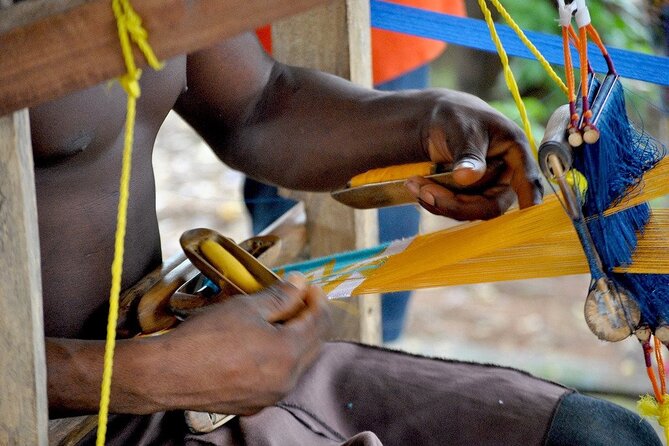
After Ntonso, the tour keeps you moving deeper into craft culture with Adanwomase Kente Weaving Village. Kente is described as a colourful fabric made of interwoven strips, and the tour notes it as silk and cotton. It’s associated with the Akan ethnic group and used for special occasions.
Just like the Adinkra stop, you’re not limited to viewing. There’s a kente weaving workshop, plus time to buy kente products. This is where the trip becomes more than sightseeing because you get a direct look at how the fabric’s character is created through weaving.
A balanced expectation: kente shopping can be tempting, but it’s also easy to overbuy. Decide what you truly want, like a scarf or a smaller item, before you go into bargaining mode. And if you’re buying for gifts, confirm sizes and return policies with your guide if your itinerary allows it.
If you care about Ghana’s textile traditions, this is the day that turns that interest into something tangible.
Okomfo Anokye Sword Site and Abono Village, with the Bosomtwe stop coming up next
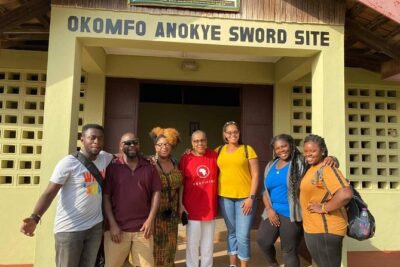
On the next full day, the tour leads with the Okomfo Anokye Sword Site in Kumasi. This is situated on the premises of the Okomfo Anokye Teaching Hospital. The program describes a sword planted into the grounds by Okomfo Anokye, a famous fetish priest, and says it is over 300 years old.
The story adds that several attempts to remove the sword have proved futile. It also notes that the same site is connected to the famous priest conjuring a golden stool for the Ashanti Kingdom. Even if you don’t measure legends like you measure dates, the value here is in the cultural meaning tied to a specific place.
After that, you depart to Abono Village. The schedule doesn’t give extra detail in the information I received beyond the fact you’ll visit it as part of the day. Still, village stops in this program are typically where you slow down and see everyday culture in action, not just in museum walls.
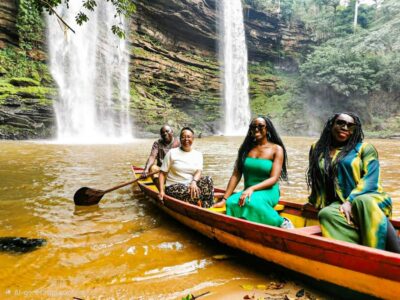
Then your day includes the Lake Bosomtwe stop. The information names Lake Bosomtwe as the key destination for the day, which suggests it’s a major break point in the program, not a quick roadside photo stop. Keep your energy up for this section, because after royal sites and workshops, you’ll want a calmer moment to reset.

Back to Accra: Kwame Nkrumah Memorial Park and a final city tour
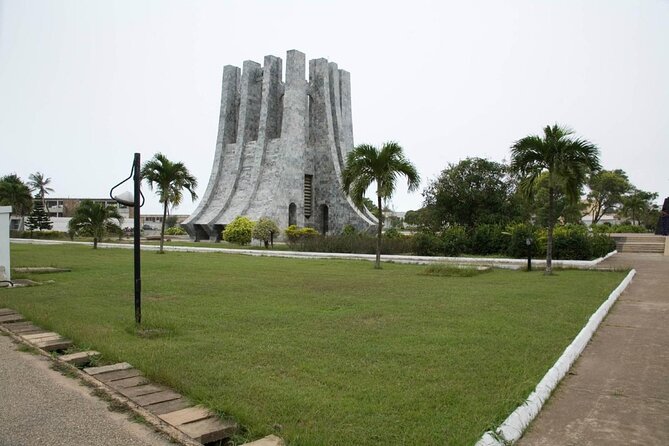
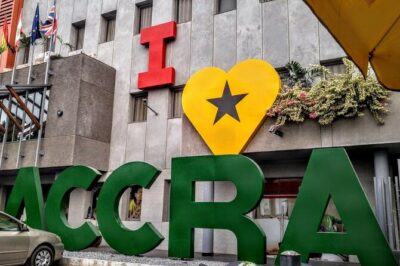
The last day brings you back to Accra. After breakfast, you depart and arrive in the capital for a city tour, followed by a visit to Kwame Nkrumah Memorial Park.
This final stretch matters because it gives you contrast. Kumasi and the Ashanti Region are where you learn the Ashanti story, while Accra is the place where you see Ghana as a modern capital city. Even without adding extra side trips, the city tour plus a memorial park gives you a stronger sense of national context before you head home.
The timing is also practical. After the city day, you transfer to the airport to depart. Your last hours stay structured, which is helpful when you’re tired and travel days are unpredictable.
Guides, hospitality, and the difference a good team makes

This tour is built as a private experience, so you should feel like the plan belongs to your group. The package includes an ongoing support approach (24 hours) and a private tour guide, and those two details are more important than they sound.
In the kind of trip where you’re moving between museums, markets, and village workshops, you want a guide who can manage timing and also help you connect the dots. People associated with the program, including Nurudeen (also written Nuru-Deen), Eazi, and Maxwell, are described as planning everything with care and pride, and making visitors feel at home.
The best part of a strong guide is what happens quietly. Your day runs smoothly, you’re not stuck translating everything on your own, and you get encouragement to ask questions in the moment, not after you’ve left the site.
Price and value: what $1,350 buys you in practice
At $1,350 per person for about 5 days, this is not a budget-only deal. You’re paying for a full package that covers the big cost drivers: air-conditioned vehicle with insurance and fuel, accommodation with air-conditioned rooms, and “all fees and taxes.”
It also includes key activities and attraction fees, plus a private tour guide. On top of that, breakfast is included for 4 days. So even though you still handle things like international airfare and some meals, the package reduces the number of surprises that can turn a trip expensive at the last minute.
What you should confirm before you book is the guide line item, because the information I received shows a private tour guide in the Included section, but also lists private tourguide under Not Included. That doesn’t mean the tour won’t have a guide, but it does mean you should check your booking details so you’re not guessing.
If you want maximum value per day, this is the kind of plan where paying for transport and guided access actually helps. You spend your time doing the meaningful parts, not figuring logistics between stops.
Who this Ashanti Kingdom tour fits best
This program fits best if you want a focused cultural route and you like structured days. You’ll spend a lot of time in Kumasi, with strong village craft experiences on top, and you end with a clear Accra finish.
It also fits travelers who appreciate a mix of settings:
- Royal and museum learning (Manhyia Palace Museum, Prempeh II Jubilee Museum)
- Market life (Kejetia Market)
- Hands-on making (Adinkra printing, kente weaving)
- Spiritual and legendary place narratives (Okomfo Anokye Sword Site)
- A capital city wrap-up (Accra city tour, Kwame Nkrumah Memorial Park)
If you prefer free-form travel where you choose every stop day by day, this might feel too planned. But if you like knowing you’ll hit the core Ashanti cultural sites without stress, this is a solid fit.
Should you book this 5-day Ashanti culture experience?
I’d book it if you want a guided, high-meaning cultural trip with hands-on craft time and a sensible route from Kumasi back to Accra. The package is designed to handle transport, entrance fees, accommodation, and a private guide, which is exactly where many DIY trips lose time.
I would hesitate if you hate long days or you prefer to control every meal and activity. With only breakfast included, you’ll be making choices for lunch and dinner during your travel days, and the 7:30 am start means you’ll need an early routine.
If you want a trip that connects Ashanti Kingdom culture to modern Ghana without making it complicated, this one earns its place on your shortlist.
FAQ
What is the tour duration?
The tour runs for 5 days (approx.).
Where does the tour start, and what time do activities begin?
On day 1 you’re met after arrival at Kotoka International Airport, Terminal 3. The start time listed for the tour is 7:30 am.
Is pickup offered?
Yes, pickup is offered.
What is included in the price?
The package includes an air-conditioned vehicle with insurance and fuel, accommodation with an air-conditioned room, all fees and taxes, 24-hour ongoing support, all activities and attraction fees, a private tour guide, and breakfast for 4 days.
Are meals included besides breakfast?
No. Meals are not included beyond what’s listed in the inclusions, which specifies breakfast (4).
Do I need to bring international airfare or pay visa fees separately?
Yes. International airfare and visa fees are not included.
What ticket type do I receive?
You receive a mobile ticket.
What is the cancellation policy?
You can cancel for free up to 24 hours in advance of the experience’s start time for a full refund. If you cancel within 24 hours of the start time, no refund is provided.
More Ghana Tours Out of the Review Pile
- The Cape Coast Day Tour
★ 5.0 · 525 reviews - Experience the Beauty, History and the Culture Of Accra in a Day
★ 5.0 · 323 reviews - The Cape Coast Tour
★ 5.0 · 177 reviews - From Accra: Cape Coast, Elmina Castle & Kakum Park Day Tour
★ 4.6 · 144 reviews - Accra Detailed City Tour
★ 4.5 · 118 reviews
Deeper into Ashanti
- Kumasi Heritage Tours And Naming Ceremony In A Day
★ 5.0 · 11 reviews - Full-Day Tour to Ashanti Region, Kumasi and Ghanaian History
★ 5.0 · 8 reviews - 4 Days Trip in Accra, Cape Coast,Kumasi culture & heritage tours
★ 5.0 · 5 reviews
Latest Accra reviews added here




Ashanti Kingdom & Kumasi Tours, compared.
 ★ 5.0Bonwire Namimg Ceremony and Kente Tourist CenterFrom $18040 reviews
 ★ 4.5Tour Kumasi City Like a LocalFrom $8034 reviews
 ★ 5.0Kumasi Heritage Tours And Naming Ceremony In A DayFrom $25611 reviews
 ★ 5.0Traditional naming ceremony For African Diasporas in KumasiFrom $17510 reviews
 ★ 5.0Kumasi City TourFrom $608 reviews
 ★ 5.0Full-Day Tour to Ashanti Region, Kumasi and Ghanaian HistoryFrom $2808 reviews
★ 4.5Kumasi City TourFrom $517 reviews
★ 5.0Full-Day Tour to Ashanti Region, Kumasi and Ghanaian HistoryFrom $2808 reviews
★ 4.5Kumasi City TourFrom $517 reviews
 ★ 5.0One day tour at KumasiFrom $1306 reviews
Browse the lists this tour appears in