
REVIEW · DIASPORA ROOTS & NAMING CEREMONIES
A 9 Days Experience Of The Motherland
Ghana hits you fast, in the best way. This 9-day experience strings together Accra culture, Ashanti traditions, nature stops, and the Cape Coast and Elmina UNESCO sites, plus festival time in Winneba. I like that it is not only monuments, it also includes everyday Ghanaian life, like market moments and ceremonies.
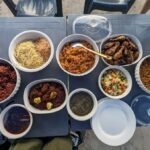
Two big things I like: you get a packed but guided day-by-day plan with pickup and a driver who keeps the logistics moving, and you are set up with meals for eight days (breakfast, lunch, and dinner) plus unlimited bottled water. One thing to consider is the pace, with a 7:00 am start and multiple major stops most days, so you will want comfortable shoes and a patient mindset.
In This Review
- Key highlights to know before you go
- Entering Accra with pickup, welcome, and an immediate sense of place
- Du Bois, Nkrumah, and Accra’s everyday pulse at Makola Market
- James Town, the arts market, and Center for National Culture timing
- Kumasi palace museums, kente and Adinkra, plus a naming ceremony
- Boabeng-Fiema monkeys and Kintampo Falls canopy walk
- Assin Manso Ancestral Slave River Park, Cape Coast Castle, and Elmina Castle
- Kakum canopy walk and Elmina Castle for perspective
- Winneba Maskerade Festival and modern Accra at West Hills and Labadi
- Price, value, and what makes the $1,948.72 price make sense
- The guide team experience: Ben and crew, safety-first energy
- Is this tour for you? Best-fit travelers and smart prep
- Should you book A 9 Days Experience of the Motherland?
- FAQ
- Where does the tour start?
- How long is the tour?
- Is this a private tour?
- What is included in the price?
- What meals are included?
- What is not included?
- Which UNESCO sites are visited?
- Do I have free time for shopping or relaxation during the trip?
- How does the tour end?
- Is free cancellation available?
Key highlights to know before you go

- Accra orientation with airport pickup and a cultural welcome, so you are not stuck figuring out your first hours in Ghana
- Kumasi Ashanti craft time, including kente and Adinkra cloth making, plus a traditional naming ceremony
- Wildlife plus waterfalls, with Boabeng-Fiema Monkey Sanctuary and Kintampo Falls and its canopy walk
- Serious historical grounding, from Assin Manso Ancestral Slave River Park to UNESCO Cape Coast Castle and Elmina Castle
- A real festival day in Winneba for the Maskerade Festival
- Modern Accra wind-down, with West Hills Mall and relaxing at Labadi Pleasure Beach
Other roots visits and naming ceremonies arranged for visiting families
- Ghana Heritage Tours – Beyond The Return★ 5.0 · 36 reviews
- The Ancestral Naming Ceremony and Home Coming Experience★ 5.0 · 30 reviews
- The Homecoming Experience To Cape-coast And Elmina.★ 5.0 · 28 reviews
- Traditional Naming Ceremony and Boat Cruise Experience★ 5.0 · 15 reviews
Entering Accra with pickup, welcome, and an immediate sense of place
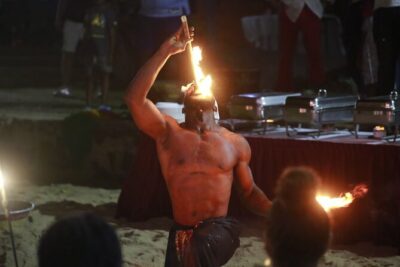
This tour starts the way good trips should: you are met at the airport, then transferred to your hotel. It also has a scheduled traditional cultural performance in Accra on day one, which is a smart way to land, because it sets the tone right away with music and local stage traditions.
I also like the small, practical details that reduce stress. The tour includes an air-conditioned vehicle for getting around, and it includes unlimited bottled water, which matters in warm weather and long drives.
One more plus: the route gives you a true Accra mix early, not just one neighborhood. You will spend time in areas tied to early colonial settlement, local fishing life, major arts markets, and the city’s most famous public spaces.
Du Bois, Nkrumah, and Accra’s everyday pulse at Makola Market
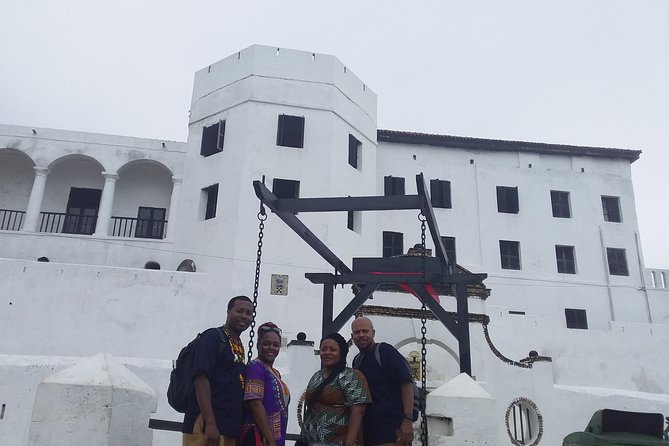
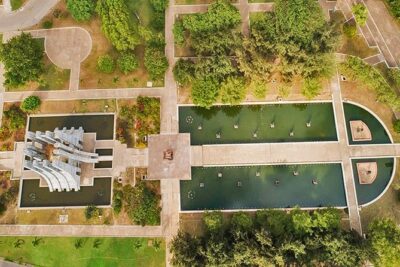
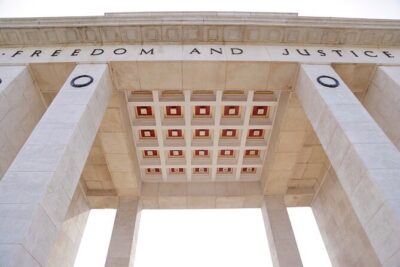
Days two in Accra focus on big ideas and big people, and then it pivots into daily life. You visit the W.E.B. Du Bois Center, which covers his former residence and library, and it links to his role in pan-African activism and the Pan African Congresses (1919 to 1927). Then you move to the Kwame Nkrumah Memorial Park, including the mausoleum, which is the third and final resting place of Ghana’s first president.
After that, you go to Makola Market, one of West Africa’s busiest open-air markets. That stop is not just about photos. It is where you see how people actually buy, trade, and move through the day. It is also a great place to practice patience and observation, because market life is energetic and you will likely want time just to watch and take in what is going on.
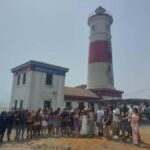
Then you shift to the coast in James Town, checking out the lighthouse area and the Usher Fort, plus the nearby fishing harbor and community. This combination helps you understand Accra beyond museum walls, because you see the city’s relationships to trade, sea life, and older settlement patterns.
Finally, you end day two at the Center for National Culture, which functions like a major arts market. It is a practical stop for gift ideas, and it also helps you understand how craft, performance, and cultural identity connect in one place.
James Town, the arts market, and Center for National Culture timing
This part of the program works well because it staggers experiences. You start with history and politics, you then move through market realism, and you finish with arts and craft.
If you are the kind of traveler who likes to learn as you go, the order helps. Du Bois and Nkrumah give you the “why” behind Ghana’s modern identity, while Makola Market and James Town help you see the “how,” meaning how people live and build community day to day.
If you are not a fast walker, you might plan to slow down at the arts market. Those areas can be crowded and you will want time to browse without feeling rushed.
Kumasi palace museums, kente and Adinkra, plus a naming ceremony
Kumasi is where the tour turns from city sightseeing into Ashanti cultural detail. You begin at Manhyia Palace Museum, then head to the Prempeh II Museum in the Kumasi Cultural Centre. These stops focus on Ashanti leadership, including Nana Agyeman Prempeh and his historical role.
Then comes the hands-on day in the countryside. You visit the kente weaving village of Adansomaso. You are not just seeing cloth, you are learning about the history of kente, which matters because kente is a symbol people connect to identity and meaning, not just a product you buy.
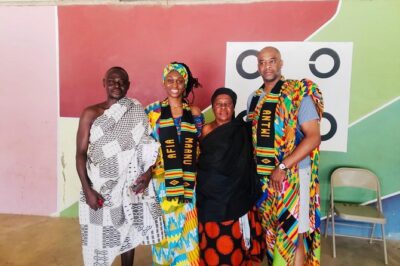
You also include stops beyond textiles, which I love for balance. You will visit a local cocoa farm and a local healers shrine, and then you take part in a traditional local naming ceremony, where you are given a local name. That naming piece is usually the one people remember most, because it makes the experience feel personal and specific, not generic sightseeing.
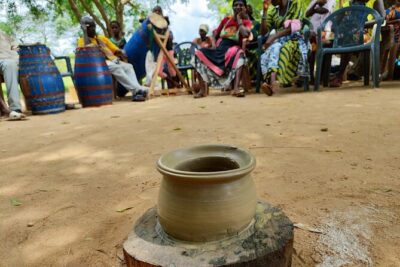
You then move to Ntonso Adinkra Craftsmen, where you learn more about the history and process of making Adinkra cloth. You also get the opportunity to try making your own Adinkra cloth. That kind of activity is a value booster, because you leave with something you can point to later and say what it means in context, not just what it looks like.
Boabeng-Fiema monkeys and Kintampo Falls canopy walk
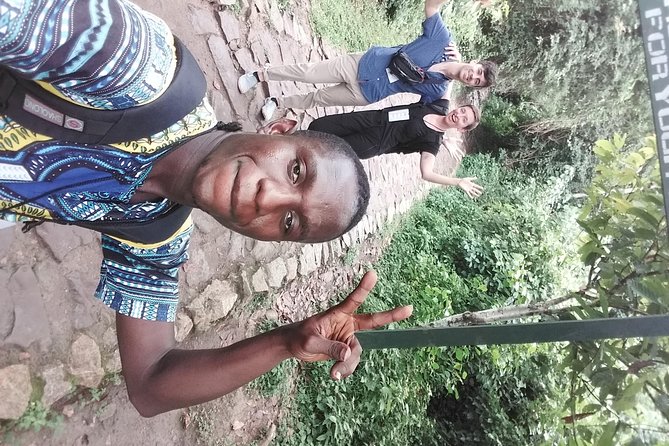
Day five pairs nature and story. You go to Boabeng Fiema Monkey Sanctuary, an ancient traditional village tied to the sanctuary for the Mona and black and white colobus monkeys. There is also a courtesy call on the monkey priest of the villages. Even if you are not someone who gets emotional about animals, it helps to see the local spiritual and cultural relationship to the site.
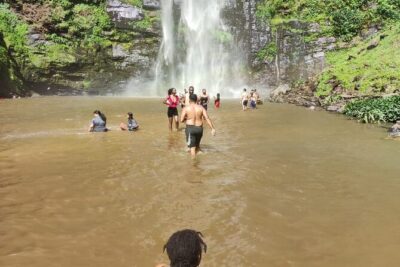
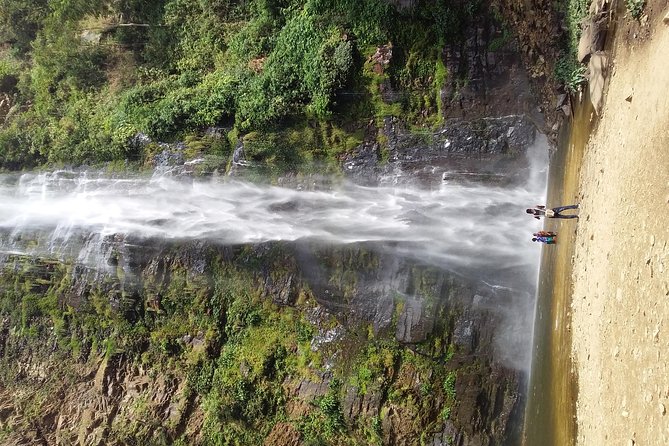
From there, you head to Kintampo Falls, including time at the falls and the newly constructed canopy walk way. This is one of those stops where the logistics pay off, because you are already there with a guide and transport, and you can just focus on the experience.
Practical tip: plan for slippery patches and bring water for the walk. The canopy walk can be a lot of fun, but it also adds an active component to the day, so balance your energy.
Longer routes through Ghana, two nights and upward

Assin Manso Ancestral Slave River Park, Cape Coast Castle, and Elmina Castle
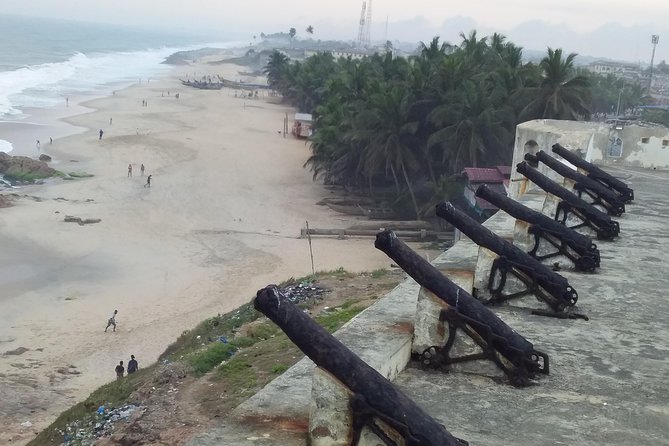
If you want Ghana as more than a highlight reel, this is the core of the tour. Day six and day seven move into sites tied to the Trans Atlantic Slave Trade. At Assin Manso Ancestral Slave River Park, you visit the Slave River and Park, the place where captives were taken for their last bath on the route toward the slave castles in the Cape Coast and Elmina areas.
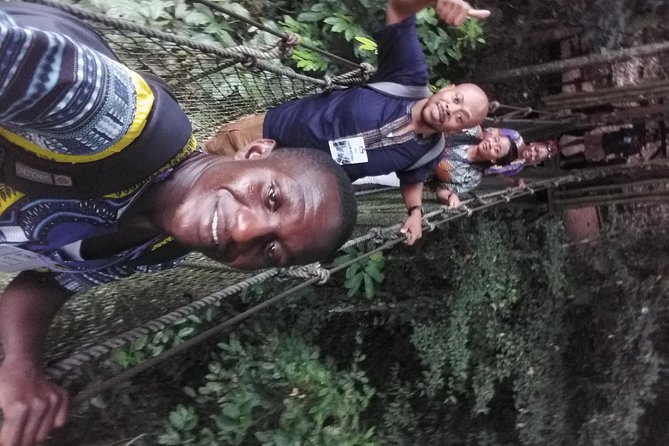
Then you reach Cape Coast Castle, a UNESCO World Heritage site. You also visit Kakum National Park and do the canopy walk on the same general section of days, before finishing with Elmina Castle, another UNESCO World Heritage site. The order is important, because it gives you a sharp contrast, nature and wildlife on one side, and human tragedy and memory on the other.
A note on pacing and emotions: these historical sites can hit hard. You do not need to force yourself to rush or “stay upbeat.” If you feel the weight of it, take your time, and remember that the point is to understand and remember.
Also, the castle stops are long enough to let the guide put context into the rooms, corridors, and spaces you are walking through. That is the kind of experience where having a good guide matters.
Kakum canopy walk and Elmina Castle for perspective
Kakum National Park is a big contrast after castle history. You have time to see trees, animals, and bird species, then you take part in the famous Kakum canopy walk way. It is an active way to connect with the region’s ecosystems rather than only stepping through stone walls and exhibitions.
Then Elmina Castle brings you back to the UNESCO setting. It is described as the first colonial buildings in the sub Saharan Africa, and that detail helps frame its importance. Even if you have visited historic forts elsewhere, Elmina has its own local gravity, because it sits in the exact geographic story of the slave trade routes.
If you like structure, this part of the trip works: you alternate between reflection and breath, between hard history and the physical experience of a canopy walk above the forest.
Winneba Maskerade Festival and modern Accra at West Hills and Labadi
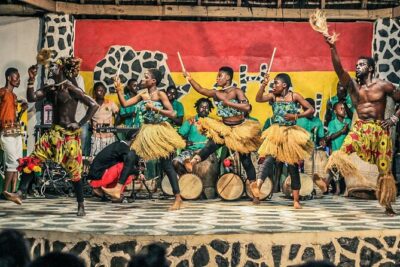
Day eight turns the focus onto celebration. You visit Winneba for the annual Maskerade Festival, celebrated by the people of Winneba. A festival day is one of the best ways to understand culture as living practice, not only as artifacts behind glass. It is also a reminder that Ghana is not stuck in the past, even when you spent recent days with heavy history.
Then day nine shifts again into modern life. You visit West Hills Mall for a feel of modern Accra. After that, you head to Labadi Pleasure Beach to relax, enjoy the breeze, and even try horse riding at the beach.
This combination is a smart way to end. After long drives and intense days, you get a low-pressure last day before leaving.
One practical consideration: beach time is relaxing, but it is still the end of a travel block. Do not plan to overstuff your schedule on the last day, because the tour ends with airport departure.
Price, value, and what makes the $1,948.72 price make sense
The price is $1,948.72 per person for about nine days. That number looks steep at first glance, but this tour bundles a lot that you would normally pay for separately: air-conditioned transport, a driver and tour guide, all fees and taxes, and unlimited bottled water. You also get planned meals for eight days, with breakfast and lunch listed eight times, and dinner included in the eight-day meal plan.
You are also not doing this as a DIY route. Private touring means your timing and stops are shaped for your group, not forced into a public bus and shared taxis. Reviews also emphasize that the guide and team keep everyone on time and handle requests, and the tour includes airport pickup plus return to the airport two hours before check-in.
So where can the value slip? It can feel less like a bargain if you are the type who only wants a few iconic stops and lots of free time. This itinerary is built to keep moving and to fit history, culture, and nature into one coherent run.
The guide team experience: Ben and crew, safety-first energy
Real trip quality often comes down to the guide. In the feedback for this company, Ben is repeatedly mentioned for being responsive and flexible during planning, and for having a friendly sense of humor that keeps long days enjoyable. Names that show up in that same spirit include Victor, Emanuel, Bernice, Dan, Sherifa, and Charles.
That matters because you will be walking through major sites like Cape Coast Castle and Elmina Castle, then switching to markets and craft workshops. You want someone who can explain without turning it into a script. From the pattern of reviews, this guide team shows up on time and makes people feel safe and at ease, including big groups like a 16-person party.
If you want a tour where people feel like family, not just a service, this is the right style.
Is this tour for you? Best-fit travelers and smart prep
This tour is a strong fit if you want Ghana to cover a wide range in a single trip: Accra city life, Ashanti craft and ceremony in Kumasi, wildlife and waterfalls, then the UNESCO slave-trade sites and a festival day.
You will also like it if you prefer a structured plan where admissions and key logistics are handled. And because it is described as most travelers can participate, it is designed to be accessible for a broad range of people.
What to prepare for:
- A 7:00 am start and long days with multiple stops
- Comfortable walking shoes, since several days include museums, markets, and active canopy walk areas
- An open mind for the ceremony and cultural interactions, especially the naming ceremony and cloth-making experiences
If you hate tight schedules, you might find the pace tiring. On the other hand, if you want efficiency without missing the meaning, this route is built for you.
Should you book A 9 Days Experience of the Motherland?
Book it if you want a Ghana trip that balances culture, nature, and memory in a single guided arc. The biggest reasons to choose it are practical: airport pickup, private group touring, air-conditioned transport, unlimited bottled water, and meals for eight days. The itinerary also hits many of Ghana’s “must understand” areas, from Accra’s iconic historical figures to UNESCO sites and a real local festival day.
Skip it only if you want lots of unscheduled time, or if you dislike moving between major sites. This is not a slow travel sampler. It is a purposeful route, and it rewards you if you like to learn and to watch closely.
If you go, go with comfortable shoes, a curious attitude, and the willingness to let the history land, because that is where the trip becomes more than sightseeing.
FAQ
Where does the tour start?
The tour starts with pickup at the airport in Accra on day one, and the listed start time is 7:00 am.
How long is the tour?
The experience runs for approximately 9 days.
Is this a private tour?
Yes. It is described as a private tour/activity, and only your group will participate.
What is included in the price?
The package includes an air-conditioned vehicle, all fees and taxes, unlimited bottle water, a driver and tour guide, plus lunch (8) and breakfast (8). A mobile ticket is also mentioned.
What meals are included?
The tour highlights meals for eight days, including breakfast, lunch, and dinner.
What is not included?
Not included are gratuity to the tour guide and driver, drinks, and items for personal use.
Which UNESCO sites are visited?
Cape Coast Castle and Elmina Castle are both described as UNESCO World Heritage sites.
Do I have free time for shopping or relaxation during the trip?
The itinerary includes scheduled visits like Makola Market and West Hills Mall, plus relaxation time at Labadi Pleasure Beach, but the tour data does not spell out extra unscheduled free time.
How does the tour end?
On the final day, you leave for the airport two hours before your check-in time.
Is free cancellation available?
Yes. Free cancellation is available if you cancel up to 24 hours in advance for a full refund. If you cancel less than 24 hours before the start time, there is no refund.
More Ghana Tours Out of the Review Pile
- The Cape Coast Day Tour
★ 5.0 · 525 reviews - Experience the Beauty, History and the Culture Of Accra in a Day
★ 5.0 · 323 reviews - The Cape Coast Tour
★ 5.0 · 177 reviews - From Accra: Cape Coast, Elmina Castle & Kakum Park Day Tour
★ 4.6 · 144 reviews - Accra Detailed City Tour
★ 4.5 · 118 reviews
Longer Routes Through Ghana
- 10 Days Trip to Cape Coast and Elmina Castles from Accra
★ 5.0 · 31 reviews - 10 Days Ghana Cultural and Heritage Trip
★ 5.0 · 31 reviews - Explore Ghana Multi Day Tour
★ 5.0 · 29 reviews - Ghana City 2-day Tour
★ 5.0 · 21 reviews - 2-Day Private Tour to the Mount Afadjato and Wli Waterfalls
★ 5.0 · 17 reviews
Roots Visits and Naming Ceremonies
- Ghana Heritage Tours – Beyond The Return
★ 5.0 · 36 reviews - The Ancestral Naming Ceremony and Home Coming Experience
★ 5.0 · 30 reviews - The Homecoming Experience To Cape-coast And Elmina.
★ 5.0 · 28 reviews - Traditional Naming Ceremony and Boat Cruise Experience
★ 5.0 · 15 reviews - Naming Ceremony and Heritage Homecoming Experience for Diasporas
★ 4.5 · 15 reviews
Latest Accra reviews added here

Diaspora Roots & Naming Ceremonies, compared.
 ★ 5.0Bonwire Namimg Ceremony and Kente Tourist CenterFrom $18040 reviews
 ★ 5.0Ghana Heritage Tours – Beyond The ReturnFrom $3,59536 reviews
 ★ 5.0The Ancestral Naming Ceremony and Home Coming ExperienceFrom $26530 reviews
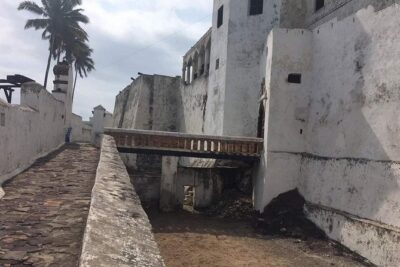 ★ 5.0The Homecoming Experience To Cape-coast And Elmina.From $18028 reviews
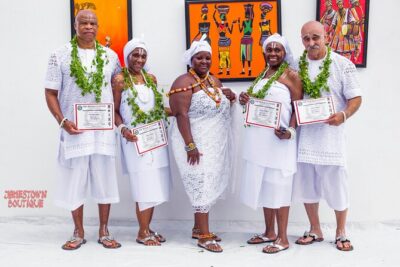 ★ 5.0Traditional Naming Ceremony and Boat Cruise ExperienceFrom $22015 reviews
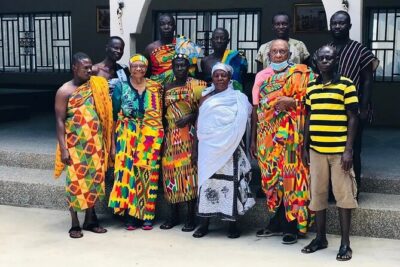 ★ 4.5Naming Ceremony and Heritage Homecoming Experience for DiasporasFrom $26515 reviews
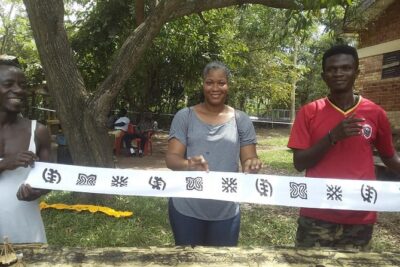 ★ 5.0Kumasi Heritage Tours And Naming Ceremony In A DayFrom $25611 reviews
 ★ 5.0Traditional naming ceremony For African Diasporas in KumasiFrom $17510 reviews
Browse the lists this tour appears in