
REVIEW · ACCRA MARKETS & STREET FOOD TOURS
Makola Market Walking Tour
Makola Market can overwhelm fast. This small-group walk through Accra’s biggest market helps you make sense of the crowds, the tight lanes, and the shopping rules locals actually use, with expert guidance from the start. I especially liked how the guide keeps you from getting turned around in the market’s maze-like layout, and it makes the whole experience feel manageable even when it’s hot and packed.
What I loved most is the hands-on help with prices. You’ll learn practical ways to bargain and shop across sections like textiles, used clothes, electronics, and food, instead of guessing and paying sticker prices. The main drawback is simple: this is a busy outdoor market, so you should be ready for heat, walking, and close contact.
In This Review
- Key things that make this tour work
- Makola Market Needs a Map in Human Form
- Why You’re Paying About $41, and What That Buys You
- Meeting at Accra Central and Staying with the Plan
- The Makola Market Walk Itself: What You’ll See
- Textiles and Used Clothes: How to Bargain Without Guessing
- Electronics and the Real-Life Problem of Getting Sidetracked
- Food and Groceries: Understanding Local Trading Rules
- Guides Make or Break This Tour, and Here’s What to Look For
- Group Size and Safety: Why 15 People Is the Sweet Spot
- Timing, Heat, and What to Wear
- What to Bring So Shopping Feels Easier
- Who Should Book This Makola Market Tour
- Quick Decision Guide: Should You Book?
- FAQ
- How long is the Makola Market Walking Tour?
- Where does the tour start?
- How many people are in each group?
- What’s included in the price?
- Is lunch included?
- Is private transportation included?
- Is free cancellation available?
Key things that make this tour work
- Small group size (max 15) for real attention, not just being herded around
- Haggling coaching so you can shop smarter, not louder
- Makola Market sections covered including textiles, used clothes, electronics, and food
- Local guide navigation that helps you avoid getting lost in the lanes
- Bottled water included to keep you moving through the busiest hours
Still hungry after Makola? These market walks cover the rest
- Makola Market Walking Tour★ 5.0 · 14 reviews
- Private Accra Market Tour★ 5.0 · 10 reviews
- Accra Street Food Tour: Makola Market Tour With Full Lunch★ 4.1 · 9 reviews
- Accra Street Food Tour: Osu Night Market Tour Experience★ 4.7 · 8 reviews
Makola Market Needs a Map in Human Form
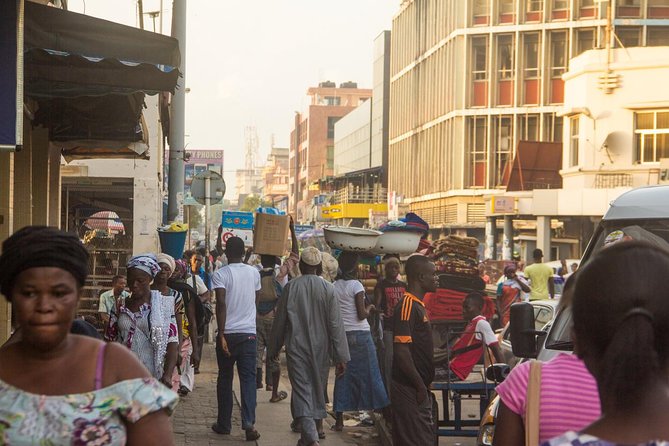
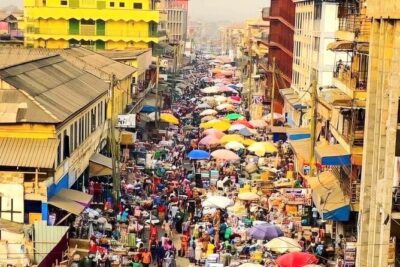
Makola Market is Accra at full volume. It’s not just one street or one building, it’s a network of lanes and stalls, grouped by type of goods. Without a guide, that structure disappears quickly, and you end up spending your energy on getting unstuck instead of shopping.
The best part of a guided walk is orientation. Guides know where the sections are, how vendors group themselves, and how to move through crowds without wasting time. In the experience, you’re not just seeing what’s for sale, you’re learning how the market works as a place where people trade, explain, and negotiate all day.
Why You’re Paying About $41, and What That Buys You
At about $41.03 per person, this tour isn’t a bargain-market-only deal. It’s a pay-for-friend kind of value: you’re paying for someone to help you navigate a huge, crowded marketplace and to translate the local shopping rhythm.
You also get practical inclusions that matter in a market setting. Bottled water is included, and all fees and taxes are covered. You’re there for roughly 1 to 2 hours, so you’re buying time-efficient help rather than a long day commitment.
What you probably want to know is whether the guide can save you money. No tour can guarantee a perfect deal, but bargaining help can reduce the stress and the chances of overpaying when you don’t know how vendors expect shoppers to interact.
Meeting at Accra Central and Staying with the Plan
The tour starts at Accra Central, Tudu Rd (meeting point listed as Accra Central HQ3R+8MX). It ends back at the same meeting point. That back-to-the-start setup is handy in a market like Makola, where you don’t want to hunt for your exit after spending your brain on prices and choices.
Because the meeting point is fixed, you’ll want to arrive a few minutes early and be ready to walk. The tour guidance is built around a group experience, so if you’re late, you can slow things down for everyone.
The other logistics point to keep in mind is that private transportation isn’t included. So you should plan to get to the meeting point on your own, whether you’re using local transport, a taxi, or whatever gets you to Tudu Rd most smoothly.
The Makola Market Walk Itself: What You’ll See
The entire experience is focused on Makola Market, and the market is organized into sections. In plain terms, the guide helps you move through those sections in a logical order so you don’t waste energy backtracking.
Expect a tour that touches:
- textiles and other fabric-related stalls
- used clothes
- electronics
- food and groceries
Your guide also explains how selling works inside each area. That matters because every section has its own rhythm. Clothes sellers may talk style and quality, electronics vendors may focus on function, and food sellers may move on speed and familiarity. You’ll learn to read the cues, not just stare at products.
Textiles and Used Clothes: How to Bargain Without Guessing
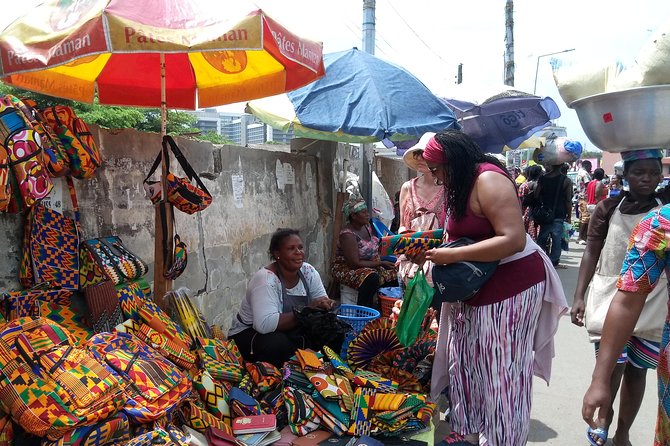
This is usually where bargaining starts to feel real. Fabric and clothing stalls can look similar from far away, but a good guide helps you compare what’s actually different. You’ll also get coaching on how to ask questions that lead to a better price, instead of only saying you want a discount.
One useful mindset: bargaining is not just a fight for the lowest number. It’s a conversation. The guide’s job is to help you keep the conversation respectful and productive, even when the market is noisy and crowded.
If you’re shopping for clothes or cloth prints, bring a clear idea of what you want, plus room for surprises. Sometimes a stall might have something you didn’t know you were hunting for, but you won’t see it if you’re rushing.
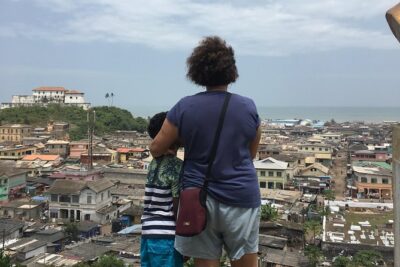
On foot, elsewhere in Ghana

Electronics and the Real-Life Problem of Getting Sidetracked
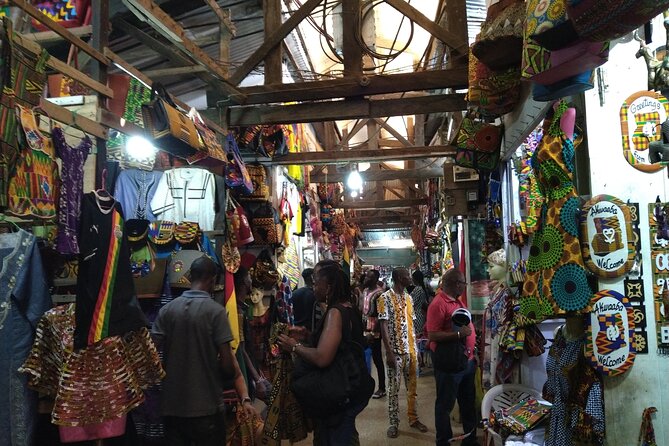
Electronics can tempt you to go off track. You’ll see items fast, you’ll want to compare brands, and it’s easy to lose track of time. A guide helps you stay on course and also prevents the common mistake of treating electronics like a straight price tag purchase.
Instead of only focusing on the lowest price, you’ll learn what questions to ask and how to handle vendor explanations. That doesn’t mean you need to become an electronics expert. It just means you’ll shop with fewer blind spots.
Also, electronics shopping in a crowd is practical chaos. You’ll be walking close to other shoppers, dodging carts, and squeezing into tight spaces. Having someone leading the path is a big deal here.
Food and Groceries: Understanding Local Trading Rules
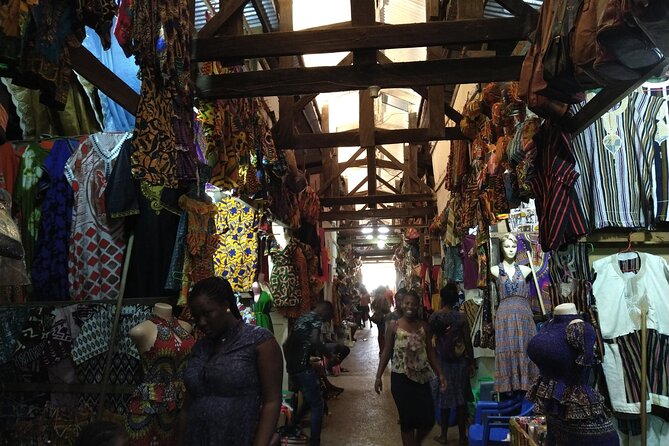
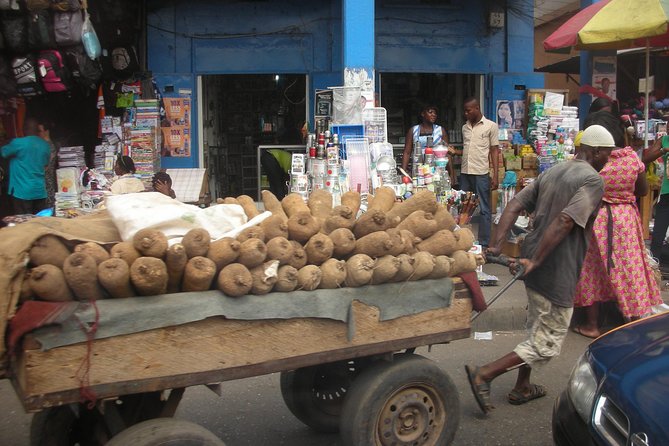
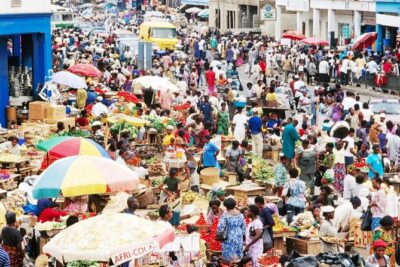
Food and groceries are where the market feels most personal. Even if you don’t buy much, you’ll learn how people move, how they decide, and how vendors communicate value. You get a look at the practical side of trading, the part that isn’t about souvenirs.
This is also the part where the market can feel intense. People are buying, vendors are calling, and movement is constant. The guide helps you slow down just enough to understand what you’re seeing without getting tangled in the flow.
If you’re sensitive to crowds, this segment is where you’ll notice it most. Still, the guidance helps you manage the pace so you can keep the experience enjoyable instead of exhausting.
Guides Make or Break This Tour, and Here’s What to Look For
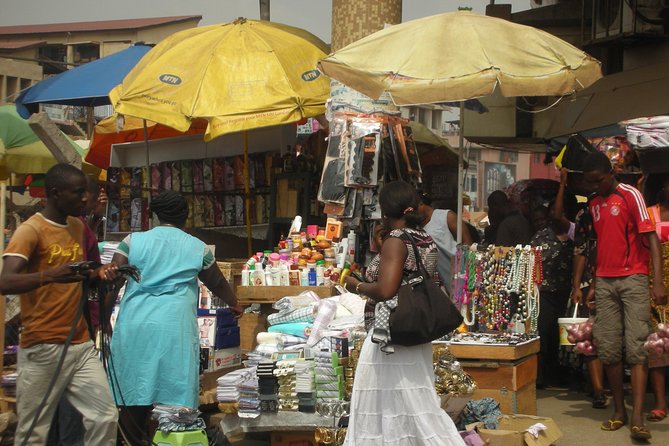
Several guides are mentioned in the experience, including Prince, Ben, and Obeng. Across those different guides, the pattern is consistent: they’re friendly, they answer questions, and they help you find what you actually want.
I like that they don’t treat the tour like a script. In one account, Obeng guided a shopper through the market, helped with negotiating, and even took them to a seamstress to get prints sewn, then returned to the market for an item that had been forgotten. That kind of flexibility shows you the main value of a local guide: when you need to adjust, the guide can help you do it smoothly.
Another big theme is attention. Because the group is small, the guide can check in and adjust the pace. In one account, the guide checked in often to match the traveler’s comfort level, including distance and speed through the crowds.
Group Size and Safety: Why 15 People Is the Sweet Spot
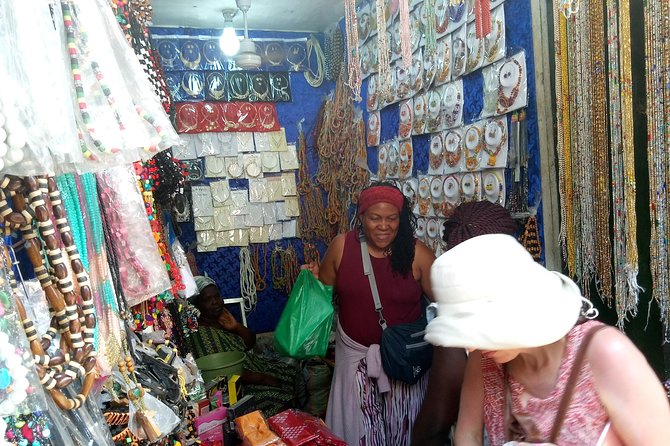
The tour caps at 15 travelers. That size matters. In markets, a bigger group turns into a moving obstacle. A small group means the guide can keep track of who’s where, make sure you don’t drift into the wrong lanes, and help you focus on what you’re shopping for.
This is also a comfort factor. The market can feel like a human maze, and having a guide reduces the mental load. You know where you’re going next, you know what to look for, and you don’t need to constantly scan for an exit.
If you’re a solo traveler, this matters even more. Going in alone means you’re doing everything at once: finding your way, figuring out prices, and dealing with the crowd. With a guide, you can concentrate on shopping instead of navigation.
Timing, Heat, and What to Wear
The tour lasts about 1 to 2 hours. That range is realistic for a place like Makola, where stopping for questions and comparisons is part of the experience. It’s also short enough that you can handle it without turning your day into a full market marathon.
Still, be honest about the conditions. The market is hot and crowded. Dress for airflow and quick movement. Wear shoes you don’t mind getting scuffed by the ground and crowds. And bring the kind of patience you usually save for airport lines.
A small planning tip: go in with a short list. If you try to shop everything, you’ll end up overwhelmed. If you prioritize what matters most to you, the guide can help you find it faster and bargain smarter.
What to Bring So Shopping Feels Easier
This tour includes bottled water, but you’ll still want to show up ready to bargain and walk.
Bring:
- comfortable walking shoes
- a short list of what you want to buy
- cash for market purchases (the tour data doesn’t specify payment methods, so assume cash is useful)
- light, breathable clothing for heat
Also, keep your expectations grounded. A guide can help you bargain, but the market is still a market. Prices can vary by vendor, and you’re interacting with real people who are working while negotiating.
Who Should Book This Makola Market Tour
This tour is a strong fit if you want:
- a guided way to explore Makola Market without getting lost
- practical haggling help so you can shop with less stress
- a structured walk through key sections like textiles, used clothes, electronics, and food
It’s also ideal for first-timers in Accra who don’t want to spend their visit figuring out how the market works. If you’re nervous about crowded spaces or you prefer a plan, this tour keeps you moving and helps you ask better questions.
I wouldn’t call it a match for people who hate close crowds or who want to move completely independently with zero guidance. The point here is support and structure in a place that can overwhelm quickly.
Quick Decision Guide: Should You Book?
Book it if you want to shop Makola Market with a local guide who can handle navigation, help you negotiate, and keep the pace comfortable in a crowded environment. The price is reasonable for the time saved and the added confidence, especially if you’re buying things you care about, like cloth, clothing, or electronics.
Skip it if you’re comfortable dealing with crowds alone, you already know the market layout, or you’re only doing window shopping and don’t need help with pricing.
If you’re on the fence, I’d lean toward booking. A good guide turns a chaotic maze into a manageable walk, and the haggling coaching can make your spending feel smarter, not more stressful.
FAQ
How long is the Makola Market Walking Tour?
The tour runs about 1 to 2 hours.
Where does the tour start?
It starts at Accra Central HQ3R+8MX, Tudu Rd, Accra, Ghana.
How many people are in each group?
This experience has a maximum of 15 travelers.
What’s included in the price?
Bottled water and all fees and taxes are included, and an admission ticket is included as part of the tour.
Is lunch included?
No, lunch is not included.
Is private transportation included?
No private transportation is included.
Is free cancellation available?
Yes. You can cancel up to 24 hours in advance for a full refund. If you cancel less than 24 hours before the start time, the amount paid is not refunded.
A Wider Spread of Ghana Tours
- The Cape Coast Day Tour
★ 5.0 · 525 reviews - The Cape Coast Tour
★ 5.0 · 177 reviews - From Accra: Cape Coast, Elmina Castle & Kakum Park Day Tour
★ 4.6 · 144 reviews - Accra Detailed City Tour
★ 4.5 · 118 reviews - Accra Guided City Tour Experience
★ 4.7 · 88 reviews
More Ghana Tours Out of the Review Pile
- The Cape Coast Day Tour
★ 5.0 · 525 reviews - Experience the Beauty, History and the Culture Of Accra in a Day
★ 5.0 · 323 reviews - The Cape Coast Tour
★ 5.0 · 177 reviews - From Accra: Cape Coast, Elmina Castle & Kakum Park Day Tour
★ 4.6 · 144 reviews - Accra Detailed City Tour
★ 4.5 · 118 reviews
More Market Days in Accra
- Makola Market Walking Tour
★ 5.0 · 16 reviews - Private Accra Market Tour
★ 5.0 · 10 reviews - Accra Street Food Tour: Makola Market Tour With Full Lunch
★ 4.1 · 9 reviews - Accra Street Food Tour: Osu Night Market Tour Experience
★ 4.7 · 8 reviews - Accra, Ghana Guided Local Market Tour
★ 5.0 · 6 reviews
Latest Accra reviews added here




Accra Markets & Street Food Tours, compared.
 ★ 5.0Makola Market Walking TourFrom $5816 reviews
 ★ 5.0Private Accra Market TourFrom $10010 reviews
 ★ 4.1Accra Street Food Tour: Makola Market Tour With Full LunchFrom $749 reviews
 ★ 4.7Accra Street Food Tour: Osu Night Market Tour ExperienceFrom $788 reviews
 ★ 5.0Accra, Ghana Guided Local Market TourFrom $856 reviews
 ★ 4.5Accra Markets TourFrom $1355 reviews
Browse the lists this tour appears in