

REVIEW · CAPE COAST CASTLE TOURS
Walking Tours In Cape Coast And Elmina
Two castles, one heavy story. On this private walking tour from Elmina to Cape Coast, I love the private guide who explains the slave trade clearly, and I love the lagoon-side lunch with bottled water and snacks included. You also get to stand in and around the Portuguese-built Elmina Castle, dating to 1484, which is often described as the oldest building in sub-Saharan Africa.
Along the way, you’ll move through places like the Dutch cemetery and colonial stone houses, then finish at Cape Coast Castle. The main drawback is that it is a walking tour and the subject matter is emotionally intense, so wear comfortable shoes and keep an eye on conditions.
At about 2 hours 30 minutes for $92.31 per person, it feels like solid value because pickup is arranged ahead of time, you get a mobile ticket, and the schedule is tight enough to cover both towns without dragging your day. The tour is operated by Freelancenana Travel And Tours, which helps keep things moving at the local pace.
In This Review
- Key highlights at a glance
- Price and timing: what $92.31 buys you
- Elmina Castle, 1484, and the gravity of first contact
- Dutch cemetery and colonial houses: how the details make sense
- Lagoon-view lunch at Elmina: a needed reset
- Cape Coast Castle and markets: seeing the town, not just the walls
- The guide factor: why private pacing helps you process
- Walking tour logistics: what to plan so you can focus
- Who should book this Elmina and Cape Coast experience
- Should you book it?
- FAQ
- FAQ
- What time does the tour start?
- How long is the walking tour?
- Is pickup offered?
- What is included in the price?
- Are there admission tickets included?
- Is this a private tour?
- Is the tour mostly walking?
- What is the cancellation policy?
Key highlights at a glance
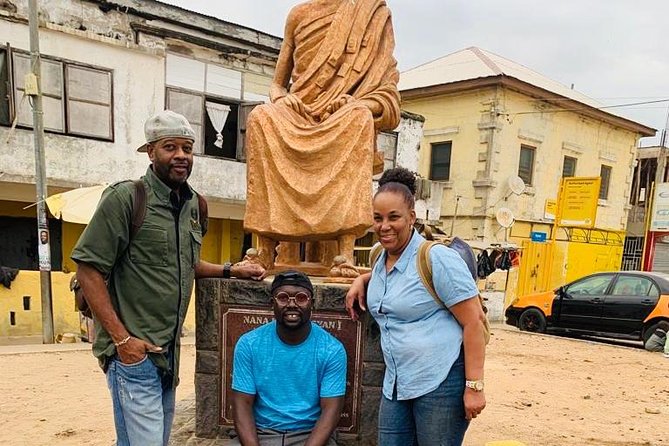
- Portuguese Elmina Castle (1484), tied to the earliest European presence in the region
- Dutch Cemetery and colonial-era buildings, with context from your guide
- Lagoon-view lunch, plus bottled water and snacks included in the price
- Cape Coast Castle admission included, plus a look at township and markets
- Private tour means you can ask questions at a human pace
- Good-weather dependent, since it is mostly on foot
Other trips down to Cape Coast, side by side
- The Cape Coast Day Tour★ 5.0 · 525 reviews
- From Accra: Cape Coast, Elmina Castle & Kakum Park Day Tour★ 4.6 · 144 reviews
- Accra To Cape Coast And Elmina Day Tour★ 5.0 · 75 reviews
- Cape Coast ,Elmina Castle and Kakum Full-Day Tour★ 5.0 · 62 reviews
Price and timing: what $92.31 buys you
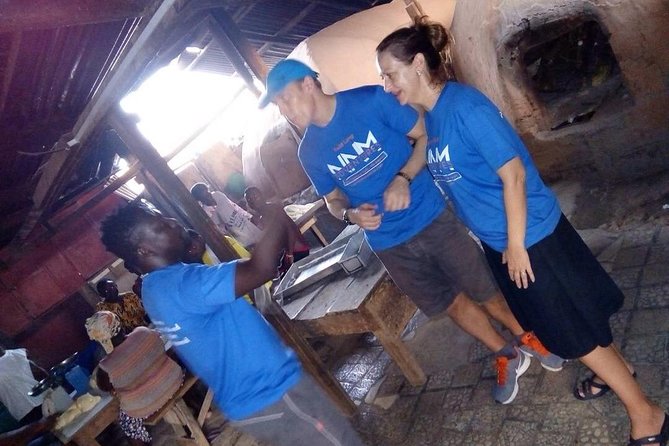
This tour is priced at $92.31 per person for about 2 hours 30 minutes, and that matters, because the cost is not only for entry. You’re also paying for a private guide, pickup arranged in advance, and included food and drinks. Many shorter tours skim the details, but here the time is built around two major sites plus a meal break.
The start time is 8:00 am, which is smart. In the morning you’re more likely to avoid the hottest hours, and you can get the most important sights done before your energy disappears. Since it’s a walking tour, that early start also helps you stay on schedule. Late afternoons are when fatigue starts making history feel like homework, and nobody came to Ghana for that.
Logistics are also handled for you in a few ways. Pickup is available and arranged prior to the tour, and you’ll use a mobile ticket. That reduces the usual back-and-forth you might face when trying to connect with transport or track down your group.
One practical note: it requires good weather. If conditions are poor, the experience can be canceled, with an alternative date offered or a full refund. So if you’re the type who hates schedule uncertainty, keep a flexible morning on your calendar.
Elmina Castle, 1484, and the gravity of first contact
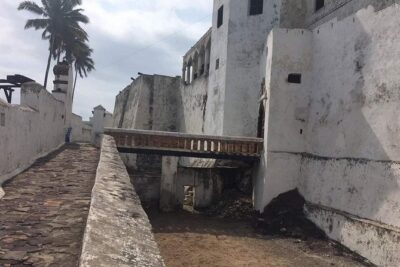
Elmina is where the story becomes physical. Your first stop centers on Elmina Slave Castle, described as the oldest building in existence below sub-Saharan Africa, built by the Portuguese in 1484. Whether you’ve studied the subject before or not, the moment you’re standing in a place that old, it forces your brain to slow down. It is hard, but it’s also one of the few ways travel turns abstract facts into something real.
You’ll spend around an hour here, moving through the space with your private guide. You’re not just looking at walls. You’re learning how the castle connects to the transatlantic slave trade, and you’ll hear the story framed in a way that’s meant to be understood, not just recited. A private guide helps a lot here, because you can ask what specific terms mean, or how to interpret what you’re seeing on the ground.
After the castle, the tour doesn’t just stop at the main building. You also get time around the Dutch cemetery and nearby colonial houses, including stone houses associated with the area’s long European presence. The idea is simple: you come for the famous site, but you leave understanding the surrounding world that formed around it.
There’s also a part of the experience that can feel very human. The tour description includes visiting homes and having interaction with local people, plus passing through historical town sections. That can help balance the heaviness of the castle by reminding you that Elmina is not only a museum-like place. It’s a living town.
The consideration here is pacing and emotion. This is not the sort of tour where you can speed through and be done. If you know you get overwhelmed easily, plan for breaks, and let the guide know if you need a slower moment.
Dutch cemetery and colonial houses: how the details make sense

A lot of visitors see major landmarks, then move on fast. This tour is better because it keeps returning to details that explain the bigger picture.
The Dutch cemetery matters because it signals how layered the colonial era was. You’re not looking at one nationality, one era, one straight line. You’re seeing evidence of repeated presence, shifting control, and the way European communities left physical traces behind. Even if you’re not a history nerd, standing near a cemetery with old graves changes your sense of scale.
As you walk past colonial houses, the tour also emphasizes the built environment around the castle. The description notes walking past historical and colonial stone houses and seeing more local homes. That’s where the tour becomes more than a single-site visit. It turns Elmina into a readable map, so you understand where the castle sits within the town.
Here’s the value for you: when the guide connects these details back to the transatlantic slave trade, it stops feeling like a lecture. It becomes a guided walk with stops that give the story anchors. You’re less likely to forget facts after one hour, because the facts are attached to places.
One small caution: because this is a walking tour, you’ll want to keep your focus even when you’re tired. The best learning happens when you can pay attention to what the guide points out, even briefly. Comfortable shoes become more than a comfort issue.
Lagoon-view lunch at Elmina: a needed reset

After the first castle stop and the nearby sights, the tour includes lunch at a restaurant described as having a top view overlooking the lagoon and the castle. This is one of the best practical choices in the whole schedule.
Food and shade matter on a morning walk. The tour also includes bottled water and snacks, so you’re not stuck paying extra for small things while you’re already processing heavy information. Having a meal built into the route is what keeps this from turning into a sad marathon.
I like that the lunch spot looks out over the water and the castle. It gives you a moment to breathe and to let your brain reorder what you’ve just learned. You can also look back at the area you walked earlier, and the castle becomes more than a standalone site. It becomes part of a broader setting: town, coastline, and daily life.
Practical tip: since you’ll be outside and walking, treat lunch as your refuel point. Eat what you can, drink water even if you don’t feel thirsty, and then get ready for the second major site in Cape Coast.
Cape Coast Castle and markets: seeing the town, not just the walls
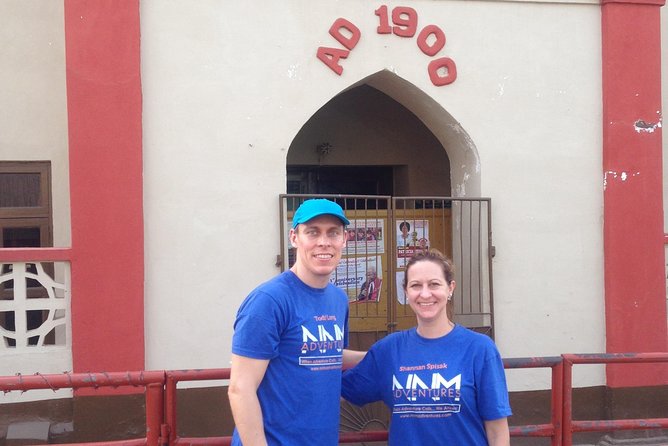
Your second stop is Cape Coast Castle, with about an hour dedicated to it. This part is paired with a look at the township and markets, then the castle itself. That mix makes the visit feel less like a closed-off historical set and more like a real place where people live now.
The tour includes admission ticket for the Cape Coast Castle portion. That’s useful because it saves you from last-minute ticket buying or uncertainty about what fees are covered.
What I appreciate here is that you’re not only traveling between two iconic prisons. You’re also seeing how the towns function around them. Markets and township streets are not distractions from history. They show you what survived and what changed, and that context helps the experience land differently.
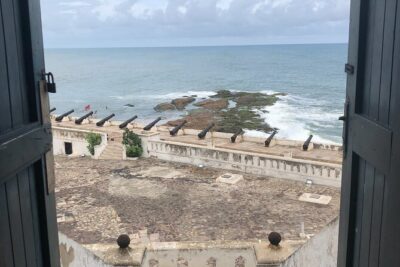
The castle visit at Cape Coast continues the transatlantic slave trade theme, and it’s the kind of site where a guide can make a huge difference. Without context, castle walls can feel like architecture trivia. With the right framing, you understand the purpose of spaces and why the story is told in specific ways.
The main consideration for you is time on foot. You’ll likely feel the day’s walking by this point, so keep your pace steady and don’t rush your viewing. If you want the learning to stick, slow down for the key explanations, then keep moving.
Elmina turns up on plenty of itineraries. Here are the others

The guide factor: why private pacing helps you process

The tour is explicitly private, meaning only your group participates. That sounds like a small detail, but for a subject like this, it changes everything.
When you have a private guide, you can control the speed. If a moment is heavy, you can ask a question without feeling rushed. If something doesn’t make sense, you can get it explained in plain language. You don’t have to rely on reading plaques and hoping you interpret them correctly.
The tour description also emphasizes learning about the transatlantic slave trade from your guide. That is the core value here. The sites are powerful, but the storytelling matters because it helps you connect what you see to what it meant. For many people, that is what makes the experience memorable in a meaningful way.
From what I’d use to judge a tour like this, the best guides do two things at once: they’re respectful with the material, and they’re clear about the historical connections. A private format is the best way to get both.
If you prefer minimal speaking and lots of silent walking, you might not love a talk-heavy guide. But since the tour is designed as a guided educational walk, you should expect explanations throughout.
Walking tour logistics: what to plan so you can focus

This is a walking tour, and that influences what you should bring and how you should prepare.
- Wear comfortable shoes with grip. Cobblestones, uneven ground, and long stretches happen in historic districts.
- Dress for warm outdoor time, since the day runs from an 8:00 am start and you’ll spend time outside between stops.
- Bring something light for sun protection, and keep an eye on the weather, since the experience requires good weather.
Pickup is available and arranged prior to the tour, so you don’t need to figure out transport between areas on your own. Still, it helps if you confirm the pickup details early, so you’re not hunting for your driver at the last second.
Also, service animals are allowed, and the tour notes that most travelers can participate. That’s a good sign, but remember the practical reality: walking tours still mean time on your feet.
If you’re traveling with kids, this can work if your group is ready for serious content. If you have mobility limits, you should ask the operator how walking distances will be handled, since the tour is described as walking with two main stops.
Who should book this Elmina and Cape Coast experience
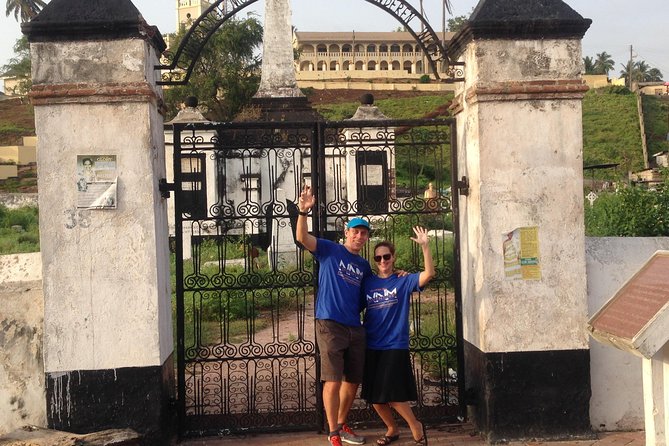
This tour is a strong match if you want a structured, guided visit to two of Ghana’s most significant sites, with real context and time to ask questions. It also works if you appreciate thoughtful pacing, because it includes lunch and breaks the morning into understandable segments.
It’s especially good for:
- First-time visitors to Ghana who want the most important coastal history sites in one morning
- People who prefer a private guide for heavier topics
- Travelers who like a mix of major landmarks and local town streets, including markets
It might be less ideal if:
- You want a relaxed, purely scenic walk with minimal historical explanation
- You have limited ability to walk for several hours on uneven streets
- You know you’ll struggle emotionally with slavery-related history
Should you book it?
If you’re deciding, here’s the simple way I’d call it. Book this tour if you want a guided, private morning that covers Elmina Castle and Cape Coast Castle with lunch included, and you’re ready to face the dark history with context rather than guesswork. The price makes sense because it includes pickup, a guide, snacks, and drinks, plus admission coverage for the second castle portion.
Skip or postpone if your main goal is light, casual sightseeing, or if you’re not comfortable with the emotional weight of the transatlantic slave trade story. In that case, you might prefer a different type of Ghana tour that fits your mood better.
FAQ
FAQ
What time does the tour start?
The start time is 8:00 am.
How long is the walking tour?
It lasts about 2 hours 30 minutes.
Is pickup offered?
Yes. Pickup is available and arranged prior to the tour.
What is included in the price?
Lunch, bottled water, and snacks are included.
Are there admission tickets included?
The Elmina Castle portion lists admission ticket as free, and the Cape Coast Castle portion lists admission ticket as included.
Is this a private tour?
Yes. It is a private tour/activity, and only your group will participate.
Is the tour mostly walking?
Yes. This is described as a walking tour.
What is the cancellation policy?
Free cancellation is available up to 24 hours in advance for a full refund. If you cancel less than 24 hours before the start time, you will not receive a refund. The experience also requires good weather, so if it is canceled due to poor weather you’ll be offered a different date or a full refund.
More Ghana Tours Out of the Review Pile
- The Cape Coast Day Tour
★ 5.0 · 525 reviews - Experience the Beauty, History and the Culture Of Accra in a Day
★ 5.0 · 323 reviews - The Cape Coast Tour
★ 5.0 · 177 reviews - From Accra: Cape Coast, Elmina Castle & Kakum Park Day Tour
★ 4.6 · 144 reviews - Accra Detailed City Tour
★ 4.5 · 118 reviews
Elmina on Other Itineraries
- From Accra: Cape Coast, Elmina Castle & Kakum Park Day Tour
★ 4.6 · 144 reviews - Accra To Cape Coast And Elmina Day Tour
★ 5.0 · 75 reviews - Cape Coast ,Elmina Castle and Kakum Full-Day Tour
★ 5.0 · 62 reviews - 10 Days Trip to Cape Coast and Elmina Castles from Accra
★ 5.0 · 31 reviews - Cape Coast and Elmina Castles Tour
★ 5.0 · 31 reviews
More Trips Down to Cape Coast
- The Cape Coast Day Tour
★ 5.0 · 525 reviews - The Cape Coast Tour
★ 5.0 · 177 reviews - From Accra: Cape Coast, Elmina Castle & Kakum Park Day Tour
★ 4.6 · 144 reviews - Accra To Cape Coast And Elmina Day Tour
★ 5.0 · 75 reviews - Cape Coast ,Elmina Castle and Kakum Full-Day Tour
★ 5.0 · 62 reviews
Latest Accra reviews added here






Cape Coast Castle Tours, compared.
 ★ 5.0The Cape Coast Day TourFrom $155525 reviews
 ★ 5.0The Cape Coast TourFrom $170177 reviews
 ★ 4.6From Accra: Cape Coast, Elmina Castle & Kakum Park Day TourFrom $110144 reviews
 ★ 5.0Accra To Cape Coast And Elmina Day TourFrom $16575 reviews
 ★ 5.0Cape Coast ,Elmina Castle and Kakum Full-Day TourFrom $15562 reviews
 ★ 5.010 Days Trip to Cape Coast and Elmina Castles from AccraFrom $4,69531 reviews
 ★ 5.0Cape Coast and Elmina Castles TourFrom $15731 reviews
 ★ 5.0The Homecoming Experience To Cape-coast And Elmina.From $18028 reviews
Browse the lists this tour appears in