
REVIEW · ACCRA MARKETS & STREET FOOD TOURS
Accra Markets Tour
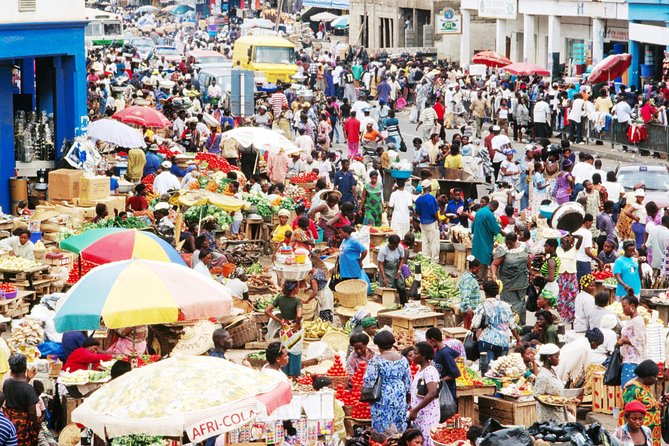
Forget the map, follow the bargains. The Accra Markets Tour is a guided, private walking experience that takes you through key market areas while a local guide helps you read the stalls, ask questions, and shop with confidence. It also adds special stops like the Arena Accra timber market and a herb market focused on roots and leaves used in traditional remedies and practices.
I love the way the tour teaches African-style bargaining, not just where to go. I also like that you get to see herbalists and other makers in action, with the herb market experience giving context for how people use plants in everyday life.
One consideration: market time can feel fast, and the tour may leave you wanting more time in your favorite spot (especially if you hit Makola first). If you do not enjoy negotiating, you may feel a bit overwhelmed at the start, but your guide can help you slow down and work smarter.
In This Review
- Key things to know before you go
- Why this Accra Markets Tour is worth your time
- Price and value: what $135 buys for 3.5 hours
- Before you step in: pace, walking, and the pickup advantage
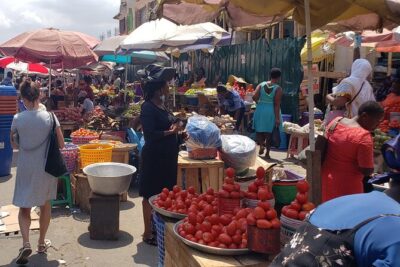
- Makola Market: your first stop and your first bargaining lesson
- Kantamanto Market: using the guide to shop smarter
- Agbogbloshie Market: a change of atmosphere and a chance to compare
- Arena Accra timber market: seeing the trade behind the goods
- The herb market: roots, leaves, and traditional remedies
- Getting the most out of bargaining without losing your cool
- What the group format changes for you
- Who should book this Accra Markets Tour
- Final call: should you book it?
- FAQ
- How long is the Accra Markets Tour?
- Where does the tour start and end?
- Is pickup included?
- Is this tour private?
- What is included in the price?
- What is the price per person?
- Does it run year-round and what are the opening hours?
- What should I know about weather and refunds?
Key things to know before you go
- Private tour, your group only: more control over pace and questions, instead of being swept along with strangers.
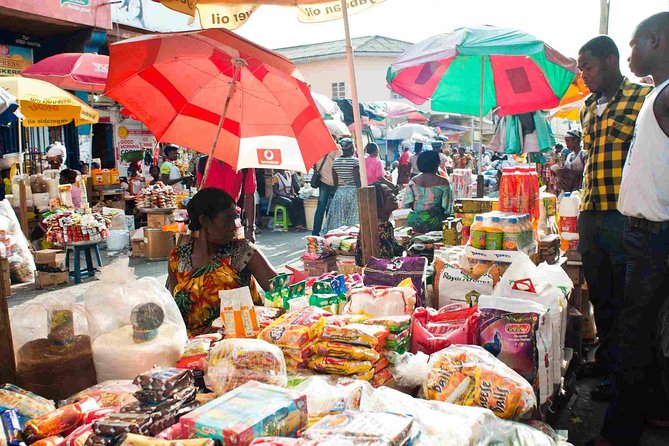
- Bargaining coaching is the real value: you learn how to talk price, not just buy things.
- Three market stops in one half day: Makola, Kantamanto, and Agbogbloshie are covered back-to-back.
- Arena Accra timber market: a working trade stop that changes the rhythm from general shopping.
- Herb market focus on roots and leaves: a practical look at traditional remedies and related practices.
- You get pickup and a mobile ticket: easy start, less time hunting for the group.
Still hungry after Makola? These market walks cover the rest
- Makola Market Walking Tour★ 5.0 · 14 reviews
- Private Accra Market Tour★ 5.0 · 10 reviews
- Accra Street Food Tour: Makola Market Tour With Full Lunch★ 4.1 · 9 reviews
- Accra Street Food Tour: Osu Night Market Tour Experience★ 4.7 · 8 reviews
Why this Accra Markets Tour is worth your time

Markets are where cities speak in real time. This tour is built for that, with a local Hausa guide leading you through Accra’s market areas so you are not just walking through crowds. You get a simple structure: shop, ask, compare, and negotiate, all with someone who knows how the conversations typically work.
What makes it especially useful is that bargaining is treated like a skill. The guide helps you handle the back-and-forth, and you end up with a better sense of value. That matters, because when you shop without guidance, the hardest part is not finding something. The hardest part is knowing what the price should feel like.
The other strength is the herb market segment. Most market tours stop at shopping. This one gives you the plant side of the conversation, including how roots and leaves show up in traditional remedies and practices. Even if you do not plan to buy anything, it helps you understand why these stalls look the way they do and what sellers are trying to communicate.
Price and value: what $135 buys for 3.5 hours
At $135 per person, this is not a bargain-basement excursion. But it is priced like what you are really paying for: a guided market day that includes all fees and taxes, an experienced guide, pickup, and a tight 3 hours 30 minutes running time.
In plain terms, you are buying three things:
- Local guidance in multiple markets (not just one).
- Bargaining support, which can save you money and stress.
- Time efficiency, because you are covering several focused stops in one go.
If your priority is to wander markets on your own, you can likely do that for less money. But if your goal is to understand what you are seeing, ask questions, and shop without feeling lost, the guide turns the tour into something closer to a lesson plus shopping time.
Booking trends can be a clue here. This tour is often booked around two months ahead, so planning ahead helps if you want a specific day during the open hours window.
Before you step in: pace, walking, and the pickup advantage
You should expect a walking-style market experience, with plenty of standing and moving through busy areas. The tour asks for moderate physical fitness, which usually means you will be on your feet more than you are sitting, and you might deal with uneven ground.
The good news is that you get pickup offered, and the tour runs during daytime hours (Monday to Friday, roughly 7:00 AM to 6:00 PM). Starting earlier in that window can help you get through stalls without feeling like you are fighting the day’s crowds.
The private format also changes how the day feels. Instead of being told what to see, you can steer the conversation a bit. If you want to focus on goods, ask more about products and process. If you want to prioritize the herb market, you can ask questions and spend more time where it interests you most, as long as the group stays on track.
Makola Market: your first stop and your first bargaining lesson
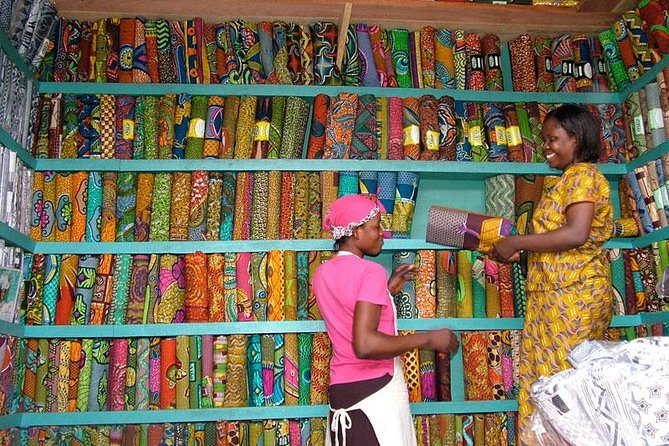
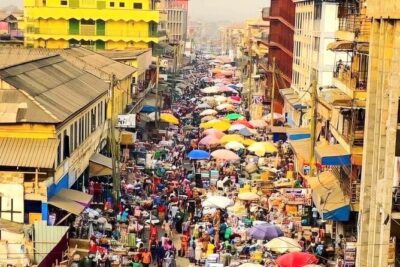
Makola is where you get your bearings fast. It is the starting market, so it tends to set the tone for how the rest of the tour feels. The guide typically helps you shift from watching to doing, which is key in places where sellers are constantly communicating.
This is also the best moment to learn bargaining basics because you have not built bad habits yet. You will be asked to participate, meaning you will practice the back-and-forth price talk with guidance rather than trying to guess on your own.
What I like about starting with Makola:
- You immediately see a mix of the kinds of things people actually shop for, including local goods, foods, and souvenirs.
- The guide can coach you on how to interact, so you do not feel like you are interrupting or guessing the rules.
A potential drawback is simple: you might wish you had more time there. One common theme is that Makola can feel like the most compelling market, so plan for the fact that the tour time is shared across several stops.
Tip for you: go in with a small list. Pick a few items you truly want. Then let the bargaining lesson help you decide what is worth buying, instead of getting pulled in by every interesting stall.
Kantamanto Market: using the guide to shop smarter
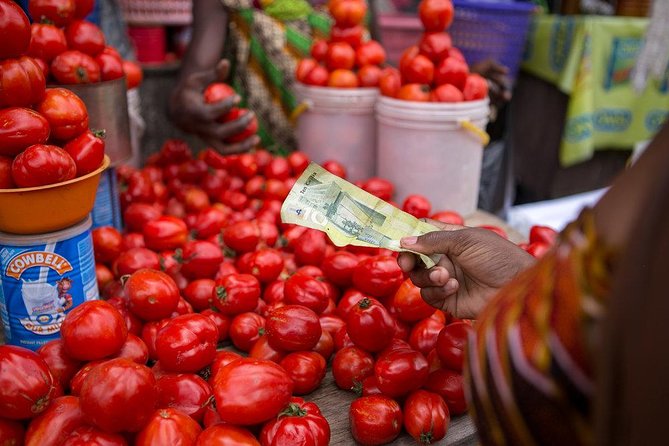
After Makola, the tour moves you to Kantamanto, which keeps the shopping and negotiation skills active. By now, you should recognize the pattern: sellers want conversation, you want clarity, and the guide helps you translate between those goals.
This is where having an experienced handler makes a big difference. Without guidance, market negotiation can become awkward. With guidance, you learn how to ask questions in a way that keeps things respectful and productive. You also learn when to slow down, compare options, and decide.
What you gain in Kantamanto is momentum. You spend less time figuring out how to participate and more time actually shopping. Since the tour is private, you can ask follow-up questions without feeling rushed.
If you are nervous about bargaining, this is a good place to test your confidence. Ask about options and pricing structure with your guide close by. You can still keep your budget in mind while learning how sellers respond to different signals.


Agbogbloshie Market: a change of atmosphere and a chance to compare
Agbogbloshie is the third major market stop, and it tends to shift the feel of the day. The important part is not a specific item category, it is the comparison. You see how the market logic changes by location and by seller focus.
By this point, you have already practiced negotiation style twice. That helps you shop with more control. You can ask, compare, and decide based on your own comfort level, rather than reacting to every new price.
The tour’s value here is that you are not just collecting souvenirs. You are building an understanding of how different market areas function. That makes your purchases more intentional, and it makes your photos and stories feel grounded in real context.
If you have trouble with haggling, this is also where you might feel slightly overwhelmed if you try to manage everything yourself. Keep the guide close, and use them as your filter. The goal is not to win every deal. The goal is to negotiate in a way that works for both you and the sellers.
Arena Accra timber market: seeing the trade behind the goods
At some point, the tour adds Arena Accra, including a timber market stop. This changes the experience from general market browsing to a working trade environment. You are no longer only shopping for finished goods and souvenirs. You are watching a trade connected to materials and craftsmanship.
This is a strong addition because it gives you a “how it’s made” angle, or at least a “how it gets sourced” angle. Even if you do not buy timber items, you come away with a more complete picture of what makes these markets function beyond retail.
The best part is the contrast. After walking through market stalls, a trade-focused stop gives your brain a new job. Instead of tracking prices for small items, you pay attention to sellers’ processes and what buyers typically want.
For you, it is also a chance to buy something meaningful, not just quick. If you do want a purchase, this is one of the stops where talking through materials and usage can help you choose better.
The herb market: roots, leaves, and traditional remedies
The herb market is one of the tour’s most distinctive parts. You are looking at roots and leaves used in traditional remedies, with related practices referenced in the tour framing. This is where your guide’s context matters, because these stalls are not set up like typical tourist shopping.
What you should expect:
- People demonstrating herbal knowledge through the products they sell.
- A chance to understand why certain plants and plant forms are used.
- A guided conversation about how traditional remedies fit into daily life.
Even if you do not plan to buy anything, it is worth treating the herb market like an education stop. Ask questions about the names of plants, how sellers describe uses, and what kinds of remedies people commonly look for. Your guide can help keep your questions respectful and relevant.
If you are curious about traditional medicine but cautious about buying, you can still participate fully. The tour is not forcing you to purchase. You can learn first, decide later, and let the guide translate what you are seeing.
Getting the most out of bargaining without losing your cool
Bargaining is the skill that makes the whole day feel smoother. The tour is designed around that, but you still need a plan so you do not get steamrolled by the noise.
Here is how I suggest you approach it:
- Start by asking with your guide, not by reacting to the first price.
- Treat prices as a conversation, not a verdict.
- Decide on a budget range before you start shopping.
- Keep your tone calm. When you act rushed, sellers sense it.
Also, if haggling is not your thing, you can still have a good time. One drawback that can happen is feeling overwhelmed because the market interaction is constant. The fix is simple, stay focused on the items you care about and let your guide handle the rhythm.
Remember, the guide is there to keep the day enjoyable. A well-run tour should help you feel safe and steady while you practice negotiating like a normal person, not like you are trying to win.
What the group format changes for you
This is a private tour, meaning only your group participates. That has real benefits in markets:
- You can move at a pace that matches your comfort level.
- You can ask follow-up questions without competing for attention.
- You can spend more time on the parts you care about, like the herb market or a specific market that clicks for you.
Pickup offered also helps you arrive already connected to the plan. In market areas, that matters because finding the right entry points can be confusing even when you know the general area.
If you are traveling as a couple or a small group, this format can feel like hiring a local friend who knows how to shop with you. If you are a solo traveler, the private setup can still be valuable because it keeps the bargaining coaching personal.
Who should book this Accra Markets Tour
I think this tour fits best if you want:
- A guided market walk through multiple market areas in a half day.
- Help with bargaining, especially if you do not have market experience.
- A more structured approach to shopping for local goods, foods, and souvenirs.
- A learning stop that goes beyond retail, like the herb market.
It might be less ideal if you hate negotiating so much that the idea makes you tense. Markets involve constant interaction, and even with guidance, you will still be participating.
Your best match is a traveler who likes to talk to people, asks questions, and is okay spending 3.5 hours on foot with a clear plan.
Final call: should you book it?
Book this Accra Markets Tour if you want more than photos and random shopping. The guide-led bargaining coaching and the mix of Makola, Kantamanto, and Agbogbloshie, plus Arena Accra timber and the herb market, give you a full market education in one morning or afternoon block.
Skip or rethink it if your ideal market day is quiet wandering and you do not want to negotiate at all. Also, if Makola is the only market you care about, be aware the time is shared across several stops.
If you do book, go with a short shopping list, keep a calm tone for bargaining, and use your guide. That is the difference between feeling lost in the noise and feeling in control while you shop.
FAQ
How long is the Accra Markets Tour?
The tour lasts about 3 hours 30 minutes.
Where does the tour start and end?
It starts in Accra, Ghana and ends back at the meeting point.
Is pickup included?
Pickup is offered.
Is this tour private?
Yes. It is a private tour or activity, and only your group participates.
What is included in the price?
The price includes all fees and taxes and an experienced tour guide.
What is the price per person?
The price is $135.00 per person.
Does it run year-round and what are the opening hours?
It has opening hours listed for Monday to Friday, 7:00 AM to 6:00 PM.
What should I know about weather and refunds?
The experience requires good weather. If it is canceled due to poor weather, you will be offered a different date or a full refund. Free cancellation is available up to 24 hours in advance for a full refund.
A Wider Spread of Ghana Tours
- The Cape Coast Day Tour
★ 5.0 · 525 reviews - The Cape Coast Tour
★ 5.0 · 177 reviews - From Accra: Cape Coast, Elmina Castle & Kakum Park Day Tour
★ 4.6 · 144 reviews - Accra Detailed City Tour
★ 4.5 · 118 reviews - Accra Guided City Tour Experience
★ 4.7 · 88 reviews
More Ghana Tours Out of the Review Pile
- The Cape Coast Day Tour
★ 5.0 · 525 reviews - Experience the Beauty, History and the Culture Of Accra in a Day
★ 5.0 · 323 reviews - The Cape Coast Tour
★ 5.0 · 177 reviews - From Accra: Cape Coast, Elmina Castle & Kakum Park Day Tour
★ 4.6 · 144 reviews - Accra Detailed City Tour
★ 4.5 · 118 reviews
More Market Days in Accra
- Makola Market Walking Tour
★ 5.0 · 16 reviews - Makola Market Walking Tour
★ 5.0 · 14 reviews - Private Accra Market Tour
★ 5.0 · 10 reviews - Accra Street Food Tour: Makola Market Tour With Full Lunch
★ 4.1 · 9 reviews - Accra Street Food Tour: Osu Night Market Tour Experience
★ 4.7 · 8 reviews
Latest Accra reviews added here





Accra Markets & Street Food Tours, compared.
 ★ 5.0Makola Market Walking TourFrom $5816 reviews
★ 5.0Makola Market Walking TourFrom $4114 reviews
★ 5.0Makola Market Walking TourFrom $5816 reviews
★ 5.0Makola Market Walking TourFrom $4114 reviews
 ★ 5.0Private Accra Market TourFrom $10010 reviews
 ★ 4.1Accra Street Food Tour: Makola Market Tour With Full LunchFrom $749 reviews
 ★ 4.7Accra Street Food Tour: Osu Night Market Tour ExperienceFrom $788 reviews
 ★ 5.0Accra, Ghana Guided Local Market TourFrom $856 reviews
Browse the lists this tour appears in