
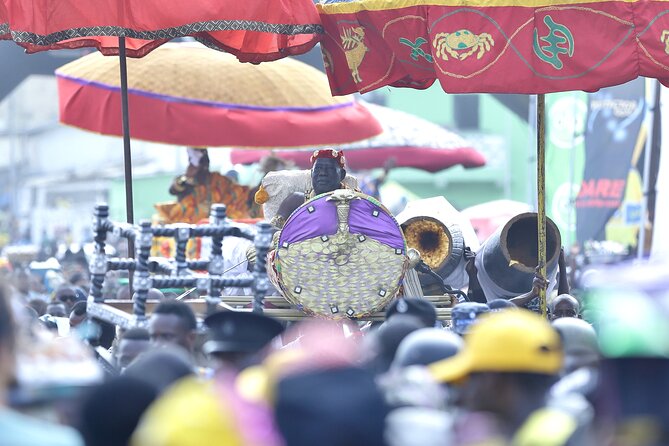
REVIEW · OVERNIGHT & MULTI-DAY TRIPS
9 Day Ghana Wildlife and Culture Tour
Ghana is a trip of big feelings and big animals. This 9-day tour pairs Mole National Park wildlife time with hands-on Asante crafts and the slave-trade story at Cape Coast and Elmina. You also get a very structured guide setup, including airport meeting and an organized pace that keeps logistics from eating your time.
I especially like the way the tour builds context before you go. You start with museums and old Accra neighborhoods, then you head north for real savannah viewing, then you land back in central Ghana for places like Cape Coast Castle where history is impossible to ignore. The other big win for me is the guide and driver care. In past trips with this company, guests named guides such as Ali and bird guide Foster, plus driver Frank, for 24/7 attention and smooth, calm driving.
One consideration: the days are full. You will have early starts, a domestic flight north to Tamale, and at least one activity that is genuinely physical, like elephant tracking on foot in Mole and the high canopy walkway at Kakum.
In This Review
- Key highlights worth planning around
- Why this 9-day Ghana mix feels practical
- Accra arrival: Kotoka pickup, National Museum, James Town, and Nkrumah
- Mole National Park: elephant tracking and night drives that feel like the main event
- Mole on foot, plus Mognori village and a canoe river safari
- Kintampo Falls and Boabeng-Fiema: nature breaks with culture and conservation
- Kumasi crafts: Asante shrines, Kente weaving, adinkra symbols, and brass casting
- Cape Coast and Elmina: Assin Manso, Cape Coast Castle, and St. George’s
- Kakum National Park canopy walkway, stingless bees, and batik with Global Mamas
- Back to Accra: Fort Amsterdam at Abandze and your final farewell dinner
- Price and value: what $4,695 covers in real terms
- Should you book this Ghana Wildlife and Culture Tour?
- FAQ
- Where does the tour start in Ghana?
- Is pickup and airport transfer included?
- How long is the tour?
- Is this tour private?
- What meals are included?
- Are excursion fees included?
- Do you go to Mole National Park for wildlife viewing?
- Is there an armed guide for elephant tracking?
- Which important historical sites are included on the coast?
- What if weather is poor?
- Is the visa included?
Key highlights worth planning around

- Mole National Park with elephant tracking, including morning walking time with an armed guide
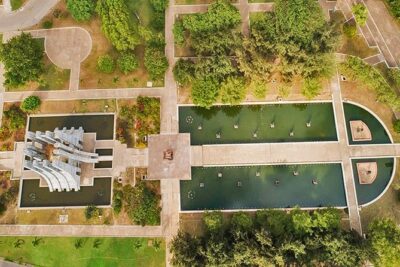
- Accra on foot and by monuments, from James Town to Kwame Nkrumah Memorial Park and Independence Square
- Craft time in Kumasi, including Kente at Adanwomase, adinkra symbols at Ntonso, and brass casting in Sokoban Krofrom
- Cape Coast and Elmina castles, plus Assin Manso on the enslaved trade route
- Kakum National Park canopy walkway, then stingless bees and a batik workshop run with local women
Longer routes through Ghana, two nights and upward
- 10 Days Trip to Cape Coast and Elmina Castles from Accra★ 5.0 · 31 reviews
- 10 Days Ghana Cultural and Heritage Trip★ 5.0 · 31 reviews
- Explore Ghana Multi Day Tour★ 5.0 · 29 reviews
- Ghana City 2-day Tour★ 5.0 · 21 reviews
Why this 9-day Ghana mix feels practical
This tour is designed for people who want contrast in a single trip, not a one-note safari or a one-city history binge. Ghana can do both, and this route tries to prove it in order: start in Accra, go north for wildlife, then return south for culture and the coast.
The structure matters because it reduces decision fatigue. You get a vehicle with you for the long stretches, plus expert local guidance at every meaningful stop. That means you spend time looking at the world, not negotiating tickets, figuring out routes, or playing guessing games with timing.
Also, the inclusions are broad. Your price covers accommodation, air-conditioned vehicle, expert local guide support, airport transfers, and meals (breakfast 8 times, lunch 8 times, dinner 9 times), plus “all excursion fees” and unlimited mineral water. For many travelers, that turns a stressful planning process into a clear checklist.
Accra arrival: Kotoka pickup, National Museum, James Town, and Nkrumah
Your trip begins at Kotoka International Airport, where your guides meet you and help you hook up immediately after arrival. That first handoff is a big deal in any new country. It lets you get checked into Accra with minimal friction and start learning Ghana without losing a day to logistics.
Day 2 is a strong Accra introduction because it covers layers, not just landmarks. At the National Museum of Ghana, you get ethnographic displays that explain West African culture through objects and traditions from multiple countries, not only Ghana. The adjoining garden with sculptures adds another angle, and it’s also where you can browse and purchase traditional fabrics and crafts.
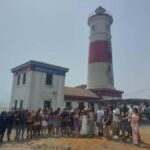
Then comes James Town, which is best experienced on foot. You’ll walk through Accra’s older suburb and see historical structures tied to the pre-independence era. A standout is the 30-meter lighthouse built by the British in 1871, plus Fort James as part of the network of old trading forts.
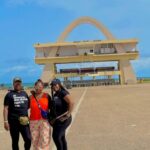
After that, Independence Square and the Kwame Nkrumah Memorial Park bring Ghana’s independence story into focus. The flame of African liberation lit in 1961 by Kwame Nkrumah is a specific moment that helps the monuments feel real. You also get time at the National Cultural Center, where locals sell crafts from across West Africa, so you can connect symbolism with everyday trade.
The day ends with Teshie and the Fantasy Coffins. This is one of those experiences that makes Ghana feel vividly different. The coffin designs reflect how families remember the deceased, from everyday objects to animals and scenes of status or occupation.
Mole National Park: elephant tracking and night drives that feel like the main event
North Ghana is where this tour earns its wildlife reputation. After an early flight from Accra to Tamale, the plan is to maximize daylight in Mole National Park. That timing choice is smart because animal behavior, especially near watering holes, is often best in morning and late afternoon.
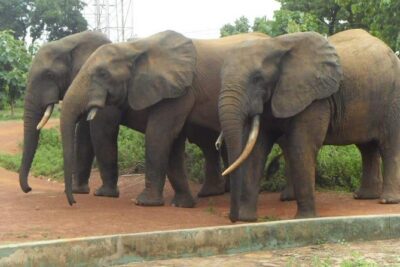
Once you reach the Mole area, you base yourself near the park and get those classic savannah visuals from your accommodation. The itinerary even calls out the feeling of watching elephants at a watering hole while you relax at the pool terrace. That kind of proximity does not happen on every wildlife trip, and it makes the park feel less like a distant “destination” and more like part of your daily rhythm.
In the evening, the tour shifts into game viewing mode. You drive and walk in the park spotlighting, aiming to find your first mammals in the habitat. Even if you do not see everything on night one, the routine builds confidence, and your guide can steer you toward likely spots.
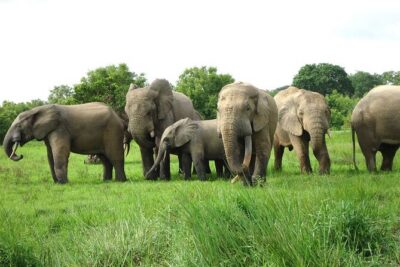
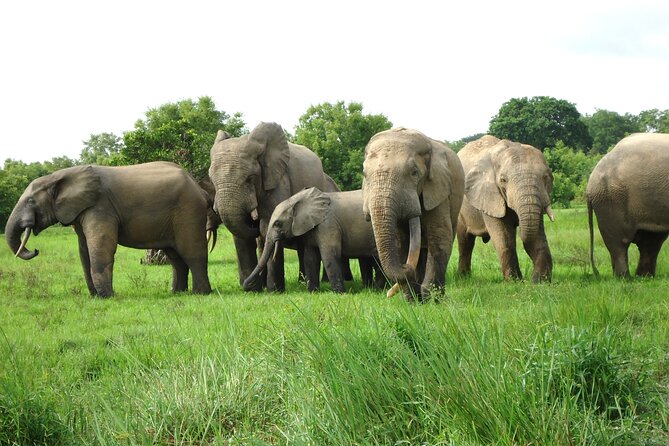
Then Day 4 is the big-ticket wildlife moment. You head out early with an armed guide tracking African elephants on foot. The itinerary is clear that you dedicate the morning to tracking and getting as close as possible. Expect a lot of quiet time, scanning for movement, and pauses that feel slow until you see the reason.
Mole on foot, plus Mognori village and a canoe river safari
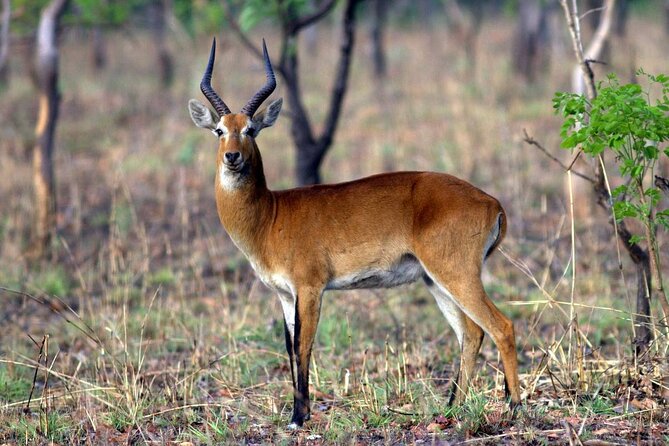
Mole does not only mean elephants. The tour points you toward primates around watering holes, including olive baboon and patas monkey, and it also notes regular sightings possibilities for kob, bushbuck, and waterbuck. This matters because you are not just chasing one iconic species. You are learning how the savannah ecosystem plays out.
After the morning, you get a more relaxed block at the accommodation area. Lunch happens around the pool, and the plan even gives you time to swim or cool off. That break is not filler. Wildlife days are long, and heat plus long walking makes rest time practical.
In the afternoon, you visit Mognori, a village near the park boundary, with a local guide leading a walking tour of the community. This part is especially valuable because it adds human scale to the wildlife setting. You learn about shea butter production and why the shea nut matters locally, plus you hear about local shrines in the area and how traditional beliefs fit into day-to-day life.
The day closes with a river safari in traditional dugout canoe. This shifts you from savannah tracks to water-based wildlife viewing, where birds and small movement often show up differently. It’s also a nice change of pace, especially after several hours outdoors.
Kintampo Falls and Boabeng-Fiema: nature breaks with culture and conservation
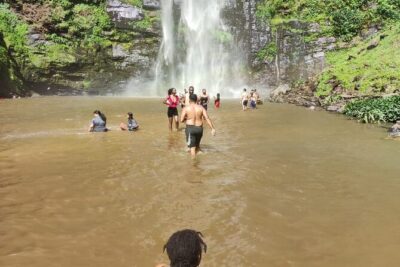
After Mole, you start moving south. The route includes Kintampo Falls as a nature stop, and this one comes with options. You arrive before lunch, enjoy the falls and a small pool at the bottom, and some guests use the time for swimming. If you like practical breaks that feel like a real local refresh, this fits the “do it now” style of this tour.
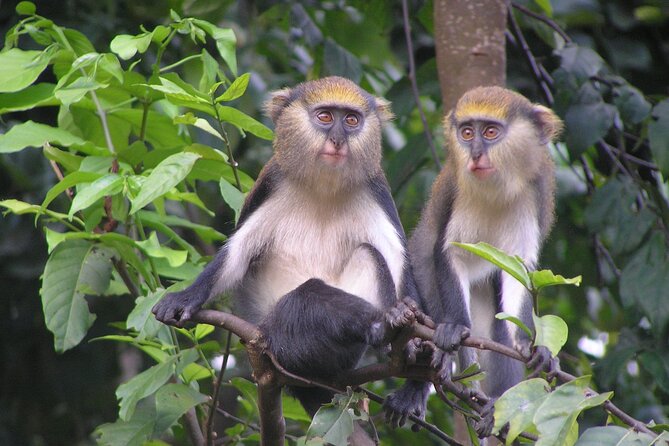
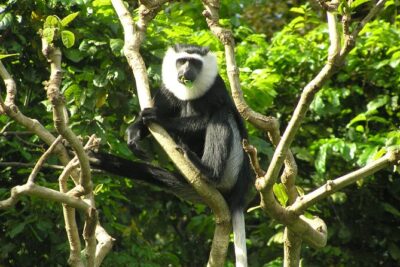
Next, you travel toward Boabeng-Fiema Monkey Sanctuary, visiting Techiman along the way. Boabeng-Fiema is described as forest habitat protected by local villages, not a zoo. You meet locals and learn the background of how they protect black and white colobus and Lowe’s mona monkeys, with traditional burials tied to how monkeys are viewed in the community.
For me, the most interesting part is the way this stop combines belief with ecology. The guide identifies medicinal trees and plants and explains how they benefit locals. You get to see how conservation can look like tradition, not only like rules.
You then continue to Kumasi in the early evening. That timing works well because Kumasi is built for evening energy, and you arrive without burning the whole day purely in transit.
Animals in the wild, elsewhere in Ghana
Kumasi crafts: Asante shrines, Kente weaving, adinkra symbols, and brass casting
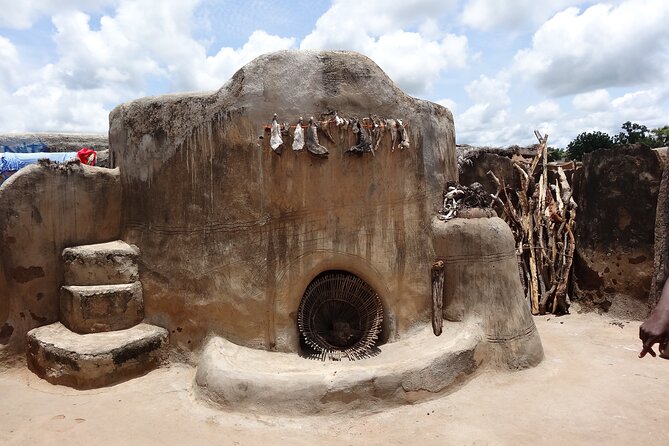
Kumasi is where the tour shifts from wildlife to Ghana’s craft identity. Day 6 begins with a visit to the last material remains of the great Asante Empire, recognized as UNESCO World Heritage Sites. The itinerary highlights 10 active shrines made from bamboo, timber, mud, and thatched roofs, and it also notes that the walls include motifs tied to ancient Adinkra symbols.
You also get a story anchor through Nana Yaa Asantewaa, presented here as a major figure in Ashanti history and a leader in the 1901 conflict against the British. Learning a personal name in a place like this helps you remember what you’re seeing and why it matters.
The tour then takes you into two craft communities that teach you by walking and interacting. At Adanwomase, it’s Kente cloth. You get time for quality interaction, and you see weavers outside their homes still using trandition-style weaving. The point is not only shopping, it’s understanding why certain patterns exist and why some designs are tied closely to the region.
At Ntonso, it’s adinkra symbols and cloth origins. The itinerary notes symbols carved from calabash shells and printed onto cloth with natural dyes from local tree bark. You can make your own strip of adinkra cloth using symbols with personal significance. That hands-on moment is one of the best ways to leave with something that actually means something.
Later, Sokoban Krofrom adds brass casting. You watch a demonstration of the traditional process and then browse stores selling handmade items. If you enjoy crafts, you’ll likely find it easier to appreciate materials and technique after the morning shrine and cloth lessons.
Cape Coast and Elmina: Assin Manso, Cape Coast Castle, and St. George’s
If your trip includes Cape Coast, you should mentally prepare for emotional intensity. The itinerary builds that preparation in stages. You first stop at Assin Manso, described as an important town along enslaved African trade routes. The focus here is memory and context before you step into the castles.
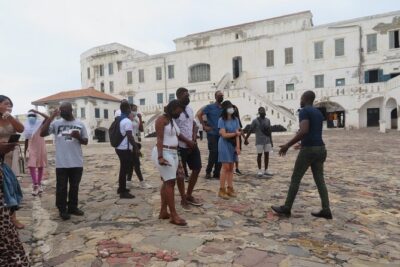
Then you reach Cape Coast Castle. You have lunch overlooking the ocean first, which helps you reset before entering. After that, you tour the castle as a UNESCO World Heritage site, including dungeons and the Door of no return. There is also an internal museum that explains the full history of the castle and Cape Coast, plus a souvenir shop if you want something you can carry home.
It’s not a “quick look and move on” visit. The itinerary calls it a thought-provoking, emotional journey, and this is the kind of stop where guided interpretation makes the difference between information and understanding.
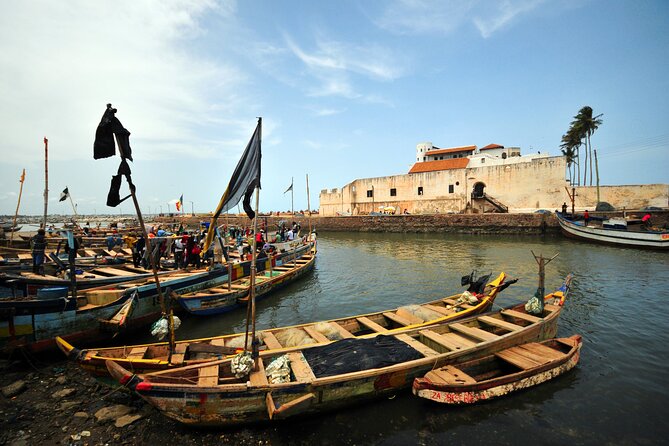
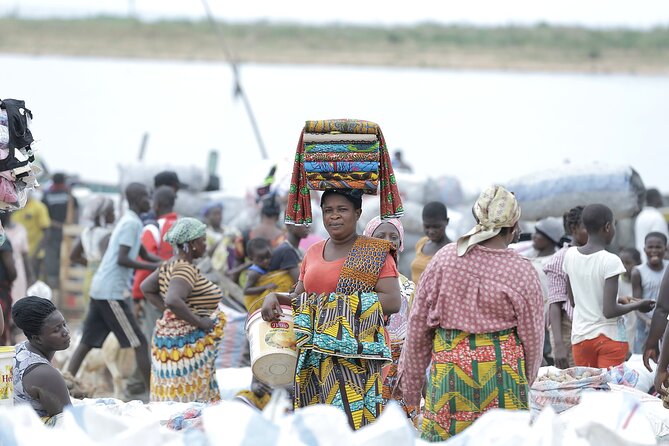
In Day 8, the route continues to Elmina. You visit the local fishing market and walk to boat builders, which is a grounded look at daily work. You then visit St. George’s Castle in Elmina, noted in the itinerary as the oldest extant colonial building in sub-Saharan Africa, dating from 1482. It also ties directly back into the transatlantic enslaved African trade era, so the coast story stays cohesive.
Kakum National Park canopy walkway, stingless bees, and batik with Global Mamas
One of the nicest choices on this itinerary is that Day 8 offers options. You can relax at your beachfront accommodation all day, or you can go to Kakum National Park for the canopy walkway. If you’re the type who regrets skipping a famous trail, plan for Kakum, because it is the highlight in the itinerary’s nature lineup.
Kakum’s rainforest canopy walkway uses 7 bridges attached to emerging trees, and the itinerary states it reaches 40 meters above the rainforest floor. That height is not abstract. You will feel it as you walk and pause on platforms. If heights make you anxious, start slowly and hold on when you cross.
Afterward, you return to park headquarters for information about flora and fauna. The itinerary notes more than 40 mammal species recorded in the park, including forest elephants, leopards, and six primate species.
Then the tour stays nature-adjacent with the International Stingless Bee Centre. You learn why stingless bees matter to the ecosystem, including local medicinal qualities and the chance to taste and buy stingless bee honey. You also get a stingless bee walkway and butterfly garden, plus lunch at a nearby restaurant.
The day does not end in a museum. You also do a batik workshop with Global Mamas, an organization empowering local women through craft skills and fair-trade market support. You learn traditional wax heating, stamping, and drying techniques, and you get to make your own batik garment. That is the kind of cultural activity that does not feel like a performance for tourists.
Back to Accra: Fort Amsterdam at Abandze and your final farewell dinner
Your final morning is a lighter pace. You relax at your accommodation on the coast, with time for a swim or just downtime before leaving. This is useful because you have stacked a lot into the last 8 days.
On the way back to Accra, you visit Fort Amsterdam in Abandze. The itinerary notes it was the first British fort built between 1631 and 1638, later captured by the Dutch in 1665, and then tied into English Gold Coast activities. You also get the name explanation connected to the Dutch takeover, which helps this stop feel more than random ruins.
In Accra, the itinerary gives a little modern-day flexibility with the suggestion of Accra Mall for last-minute souvenirs. Then you share an early evening meal at a locally owned restaurant before airport transfer. That farewell dinner is more than a formality. It’s time to compare notes, process the castles, and appreciate how many different Ghana experiences you packed into one trip.
Price and value: what $4,695 covers in real terms
At $4,695 per person for 9 days, this is not a budget trip. But the inclusions are doing real work. You are not just paying for transportation. You are paying for a local guide, an experienced driver, accommodation, air-conditioned vehicle use, airport transfers, meals, and all excursion fees plus unlimited mineral water.
The two biggest value drivers are time and guidance. A domestic flight north and long driving days can chew up energy if you do not have support. Here, you get a plan that moves efficiently while still stopping for meaningful culture and wildlife experiences.
The second value driver is structure around the most demanding moments. Elephant tracking with an armed guide, canopy walkway access, castle tours, and multiple craft visits require local knowledge and timing. When that is handled for you, the trip feels less risky and more confident.
The tradeoff is that your schedule is full. If you want slow mornings and long beach naps every day, you may find this pace intense.
Should you book this Ghana Wildlife and Culture Tour?
I’d recommend this tour if you want a first Ghana trip that does three things well: wildlife, culture, and history with depth. Mole National Park and the elephant tracking time are serious wildlife highlights, and Kakum gives you a second nature “wow” moment. On the culture side, Kumasi craft stops plus Accra monuments feel educational without turning into a lecture.
You should think twice if you dislike early starts or physical walking. Elephant tracking on foot and the high Kakum bridges are not just sightseeing. And because the route covers north and south in one trip, you need to be okay with travel days.
If you fit the audience, this tour is a strong value because so much is bundled. You get expert guide coverage, meals, lodging, and organized excursions, so you can spend your money on being there, not on scrambling for details at the last minute.
FAQ
Where does the tour start in Ghana?
The tour meets you at Kotoka International Airport in Accra, with guides looking for you after customs.
Is pickup and airport transfer included?
Yes. The tour includes airport transfers and a guide meeting at the airport, plus transport by air-conditioned vehicle during the tour.
How long is the tour?
The tour is 9 days approximately.
Is this tour private?
Yes. It is a private tour/activity, only your group participates.
What meals are included?
Breakfast is included 8 times, lunch is included 8 times, and dinner is included 9 times.
Are excursion fees included?
Yes. The tour includes all excursion fees.
Do you go to Mole National Park for wildlife viewing?
Yes. The tour includes multiple activities in Mole National Park, including wildlife driving and walking, plus a river safari in a dugout canoe.
Is there an armed guide for elephant tracking?
The itinerary states that elephant tracking on foot in Mole National Park is done with an armed guide.
Which important historical sites are included on the coast?
The tour includes Cape Coast Castle and Elmina area visits, including St. George’s Castle in Elmina, and it also stops at Assin Manso along the enslaved African trade routes.
What if weather is poor?
The experience requires good weather. If it is canceled due to poor weather, you will be offered a different date or a full refund.
Is the visa included?
No. Visa is listed as not included.
A Wider Spread of Ghana Tours
- The Cape Coast Day Tour
★ 5.0 · 525 reviews - The Cape Coast Tour
★ 5.0 · 177 reviews - From Accra: Cape Coast, Elmina Castle & Kakum Park Day Tour
★ 4.6 · 144 reviews - Accra Detailed City Tour
★ 4.5 · 118 reviews - Accra Guided City Tour Experience
★ 4.7 · 88 reviews
More Ghana Tours Out of the Review Pile
- The Cape Coast Day Tour
★ 5.0 · 525 reviews - Experience the Beauty, History and the Culture Of Accra in a Day
★ 5.0 · 323 reviews - The Cape Coast Tour
★ 5.0 · 177 reviews - From Accra: Cape Coast, Elmina Castle & Kakum Park Day Tour
★ 4.6 · 144 reviews - Accra Detailed City Tour
★ 4.5 · 118 reviews
Longer Routes Through Ghana
- 10 Days Trip to Cape Coast and Elmina Castles from Accra
★ 5.0 · 31 reviews - 10 Days Ghana Cultural and Heritage Trip
★ 5.0 · 31 reviews - Explore Ghana Multi Day Tour
★ 5.0 · 29 reviews - Ghana City 2-day Tour
★ 5.0 · 21 reviews - 2-Day Private Tour to the Mount Afadjato and Wli Waterfalls
★ 5.0 · 17 reviews
Latest Accra reviews added here

Overnight & Multi-Day Trips, compared.
 ★ 4.55 Days Adventurous Wildlife SafariFrom $92249 reviews
 ★ 5.010 Days Ghana Cultural and Heritage TripFrom $3,50031 reviews
 ★ 5.010 Days Trip to Cape Coast and Elmina Castles from AccraFrom $4,69531 reviews
 ★ 5.0Explore Ghana Multi Day TourFrom $2,70529 reviews
 ★ 5.0Ghana City 2-day TourFrom $30721 reviews
 ★ 5.07-Day Private Cultural and Heritage Tour in GhanaFrom $1,99817 reviews
 ★ 5.02-Day Private Tour to the Mount Afadjato and Wli WaterfallsFrom $46417 reviews
 ★ 5.08 Day Cultural, History and Adventure TourFrom $2,51511 reviews
Browse the lists this tour appears in