
REVIEW · OVERNIGHT & MULTI-DAY TRIPS
Private Multi-Day Ghana Tour about Culture History and Wildlife – 7 Days
Ghana hits fast, in seven smart days. This private tour blends culture, history, and wildlife with local guidance that helps you see how people live now, not just what happened long ago.
You’ll get local expert guides throughout, from your arrival meet-up at Kotoka International Airport to the final transfer back to Accra.
I especially like two things: the way the big historical sites are explained with real names and places, and the fact that wildlife is not an afterthought. I found myself most excited for Cape Coast Castle and Elmina Castle on the history side, and for Kakum National Park’s rainforest canopy walkway on the wildlife side.
One consideration: you should plan for real driving time between regions. Long road days are part of the deal, especially when you head from Accra up toward Kumasi and later down to the coast.
In This Review
- Key things that make this Ghana trip work
- First Steps in Accra: Kotoka Airport Pickup and a Clean Start
- Accra’s Ghana Story: National Museum, James Town, Independence Square, and Teshie Coffins
- Aburi Botanical Gardens and TK Beads: Nature Views and Everyday Symbols
- Kumasi and Ashanti Heritage: UNESCO Shrines, Kente Origins, and Adinkra Meaning
- Manhyia Palace Museum and Kejetia Market: Royal Power and Real City Life
- From Elmina to Cape Coast: Kakum Canopy, Stingless Bees, and UNESCO Castles
- Abandze Beach, Fort Amsterdam, and Final Accra Moments
- Price and Value: Why This Tour Costs What It Costs
- Who Should Book This 7-Day Ghana Tour, and Who Should Think Twice
- Should You Book This Ghana Tour?
- FAQ
- Where does the tour start?
- Is airport pickup or transfer included?
- How long is the tour?
- What meals are included?
- What is included in the transportation and guide services?
- What major activities should I expect for culture and history?
- Can I cancel and get a refund?
Key things that make this Ghana trip work

- Airport meet-up and on-the-ground support so you are not left figuring anything out.
- Accra history with specific landmarks like Independence Square and the Kwame Nkrumah Memorial Park.
- Hands-on Ghana craft culture via bead making (TK beads), Kente and Adinkra traditions, and batik workshops.
- Wildlife time at Kakum plus a stingless bee learning stop for a different kind of nature encounter.
- Fort and castle history with emotional context at Cape Coast Castle and Elmina Castle, including the Door of no return.
- A service team with proven communication in feedback, including praise for Rosematilda and strong guide work noted in other Ghana experiences led by Foster Frimpong.
Longer routes through Ghana, two nights and upward
- 10 Days Trip to Cape Coast and Elmina Castles from Accra★ 5.0 · 31 reviews
- 10 Days Ghana Cultural and Heritage Trip★ 5.0 · 31 reviews
- Explore Ghana Multi Day Tour★ 5.0 · 29 reviews
- Ghana City 2-day Tour★ 5.0 · 21 reviews
First Steps in Accra: Kotoka Airport Pickup and a Clean Start
Your trip starts the practical way: a guide meets you at Kotoka International Airport in Accra. If you arrive at the right time, you do not waste the first day hunting down transport or trying to interpret local signage. It also matters that the tour includes airport transfers and uses an air-conditioned vehicle, since Accra heat can hit hard fast.
Day 1 is light on named sights and heavier on orientation, which I like. Getting your bearings early helps you enjoy the intense history and nature days that follow. You also get unlimited mineral water, which is a small thing that becomes a big comfort over a full week.
Because this is a private tour, the schedule is designed around your group only. That means fewer awkward waits, and it feels smoother if you have kids, you prefer a steady pace, or you just want the freedom to move as a group.
Accra’s Ghana Story: National Museum, James Town, Independence Square, and Teshie Coffins
Accra is where you build context. The National Museum of Ghana gives you a West African culture overview through ethnographic displays, and the adjoining garden adds depth with sculptures tied to tradition and customs. I like that the museum is not only about Ghana, but also covers parts of neighboring West Africa, which makes the region feel connected rather than isolated.
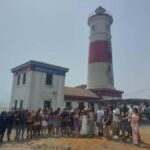
Then you walk into James Town, Accra’s older neighborhood. The lighthouse built by the British in 1871, colorful fishing boats, and the British-built Fort James linked to earlier European forts help you visualize centuries of trade and control. This walk is one of those moments where “history” becomes a place you can point to.
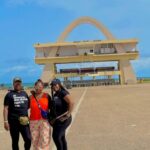
After that, you head to Independence Square, with a lunch stop at Country Kitchen. The enclosed flame of African liberation is a standout detail, lit by Kwame Nkrumah in 1961, so you get a clear, named link between politics and place. Nearby, Kwame Nkrumah Memorial Park adds the founder’s life story through photos and artifacts in a museum setting.
If you like craft and shopping that feels more like cultural contact than souvenir grabbing, spend time at the National Cultural Center outdoor arts and crafts market. For many visitors, this is where you see materials and styles from multiple regions gathered in one place.
Day 2 closes with Teshie Nungua Fantasy Coffins. These are created for burial ceremonies that are solemn, but the coffin art reflects personality, work, status, and imagination. You get to see the range: from everyday objects like shoes or bottles to more symbolic forms like boats or planes. It is a rare kind of folk art encounter, and it helps you understand Ghanaian beliefs without turning them into a museum exhibit.
Aburi Botanical Gardens and TK Beads: Nature Views and Everyday Symbols
On the way out of Accra, you get a craft stop that feels small, but meaningful. At TK beads, you watch traditional bead-making methods and learn how beads function as symbols of wealth and beauty in Ghana. The key practical point is that you can actually buy what you see made, so your souvenir has a story attached, not just a price tag.
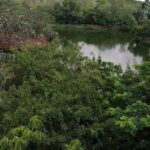
Next comes the Aburi Botanical Gardens in the Akuapem hills. The setting itself matters, because the gardens are laid out for walking with views across Accra and Tema when the day is clear. Your guide identifies trees and plants, including mention of medicinal properties and how locals benefit from them.
A short distance from the gardens, the nearby craft village adds a more relaxed contrast. If you like learning with your eyes first and questions second, this is the part of the day that usually feels easiest.
Then you travel onward toward Kumasi. This is another stretch where comfort matters, and the included air-conditioned vehicle helps. You also check in and have the evening free, which is smart after a day of sights and walking.
Kumasi and Ashanti Heritage: UNESCO Shrines, Kente Origins, and Adinkra Meaning
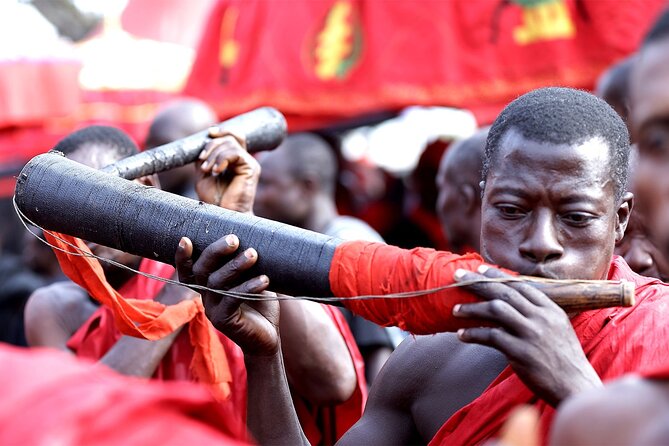
Kumasi is where the cultural meaning gets thicker. The morning starts at the traditional Asante buildings recognized by UNESCO, with active shrines made from bamboo, timber, mud, and thatched roofs. The walls carry motifs with traditional symbolic meanings tied to Adinkra symbols, so you are not just looking at structures, you are learning a language system.
You also hear the name Nana Yaa Asantewaa, a major figure in Ashanti history, connected to the 1901 war against the British. When a site ties a name like that to architecture and symbolism, it makes history less abstract.
In the afternoon, you move through two craft-origin stops that are central to Ghana textiles. At Adanwomase, you learn about the birthplace of Kente cloth, with time spent with weavers and families who have worked these designs for generations. The most useful part is how designs have histories, not random aesthetics. You also see quality work being produced outside homes, which makes the craft feel present-tense.
Then you head to Ntonso for Adinkra origins. Adinkra symbols are carved from calabash shells, printed onto cloth using natural dyes made from local tree bark, and worn for funerals, festivals, and important occasions. If you want a hands-on memory, you get the chance to make your own strip of Adinkra cloth using symbols with personal significance.
Later, Sokoban Krofrom brings brass casting into the picture. The village has made brass items as a main source of income for generations, and you get a demonstration of the production process. This is a good reminder that “craft” in Ghana is not only textiles, it is metalwork, woodwork, and everyday tools of trade.
Manhyia Palace Museum and Kejetia Market: Royal Power and Real City Life
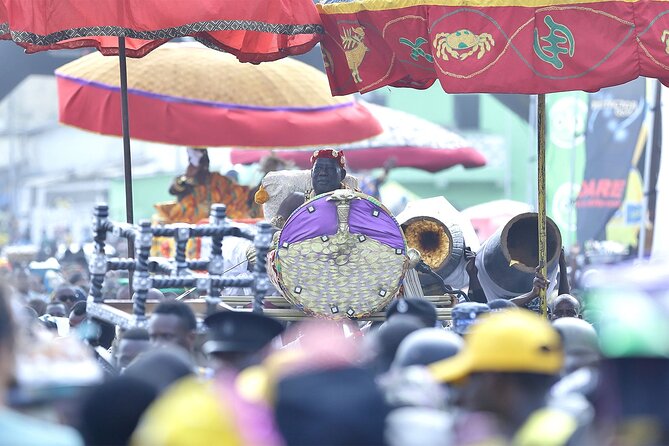
Day 5 starts at Manhyia Palace Museum, the home of the Asantehene and a key place for understanding Asanteman Kingdom history. The palace museum is described as extremely informative and well tied to documented Ashanti culture and heritage. Even if you are not a museum person, I think you will appreciate how this turns monarchy into a real story tied to people.
After that, you visit the National Cultural Centre again, now framed by what you learned earlier. It is one of those times where returning to a familiar place makes it more useful, because you notice details you might have missed the first time.
Then comes Kejetia Market, reported to be the largest outdoor market in West Africa. This is where you experience everyday Ghana, with a labyrinth of stalls, constant activity, and trade that keeps moving late into the day. The included lunch gives you a pause without losing momentum.
If you like shopping, this is a place to do it, but go slowly. Big markets reward patience. If you rush, you miss the rhythm and you spend more than you meant to.
In the afternoon, you set off south to Elmina, stopping at Assin Manso along the enslaved African trade routes near the Ndonkor Nsuo, the Enslaved African River. This stop matters because it connects the broader story to a specific landscape and route, not just a single building.
By early evening, you check in and can relax in Elmina.
Private guide, private vehicle, elsewhere in Ghana

From Elmina to Cape Coast: Kakum Canopy, Stingless Bees, and UNESCO Castles
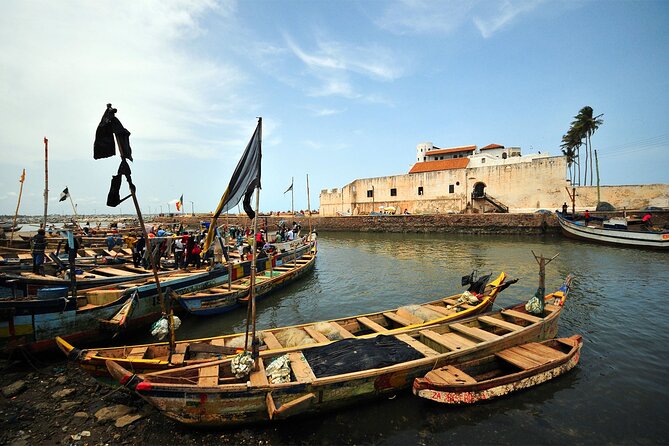
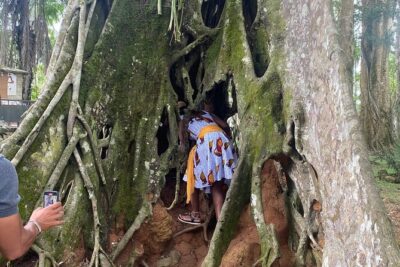
Day 6 is the heavy day, the one that mixes high-impact nature with emotionally intense history. You start at Kakum National Park for the rainforest canopy walkway, a highlight that places you about 40 meters above the forest floor. The walkway has seven bridges attached to seven emerging trees, and the structure forces you to slow down. You are not just sightseeing, you are breathing in a rainforest you cannot fully see from ground level.
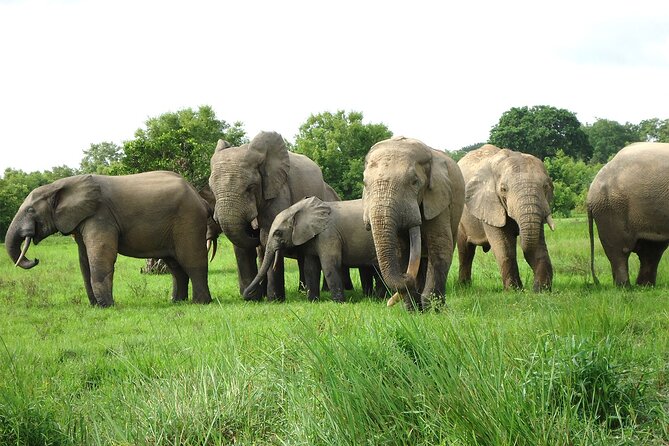
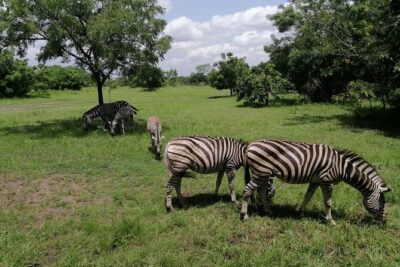
Back at the park headquarters, you visit the International Stingless Bee Centre. This is a smart contrast to the big canopy experience. You learn that over 40 mammal species have been recorded in Kakum, including forest elephants, leopards, and six primate species. Then you switch focus to bees, with about nine stingless bee species identified in Ghana here, plus discussion of medicinal qualities and ecosystem importance. For wildlife lovers, this day does not only chase big animals. It highlights the smaller life that keeps the system working.
After lunch, you visit Cape Coast Castle, a UNESCO site and a monument to the region’s enslaved African history. Expect an emotional route through the dungeons and the infamous Door of no return, plus a museum that explains Cape Coast and the castle’s history. If you prefer clear, factual interpretation, this kind of museum setting can feel grounding, even when the subject is painful.
The afternoon shifts into art through a traditional batik workshop with Global Mamas. Global Mamas is described as empowering local women with fair-trade market access, so your purchase connects to income and skill-building. You are given a piece of cloth to produce your own garment to take home.
You also get more time with craft technique and then visit the Elmina fishing market and nearby boat builders. The boats used here are traditional wooden boats, which ties back to what you saw earlier in coastal James Town and adds continuity to the trip. You finish with Elmina Castle of St. George, described as the oldest extant colonial building in sub-Saharan Africa, dating to 1482. A museum inside focuses on local history, and it is also UNESCO listed.
By the final evening in the central region, you can head out into town or simply stay near your accommodation.
Abandze Beach, Fort Amsterdam, and Final Accra Moments
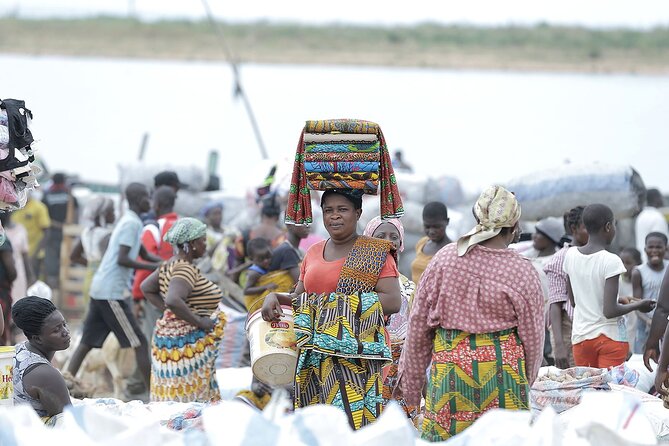
Your last day is built for easing off the intensity. You begin in Abandze, enjoying the facilities of your accommodation with options like swimming or just relaxing on the beach. Then you enjoy lunch overlooking the Gold Coast before heading back toward Accra along the coastal road.
On the route, you stop at Fort Amsterdam in Abandze. It is described as the first fort built by the British between 1631 and 1638, later captured by the Dutch in 1665 after a battle. Then you continue toward Accra.
If you have time, you may visit Accra Mall for a look at modern-day Ghana and to grab last-minute souvenirs. Then you finish with an early evening meal at a locally owned restaurant, and the team transfers you to the airport for departure. That final dinner is a practical wrap-up, and it also gives you a calm moment to reflect before flying.
Price and Value: Why This Tour Costs What It Costs
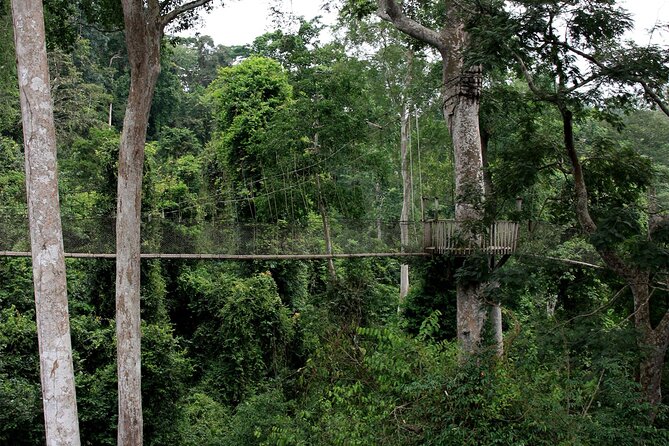
At $3,095 per person for about seven days, you are paying for more than just transport. You are paying for a driver, expert local guide coverage, included accommodations, and a full schedule of paid admissions and planned stops across multiple regions.
Here is what stands out for value, based on what is included:
- A/C vehicle plus fuel and an experienced driver, which matters because travel legs between Accra, Kumasi, Elmina, and Cape Coast can be long.
- Airport transfers and 24/7 office support, useful when travel goes sideways.
- Meals included: breakfast for 6 days, lunch for 6 days, and dinner for 7 days. That reduces your day-to-day spending and helps you keep energy consistent.
- All excursion fees included, plus several admission-ticket-covered sites like National Museum, Independence Square, Kwame Nkrumah Memorial Park, Aburi Botanical Gardens, Kakum canopy walkway, Cape Coast Castle, and Elmina Castle.
You also get unlimited mineral water, which sounds minor until you are in full sun across outdoor sites and markets.
About guide quality, I noticed strong praise in feedback for service details and communication, including mention of Rosematilda as responsive by email. Wildlife-focused guide work is also praised in other Ghana experiences by a specialist named Foster Frimpong, which is reassuring if you care about animal facts rather than generic nature statements.
Still, this is not a budget backpacking trip. If you want a low-cost, DIY Ghana experience, you might find cheaper options. But if you want fewer logistics headaches and more expert interpretation in exchange for higher cost, this is the right category.
Who Should Book This 7-Day Ghana Tour, and Who Should Think Twice
I think this tour fits best if you want a guided “greatest hits” Ghana trip with depth, especially if you care about meaning. The mix is deliberate: Accra sets context, Kumasi teaches textile symbolism, and the coast tackles the darker chapters with named, specific places.
It is also a good match if you prefer a structured plan. Many stops are described with clear timing and admission coverage, so you are not constantly deciding what to do next. Private format makes it easier for families, couples, and small groups who want one voice at each stop.
Who might think twice:
- If you hate driving time, this trip will feel like a lot, because the route covers several regions.
- If you want only wildlife and beaches, you will still spend major time on history sites like Cape Coast Castle and Elmina Castle. Those are essential to this tour’s story.
Should You Book This Ghana Tour?
Yes, if you want a guided mix of history with context, craft you can try, and real wildlife time. The best part of booking now is that you get the interpretation built in, not something you have to research while you are tired in the heat.
If you are the kind of traveler who likes knowing why a place matters, this tour gives you that. The canopy walkway at Kakum and the stingless bee education add a fresh layer that keeps the week from feeling only historical.
If you are uncertain, ask yourself one question: do you want the cost of planning to be handled for you? If that sounds good, this private seven-day Ghana route is a smart way to see a lot, without turning Ghana into a checklist.
FAQ
Where does the tour start?
The tour meets you at Kotoka International Airport in Accra. Your guide meets you after you arrive and pass customs.
Is airport pickup or transfer included?
Yes. Airport transfers are included, and the tour also offers pickup.
How long is the tour?
It runs for 7 days (approx.).
What meals are included?
You get breakfast for 6 days, lunch for 6 days, and dinner for 7 days.
What is included in the transportation and guide services?
You have an air-conditioned vehicle, an experienced driver, and an expert local guide (24/7). Unlimited mineral water and fuel (unlimited mileage) are also included.
What major activities should I expect for culture and history?
Expect cultural and historical stops including the National Museum of Ghana, James Town, Independence Square, Kwame Nkrumah Memorial Park, Ashanti cultural sites in Kumasi, and UNESCO castles at Cape Coast and Elmina.
Can I cancel and get a refund?
You can cancel up to 3 days in advance for a full refund. If you cancel less than 3 days before the start time, the amount you paid is not refunded.
A Wider Spread of Ghana Tours
- The Cape Coast Day Tour
★ 5.0 · 525 reviews - The Cape Coast Tour
★ 5.0 · 177 reviews - From Accra: Cape Coast, Elmina Castle & Kakum Park Day Tour
★ 4.6 · 144 reviews - Accra Detailed City Tour
★ 4.5 · 118 reviews - Accra Guided City Tour Experience
★ 4.7 · 88 reviews
More Ghana Tours Out of the Review Pile
- The Cape Coast Day Tour
★ 5.0 · 525 reviews - Experience the Beauty, History and the Culture Of Accra in a Day
★ 5.0 · 323 reviews - The Cape Coast Tour
★ 5.0 · 177 reviews - From Accra: Cape Coast, Elmina Castle & Kakum Park Day Tour
★ 4.6 · 144 reviews - Accra Detailed City Tour
★ 4.5 · 118 reviews
Longer Routes Through Ghana
- 10 Days Trip to Cape Coast and Elmina Castles from Accra
★ 5.0 · 31 reviews - 10 Days Ghana Cultural and Heritage Trip
★ 5.0 · 31 reviews - Explore Ghana Multi Day Tour
★ 5.0 · 29 reviews - Ghana City 2-day Tour
★ 5.0 · 21 reviews - 2-Day Private Tour to the Mount Afadjato and Wli Waterfalls
★ 5.0 · 17 reviews
Latest Accra reviews added here

Overnight & Multi-Day Trips, compared.
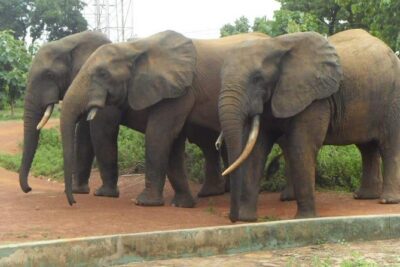 ★ 4.55 Days Adventurous Wildlife SafariFrom $92249 reviews
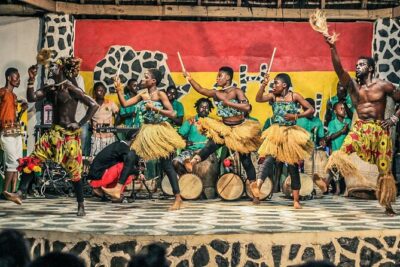 ★ 5.010 Days Ghana Cultural and Heritage TripFrom $3,50031 reviews
 ★ 5.010 Days Trip to Cape Coast and Elmina Castles from AccraFrom $4,69531 reviews
 ★ 5.0Explore Ghana Multi Day TourFrom $2,70529 reviews
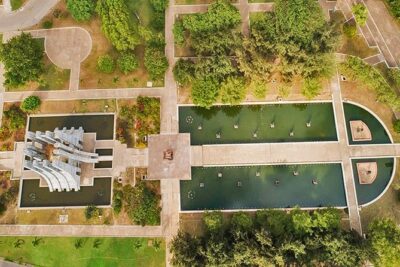 ★ 5.0Ghana City 2-day TourFrom $30721 reviews
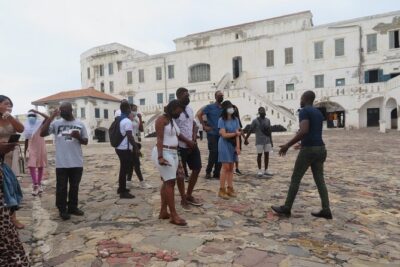 ★ 5.07-Day Private Cultural and Heritage Tour in GhanaFrom $1,99817 reviews
 ★ 5.02-Day Private Tour to the Mount Afadjato and Wli WaterfallsFrom $46417 reviews
 ★ 5.0Volta Region 3 Days 2 nights Nature Private TourFrom $70011 reviews
Browse the lists this tour appears in