
REVIEW · OVERNIGHT & MULTI-DAY TRIPS
7-Day Private Cultural and Heritage Tour in Ghana
A private tour can turn Ghana from a list of stops into a story. This 7-day cultural and heritage route starts in Accra with airport pickup and a smooth first day, then moves through the Ashanti heartland, ends on the coast at Cape Coast, and finishes in nature at Kakum National Park.
I especially like how the itinerary mixes big landmarks with hands-on craft time, from Kente weaving to Adinkra stamping. I also like the practical setup, air-conditioned transport plus a certified guide who helps you make sense of what you are seeing. One drawback to plan for is that some activities have optional fees and cultural sites can be emotionally heavy, so it helps to go with steady expectations and a little mental prep.
In This Review
- Quick hits before you go
- A Private Ghana Heritage Trip That Feels Organized
- Price, What Is Actually Included, and Where Costs Add Up
- Day 1 in Accra Mall: Arrival Comfort and a Quick Orientation
- Day 2: Independence Icons, Drumming Lessons, and Oxford Street Nights
- Day 3: Aburi Botanical Gardens, Bead Making, and the Adomi Bridge River Stop
- Day 4: Ashanti Kente, Adinkra Stamping, and Ahwiaa Carving Shops
- Day 5: Manhyia Palace, the Komfo Anokye Sword, and Kejetia Market
- Day 6: Assin Manso and Cape Coast Castle, the Emotional Core
- Day 7: Kakum Canopy Walk, Birdwatching Chance, and the Posuban Shrine Stop
- The Guide Factor: Why Names Like Eric, Adams, and Mike Matter
- Who This Ghana Tour Best Fits
- Should You Book This 7-Day Private Ghana Cultural and Heritage Tour?
- FAQ
- What is the tour price per person?
- How long is the tour?
- Does the tour include airport pickup and transfers?
- Is transportation included?
- Are entrance fees included?
- Is breakfast included?
- Are there optional activities with extra costs?
- What is the cancellation policy?
- What if weather affects the trip?
- What physical fitness level do I need?
Quick hits before you go
- Private and guided end to end: it is only your group, with a certified guide and 24/7 office support.
- Craft time that is not just photo stops: Kente weaving in Adanwomase, Adinkra stamping in Ntonso, and carving shop visits in Ahwiaa.
- History that hits hard, on purpose: Assin Manso Slave River Park and Cape Coast Castle are included.
- Comfort matters in the schedule: air-conditioned vehicle, hotel stays, and breakfast on 6 mornings.
- A lighter finale after the heavy days: Kakum canopy walkway and birdwatching chances on Day 7.
Longer routes through Ghana, two nights and upward
- 10 Days Trip to Cape Coast and Elmina Castles from Accra★ 5.0 · 31 reviews
- 10 Days Ghana Cultural and Heritage Trip★ 5.0 · 31 reviews
- Explore Ghana Multi Day Tour★ 5.0 · 29 reviews
- Ghana City 2-day Tour★ 5.0 · 21 reviews
A Private Ghana Heritage Trip That Feels Organized
If you want Ghana to feel personal, this kind of private structure helps a lot. You get a certified guide and a vehicle with air conditioning, so you spend less time guessing and more time paying attention.
From the way guides are described by past guests, the handoff on arrival can be smooth. People have specifically mentioned guides like Jojo being there on arrival and helping with practical airport moments like getting through arrival tasks and baggage pickup, while Timothy Dadgie has also been noted as a guide who started the tour right away at the airport.
The tour is also clearly designed around pacing. You are not just running from one doorway to the next. Most days give you a mix of monuments, museums, markets, and at least one hands-on or sensory stop (crafts, river time, or the canopy walkway).
Price, What Is Actually Included, and Where Costs Add Up
This 7-day tour costs $1,998.95 per person and is typically booked around 56 days in advance, which often means better planning and fewer last-minute compromises.
So is it good value? For the price, you are not paying only for entrances. You are paying for the whole logistical layer: air-conditioned vehicle, accommodations, a certified guide, entrance fees, and breakfast (6) included. You also get pickup and mobile ticket use, plus guide and driver meals and accommodation.
Where you should expect extra spending is straightforward. The itinerary notes several places with additional fees, including optional canoe versus motorboat time on the Volta River, an optional traditional naming ceremony in the Ashanti region, and paid add-ons at Cape Coast like the Door of Return ceremony and an evening cultural performance. You will also pay for your own drinks, and guest meals are not listed as included.
My practical advice: when you budget, set aside a small “choice money” pool for optional experiences. That way you can say yes if something sounds meaningful in the moment, without later stress.
Day 1 in Accra Mall: Arrival Comfort and a Quick Orientation
Day 1 is designed to keep you calm after flying. You are greeted at Kotoka International Airport at a pre-arranged time, then you ride in an air-conditioned vehicle to your first stop at Accra Mall.
Even if you do not have time for a lot of sightseeing, this day does one important thing: it gives you a cushion. You get an AKWAABA welcome refreshment and, if time allows, a brief city orientation. Then you head to your hotel to reset for the culture-heavy days ahead.
A small tip for your mindset: treat Day 1 as your “software update.” Once you are rested, the next days go faster and feel more meaningful.
Day 2: Independence Icons, Drumming Lessons, and Oxford Street Nights
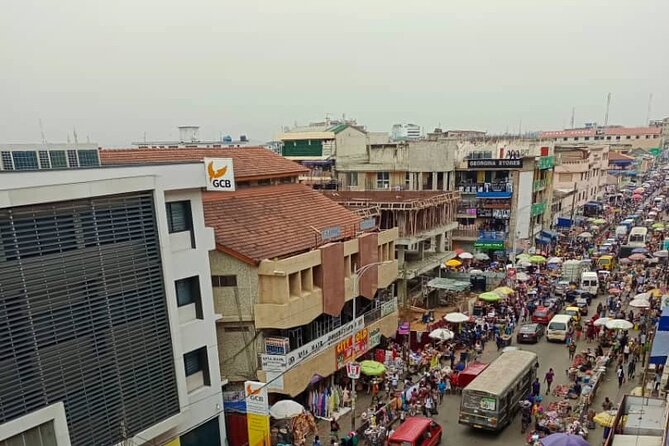
Day 2 leans into Ghana’s modern identity and its creative energy.
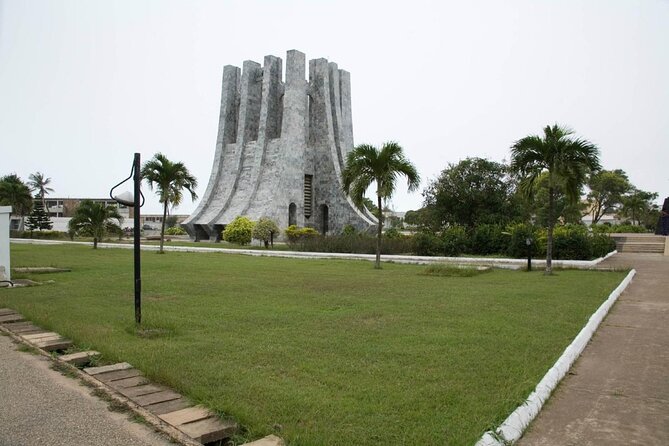
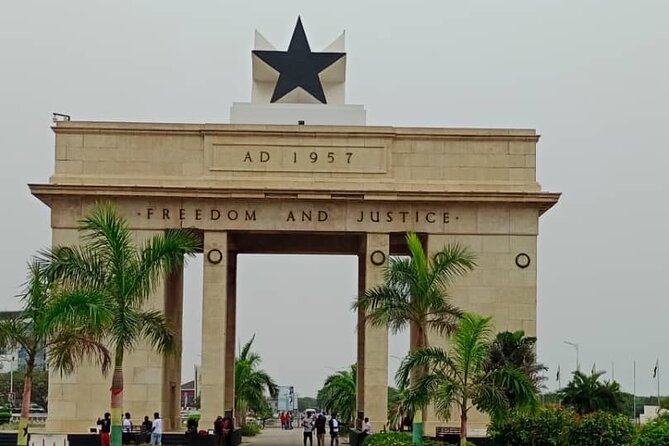
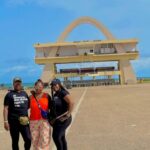
You start at the Kwame Nkrumah Memorial Park, visiting the Kwame Nkrumah monument and Independence Square. This is a key stop if you want Ghana to make sense beyond headlines. Seeing the independence landmarks in person helps the story feel grounded.
Then you move through central Accra with a practical cultural shopping and learning loop. At the Arts Center, you can browse local products and even take drumming lessons if your schedule and interest align. You also visit the W.E.B. Du Bois Center, which gives context for Pan-African history and heritage.
The day ends with a lighter nightlife angle at Oxford Street. This is time for you to experience the capital after dark, but you are in charge of your own spending there.
Consideration: Oxford Street time can be loud and crowded, depending on the night. If you want quieter evenings, you might treat this as a flexible finish, not a must-do that you push through no matter what.
Day 3: Aburi Botanical Gardens, Bead Making, and the Adomi Bridge River Stop
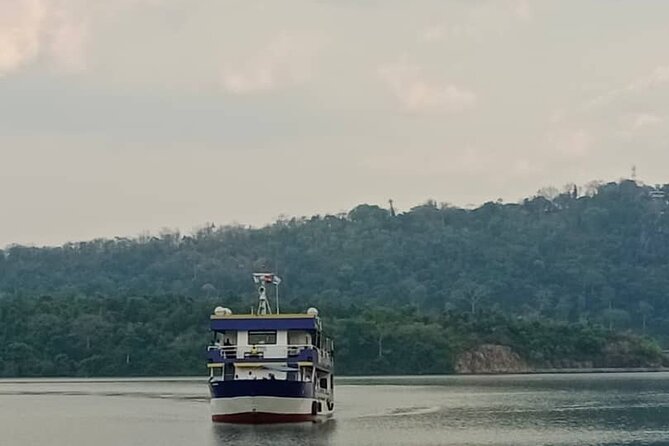
On Day 3, the pace shifts toward scenic breaks and hands-on crafts.
You head to Aburi Botanical Gardens and the charming area around Atimpoku. On the way, there is a stop at the Aburi craft market, a good place to pick up smaller items and gifts while you still have energy for shopping.
At Aburi, the plan includes relaxing time and scenic views. The itinerary notes bicycle rental, so this is one of the days where movement feels optional, not forced.
Later, you stop at a bead workshop near the Volta River. This is one of those stops that helps you understand how detailed everyday crafts can be. You get to see beadwork as craftsmanship, not just souvenirs.
The day closes at the Adomi Bridge, Ghana’s only steel arch bridge. You can choose between a canoe ride for a calmer experience or pay extra for a motorboat ride if you prefer more speed. Afterward, you end the day at a nearby resort to unwind.
Practical note: the river part is weather-dependent in spirit, even when it is not flagged as such in the main description. If you are prone to motion sickness, think twice about choosing the motorboat option.
Private guide, private vehicle, elsewhere in Ghana

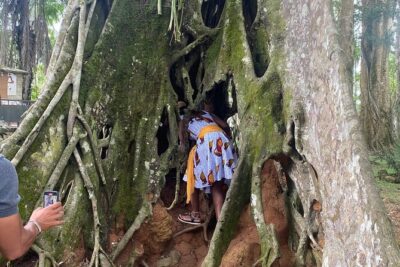



Day 4: Ashanti Kente, Adinkra Stamping, and Ahwiaa Carving Shops
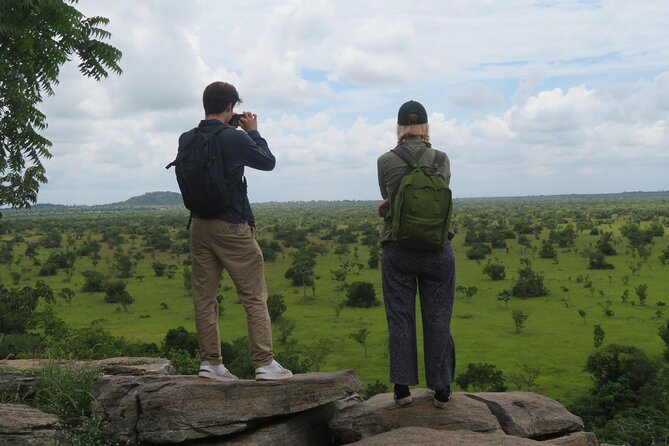
Day 4 is the Ashanti day you probably came for, especially if you like art that has meaning, not just decoration.
You start in the Ashanti Region, with a key stop at Adanwomase, known for Kente weaving. You do not just look at finished cloth. The schedule is built around witnessing the weaving process, which is the best way to understand why Kente is treated like something closer to a language than a textile.
There is an optional upgrade: for an extra fee, you can participate in a traditional naming ceremony at the chief’s palace, including drumming and dancing and time in Kente cloth. This is the kind of moment that can be special, but it is also the kind of thing you should only add if you feel comfortable with ceremony settings.
Next is Ntonso village, where you do Adinkra stamping. You create your own textile strip using Adinkra symbols, each tied to meanings and values. This is hands-on learning with a real takeaway you can carry home.
Finally, you visit Ahwiaa, famous for wood carving shops. This is where you get to appreciate the skill behind traditional sculptures and crafts.
Consideration: this is a full-day culture track, and you will likely be on your feet more than you expect. The tour description calls for moderate physical fitness, so plan for walking and standing time.
Day 5: Manhyia Palace, the Komfo Anokye Sword, and Kejetia Market
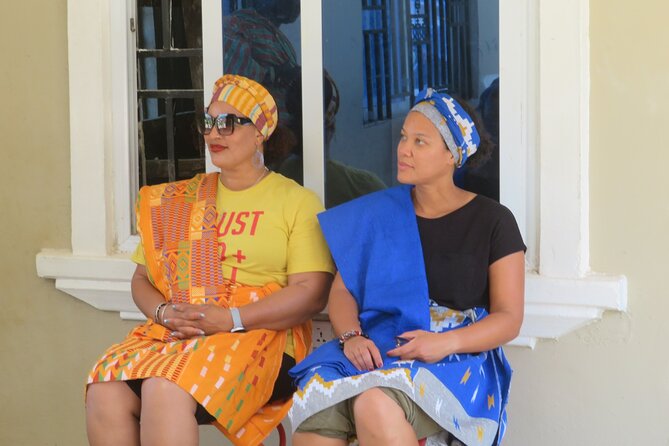
Day 5 stays in the Ashanti context, but you get a broader mix of royal history and modern city life.
You start at Manhyia Palace Museum, the residence of the Ashanti King. The focus here is on Ashanti traditions, governance, and the kingdom’s place in Ghanaian history. If you like history that explains social structure, this museum stop will feel more satisfying than a basic photo session.
Then you visit the National Cultural Center, described as one of Ghana’s top museums. The schedule includes a highlight stop at the Komfo Anokye sword, tied to Ashanti folklore and symbolic history.
In the afternoon, you shift from curated museum space to real-world trade energy at Kejetia Market, billed as West Africa’s largest outdoor market. This is where you get to browse local products, crafts, and fresh produce in a high-activity setting.
Practical advice: markets are great for buying gifts and snacks, but they can also be tiring. If you want memorable shopping without burnout, set a quick list first, then let the rest be curiosity.
Day 6: Assin Manso and Cape Coast Castle, the Emotional Core
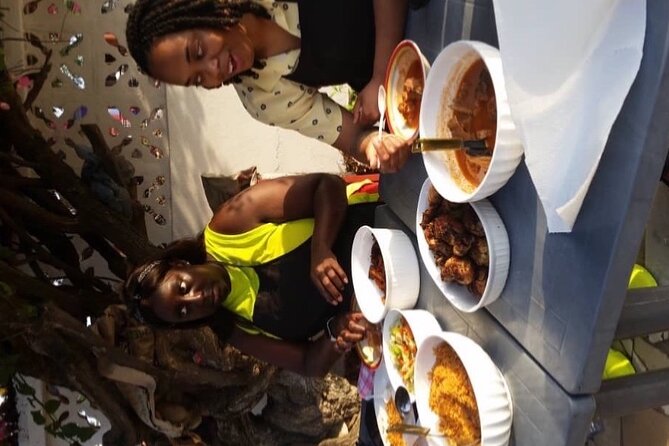
Day 6 is the hard day, and it is included for a reason.
You start at Assin Manso Ancestral Slave River Park, a memorial site connected to slave-market and cemetery history. Expect a reflective atmosphere and learning that asks you to sit with the weight of transatlantic history.
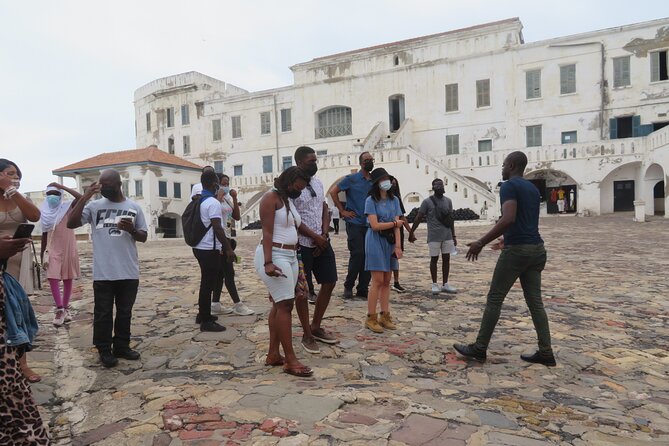
Then you go to Cape Coast Castle, focusing on the former slave dungeon area. This kind of place is not about entertainment. It is about truth, memory, and understanding what the building represents.
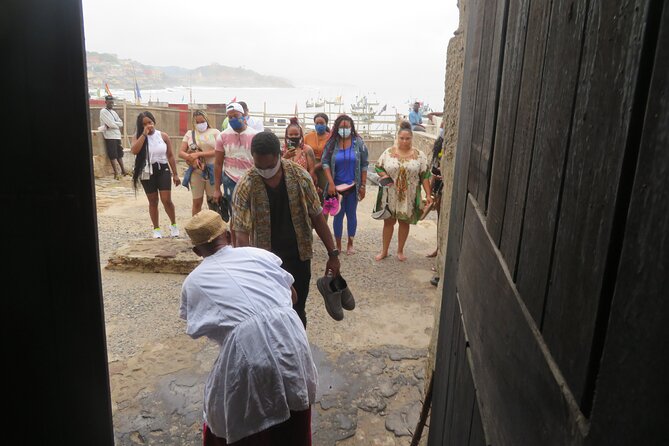
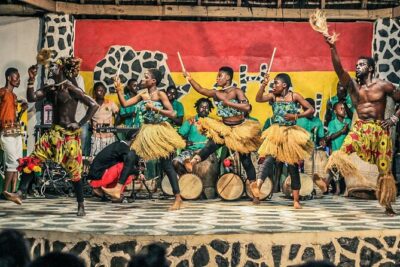
The itinerary also offers optional add-ons that some people find powerful. There is an extra-fee chance to take part in the Door of Return ceremony, a symbolic return to the motherland after the slave trade. In the evening, there is also an optional cultural performance with drumming and dancing that you can join if you want that kind of release.
Consideration: if you tend to get overwhelmed by heavy historical content, plan to give yourself a quiet evening afterward. The tour ends with you returning to your hotel, which is helpful because you will likely carry this day with you.
Day 7: Kakum Canopy Walk, Birdwatching Chance, and the Posuban Shrine Stop
The final day gives you a natural reset after the history intensity.
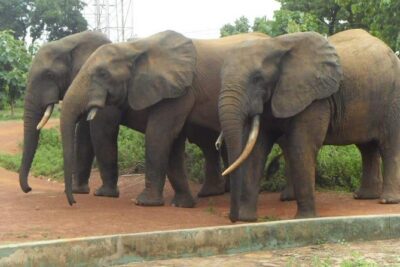
You go to Kakum National Park for its standout experience: the canopy walkway over tropical forest. The itinerary also mentions Kakum as a strong birdwatching area, so bring a simple bird list habit if that interests you.
After Kakum, you head back toward Accra. Along the way, there’s a stop in Mankessim to visit a Posuban shrine. This is more cultural texture before you reach the big city again.
You finish with a transfer back to Kotoka International Airport, with drop-off roughly two hours prior to your flight.
Practical tip: on this last day, keep your shopping light and your timing realistic. You are not just sight seeing, you are also working backward from flight time.
The Guide Factor: Why Names Like Eric, Adams, and Mike Matter
A huge part of why this tour gets strong ratings is the people running it. The tour description highlights a certified guide, and past guest notes make it clear that guides work hard to keep the day moving and the meaning intact.
You might meet guides like Eric, who has been specifically described as making visitors feel safe and supported, with help at the sites so you have someone available. Another name that comes up is Mike Amuzu, noted for making the trip feel memorable and well paced.
Some reviews also describe the way a team operates as a unit. For example, Adams is mentioned along with driver Eben, which suggests you get a coordinated duo, not a random switch-off during the day.
That matters because a private tour is only as good as the person guiding it. If you care about context, not just locations, you will feel the difference.
Who This Ghana Tour Best Fits
This is a strong match if you want:
- A private, guided cultural route with daily structure
- Hands-on time with Kente, Adinkra, and bead craft
- The key coastal history stops included in the schedule
- A comfortable pace with hotel stays and air-conditioned transport
It might be less ideal if you want pure beach time or a mostly leisure trip with minimal emotional content. This route includes memorial sites and a former slave dungeon, so the tone shifts noticeably after Ashanti day.
Your best bet is to go with curiosity and some patience. Ghana rewards people who slow down long enough to ask why things are done the way they are.
Should You Book This 7-Day Private Ghana Cultural and Heritage Tour?
I would book this tour if your goal is to understand Ghana through people, crafts, and meaningful places, not just sightseeing. The combination of independence landmarks, Ashanti artisan experiences, and Cape Coast history hits the big pillars of a heritage-focused trip while still giving you scenic and nature time at Kakum.
I would think twice if you dislike emotionally heavy sites or prefer a trip with lots of free time to wander alone. This schedule is structured, and that structure is part of its value.
If you do book, plan for optional experiences with a budget buffer, wear comfortable shoes for standing and market walking, and keep your day-by-day expectations balanced: some days are joyful craft days, and one of them is meant to be heavy.
FAQ
What is the tour price per person?
The price is $1,998.95 per person for the 7-day private cultural and heritage tour.
How long is the tour?
It runs for about 7 days.
Does the tour include airport pickup and transfers?
Yes. The tour includes pickup in Accra and drop-off at Kotoka International Airport (or your designated drop-off location).
Is transportation included?
Yes. The tour includes an air-conditioned vehicle.
Are entrance fees included?
Yes. Entrance fees are included for the activities listed with included admission.
Is breakfast included?
Yes. Breakfast is included for 6 mornings.
Are there optional activities with extra costs?
Yes. The itinerary notes optional paid experiences such as choosing a motorboat ride versus canoe on the Volta River, participating in a traditional naming ceremony, and paid add-ons at Cape Coast Castle like the Door of Return ceremony and an evening cultural performance.
What is the cancellation policy?
Free cancellation is available up to 24 hours in advance for a full refund. If you cancel less than 24 hours before the experience starts, the paid amount is not refunded.
What if weather affects the trip?
The experience requires good weather. If it is canceled due to poor weather, you will be offered a different date or a full refund.
What physical fitness level do I need?
The tour suggests a moderate physical fitness level, and it includes walking and time at markets, museums, and outdoor sites. Service animals are allowed.
A Wider Spread of Ghana Tours
- The Cape Coast Day Tour
★ 5.0 · 525 reviews - The Cape Coast Tour
★ 5.0 · 177 reviews - From Accra: Cape Coast, Elmina Castle & Kakum Park Day Tour
★ 4.6 · 144 reviews - Accra Detailed City Tour
★ 4.5 · 118 reviews - Accra Guided City Tour Experience
★ 4.7 · 88 reviews
More Ghana Tours Out of the Review Pile
- The Cape Coast Day Tour
★ 5.0 · 525 reviews - Experience the Beauty, History and the Culture Of Accra in a Day
★ 5.0 · 323 reviews - The Cape Coast Tour
★ 5.0 · 177 reviews - From Accra: Cape Coast, Elmina Castle & Kakum Park Day Tour
★ 4.6 · 144 reviews - Accra Detailed City Tour
★ 4.5 · 118 reviews
Longer Routes Through Ghana
- 10 Days Trip to Cape Coast and Elmina Castles from Accra
★ 5.0 · 31 reviews - 10 Days Ghana Cultural and Heritage Trip
★ 5.0 · 31 reviews - Explore Ghana Multi Day Tour
★ 5.0 · 29 reviews - Ghana City 2-day Tour
★ 5.0 · 21 reviews - 2-Day Private Tour to the Mount Afadjato and Wli Waterfalls
★ 5.0 · 17 reviews
Latest Accra reviews added here


Overnight & Multi-Day Trips, compared.
 ★ 4.55 Days Adventurous Wildlife SafariFrom $92249 reviews
 ★ 5.010 Days Ghana Cultural and Heritage TripFrom $3,50031 reviews
 ★ 5.010 Days Trip to Cape Coast and Elmina Castles from AccraFrom $4,69531 reviews
 ★ 5.0Explore Ghana Multi Day TourFrom $2,70529 reviews
 ★ 5.0Ghana City 2-day TourFrom $30721 reviews
 ★ 5.02-Day Private Tour to the Mount Afadjato and Wli WaterfallsFrom $46417 reviews
 ★ 5.0Volta Region 3 Days 2 nights Nature Private TourFrom $70011 reviews
 ★ 5.08 Day Cultural, History and Adventure TourFrom $2,51511 reviews
Browse the lists this tour appears in