
REVIEW · OVERNIGHT & MULTI-DAY TRIPS
15-Day Ghana Wildlife Private Tour
First light in Ghana can change fast. This 15-day private wildlife trip lines up Shai Hills bats, Kakum canopy views, and rainforest night walks, then finishes with big-game style safaris at Mole. I love that the plan is built around hard-to-see mammals in the habitats where they actually live, not just quick photo stops. I also like the tight logistics, including airport transfers and a driver who keeps things smooth while you focus on spotting. One drawback to weigh: mammal sightings, especially in dense forest, are never guaranteed, so you need patience for long waits and night walking.
What makes the trip feel especially “worth it” is how it balances different ecosystems. You start in coastal savannah and work your way toward Upper Guinea rainforest and then the drier woodland and savanna around the Sahel. Along the way, you spend real time doing morning, afternoon, and spotlight sessions, and you get local guidance that is built for getting results where visibility is tough.
In This Review
- Key highlights you should know before you go
- Entering Ghana wildlife mode: Accra, Shai Hills, and the bat cave start
- Price and logistics: what $4,995 really covers
- Days 2 to 5 at Kakum National Park: canopy mornings and spotlight nights
- Days 6 to 8: Brenu Akyinim to remote Ankasa, where the camp life matters
- Days 9 to 10 in the Ashanti Region: pangolin tracking with local forest protection
- Days 11 to 14 at Mole National Park: escarpment views and spotlighting for the elusive
- Day 15 wrap-up: Tamale to Accra flight and a final meal near the airport
- Mammal reality check: how this trip improves your odds without promising miracles
- Guides, spotting, and the one communication wrinkle to consider
- What to pack and how to prepare for night walks
- Who should book this Ghana wildlife private tour?
- Should you book? My take on the decision
- FAQ
- What city does the tour start in?
- Is airport pickup included?
- Are park and excursion fees included?
- What meals are included during the 15 days?
- Does the tour include accommodation?
- Are international flights included in the price?
- Is the tour private?
- What if weather affects the experience?
Key highlights you should know before you go
- First light canopy time at Kakum for the highest chance of seeing mammals when the forest is most active
- Dedicated bat and nocturnal mammal effort at Shai Hills, Kakum, and Ankasa, including night spotlighting
- Remote Ankasa camp logistics with showers, flushing toilets, and electricity, plus 4×4 access deeper into forest
- Pangolin focus tied to community protection work in the Ashanti Region forest
- Mole National Park escarpment base with long wildlife drives and walks, including spotlighting for elusive species
- Internal flight from Tamale to Accra to cut down nearly two full days of road travel
Longer routes through Ghana, two nights and upward
- 10 Days Trip to Cape Coast and Elmina Castles from Accra★ 5.0 · 31 reviews
- 10 Days Ghana Cultural and Heritage Trip★ 5.0 · 31 reviews
- Explore Ghana Multi Day Tour★ 5.0 · 29 reviews
- Ghana City 2-day Tour★ 5.0 · 21 reviews
Entering Ghana wildlife mode: Accra, Shai Hills, and the bat cave start
The tour begins in Accra, with your local guides meeting you at Kotoka International Airport and driving you about an hour to a hotel near Shai Hills Reserve. That first day is mostly about getting you settled and aligned for what comes next. You’ll get a briefing on the daily rhythm, and you’ll meet the people who stay with you through your time in Ghana.
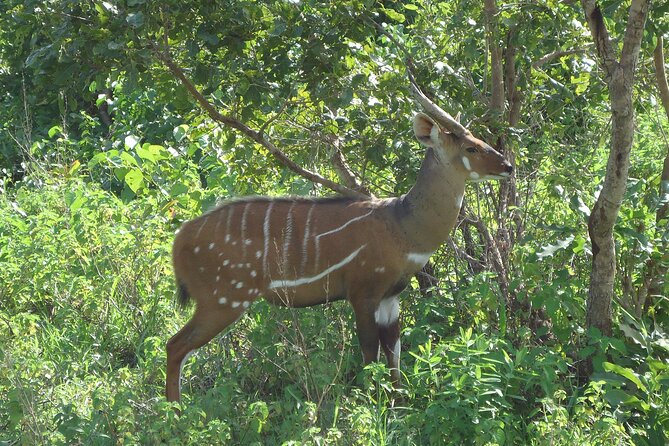
From there, the vibe turns into wildlife-first immediately on Day 2 at Shai Hills Resource Reserve. This is a mix of Savannah, grassland, and woodland, and it is a smart warm-up because it is less punishing than deep rainforest. The big draw is the Egyptian Tomb Bats, which are not common. You also have a practical chance of seeing other mammals and smaller targets here, including Olive Baboon, Red-fronted Duiker, Kob, and Bushbuck.
Two things make Shai Hills more than a quick stop. First, the bats are a focused target, not a random bonus. Second, there’s local cultural context you can add if you want it, including traditional shrines near the bat caves and history about the Shai people moving to escape slave raiders. That mix matters, because it gives the wildlife time a human story instead of feeling like a checklist.
Consideration: If you are expecting constant mammal sightings on day one or day two, temper that. This trip uses early starts and long observation windows, so your first wins often come from staying alert, not from instant luck.
Price and logistics: what $4,995 really covers
At $4,995 per person for a 15-day private tour, the value is less about luxury and more about access and time. You’re paying for three big buckets: experts, logistics, and wildlife access.
Here’s what is included that matters in the field:
- Expert local guide (24/7) and an experienced driver
- Air-conditioned vehicle and fuel (unlimited mileage)
- All excursion fees and airport transfers
- Accommodation
- Unlimited mineral water
- Meals: 13 breakfasts, 13 lunches, 14 dinners
Also included are public liability and professional indemnity insurance, plus 24/7 office support.
What’s not included is the stuff you’d expect:
- International flights
- Visa
- Soft and alcoholic drinks
One practical cost insight: the tour includes meals and park/excursion fees, which can add up fast on your own in Ghana. Another quiet value factor is the internal flight at the end, which saves nearly two full days of road travel. That doesn’t just save time, it protects energy for the wildlife days at the end.
Days 2 to 5 at Kakum National Park: canopy mornings and spotlight nights
After Shai Hills, you move toward Kakum National Park in the Upper Guinea rainforest zone. The plan aims to get you there late afternoon and early evening on Day 2, which is a good strategy. Wildlife doesn’t care about your schedule, so letting your first hours fall when animals shift activity helps.
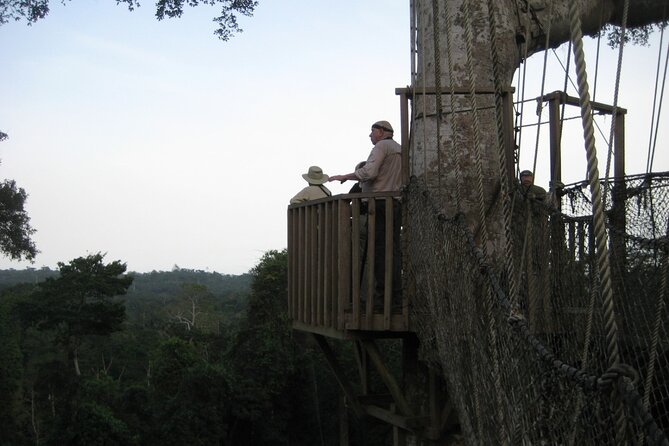
At Kakum, Day 3 starts at first light for the world-famous canopy walkway. This is not just a pretty walk. The canopy is about 40 meters above the forest floor, and the platforms are large enough for telescopes. That means you can actually scan for moving targets instead of just hoping they appear. On this day, the target focus is long-tailed pangolin, plus the chance of squirrels like African Giant Forest, Gambian, and Red-legged types.
Then you take a break in the heat mid-afternoon. That’s not wasted time. For rainforest mammals, doing all-day pushing often just turns into fatigue, and fatigue kills your spotting. After rest, the tour goes back into the forest at night.
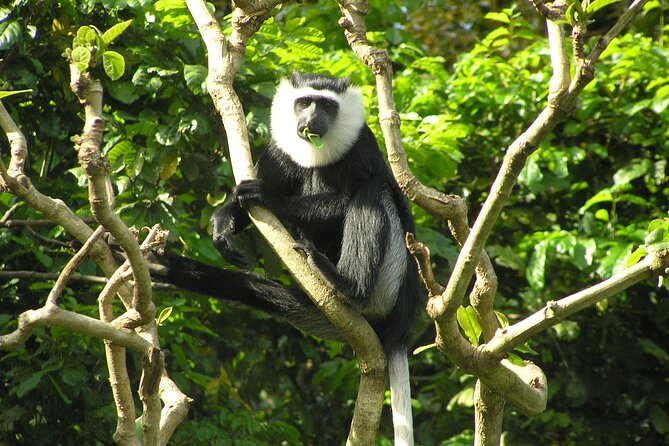
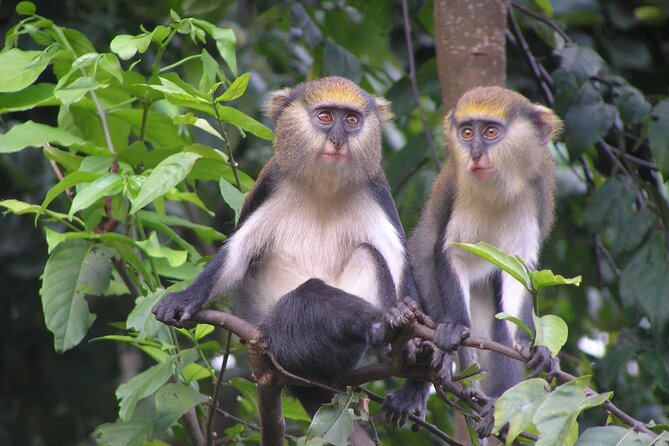
Day 3 evening centers on primates: endangered Olive Colobus, Lowes Mona, Geoffrey’s Pied Colobus, and Lesser Spot-nosed Monkeys. It also keeps pangolin possible and includes other nocturnal and less-common mammals and flying targets, with bats in good numbers. In other words, the day is built as a two-part approach: canopy for what’s visible overhead, forest walks for what’s active in the dark.
Days 4 and 5 keep the pressure on. Day 4 is essentially “two full days” around Kakum, with an expanded target list including Bossmann’s Potto, Demidoff’s Galago, Common Cusimanse, Bush Baby, Tree Hyrax, Giant Pouched Rat, Anomalures, and duiker species like Royal Antelope and Maxwell’s Duiker. Day 5 adds night walks spot lighting with hopes for owls such as Akun and Fraser’s Eagle Owls and more nocturnal birds.
A fair heads-up: Even with expert guides, rainforest mammals can be stubborn. Your best chance is exactly what this plan builds in, repeated sessions across day and night, plus a guide who can interpret small signs you might miss.
Days 6 to 8: Brenu Akyinim to remote Ankasa, where the camp life matters
Day 6 shifts west toward Ankasa Reserve, but you don’t lose the morning outdoors. You start along the Brenu Akyinim beach road, with targets like Slender Mongoose and Ground Striped Squirrel, plus birding. There’s also time for a walk toward what’s described as one of the best beaches in Ghana. Even if you do not spend all day on the sand, it’s a nice habitat change before rainforest immersion.
Then it’s onward to Ankasa Conservation Area, described as Ghana’s only pristine wet evergreen Upper Guinea rainforest and covering over 509 square kilometers. This is where the tour’s character turns toward “remote fieldwork.”
Your camp setup is important practical info: there are showers, flushing toilets, and electricity, and a camp leader handles daily needs. That’s a big deal because remote wildlife trips often compromise comfort just to reach the habitat. Here you get support while still doing the hard part, walking, spotlighting, and scanning in deep forest.
On arrival, you do an evening walk focused on mammals like Demidoff’s Galago, Common Cusimanse, and African Palm Civet. Day 7 is two full days and nights with early morning, late afternoon, and night spotlighting. Bongo are noted as seen here (rare), and the plan includes staking out waterholes in the evening for chances at mammals plus Red River Hog.
Day 8 zooms in on one of the coolest bat targets in the region: the Hammer Bat. You spend quality time looking for it, along with rodents and other nocturnal species. The tour also mentions the rare Dwarf Crocodile at waterholes. Even though birds are not the priority, it keeps the door open for spectacular sightings.
Logistics support wildlife here too. The tour includes 4×4 landrovers and drivers based in the area, which matters because accessing the right sections of forest often requires more than a standard road.
Consideration: This part of the tour is physically demanding. Expect long walks and night sessions, and plan your energy accordingly.
Days 9 to 10 in the Ashanti Region: pangolin tracking with local forest protection
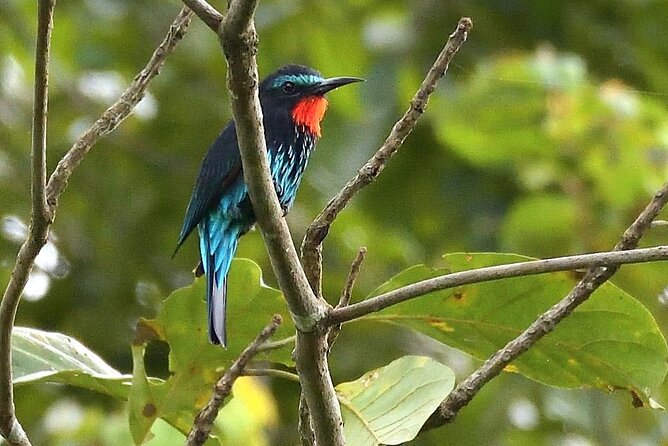
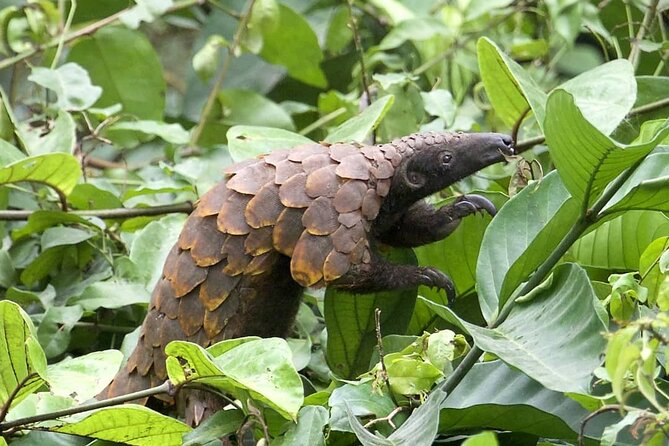
After Ankasa, you travel to the Ashanti Region and a remote community protecting a small Upper Guinea forest. Day 9 aims to reach the forest by late afternoon, then do a night walk. Your big focus is pangolin.
The tour explicitly frames pangolin as difficult to spot and also endangered and illegally trafficked. The practical upside of this portion is that you’re not just chasing a rare animal in isolation. The tour is linked to a conservation and community project to protect the habitat from illegal hunting and logging.
On Day 10, you spend a full day searching that forest for target species, and you get help from local community members during pangolin searches if needed. There’s also a strong butterfly element, since butterflies are said to be abundant, with several hundred species recorded.
This is the two-part value of the Ashanti days. You get night and day search effort, but you also get the context behind why the search matters. For wildlife lovers, that emotional difference is real. It’s no longer just about ticking off pangolin. It becomes about supporting the conditions that might let pangolins survive here.
Consideration: If you are only interested in big mammals with frequent sightings, this section can feel like a long wait. The reward is tied to very specific, low-frequency targets.
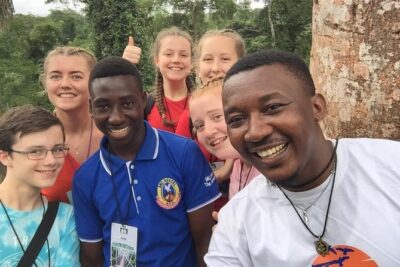
Private guide, private vehicle, elsewhere in Ghana

Days 11 to 14 at Mole National Park: escarpment views and spotlighting for the elusive
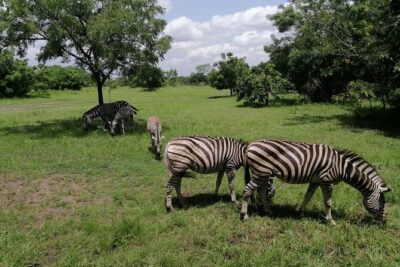
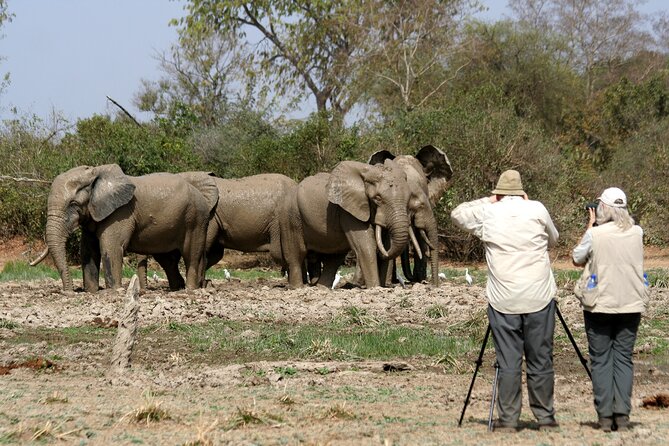
Then you head north to Mole National Park, which is the big change in habitat and animal style. Day 11 includes travel, with lunch in Kintampo before continuing to Mole. Mole is described as Ghana’s largest national park, covering 4,847 square kilometers, with almost 100 species of mammal and 330+ species of birds.
Your accommodation is on a 250-meter-high escarpment overlooking the park. That matters for your mood as much as your photos. After long days in forests, having a terrace view where you can spot activity around water or open areas is a nice way to settle into savannah wildlife rhythm.
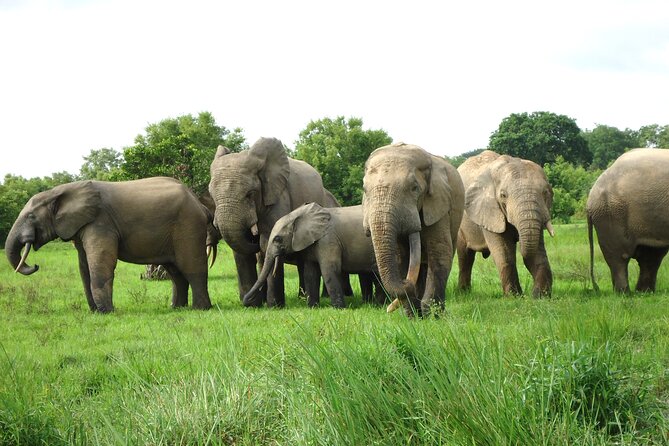
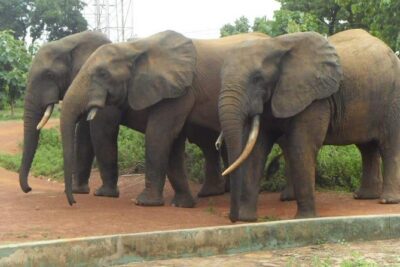
Day 12 starts with both vehicle and on-foot searching for mammals such as elephants, kobs, bushbucks, waterbucks, hartebeests, roan antelopes, warthogs, and buffalo. It also lists primate targets like Olive baboons and patas monkeys. Evening drives and walks continue with spotlighting for elusive mammals like hedgehogs, galagos, mongooses, civets, genets, duikers, hares, aardvarks, porcupines, and rodents and bats.
Day 13 and Day 14 repeat the core pattern across three full days and nights exploring Mole. The listing groups them as Day 2 and Day 3 at Mole, with long hours each day. In practice, that means you are not stuck with one drive per day and then hoping for the best. You get repetition, which is what actually improves your odds with shy animals.
Consideration: If you do not like night drives or spotlighting, Mole may feel intense. If you do like it, Mole is often where Ghana feels most like a classic wildlife destination.
Day 15 wrap-up: Tamale to Accra flight and a final meal near the airport
After your wildlife stretch at Mole, Day 15 is a “get back to civilization” day. You have a relaxed breakfast, then transfer to Tamale for an internal flight south to Accra. The plan notes this saves nearly two full days of road travel. That time savings matters if you want to end with energy instead of a long slog.
On arrival in Accra, you visit a local restaurant near the airport for an early evening meal and a final checklist. The tour closes with a goodbye transfer back to the airport.
Mammal reality check: how this trip improves your odds without promising miracles
One line matters here: rainforest mammals are hard, and sightings are never guaranteed. I like that this tour does not sell magic. Instead, it stacks the deck with tactics that actually make sense in the field:
- Multiple sessions in the same park, spread across morning, afternoon, and night
- Targeted habitats where those mammals are most likely
- Canopy scanning at Kakum for species that use the upper forest
- Waterhole staking at Ankasa and spotlighting across multiple days
- Local expertise for knowing how to read signs and where to focus
If you’re the kind of traveler who gets frustrated by waiting, you’ll need to adjust your mindset. But if you enjoy patient wildlife watching, this schedule feels built for people who want a real chance at the good stuff.
Guides, spotting, and the one communication wrinkle to consider
The tour emphasizes an expert local guide and a driver who helps keep everything moving. From the operator’s track record, strong spotting and identification skills show up again and again in the names attached to these trips, including Phillip Senyo, Foster, and Jackson. That’s useful because Ghana wildlife watching depends on people who can find targets fast and explain what you are seeing.
One caution that popped up in feedback: communication style can vary by guide. In at least one case, a guide who was excellent at spotting and identifying did not always communicate location clearly, with a soft spoken delivery and accent. This does not mean you will have the same issue. It does mean you should be proactive. If you want a better view, ask your guide to repeat where to look and how to track the animal once it is spotted.
What to pack and how to prepare for night walks
The itinerary includes multiple night walks and spotlighting sessions, plus early mornings for canopy access. So pack with the reality of dark forest conditions in mind.
At minimum, I’d plan for:
- A reliable headlamp or flashlight system for walking safely in the dark
- Warm layers for early starts, since night wildlife work can feel cooler than daytime
- Comfortable shoes for repeated forest walking and savannah driving
- Binoculars if you use them, since the canopy walkway platforms are built for scanning
You’ll also be moving between coastal savannah, deep rainforest, and savannah in a relatively tight timeline. That means your body will feel it, even with included accommodation and meals.
Who should book this Ghana wildlife private tour?
This tour is best for you if:
- You are a mammals-first wildlife traveler
- You like night wildlife work, not just daytime drives
- You want real time in places like Kakum, Ankasa, and Mole, not a drive-by itinerary
- You appreciate local guides and you’re open to wildlife being slow and unpredictable
It may not be the right fit if:
- You want frequent sightings guaranteed
- You strongly dislike long days and night walks
- You want a lighter pace with lots of downtime
Should you book? My take on the decision
If your ideal trip is “lots of chances” for mammals in Ghana’s main ecosystems, this is a strong match. The tour’s value comes from staying longer in the right habitats, using canopy time where it counts, and repeating the search effort over multiple days. The included support, meals, park/excursion fees, and internal flight route also remove a lot of guesswork and reduce stress.
Before you commit, be honest about two things. First, you need patience for mammals that stay hidden. Second, you should be ready for night walking and spotlighting being part of the core experience.
If that sounds like your kind of trip, this private Ghana wildlife route is one of the more focused ways to chase the mammals people talk about long after the canopy lights up and the forest goes quiet.
FAQ
What city does the tour start in?
The tour starts in Accra, with your guides meeting you at Kotoka International Airport and transferring you to a hotel near Shai Hills Reserve.
Is airport pickup included?
Yes. Airport transfers are included, and guides meet you on arrival.
Are park and excursion fees included?
Yes. The tour includes all excursion fees.
What meals are included during the 15 days?
Breakfast is included 13 times, lunch 13 times, and dinner 14 times.
Does the tour include accommodation?
Yes. Accommodation is included throughout the trip.
Are international flights included in the price?
No. International flights are not included.
Is the tour private?
Yes. This is a private tour/activity, with only your group participating.
What if weather affects the experience?
The experience requires good weather. If it is canceled due to poor weather, you are offered a different date or a full refund.
A Wider Spread of Ghana Tours
- The Cape Coast Day Tour
★ 5.0 · 525 reviews - The Cape Coast Tour
★ 5.0 · 177 reviews - From Accra: Cape Coast, Elmina Castle & Kakum Park Day Tour
★ 4.6 · 144 reviews - Accra Detailed City Tour
★ 4.5 · 118 reviews - Accra Guided City Tour Experience
★ 4.7 · 88 reviews
More Ghana Tours Out of the Review Pile
- The Cape Coast Day Tour
★ 5.0 · 525 reviews - Experience the Beauty, History and the Culture Of Accra in a Day
★ 5.0 · 323 reviews - The Cape Coast Tour
★ 5.0 · 177 reviews - From Accra: Cape Coast, Elmina Castle & Kakum Park Day Tour
★ 4.6 · 144 reviews - Accra Detailed City Tour
★ 4.5 · 118 reviews
Longer Routes Through Ghana
- 10 Days Trip to Cape Coast and Elmina Castles from Accra
★ 5.0 · 31 reviews - 10 Days Ghana Cultural and Heritage Trip
★ 5.0 · 31 reviews - Explore Ghana Multi Day Tour
★ 5.0 · 29 reviews - Ghana City 2-day Tour
★ 5.0 · 21 reviews - 2-Day Private Tour to the Mount Afadjato and Wli Waterfalls
★ 5.0 · 17 reviews
Latest Accra reviews added here

Overnight & Multi-Day Trips, compared.
 ★ 4.55 Days Adventurous Wildlife SafariFrom $92249 reviews
 ★ 5.010 Days Ghana Cultural and Heritage TripFrom $3,50031 reviews
 ★ 5.010 Days Trip to Cape Coast and Elmina Castles from AccraFrom $4,69531 reviews
 ★ 5.0Explore Ghana Multi Day TourFrom $2,70529 reviews
 ★ 5.0Ghana City 2-day TourFrom $30721 reviews
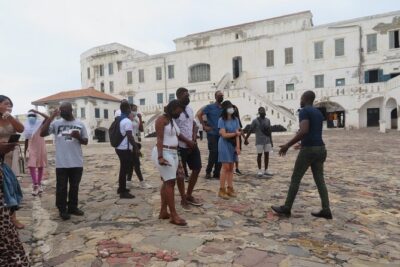 ★ 5.07-Day Private Cultural and Heritage Tour in GhanaFrom $1,99817 reviews
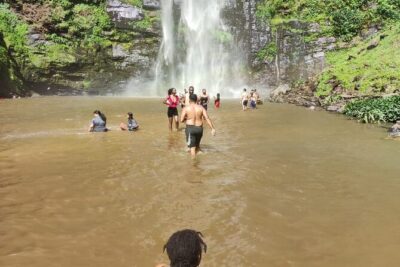 ★ 5.02-Day Private Tour to the Mount Afadjato and Wli WaterfallsFrom $46417 reviews
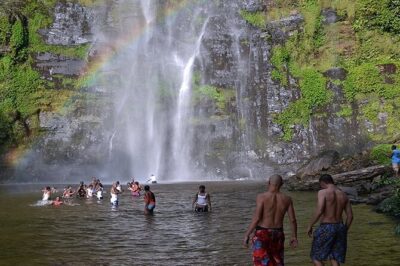 ★ 5.0Volta Region 3 Days 2 nights Nature Private TourFrom $70011 reviews
Browse the lists this tour appears in