
REVIEW · OVERNIGHT & MULTI-DAY TRIPS
7days/6nights Eco Tourism
Ghana hits fast, and in many directions. This 7-day eco trip strings together Accra’s botanical gardens, monkey sanctuaries, Wli and Kintampo waterfalls, Mole National Park safari time, and the coast’s slavery sites, all while a guide and driver handle the driving. I like two things a lot: the unlimited purified bottled water and the fact that all entrance fees are included, so you are not doing mental math all week.
The one thing to consider is pacing. This is an active itinerary with hikes, waterfall climbing, and early mornings, plus long stretches of road between regions, so it rewards people who like being on the move.
In This Review
- Key Highlights at a Glance
- Price and What Makes This 7-Day Route Good Value
- Day 1: Legon Botanical Gardens, Aburi Views, and Akosombo Lake Time
- Day 2: Tafi Atome Monkeys, Mount Afadjato Climb, and Wli Waterfalls
- Day 3: Kumasi Palaces, the Okomfo Anokye Sword Site, and Lake Bosumtwi
- Day 4: Bobiri Forest Reserve, Boabeng Fiema Monkeys, and Tano Sacred Grove Caves
- Day 5: Kintampo Falls Swim, Fuller Falls Forest Walk, and Mole National Park Safari
- Day 6: Mole Sunrise Safaris, ATV and Foot Hunts, then Larabanga Mosque and Cape Coast
- Day 7: Assin Manso, Cape Coast Castle, Kakum Canopy Walk, and Fort St Jago
- Who This Tour Fits, and When to Think Twice
- Should You Book This Star Tours Ghana 7-Day Eco Experience?
- FAQ
- What are the dates and duration of the tour?
- Where does the tour take place?
- What is included in the price?
- What activities and tickets are covered?
- Is pickup offered and what time does the tour start?
- Is this a private tour?
- What is not included?
Key Highlights at a Glance
- Unlimited purified bottled water keeps you comfortable between stops, especially on hotter, busier days
- Entrance fees included means fewer surprises and more time focused on the sights
- Private group setup so your guide can match your pace and interests
- Eco-focused stops like monkey sanctuaries, forest and butterfly reserve time, and nature trails
- Mole National Park safari style with both vehicle time and an on-foot jungle walk
- Charity-driven travel where tour proceeds support Future Stars Ghana and children in need
Longer routes through Ghana, two nights and upward
- 10 Days Trip to Cape Coast and Elmina Castles from Accra★ 5.0 · 31 reviews
- 10 Days Ghana Cultural and Heritage Trip★ 5.0 · 31 reviews
- Explore Ghana Multi Day Tour★ 5.0 · 29 reviews
- Ghana City 2-day Tour★ 5.0 · 21 reviews
Price and What Makes This 7-Day Route Good Value
At $1,980 per person for 7 days and 6 nights, the value here comes from what is bundled in. This is not a bare-bones transport-only package. You get an air-conditioned vehicle, breakfast, lunch, and dinner for 7 days, and all fees and taxes. On top of that, you receive unlimited purified bottled water, a Star Tours Ghana T-shirt, and free WiFi, plus pickup is offered.
What matters for you is how that changes your experience. With entrance fees handled and meals provided, you can plan your day around the time you spend outside, not paperwork and additional ticket lines. And because it is a private experience, you are not stuck in a huge group shuffle with strangers whenever the road gets busy.
There is also a human side that you can feel good about. The tour company says any profit goes directly to Future Stars Ghana, which supports over 150 orphans and destitute children. That does not make the itinerary magically easier, but it adds meaning to all those long travel days.
A quick reality check: this route covers a lot of Ghana in one week, including hikes and safari walking. If you want downtime every afternoon, you might find the schedule a bit tight.
Day 1: Legon Botanical Gardens, Aburi Views, and Akosombo Lake Time
Day 1 starts with nature that feels like a reset button. At Legon Botanical Gardens (with Aburi gardens included), you get time to wander and take in the plants without feeling rushed. The gardens are a strong first stop because they set the tone: this trip is not just about cities and monuments.
Then you head toward Akosombo. The day’s second highlight is Sajuna Beach Club, where you take a boat ride on the Akosombo Lake. A lake boat ride in Ghana can be a welcome break from traffic, and it is a nice contrast to the earlier walking in the gardens.
The practical upside for you: this day is nicely balanced. You start outdoors, you move toward the water, and you end with scenery that feels calming even if the week ahead gets busy.
The tradeoff: you are still traveling. You are building Ghana into a tight loop, so expect that some time is spent in the car. The good news is that you are riding in an air-conditioned vehicle, and you have bottled water ready.
Day 2: Tafi Atome Monkeys, Mount Afadjato Climb, and Wli Waterfalls
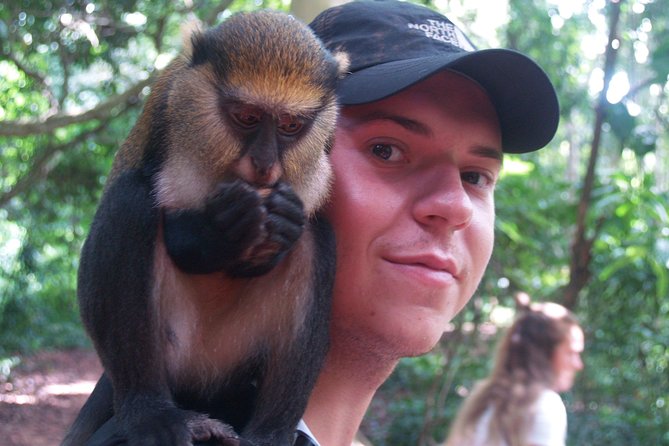
Day 2 is where the adventure energy really starts. First up is Tafi Atome Monkey Sanctuary and Cultural Village. You get time to play with, feed, and observe monkeys in their natural setting. This kind of experience works best when you go in with respect, slow movements, and patience, because wildlife does not follow a schedule.
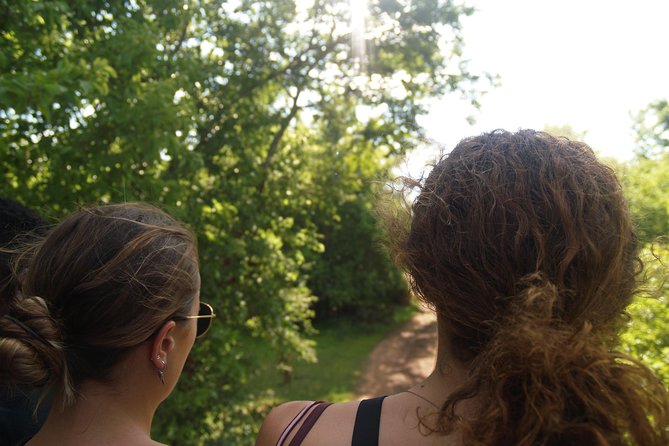
Next comes Mount Afadja, also called Afadjato in the description. This is the big physical moment: trekking through remote villages and climbing Ghana’s highest mountain. The itinerary lists about 3 hours here, so you are not doing a casual stroll. Bring your mental energy for a real climb.
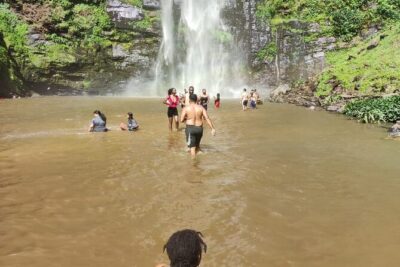
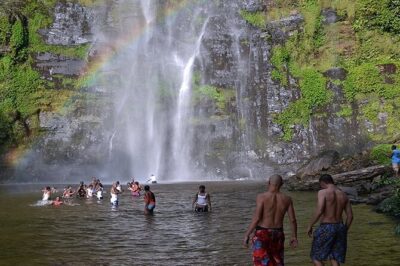
Then you finish at Wli Waterfalls, described as the highest waterfall in Ghana and the tallest in West Africa. You also get time to hike for views of the upper and lower falls. Wli is the kind of place where you feel the weather and the terrain, so good conditions matter.
This day is memorable because it mixes wildlife, community scenery, and serious nature work in one sequence. The consideration is obvious: it is physically demanding. If you are not comfortable with hiking and climbing, ask yourself honestly if you want a week that includes this kind of effort.
Day 3: Kumasi Palaces, the Okomfo Anokye Sword Site, and Lake Bosumtwi
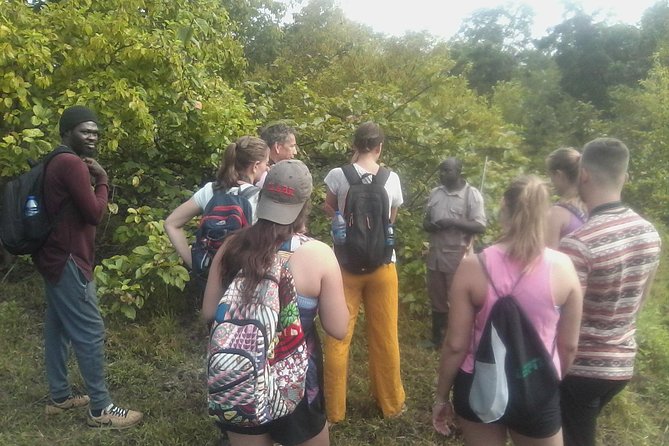
Day 3 shifts gears from forests and climbs to the heart of Ghana’s cultural power. Early on, you visit Likpe Mate, including the six Lipke caves with a focus on cave history. Caves can feel cooler and more atmospheric, and they are a good way to start before the driving ramps up.
After that, you head to Kumasi for three major stops.
First is Manhyia Palace Museum, described as the home of the Asantehene. You get a chance to learn about Ashanti leadership and the stories tied to the palace. Then you move to the Okomfo Anokye Sword site, a place with strong legend and meaning. Together, these stops give you context for why Ashanti history matters in everyday life.
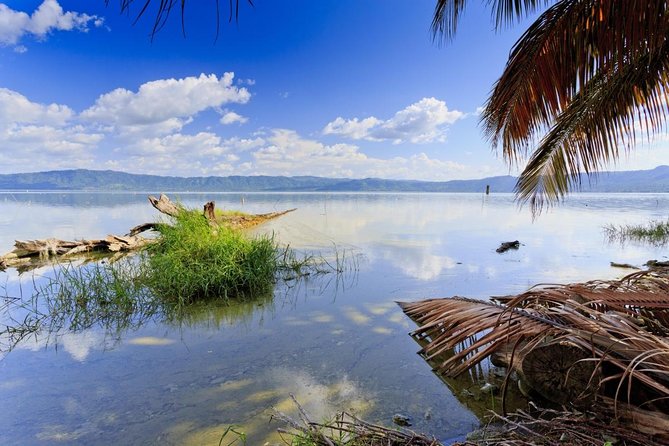
Finally, you relax at Lake Bosumtwi, the only natural lake in Ghana formed by a meteorite strike. You get about an hour to enjoy the views, and the name is explained as meaning Antelope God. Even with limited time, a lake stop works because it balances all the earlier walking with something quieter.
The value for you on Day 3 is pacing through themes: caves, monarchy and tradition, then a scenic reset at the lake.
Day 4: Bobiri Forest Reserve, Boabeng Fiema Monkeys, and Tano Sacred Grove Caves
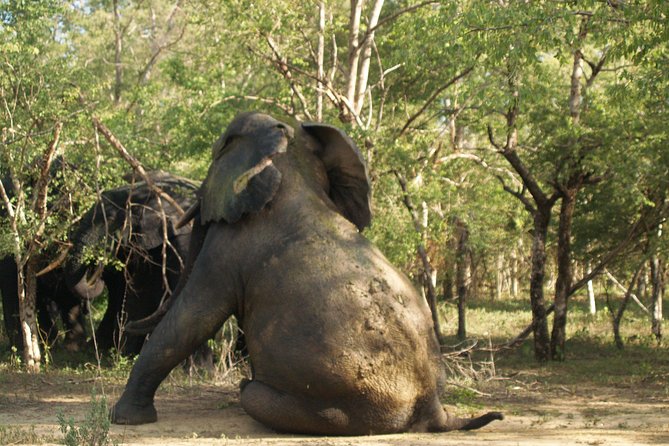
Day 4 is a classic eco-and-culture blend, and it is built around wildlife and protected places.
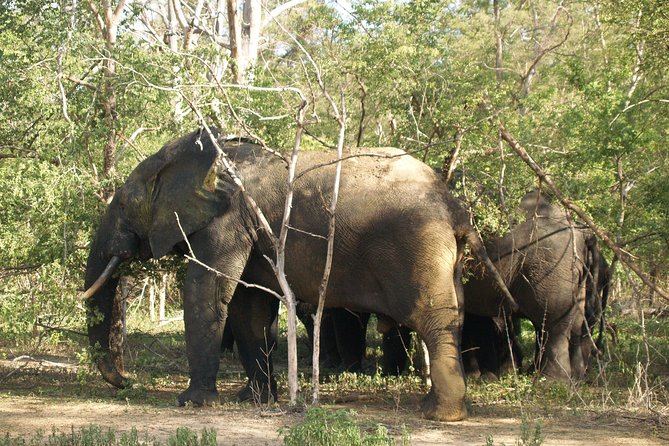
You start at Bobiri Forest Reserve, plus Bobiri butterfly reserve time. The description emphasizes the reserve feel, and a forest reserve visit usually gives you a more grounded look at how biodiversity lives in Ghana’s interior.
Then you head to Boabeng Fiema Monkey Sanctuary, where you can spend time with monkeys in a natural environment and explore caves. The itinerary highlights over 700 Geoffrey’s Pied Colombus and Campbell Mona monkeys, which is a big number and sets expectations that you will likely see lots of activity rather than just a rare sighting.
The last stop is Tano Sacred Grove, including the rock formation at Tano Boase. You explore sacred groves and caves where villagers sought refuge during slave raids and tribal wars. This is the kind of stop that adds emotional weight, because it connects landscape and survival stories.
The main drawback to keep in mind: you are stacking protected nature areas back to back. That is great for wildlife lovers, but you will want comfortable shoes, water, and patience for uneven terrain.
This day tends to be a favorite because it feels authentically Ghanaian in a way that is less about monuments and more about how people and wildlife share space.
A full week on the road in Ghana
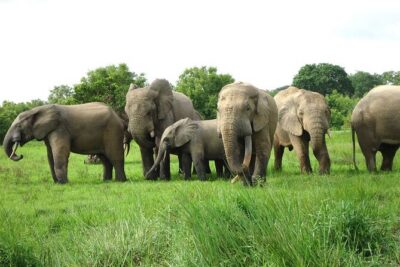

Day 5: Kintampo Falls Swim, Fuller Falls Forest Walk, and Mole National Park Safari
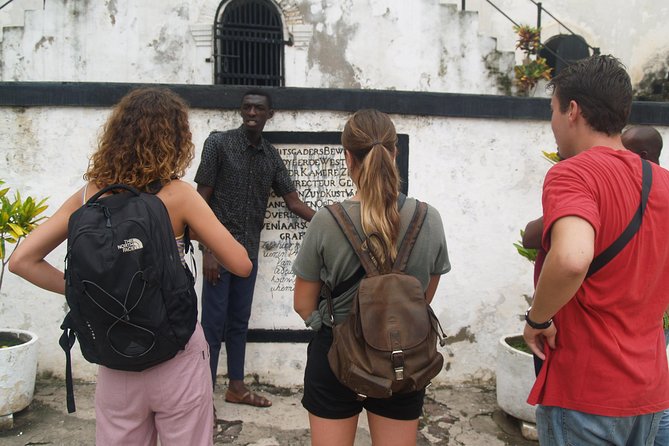
Day 5 is built around waterfalls first, then wildlife.
At Kintampo Falls, you get about an hour with time to swim under the waterfalls and experience a canopy walkway. That combination is a win: water energy plus elevated views. If you like photo moments and real sensory experiences, this stop does the job.
Then you visit Fuller Falls, also for about an hour, including time to explore the waterfalls and surrounding forest. After that, you drive to Mole National Park.
When you reach Mole, your week takes on a safari rhythm. The prior days prepare you mentally, because you already spent time with nature and walking. Mole then becomes the grand finale of that theme.
A practical consideration: waterfall time can change based on conditions. If the water level is off or the ground is slick, your ability to swim or move safely may be affected. Since the experience needs good weather overall, it helps to go into the week flexible.
Day 6: Mole Sunrise Safaris, ATV and Foot Hunts, then Larabanga Mosque and Cape Coast
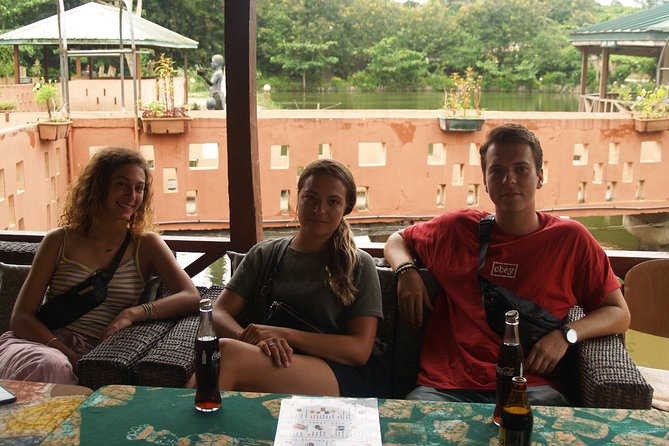
This is a big split day, and it is structured well.
First, you wake early at Mole National Park. The itinerary describes vehicle movement into the jungle using an all-terrain vehicle, then returning by 8am for breakfast. After breakfast, there is a second safari: an on-foot expedition through dense jungle.
That two-part safari format is valuable because it gives you options. Vehicle time can help you cover ground and spot wildlife you might miss on foot. The on-foot segment gives you slower, closer encounters and a better feel for how the forest sounds and moves.
Then you head to Larabanga Mosque, described as built in Sudanese architectural style and as the oldest mosque in Ghana, and one of the oldest in West Africa. It is a strong cultural contrast after wildlife time.
After that, you drive toward Cape Coast. This sets you up for the final day’s coast-heavy schedule, where history and nature both matter.
If you like variety, Day 6 is a highlight because it switches from safari intensity to architecture and then to the coast.
Day 7: Assin Manso, Cape Coast Castle, Kakum Canopy Walk, and Fort St Jago
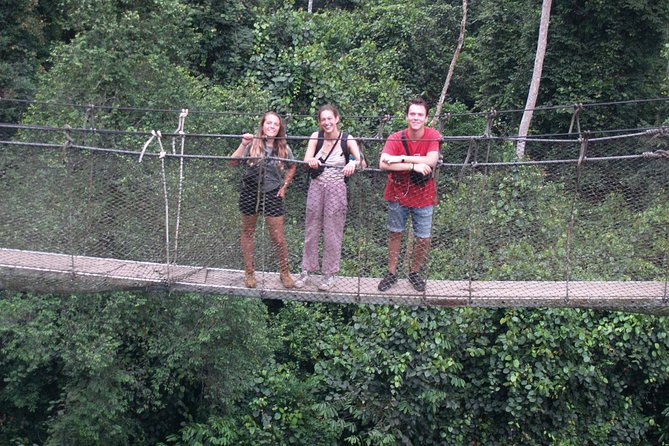
Day 7 is emotionally honest travel. It holds the weight of slavery history, then balances it with forest and birds from above.
You start at Assin Manso Ancestral Slave River Park, described as the final link in the slavery route from northern Ghana and connected to the largest slave market for merchants before people were taken to Cape Coast Slave Castle. The time here is about understanding place and context.
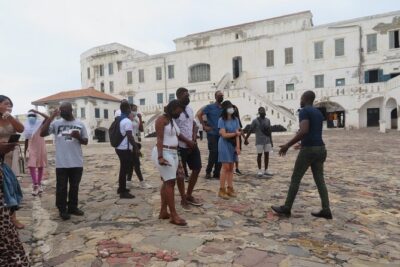
Next is Cape Coast Castle, with local guides meeting you for a tour. The itinerary calls out exploring the dungeons and the cannon-lined catwalks. This is not a quick photo stop. A guided castle visit works best when you let the stories land and you take time in the spaces that still feel heavy.
Then you shift to Kakum National Park, including a canopy walkway. The description specifies it is suspended 45 meters above the ground, and the park is noted for butterflies and birds, including African grey parrots and horn-bills. Walking above the forest is a totally different kind of Ghana than the castles below.
Finally, you explore Fort St Jago and also Elmina Castle, again with local guides. The format suggests you get guided time at the castles and then some freedom to explore on your own afterward.
If you want a clear takeaway, it is this: your last day becomes a three-part rhythm of meaning, reflection, and then lifted views in nature.
Who This Tour Fits, and When to Think Twice
This is a great match if you want to experience Ghana in one organized loop. You cover Accra-area gardens, the Volta region with lake and waterfalls, the Ashanti heartland with palace and sites, then safari country at Mole, and finally the Central Coast with slavery history and Kakum’s treetop views. That is a lot to do in 7 days, and it is exactly why the bundled approach matters.
You should also like this if you are eco-minded. Between forest reserves, butterfly time, monkey sanctuaries, and safari walks, the trip keeps pulling you toward nature and protected spaces.
Think twice if you prefer slower days, because the itinerary includes serious walking and climbing, including Mount Afadjato and waterfall hikes, plus early starts for Mole. Good weather matters too, since the experience says it needs it, and waterfalls and outdoor canopy time depend on conditions.
If your priority is maximum comfort and minimal effort, you might end up feeling rushed. If your priority is seeing a lot of Ghana with fewer logistics headaches, this tour is strong.
Should You Book This Star Tours Ghana 7-Day Eco Experience?
I would book it if you want an efficiently planned, nature-and-culture week with meals, entrance fees, and key transport handled for you. The unlimited purified water, free WiFi, and predictable costs make it easier to stay relaxed. And the charity tie-in with Future Stars Ghana adds real purpose to the trip.
I would not book it if you are the type who wants to linger for days in one place or you get unhappy with hiking and long drives. This route is active and built for movement.
If that sounds like your style, Star Tours Ghana looks like a smart way to see Ghana in a week, with the added bonus that your trip can directly help support children in need.
FAQ
What are the dates and duration of the tour?
The tour is 7 days and 6 nights.
Where does the tour take place?
The tour is based in Ghana, with the route starting in Accra and visiting sites across multiple regions, including Mole National Park and Cape Coast.
What is included in the price?
The package includes an air-conditioned vehicle, all fees and taxes, and breakfast, lunch, and dinner for 7 days. The tour also includes unlimited purified bottled water, a Star Tours Ghana T-shirt, and free WiFi.
What activities and tickets are covered?
Entrance fees are included, and the itinerary includes activities like boat rides, monkey sanctuary visits, waterfall visits, castle tours, and Kakum’s canopy walkway.
Is pickup offered and what time does the tour start?
Pickup is offered, and the start time is 7:00 am.
Is this a private tour?
Yes. It is described as private, with only your group participating.
What is not included?
Use of a bicycle is listed as not included.
A Full Week on Ghanaian Roads
- 7-Day Private Cultural and Heritage Tour in Ghana
★ 5.0 · 17 reviews - Private Multi-Day Ghana Tour about Culture History and Wildlife – 7 Days
★ 5.0 · 8 reviews - 7 Day Artisanal Tour
★ 5.0 · 4 reviews
More Ghana Tours Out of the Review Pile
- The Cape Coast Day Tour
★ 5.0 · 525 reviews - Experience the Beauty, History and the Culture Of Accra in a Day
★ 5.0 · 323 reviews - The Cape Coast Tour
★ 5.0 · 177 reviews - From Accra: Cape Coast, Elmina Castle & Kakum Park Day Tour
★ 4.6 · 144 reviews - Accra Detailed City Tour
★ 4.5 · 118 reviews
Longer Routes Through Ghana
- 10 Days Trip to Cape Coast and Elmina Castles from Accra
★ 5.0 · 31 reviews - 10 Days Ghana Cultural and Heritage Trip
★ 5.0 · 31 reviews - Explore Ghana Multi Day Tour
★ 5.0 · 29 reviews - Ghana City 2-day Tour
★ 5.0 · 21 reviews - 2-Day Private Tour to the Mount Afadjato and Wli Waterfalls
★ 5.0 · 17 reviews
Latest Accra reviews added here

Overnight & Multi-Day Trips, compared.
 ★ 4.55 Days Adventurous Wildlife SafariFrom $92249 reviews
 ★ 5.010 Days Ghana Cultural and Heritage TripFrom $3,50031 reviews
 ★ 5.010 Days Trip to Cape Coast and Elmina Castles from AccraFrom $4,69531 reviews
 ★ 5.0Explore Ghana Multi Day TourFrom $2,70529 reviews
 ★ 5.0Ghana City 2-day TourFrom $30721 reviews
 ★ 5.07-Day Private Cultural and Heritage Tour in GhanaFrom $1,99817 reviews
 ★ 5.02-Day Private Tour to the Mount Afadjato and Wli WaterfallsFrom $46417 reviews
 ★ 5.0Volta Region 3 Days 2 nights Nature Private TourFrom $70011 reviews
Browse the lists this tour appears in