
REVIEW · KENTE, BEADS & CRAFT WORKSHOPS
7 Day Artisanal Tour
Accra can feel like a craft classroom with coastline history. This 7-day artisanal tour mixes hands-on workshop time (pottery, black soap, batik) with major cultural stops like Kwame Nkrumah sites and a day at Kakum National Park and Cape Coast Castle. It’s the kind of trip where you actually leave with something you made, not just photos.
What I like most is the balance of doing and seeing. You get a pottery class where you’ll shape clay and then paint your creations, and you also make take-home items in the soap and batik workshops. I also like that the day in Accra doesn’t stay only in craft mode, you layer in big-picture context with places tied to Ghana’s independence story, including Pan-African culture stops.
One consideration: the price is $2,610 per person, so you’ll want to be sure this mix of private transport, multiple workshops, and a Cape Coast day trip matches what you truly want to spend on. Also, Day 5 is a long history-and-nature combo, so it’s not the most relaxed pace.
In This Review
- Key highlights at a glance
- Accra first day: arriving with a plan, not a scramble
- Day 2 pottery plus Pan-African landmarks in Accra
- Happy Art Academy pottery class with paint time
- Kwame Nkrumah Memorial Park plus Accra orientation stops
- Center for National Culture and a shopping-minded arts stop
- Day 3 black soap workshop plus contemporary art breaks
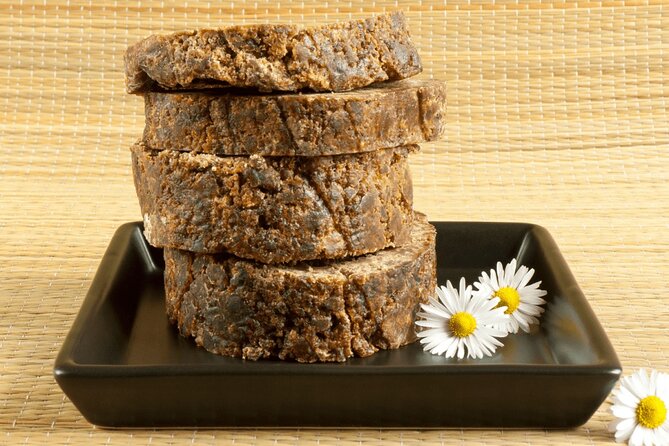
- ALL PURE NATURE black soap workshop, with ingredients you can choose
- Gallery 1957, Artists Alliance Gallery, and dot.ateliers in South La
- Day 4 leisure day: keep your pace sane
- Day 5 Cape Coast day: Kakum National Park and Cape Coast Castle
- Kakum National Park: nature walk or 40-meter canopy walkway
- Cape Coast Castle: Forts, slave dungeons, and museum exhibits
- Day 6 Accra batik workshop plus Aburi Botanical Gardens
- Batik class: wax, dye, and making fabric you can sew
- Aburi Botanical Gardens: plants, butterflies, and a scenic change of pace
- Day 7 shopping and departure transfer
- How good is the value at $2,610 per person?
- What kind of traveler should book this?
- Should you book the 7-Day Artisanal Ghana Tour?
- FAQ
- Pickup and transfers
- What is included in the tour price
- How long is the tour?
- What workshops do you do in Accra?
- How strenuous is Kakum National Park?
- What is the cancellation window?
Key highlights at a glance
- Hands-on pottery at Happy Art Academy, including painting what you make
- Black soap workshop customization with choices like essential oils and botanicals
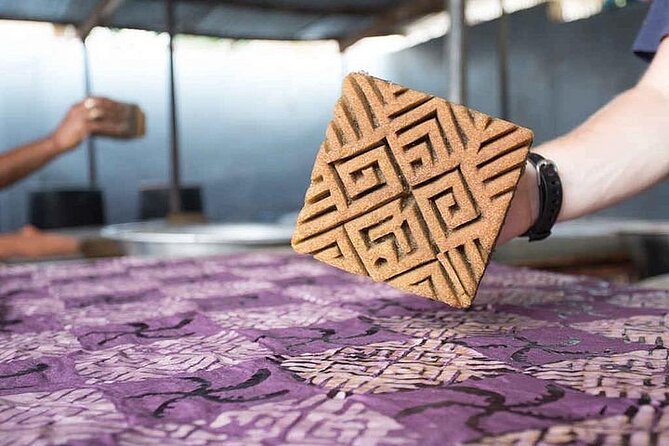
- Batik that you can take home (two yards of fabric to turn into something wearable)
- Kakum National Park options, including a 40-meter canopy walkway
- Cape Coast Castle for real-world history, with Swedish-era origins and dungeon exhibits
- Private, air-conditioned transportation, plus standout guide support mentioned in reviews
Weaving, beadwork and drumming sessions we have sat through
- Accra Safari at Shai Hills and Boat Cruise + Cedis Beads★ 5.0 · 14 reviews
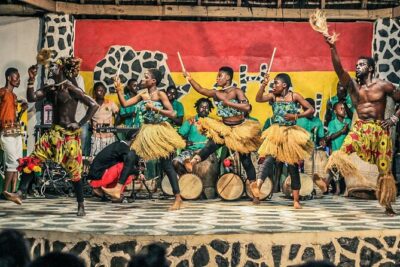
- African Drum and Dance Lessons★ 5.0 · 6 reviews
- Accra: Tafi Kente Village, Monkey Sanctuary &Wli Waterfalls★ 4.5 · 4 reviews
- 7 Day Artisanal Tour★ 5.0 · 4 reviews
Accra first day: arriving with a plan, not a scramble
Day 1 is all about getting settled in Accra. You arrive, then you’re transferred from the airport to your hotel. It’s a simple start, but it matters. When your trip is packed with scheduled workshops and guided stops, the best early-day move is reducing stress. You don’t want your energy spent figuring out logistics.
Also, your first “free” time is built in, meaning you aren’t forced to cram museums immediately after landing. That gives you breathing room for jet lag, first-meal planning, and the kind of early orientation that helps you enjoy the rest of the week without constant backtracking.
Day 2 pottery plus Pan-African landmarks in Accra
Day 2 is a strong introduction to the trip’s theme: making things with your hands, then seeing how Ghana’s identity is shaped by culture and independence.
Happy Art Academy pottery class with paint time
Your pottery stop is at Happy Art Academy. You do a traditional pottery making class with skilled artisans guiding the process. The key part is not just watching, it’s being hands-on in shaping clay into functional pieces. Then there’s the extra bonus of painting your creations afterward, which turns the project into something personal. Even if you’ve never tried pottery before, the structure is straightforward: make, then decorate.
For value, this is one of the best “return on time” activities on the itinerary. You spend several hours doing the craft, and the results are tangible. That usually means more satisfaction than another stop where you only look around.
Kwame Nkrumah Memorial Park plus Accra orientation stops
After pottery, the tour switches gears to sightseeing. You’ll visit Kwame Nkrumah Memorial Park and also get an Accra orientation that includes Independence/Black Star Square, the W.E.B. Du Bois Center for Pan African Culture, and other notable points such as the Artiste Alliance Gallery.
The practical win here is that you learn the story behind the landmarks, instead of just passing them in a car. You’re also shown how Accra works as the country’s administrative and economic hub, which makes the city feel less like a blur and more like a real place.
Center for National Culture and a shopping-minded arts stop
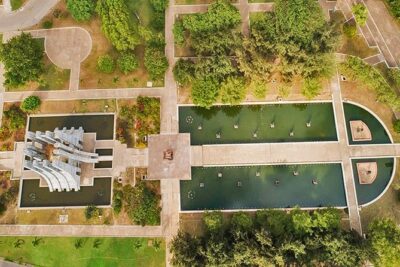
The day continues at the Center for National Culture. The tour focuses on important events and Ghana’s first president. The schedule also includes Nkrumah’s mausoleum, a museum about his life, his residence, and the eternal Flame of African Liberation, plus landscaped gardens.
The itinerary ends with an arts center/shop time where you can sharpen bargaining skills. That’s not everyone’s favorite activity, but it’s useful. If you’ve never bargained in Ghana before, this is a guided way to learn the rhythm without feeling thrown into the deep end.
Longer routes through Ghana, two nights and upward


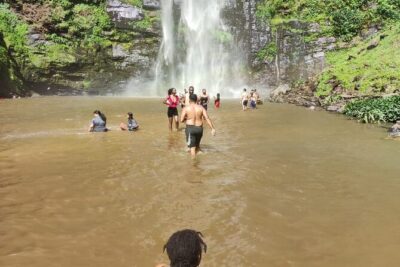
Day 3 black soap workshop plus contemporary art breaks
Day 3 is another hands-on day, but the craft is different. Then the afternoon helps you keep your interest from getting stuck in one style of creativity.
ALL PURE NATURE black soap workshop, with ingredients you can choose
You’ll visit ALL PURE NATURE Skin & Hair Care Products for a black soap making workshop. This is traditional black soap, made using natural ingredients and indigenous techniques. You mix and mould the soap, and you also customize it using aromatic essential oils and botanicals.
That customization detail matters. Many “make it yourself” experiences end with one preset outcome. Here, you can influence the scent and add-ins. It’s also a useful reminder that in Ghana, skincare traditions often come from real materials available locally and from long use over generations.
Plan your senses for this one. Black soap involves strong natural smells and an active workshop setting. Bring patience for clean-up, and expect a little mess, because hands-on means hands-on.
Gallery 1957, Artists Alliance Gallery, and dot.ateliers in South La
After the soap, you move into the art world side of Accra. You’ll visit Gallery 1957 for contemporary African art, plus Artists Alliance Gallery for paintings, sculptures, and textiles. Then you stop at dot.ateliers in South La.
This is a smart pairing: you make traditional products in the morning, then you see how Ghanaian artists work in today’s styles. Even if you’re not an art collector, it helps you understand what people mean when they say the culture is alive and evolving.
Day 4 leisure day: keep your pace sane
Day 4 is left open. After breakfast, you can relax at the hotel if you want.
This matters more than it sounds. After workshop days and guided sightseeing, a reset day gives your brain time to process what you’ve seen. It also gives you the chance to revisit a shop area you liked, or simply catch up on sleep. If you like having control in your itinerary, this is a rare but welcome slot.
If you don’t want hotel time, you’ll likely find it easy to plan casual exploring on your own. Just remember your trip is private and scheduled for the rest of the days, so protect that energy for what’s coming next.
Day 5 Cape Coast day: Kakum National Park and Cape Coast Castle
Day 5 is a full day trip from Accra to Cape Coast. It’s one of the biggest “wow” days, but it’s also structured with options so you can choose your comfort level.
Kakum National Park: nature walk or 40-meter canopy walkway
You drive through the Denkyira Kingdom area en route to Kakum National Park, one of West Africa’s surviving tropical rain forests. Then you get a choice for how you experience it.
Option one is a 2 km nature walk through the rainforest, focused on seeing flora and fauna and learning about medicinal values. Option two is the canopy walkway, hanging 40 meters above the forest floor.
If you’re afraid of heights, that canopy walkway may not be your thing. But if you like views and want a different perspective on the forest, it’s a highlight built into the day. Either choice keeps you outside, moving through nature, and not only indoors with history.
Cape Coast Castle: Forts, slave dungeons, and museum exhibits
After Kakum, you head to Cape Coast Castle for a guided tour focused on forts, castles, and slave dungeons of Ghana. You’ll visit Cape Coast Castle, built by the Swedes in 1653 and later taken over by the British. The tour explains how European slave traders connected with African communities that enabled the trans-Atlantic slave trade.
The emotional weight here is real. The itinerary specifically mentions standing in dark, stuffy dungeons and imagining conditions millions of Africans endured. There’s also the West African Historical Museum on-site.
If you’re sensitive to heavy history, treat this as a slow, honest stop. Wear comfortable shoes, and give yourself a moment to reset afterward, because this site can land hard.
Day 6 Accra batik workshop plus Aburi Botanical Gardens
Day 6 switches back to craft, then ends with greenery and open air.
Batik class: wax, dye, and making fabric you can sew
You’ll take a batik workshop in Accra. You work side-by-side with local batikers and learn traditional batik production techniques using wax and dye to create colorful patterns. Then you take home two yards of your handiwork to sew into a finished product.
That’s a key difference from a lot of “souvenir” workshops. Two yards of fabric is enough for real use, not just display. If you sew or plan to take the fabric to a tailor, this becomes practical. If you don’t sew, you’ll still likely find a local option to turn it into something.
The class is listed as 2 hours in the overview, but the day schedule shows 3 hours. In practice, batik time can run longer due to drying and step pacing, so expect it to take most of the session.
Aburi Botanical Gardens: plants, butterflies, and a scenic change of pace
Then you go to Aburi Botanical Gardens. The gardens were created in 1890 for pleasure and scientific research. They’re described as habitat for plants and butterflies from around the world. Aburi is also known as a friendly town, and the gardens are easier to view with recent additions of rental bicycles for tours on the mountain.
This stop is a good counterweight after the intensity of Cape Coast Castle. You shift from difficult human history to living nature. It’s also an easier day if you don’t want more crafting.
Day 7 shopping and departure transfer
Day 7 is a practical wrap-up day. You spend the day shopping and doing last-minute packing. At noon, you check out and transfer to the airport for departure.
This gives you a chance to use what you learned during the arts center bargaining time. It’s also when you can finalize any gifts, crafts, or extra textiles you want to bring home.
If you’re bringing items back, keep one day’s worth of room in your bag. When you’re making pottery, soap, and fabric, space becomes part of your planning.
How good is the value at $2,610 per person?
At $2,610 per person, this is not a budget tour. But it also isn’t a “sit and watch” itinerary.
Here’s the value logic I see:
- Private transportation plus air-conditioned vehicle means fewer long, uncomfortable transfers between different activity locations.
- You get three distinct artisanal workshops (pottery, black soap, batik) with hands-on time, and you take home outputs from at least some of them.
- You also get a real day trip with major stops, Kakum National Park and Cape Coast Castle, both with included admissions listed in the schedule.
The main reason to question the cost is if you only care about one part of Ghana. If you want only wildlife or only museums, you’re paying for the full mix. If you like the idea of making things, learning craft techniques, and then balancing that with big historical sites, the price starts to make more sense.
What kind of traveler should book this?
This tour fits best if you:
- Want hands-on cultural learning and not just sightseeing
- Like history with context, including independence-related sites and Cape Coast’s difficult past
- Enjoy a multi-day rhythm where you alternate craft, art, nature, and guided exploration
- Appreciate helpful guides and smooth logistics
One thing I took from the feedback is that guide support is a standout. A review specifically mentioned a guide named Mohammad making things happen, plus good communication and cold drinks during the day. The same feedback also praised comfortable transport and good restaurants, which matters because you’ll be moving between multiple neighborhoods and stops.
Should you book the 7-Day Artisanal Ghana Tour?
I’d book it if you want a Ghana trip that’s practical and participatory. The workshop-heavy structure is the core strength, especially pottery with paint time, black soap with customization, and batik with fabric you can actually take home.
I’d hesitate if you want a very relaxed pace, or if you prefer to spend your money only on scenery or only on museums. Day 5 in particular packs nature and heavy history into one day, so you need to be okay with that mix.
If the price fits your budget and you’re excited to learn by doing, this is the kind of itinerary that leaves you with both stories and objects.
FAQ
Pickup and transfers
Yes. You have a transfer from the airport to your hotel on Day 1, and on Day 7 you check out at noon and transfer to the airport for departure. Pickup is also mentioned as offered.
What is included in the tour price
The tour includes private transportation, an air-conditioned vehicle, and breakfast on five mornings. Admission tickets are listed as included for many stops, while landing and facility fees and airport/departure tax are not included.
How long is the tour?
It runs for 7 days, with timing listed as approximate.
What workshops do you do in Accra?
You do traditional pottery making with paint time at Happy Art Academy, black soap making at ALL PURE NATURE Skin & Hair Care Products, and a batik workshop where you make patterns using wax and dye and take home two yards of fabric.
How strenuous is Kakum National Park?
You can choose between a 2 km nature walk through the rainforest or taking the canopy walkway hanging 40 meters above the forest ground. Your choice controls how you experience the park.
What is the cancellation window?
You can cancel up to 6 days in advance of the experience for a full refund. A 50 percent refund is available if you cancel 2 to 6 full days before the start time, and no refund applies if you cancel less than 2 full days before the start time.
More Ghana Tours Out of the Review Pile
- The Cape Coast Day Tour
★ 5.0 · 525 reviews - Experience the Beauty, History and the Culture Of Accra in a Day
★ 5.0 · 323 reviews - The Cape Coast Tour
★ 5.0 · 177 reviews - From Accra: Cape Coast, Elmina Castle & Kakum Park Day Tour
★ 4.6 · 144 reviews - Accra Detailed City Tour
★ 4.5 · 118 reviews
Longer Routes Through Ghana
- 10 Days Trip to Cape Coast and Elmina Castles from Accra
★ 5.0 · 31 reviews - 10 Days Ghana Cultural and Heritage Trip
★ 5.0 · 31 reviews - Explore Ghana Multi Day Tour
★ 5.0 · 29 reviews - Ghana City 2-day Tour
★ 5.0 · 21 reviews - 2-Day Private Tour to the Mount Afadjato and Wli Waterfalls
★ 5.0 · 17 reviews
Looms, Beads and Drums
- Accra Safari at Shai Hills and Boat Cruise + Cedis Beads
★ 5.0 · 14 reviews - Private Tour of Shai Hills Reserve, Volta River & a Bead Factory.
★ 5.0 · 7 reviews - African Drum and Dance Lessons
★ 5.0 · 6 reviews - Accra: Tafi Kente Village, Monkey Sanctuary &Wli Waterfalls
★ 4.5 · 4 reviews - African custom clothing making experience with fabric tour
★ 4.5 · 3 reviews
Latest Accra reviews added here
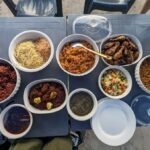


Kente, Beads & Craft Workshops, compared.
 ★ 5.0Bonwire Namimg Ceremony and Kente Tourist CenterFrom $18040 reviews
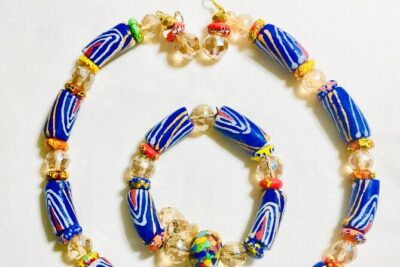 ★ 5.0Accra Safari at Shai Hills and Boat Cruise + Cedis BeadsFrom $25014 reviews
 ★ 5.0Private Tour of Shai Hills Reserve, Volta River & a Bead Factory.From $1807 reviews
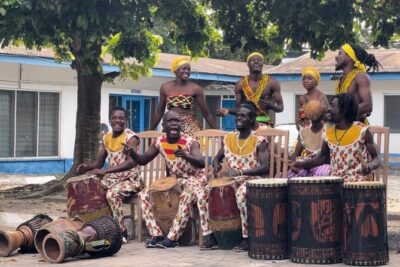 ★ 5.0African Drum and Dance LessonsFrom $556 reviews
 ★ 4.5Tafi Kente Village, Monkey Sanctuary &Wli WaterfallsFrom $2594 reviews
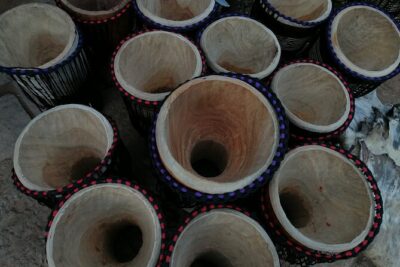 ★ 5.0Half-Day Private African Drumming Lessons with Pick UpFrom $683 reviews
 ★ 4.5African custom clothing making experience with fabric tourFrom $2403 reviews
 ★ 5.0Half-Day Guided Fabric Tour in GhanaFrom $1603 reviews
Browse the lists this tour appears in