
REVIEW · KENTE, BEADS & CRAFT WORKSHOPS
Half-Day Guided Fabric Tour in Ghana
Your hands will dye Ghana, literally. I love the hands-on batik tie-and-dye at Exmac Fabrics, and I love learning how Ghanaian fabric names and symbol meanings work at Makola Market. The one catch, if you have limited mobility, is that the market stop involves walking around an active bazaar.
This is led by a fashion industry expert, and in practice that means the textile talk is specific, not fluffy. When the guide is Albert, a designer himself, the explanations connect cloth to everyday life, so questions about Ghanaian society make sense in the moment.
You also get practical value baked in: air-conditioned transport, bottled water and soda, and a small group size (up to 10) that keeps the day from feeling rushed. You finish with fabric you made yourself, plus a 20% off perk toward custom African wear clothing.
In This Review
- Key things I’d plan around
- Accra Fabric Starts at Makola Market, the Print Power Station
- Learning Fabric Names and Symbols, Without Making It Sound Like a Lecture
- Exmac Fabrics: The Best Part, Making Your Own Batik Tie-and-Dye
- Why the Guide Matters: Albert’s Designer-Style Textile Answers
- Value Check: Is $160 Worth It in Accra?
- What’s Included, and What You’ll Need to Plan Yourself
- Pace and Timing: A 6-Hour Day That Won’t Feel Too Long
- Who This Tour Suits Best, and Who Should Skip It
- Should You Book This Ghana Fabric Tour?
- FAQ
- How long is the half-day guided fabric tour in Accra?
- What does the tour cost?
- Is pickup included?
- What’s included with the tour price?
- Is lunch included?
- Is this tour suitable for people who have difficulty walking?
Key things I’d plan around
- Makola Market basics: how buyers and sellers interact in the African print stall scene
- Fabric symbols decoded: you learn names and what the symbols can mean
- Batik tie-and-dye you create: choose a design and make your own take-home piece
- Small group size: maximum of 10 travelers for a more personal pace
- Built-in comfort: air-conditioned vehicle plus cold drinks during the day
- Money-saver angle: a 20% discount on custom African wear clothing is included
Weaving, beadwork and drumming sessions we have sat through
- Accra Safari at Shai Hills and Boat Cruise + Cedis Beads★ 5.0 · 14 reviews
- African Drum and Dance Lessons★ 5.0 · 6 reviews
- Accra: Tafi Kente Village, Monkey Sanctuary &Wli Waterfalls★ 4.5 · 4 reviews
- 7 Day Artisanal Tour★ 5.0 · 4 reviews
Accra Fabric Starts at Makola Market, the Print Power Station
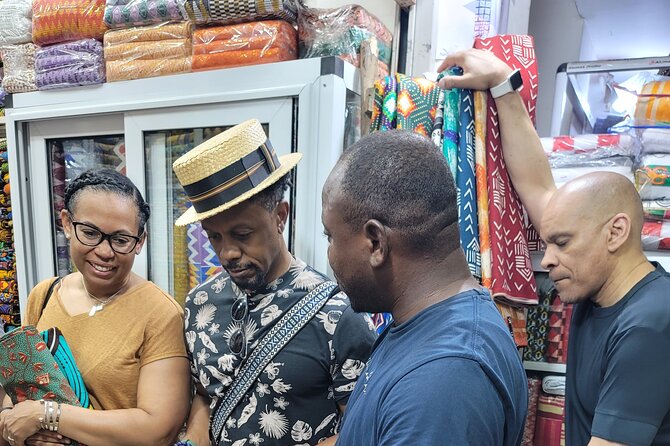
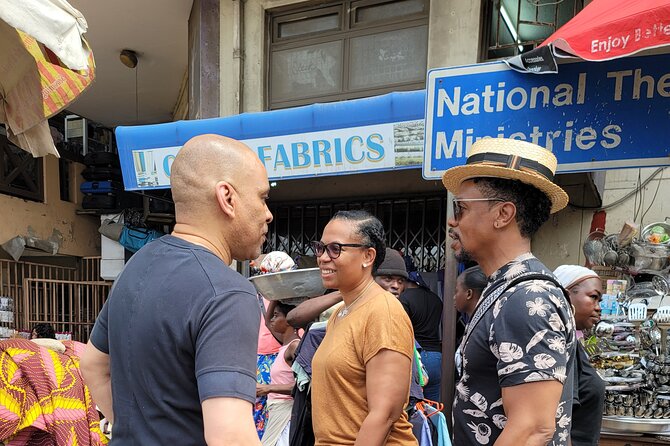
Makola Market is the big open-air start point in Accra, and it matters that the tour begins here. This is where you see Ghanaian fabric culture in the real world, not in a showroom. You’ll head into the African print seller’s market area and watch how people shop, ask questions, and make choices based on occasion, style, and meaning.
What I like most about starting at Makola is that you get context first. Before you touch dye or try to design anything, you understand what you’re looking at. You learn the kinds of fabrics used for different occasions, and you get exposed to the actual fabric names and the symbols printed on cloth, plus what those symbols can mean. That turns fabric buying into more than just picking patterns.
One practical note: this is a market. Even with guidance, you should expect some walking and time spent moving through stalls. If you don’t do well in crowded spaces or you can’t manage uneven surfaces, think carefully before booking, because this stop is the most movement-heavy part of the day.
Learning Fabric Names and Symbols, Without Making It Sound Like a Lecture
The tour spends time on fabric classification in a way that’s easy to use later. You don’t just get shown fabric types. You also learn how fabric names and symbol details are tied to meaning and social use. That’s the difference between buying a pretty print and buying something that connects to how it’s worn or used.
Here’s what you can take away for your own shopping mindset:
- Ask what symbol meanings are linked to the cloth, then decide what fits you.
- Pay attention to what fabrics are used for which occasions, because that helps you avoid buying something that looks right but isn’t actually suited to your intent.
- If you want to buy, you’ll have the chance to purchase local fabrics at affordable prices, and in some cases wholesale prices too.
This is also where you can save money if you go in prepared. Markets can tempt you to buy quickly. Instead, slow down for the explanations. When you understand what you’re buying, you spend more intentionally, and you’re less likely to end up with something you feel unsure about later.
Exmac Fabrics: The Best Part, Making Your Own Batik Tie-and-Dye
Then comes the creative payoff at Exmac Fabrics. This is where the day stops being mostly about learning and turns into doing. You’ll go through the process of making hand-made batik tie-and-dye fabric, and you’ll get to choose your design and make it yourself using your hands.
The tone here is practical. You’re not just watching someone else work. You’re creating a textile you can take home. That alone is a big reason this tour feels like value, because you’re paying for transportation and guidance, yes, but you’re also walking away with a tangible item that you made on the spot.
What to expect:
- You’ll be guided through the tie-and-dye steps.
- You’ll choose a design before or during the process, then apply it to your fabric.
- The session is structured enough to be beginner-friendly, but active enough that you feel like you produced something real.
The “take-home” part is not a vague promise. The tour includes the fabric you create or design, so plan space in your bag or plan for how you’ll transport it. If you’re flying, think ahead about how you’ll keep it packed safely and avoid crushing your work.
Why the Guide Matters: Albert’s Designer-Style Textile Answers
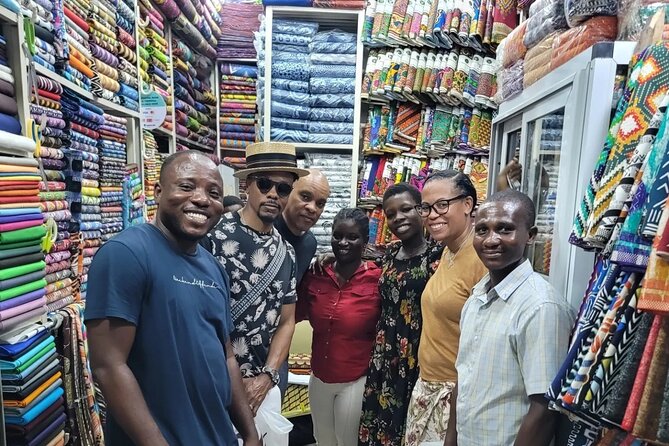
A big part of why this works is the guide’s role as a designer, not just a translator. Albert, who leads with textile expertise, can answer questions about Ghanaian society, not only questions about cloth. That makes the explanations feel grounded in real life, like you’re getting a local interpretation rather than a script.
If you like travel that turns into conversation, this is your setup. You can ask what fabric symbols mean, how people use cloth in everyday settings, and how design choices connect to culture. It’s also helpful that the tour is led by a fashion industry expert with 12 years of experience, because you feel that professionalism in how the day is paced.
With a group max of 10, you’re less likely to get stuck listening from the back of the line. You should be able to ask follow-up questions as they come up, especially during the market portion when things get specific fast.
Value Check: Is $160 Worth It in Accra?
Let’s talk money the sensible way. At $160 per person for about 6 hours, you’re paying for several things that add up:
- Guided time at Makola Market (including an admission ticket)
- Guided, hands-on batik tie-and-dye making at Exmac Fabrics (including admission ticket)
- Private transportation in an air-conditioned vehicle
- Hotel or residence pickup and drop off within Accra
- Bottled water and soda during the tour
- A 20% off included perk toward custom African wear clothing
- Costs of activities in the itinerary
If this were only a market walk, the price might feel high. But you’re paying for the craft session too, and you leave with fabric you designed. That take-home output is where the value tightens. You’re not just consuming information, you’re producing something.
The 20% discount is another “only helps if you use it” benefit. If you’re considering custom clothing while you’re in Accra, ask about applying that discount at the right moment in the process. If you have zero interest in custom wear, you may find the discount less useful, and you should judge the tour mainly on the market insight plus batik making.
The tour is also typically booked about 20 days in advance on average. That suggests it’s a popular slot, likely because the hands-on batik component sells itself. If you want a specific day, don’t wait until the last minute.
Guided rather than self-directed, elsewhere in Ghana

What’s Included, and What You’ll Need to Plan Yourself
This tour is well set up for comfort, at least during transport and between stops. You’ll have an air-conditioned vehicle, bottled water, soda, and private transportation. Pickup and drop off within Accra are included, which matters because Makola and craft sites are easier to reach when someone else handles the routing.
But lunch is not included, and breakfast is not included either. In a 6-hour window, it’s easy to get hungry. If you’re prone to low energy, eat beforehand and keep a small snack plan in mind after your first stop, especially if your market time runs a bit longer than you expect.
Also remember: there’s no mention of lunch being built into the schedule, and the tour focuses on market viewing plus a dye session. That means you should plan your day around the tour rather than assuming you can fit food anywhere casually.
Pace and Timing: A 6-Hour Day That Won’t Feel Too Long
Six hours sounds like a lot until you see how it’s split. Makola Market takes about 2 hours, and Exmac Fabrics takes about 3 hours, with the rest needed for travel and the handoff between stops. That structure is good, because you don’t spend the whole day waiting.
The market portion is where you learn fabric names, symbol meanings, and fabric uses for occasions. The craft portion is where you turn that learning into action. If you like a day that has both information and output, this is a strong format.
Because the group size stays capped at 10, your schedule is more predictable than if you were in a large crowd. You’re still moving through real places, but the logistics are controlled enough to keep the day from turning into chaos.
Who This Tour Suits Best, and Who Should Skip It
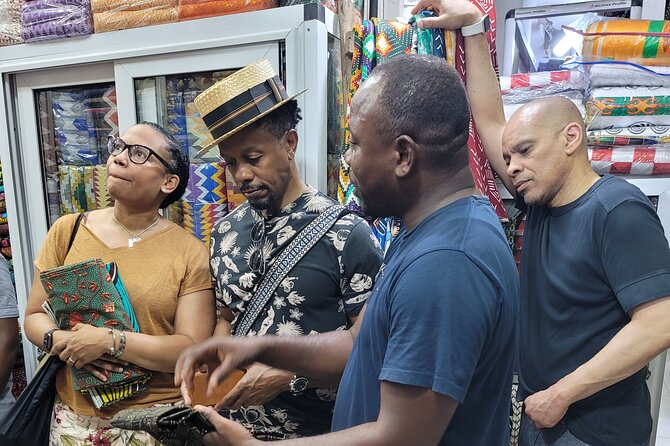
This experience is designed for most people to participate, but it’s not for everyone. It’s specifically not recommended if you cannot walk or have difficulties walking in the market place. That’s the key deciding factor.
Choose this tour if:
- You want culture through the lens of textiles and design
- You like buying with context, not impulse shopping
- You want a hands-on souvenir, not just photos
- You enjoy asking questions, especially if you care about how cloth connects to society
You might rethink it if:
- You need minimal walking during a market stop
- You prefer tours that are mostly seated or mostly indoor
- You are only interested in shopping and not in making fabric yourself
The good news is that the most demanding part is clearly the market time. If you can handle a market walk, the batik session is more controlled and creative.
Should You Book This Ghana Fabric Tour?
Book it if you want a textile-focused day in Accra that gives you both meaning and a made-by-you result. The biggest strengths are the hands-on batik tie-and-dye at Exmac Fabrics and the textile symbol and fabric-meaning education at Makola Market. Add in the fact that the guide, Albert, is a designer who can answer questions about Ghanaian society, and you get a tour that feels intelligent, not just performative.
Skip it or choose another option if walking around a market is a problem for you. Also, if you dislike hands-on crafts or you really only want a quick photo stop, you may feel the time is better spent elsewhere.
My practical call: if you can manage the market portion and you’re excited to make something you can bring home, this is a strong use of a 6-hour window in Accra. The price makes sense because it bundles guided learning, transport, and a take-home piece that’s genuinely yours.
FAQ
How long is the half-day guided fabric tour in Accra?
The tour lasts about 6 hours.
What does the tour cost?
It costs $160.00 per person.
Is pickup included?
Yes. Hotel or residence pickup and drop off within Accra are included.
What’s included with the tour price?
The tour includes an air-conditioned vehicle, all fees and taxes, bottled water, soda/pop, private transportation, admission tickets for the activities, and a 20% off custom African wear clothing benefit.
Is lunch included?
No, lunch is not included.
Is this tour suitable for people who have difficulty walking?
It is not recommended for travelers who cannot walk or have difficulties walking in the market place.
A Wider Spread of Ghana Tours
- The Cape Coast Day Tour
★ 5.0 · 525 reviews - The Cape Coast Tour
★ 5.0 · 177 reviews - From Accra: Cape Coast, Elmina Castle & Kakum Park Day Tour
★ 4.6 · 144 reviews - Accra Detailed City Tour
★ 4.5 · 118 reviews - Accra Guided City Tour Experience
★ 4.7 · 88 reviews
More Ghana Tours Out of the Review Pile
- The Cape Coast Day Tour
★ 5.0 · 525 reviews - Experience the Beauty, History and the Culture Of Accra in a Day
★ 5.0 · 323 reviews - The Cape Coast Tour
★ 5.0 · 177 reviews - From Accra: Cape Coast, Elmina Castle & Kakum Park Day Tour
★ 4.6 · 144 reviews - Accra Detailed City Tour
★ 4.5 · 118 reviews
Looms, Beads and Drums
- Accra Safari at Shai Hills and Boat Cruise + Cedis Beads
★ 5.0 · 14 reviews - Private Tour of Shai Hills Reserve, Volta River & a Bead Factory.
★ 5.0 · 7 reviews - African Drum and Dance Lessons
★ 5.0 · 6 reviews - Accra: Tafi Kente Village, Monkey Sanctuary &Wli Waterfalls
★ 4.5 · 4 reviews - 7 Day Artisanal Tour
★ 5.0 · 4 reviews
Latest Accra reviews added here





Kente, Beads & Craft Workshops, compared.
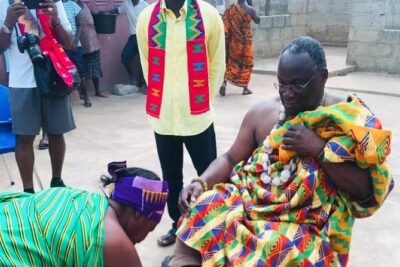 ★ 5.0Bonwire Namimg Ceremony and Kente Tourist CenterFrom $18040 reviews
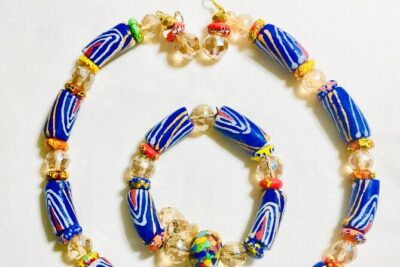 ★ 5.0Accra Safari at Shai Hills and Boat Cruise + Cedis BeadsFrom $25014 reviews
 ★ 5.0Private Tour of Shai Hills Reserve, Volta River & a Bead Factory.From $1807 reviews
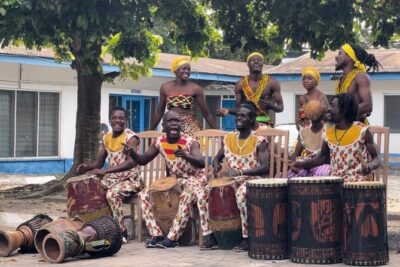 ★ 5.0African Drum and Dance LessonsFrom $556 reviews
 ★ 4.5Tafi Kente Village, Monkey Sanctuary &Wli WaterfallsFrom $2594 reviews
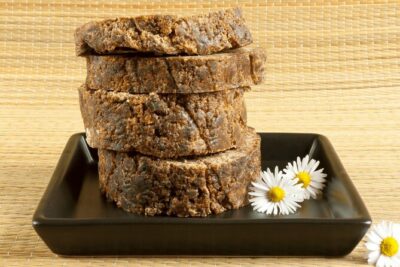 ★ 5.07 Day Artisanal TourFrom $2,6104 reviews
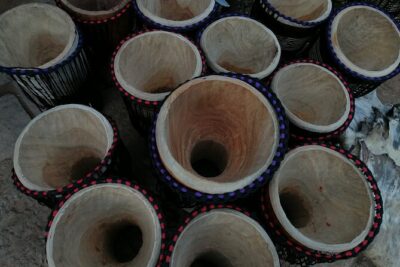 ★ 5.0Half-Day Private African Drumming Lessons with Pick UpFrom $683 reviews
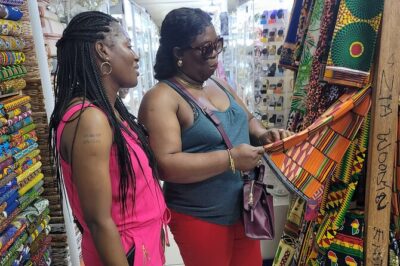 ★ 4.5African custom clothing making experience with fabric tourFrom $2403 reviews
Browse the lists this tour appears in