
REVIEW · KENTE, BEADS & CRAFT WORKSHOPS
African custom clothing making experience with fabric tour
You will leave with your own African outfit. The fun part is the full chain, from picking fabric to learning how a tailor turns it into a custom-fit dress, shirt, or caftan.
I especially like two things. First, the Makola fabric market tour gives you real context, including fabric types and the meanings behind common symbols you see on textiles. Second, the workshop segment is hands-on, with measuring, cutting, and even a basic sewing or hand-sewing lesson while your garment gets completed. One drawback to keep in mind is that it runs about 6 hours, so plan your day around that block, and good weather matters since it includes time out at the market.
Renaissance Cultural Tours handles pickup and drop-off in an air-conditioned vehicle, and you get snacks, water, and soda along the way. You also choose your exact print from about a hundred options, then head to the studio where your garment is built and finished. If you prefer quick shopping with minimal process, this might feel like more workshop time than you want.
In This Review
- Key things I’d bet you’ll notice fast
- Makola Fabric Market: Where Your Outfit Story Starts
- Choosing Your African Print: From Options to a Plan
- Measuring and Cutting in the Workshop: The Real Tailoring Part
- Your Hands-On Sewing Lesson: Learning Without Stress
- Snacks, Soda, and a Comfortable Pace
- What You Take Home: A Custom Garment You Can Actually Wear
- Price and Value: Is $240 a Good Deal?
- Who This Tour Suits Best
- When to Book and How to Plan Your Day
- Should You Book This African Custom Clothing Experience?
- FAQ
- How long is the African custom clothing making experience?
- How much does the tour cost?
- Is pickup and drop-off included?
- What garment types can I make?
- Do I get to choose the fabric and pattern?
- What food and drinks are included?
- Is lunch or dinner included?
- What is the cancellation policy?
Key things I’d bet you’ll notice fast
- Makola fabric market with name-and-meaning fabric education
- Pick from around a hundred African print options
- Measuring and cutting in a workshop setting
- Basic sewing or hand-sewing lesson with studio help
- Snacks and drinks while the finishing happens
- You go home with the finished custom garment
Weaving, beadwork and drumming sessions we have sat through
- Accra Safari at Shai Hills and Boat Cruise + Cedis Beads★ 5.0 · 14 reviews
- African Drum and Dance Lessons★ 5.0 · 6 reviews
- Accra: Tafi Kente Village, Monkey Sanctuary &Wli Waterfalls★ 4.5 · 4 reviews
- 7 Day Artisanal Tour★ 5.0 · 4 reviews
Makola Fabric Market: Where Your Outfit Story Starts
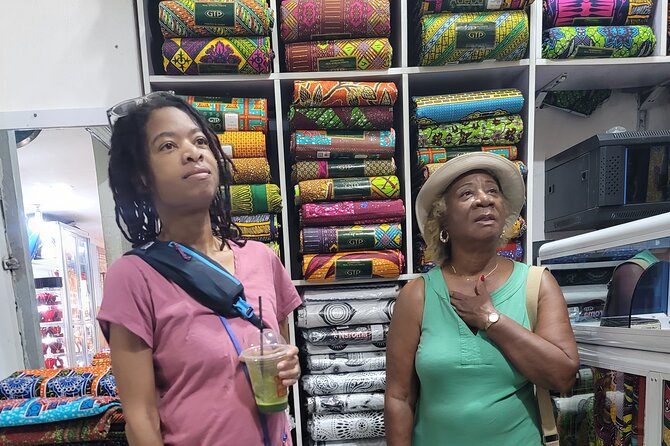
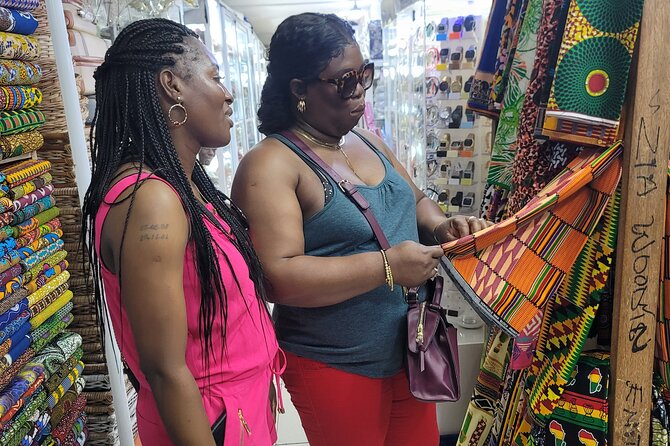
The experience starts near Makola shopping, at Makola shopping mall new building on Market Street in Accra. From there, you’ll walk or ride with the guide to the market area for the fabric tour portion.
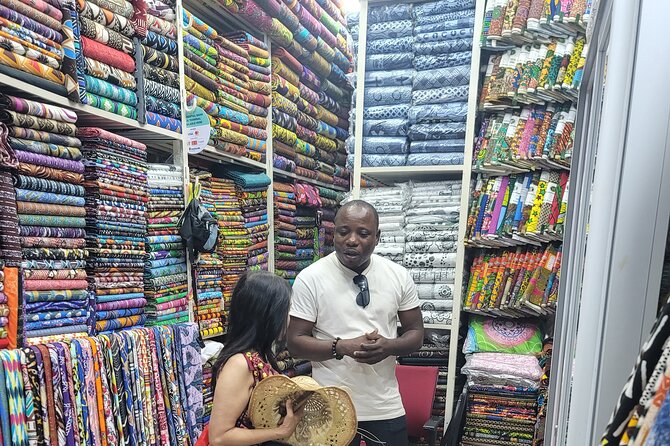
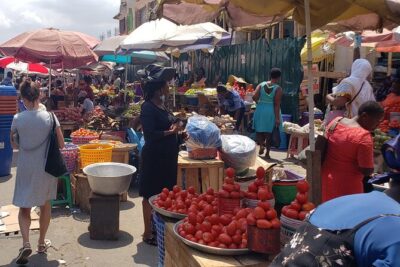
This is not just a quick look at textiles. You’re guided through the main fabric types you’ll run into in Ghana, and you learn the names and the meanings of the symbols used on the prints. That matters because you’re not buying a pattern blindly. Instead, you can pick what you actually like, and you understand what you’re wearing.
If you get overwhelmed easily by visual choices, this part is still manageable because you’re supported and taught as you go. And if you love details, it’s a treat. The market portion sets up the whole day, because your later “tailor moment” starts with that print decision.
Practical tip: wear comfortable shoes. Even if you’re not in the street for long, markets have plenty of walking and turning.
Choosing Your African Print: From Options to a Plan
After the fabric tour, you get to select a unique African print. The experience gives you access to about a hundred options, which is a lot, but it also means you can actually find something you love rather than settling.
You’ll be thinking like a designer for a minute. Do you want a bold, high-contrast pattern that reads well in photos? Or a more balanced print that feels wearable for everyday outings? This choice will affect how your final dress or shirt looks once it’s cut into shape.
Also, the symbol education from the earlier fabric segment helps your decision. Even if you do not plan to explain your outfit to everyone you meet, you’ll at least know the meaning behind what caught your eye.
The tour then shifts from shopping brain to workshop brain. That handoff is smooth: your selection becomes input for measuring, cutting, and construction.
Measuring and Cutting in the Workshop: The Real Tailoring Part
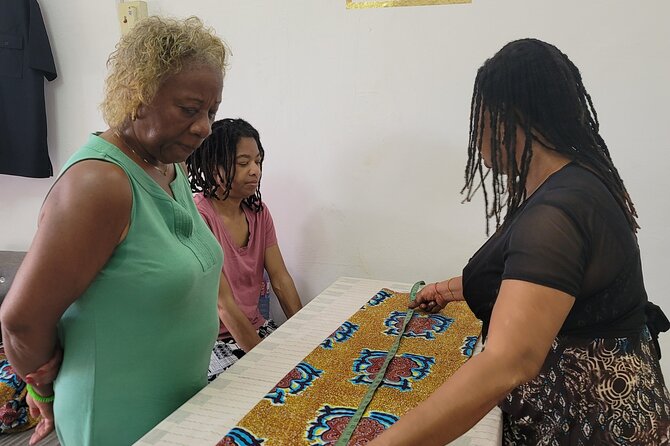
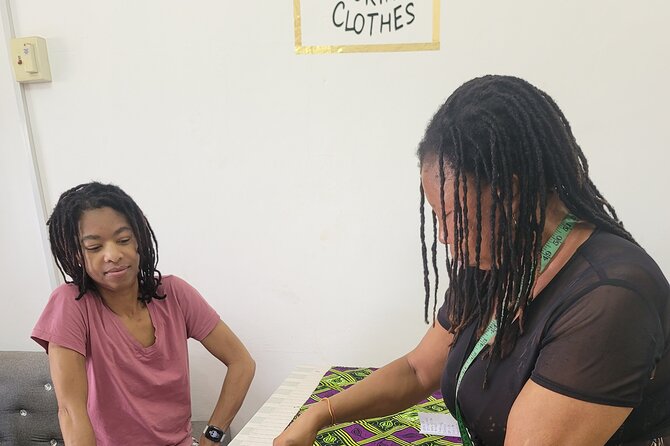
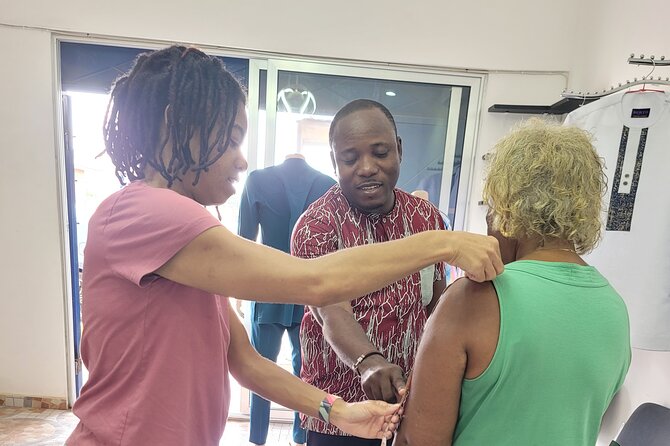
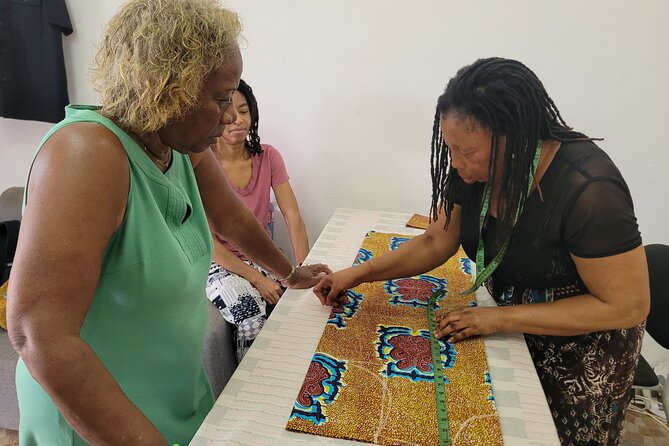
Next you move to the workshop to learn how body measurement works for custom African wear. You’ll take part in the measuring and cutting stages, with an assistant guiding you through the process.
This is where the day becomes genuinely useful. In most souvenir shopping, you buy something that was made elsewhere and hope it fits. Here, the fit is the point. You can see how the measurements translate into pieces of fabric and how the pattern is cut for your garment type.
You’ll be making one of these: a custom dress, a shirt, or a caftan. The experience also notes that you can discuss other items made in African print, if you message ahead about what you want. That’s good if you’re thinking beyond the classic dress or shirt.
The cutting stage is also where you’ll notice craftsmanship. Fabric choices look different when they become panels and seams. Lines that looked random on fabric roll up into a layout that feels intentional.
Practical tip: if you want the garment to fit a particular way, say it during the measurement and fitting steps. The better your guidance, the better the result.
Your Hands-On Sewing Lesson: Learning Without Stress
Once the cutting pieces are ready, the experience includes a basic lesson in stitching or hand sewing. You are not left alone to figure it out. An expert studio assistant guides you or assists you as needed, so this works even if your sewing skills are beginner level.
What I like about this setup is that you get participation without the pressure to produce a perfect garment from scratch. You get taught, you try, and then the studio team takes over the heavier finishing and construction work while you take a break.
While you enjoy snacks, your dress, shirt, or caftan is completed by the assistant. That timing keeps you from feeling stuck in a chair waiting with nothing happening. You can watch progress, learn techniques, and still feel like you got your hands into the process.
If you enjoy cultural crafts, this is the kind of activity that changes how you look at clothing back home. You start noticing seam styles, construction logic, and finishing details that you normally ignore.
Snacks, Soda, and a Comfortable Pace
You’ll have snacks, bottled water, and soda/pop included during the experience. This is not a throwaway detail. It helps a lot because the tour is long enough that hunger and thirst can easily throw off your attention during the market and workshop hours.
The vehicle is air-conditioned, which is a welcome relief in Accra’s heat. Private tour format also helps, since there’s no need to match pacing to a large crowd. It’s just your group.
The day runs approximately 6 hours. That’s a sweet spot if you want more than a quick cultural stop, but not an all-day ordeal with no breathing room.


What You Take Home: A Custom Garment You Can Actually Wear
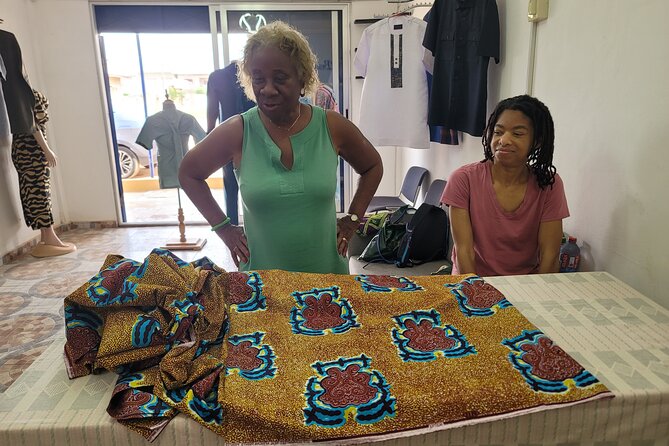
At the end, you go home with your custom African wear, finished after the studio assistant completes the garment while you’re enjoying snacks. In other words, you do not just leave with a fabric purchase and a vague idea of a future project. You leave with something you can wear.
The value here is not only the uniqueness of the print choice. It’s the combination of:
- understanding the fabric and symbol meanings you picked
- participating in measurement and cutting
- getting at least a basic sewing or hand-sewing lesson
- receiving a completed piece built for your body
That’s why people often feel happy with the final result. When you pick a print you really like and it’s made to your measurements, the garment tends to feel personal, not generic.
Practical tip: if you plan to wear it right away, wear it after a quick check for comfort and fit. If any adjustments are needed, the best time to catch that is as early as possible after you receive it.
Price and Value: Is $240 a Good Deal?
The price is $240 per person for a 6-hour, private experience in Accra. On paper, it’s not a bargain. But when you break down what’s included, it starts to make sense.
You’re paying for:
- pickup and drop-off by an air-conditioned vehicle
- the fabric tour experience, with education on fabric types and symbol meanings
- access to about a hundred fabric options
- equipment, plus training on how to use sewing tools
- the cost of African print/fabric
- the custom African wear itself (dress, shirt, or caftan)
- snacks, bottled water, and soda/pop
- all fees and taxes
A big portion of the price is the garment and fabric cost, which is often where custom clothing tours feel expensive. Here, that cost is included, so you’re not hit with surprise add-ons later. You’re also getting the guided process and studio time, not just a finished product with no learning component.
If you love textiles and want a story behind what you buy, this is strong value. If you only care about getting a single item as cheaply as possible, you might find lower-cost options. But you would lose the market education and the hands-on tailoring steps that make this memorable.
Who This Tour Suits Best
This experience is a great match if you want to:
- learn about African prints beyond surface-level aesthetics
- pick a fabric you actually connect with
- experience the measuring and cutting logic behind custom clothing
- get a wearable souvenir that fits your body
It also works well for people traveling as a private group who want a focused activity rather than a long, crowded day.
If you dislike hands-on tasks, you can still enjoy it, because you’re guided through basic sewing and the assistant completes the major work. But if you’re looking for pure sightseeing, this is more craft-forward than city-forward.
When to Book and How to Plan Your Day
The experience is typically booked about 7 days in advance on average. Confirmation happens at the time of booking, and you’ll be scheduled within the operating window listed for the provider.
Opening hours are listed as 9:00 AM to 6:00 PM daily. Since the tour is about 6 hours, I’d aim to pick a time that leaves you with buffer afterward, especially if you want dinner plans.
Good weather is required. If weather is poor, you’ll be offered a different date or a full refund. That’s important here because the day includes time at the market and movement between locations.
Should You Book This African Custom Clothing Experience?
I’d book it if you want a real craft experience with a clear outcome: a custom-made African garment plus actual knowledge of fabrics and symbols. The strongest part is the combination of market education and workshop construction, not just shopping.
I would skip it only if your top priority is a short, low-effort cultural activity, or if your schedule is too tight for a full 6-hour block. Otherwise, $240 is fair for what you receive, especially because fabric and garment cost are included, and you get pickup, guidance, and a finished piece to take home.
If you’re a fan of textiles, tailoring, or anything handmade with meaning, this is one of those trips that turns into a story you can wear.
FAQ
How long is the African custom clothing making experience?
It runs for about 6 hours.
How much does the tour cost?
The price is $240.00 per person.
Is pickup and drop-off included?
Yes. Pickup is offered, and you are dropped back at the hotel at the end.
What garment types can I make?
You can make a custom African print dress, shirt, or caftan. You can also discuss other items made in African print via message.
Do I get to choose the fabric and pattern?
Yes. You’ll be given a fabric tour at Makola and then you’ll select your favorite African print from about a hundred options.
What food and drinks are included?
Snacks, bottled water, and soda/pop are included.
Is lunch or dinner included?
No. Lunch and dinner are not included.
What is the cancellation policy?
Free cancellation is available. You can cancel up to 24 hours in advance for a full refund. If it’s canceled due to poor weather, you’ll be offered a different date or a full refund.
A Wider Spread of Ghana Tours
- The Cape Coast Day Tour
★ 5.0 · 525 reviews - The Cape Coast Tour
★ 5.0 · 177 reviews - From Accra: Cape Coast, Elmina Castle & Kakum Park Day Tour
★ 4.6 · 144 reviews - Accra Detailed City Tour
★ 4.5 · 118 reviews - Accra Guided City Tour Experience
★ 4.7 · 88 reviews
More Ghana Tours Out of the Review Pile
- The Cape Coast Day Tour
★ 5.0 · 525 reviews - Experience the Beauty, History and the Culture Of Accra in a Day
★ 5.0 · 323 reviews - The Cape Coast Tour
★ 5.0 · 177 reviews - From Accra: Cape Coast, Elmina Castle & Kakum Park Day Tour
★ 4.6 · 144 reviews - Accra Detailed City Tour
★ 4.5 · 118 reviews
Looms, Beads and Drums
- Accra Safari at Shai Hills and Boat Cruise + Cedis Beads
★ 5.0 · 14 reviews - Private Tour of Shai Hills Reserve, Volta River & a Bead Factory.
★ 5.0 · 7 reviews - African Drum and Dance Lessons
★ 5.0 · 6 reviews - Accra: Tafi Kente Village, Monkey Sanctuary &Wli Waterfalls
★ 4.5 · 4 reviews - 7 Day Artisanal Tour
★ 5.0 · 4 reviews
Latest Accra reviews added here




Kente, Beads & Craft Workshops, compared.
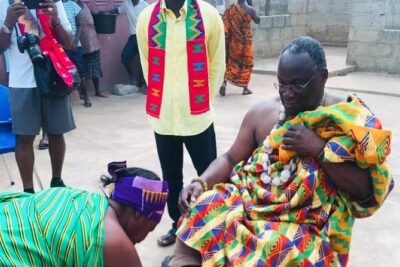 ★ 5.0Bonwire Namimg Ceremony and Kente Tourist CenterFrom $18040 reviews
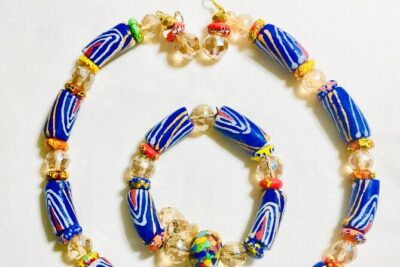 ★ 5.0Accra Safari at Shai Hills and Boat Cruise + Cedis BeadsFrom $25014 reviews
 ★ 5.0Private Tour of Shai Hills Reserve, Volta River & a Bead Factory.From $1807 reviews
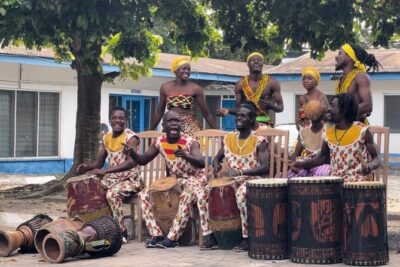 ★ 5.0African Drum and Dance LessonsFrom $556 reviews
 ★ 4.5Tafi Kente Village, Monkey Sanctuary &Wli WaterfallsFrom $2594 reviews
 ★ 5.07 Day Artisanal TourFrom $2,6104 reviews
 ★ 5.0Half-Day Private African Drumming Lessons with Pick UpFrom $683 reviews
 ★ 5.0Half-Day Guided Fabric Tour in GhanaFrom $1603 reviews
Browse the lists this tour appears in