
REVIEW · TRANSATLANTIC SLAVE TRADE HERITAGE TOURS
Trails of the transatlantic slave trade in Ghana
Face the past on Ghana’s coast. This private 8-day route threads together major forts and memorial stops in Accra, Cape Coast, and Elmina, then breaks the days with real-world Ghana life in Nzulezo and a nature reset at Kakum National Park.
What I like most is how the guiding feels both human and structured. Nuru-Deen (the guide) and Tony (the driver) come up again and again in the experience details, and the pattern is clear, punctual pickup, clear explanations, and a calm rhythm that keeps you from feeling rushed.
The main drawback to plan for is heat and humidity, especially on longer drive days and in stone fort spaces where you might not get much airflow. Bring patience, water, and breathable clothes, and you will be fine.
In This Review
- Key highlights at a glance
- Value for Money: Why This Trip Costs $1,955
- Day 1 Arrival in Accra, Terminal 3 Pickup and a Low-Stress Start
- Accra Morning Stops: W.E.B Centre, Nkrumah Park, Osu Castle
- Cape Coast Castle and Assin Manso: How the Story Lands
- Elmina Slave Castle, St. George, and Fort St. Jago Views
- Nzulezo Stilt Village by Canoe, Fort Appollonia, and Western Region Rhythm
- Fort Santo Antonio and Fort Batenstein, Then Beach Time in Busua
- Dixcove Fort Stop and Kakum Canopy Walkway at About 30 Meters
- Final Accra Hours: Accra Arts Centre Shopping and Bargaining Time
- Who This Tour Suits Best, and Who Might Want Another Option
- Should You Book This Slave Trade Forts Route?
- FAQ
- How long is the Trails of the transatlantic slave trade in Ghana tour?
- Where does the tour start in Ghana?
- Is pickup included?
- What is included in the tour price?
- What is not included?
- Is the tour private?
- What ticket format do I get?
- What are some of the main sites visited?
- Is Kakum National Park included?
- Can I cancel for a full refund?
Key highlights at a glance
- UNESCO forts at Cape Coast and Elmina with on-the-ground context around imprisonment and departure points
- Accra’s Pan-African stops including the W.E.B Centre and Kwame Nkrumah Memorial Park
- Assin Manso Ancestral Slave River Site for a powerful stop tied to the final bathing ritual before overseas shipment
- Nzulezo stilt village by canoe on Amansari Lake, plus Fort Appollonia
- Portuguese and English forts in the Western Region, paired with beach downtime in Axim and Busua
- Kakum canopy walkway at about 30 meters above the forest floor, plus an optional forest walk with a park guide
Other guided visits to Ghana sites of the transatlantic slave trade
- Cape Coast/Elmina Slave Dungeon and Canopy Walkway Private Tour★ 5.0 · 24 reviews
- Cape Coast Castle, Assin Manso Slave River and Door of No Return★ 5.0 · 14 reviews
- Trails of the transatlantic slave trade in Ghana★ 5.0 · 10 reviews
- Accra to Cape Coast Tour (Slave Castles and Kakum Park)★ 5.0 · 8 reviews
Value for Money: Why This Trip Costs $1,955
$1,955 per person is not cheap, but this is also not a simple city tour with one or two monuments. You are paying for a full 8-day circuit across multiple regions, with a private air-conditioned vehicle and a professional English-speaking driver-guide.
The best value comes from what is included: accommodation with A/C for the nights you stay, breakfast for each morning, and all fees and taxes for the sites listed in the route. On top of that, you get 24 hours of support, which matters in a country where schedules and checkpoints can shift.
What is not included is also clear: international flights, visa fees, and your lunch and dinner. So you should budget those meals separately and plan for cash spending while shopping in Accra.
For me, the deal-breaker question is simple: are you going to see these places with time to understand them, or just rush past walls and call it history? This tour leans hard into the first option, which is why it can feel worth every dollar even when some stops are emotionally heavy.
Day 1 Arrival in Accra, Terminal 3 Pickup and a Low-Stress Start
Your tour begins the day you land, with a staff member meeting you at Terminal 3 of Kotoka International Airport in Accra. From there, you are sent to your hotel, so you do not have to figure out the first logistics while you are still tired from the flight.
Practically, this matters. The first day is often where people lose time or get stuck waiting for transport. Here, you get an immediate handoff, then you can rest and get ready for a full day in Accra.
You also start at a set rhythm, with the tour start time noted as 7:00 am. That is helpful because the route is packed, and you will want mornings that actually begin in the morning.
If you like travel days that feel organized, this is one of the strengths. The trip is set up so you can focus on the story, not on coordinating your own transport on day one.
Accra Morning Stops: W.E.B Centre, Nkrumah Park, Osu Castle
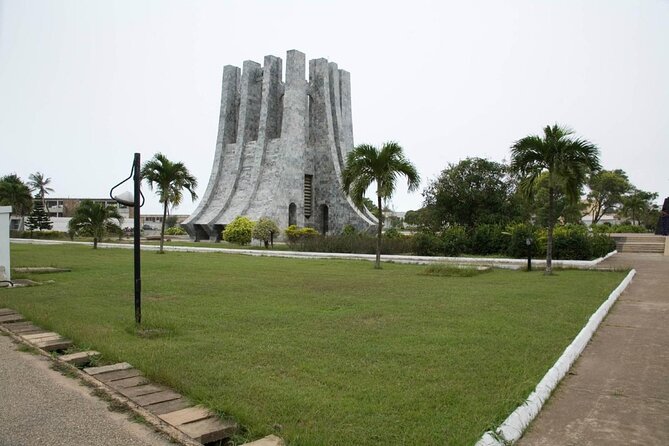
Accra can hit you with noise and traffic energy early on, so I like that the tour’s first major stops are anchored in meaning. You begin with the W.E.B Centre for Pan-African Culture, then move into Kwame Nkrumah Memorial Park.
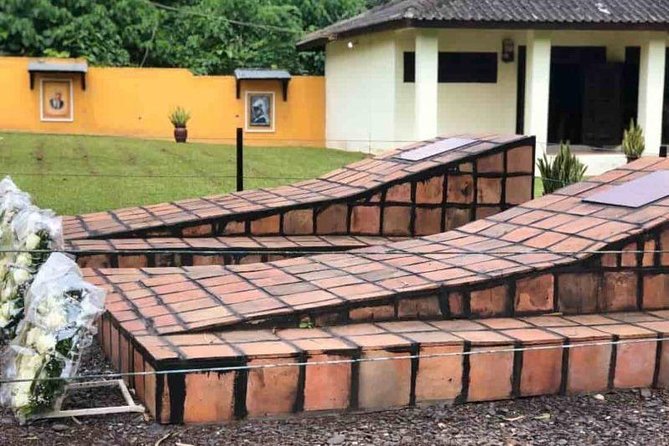
At the W.E.B Centre, you get a guided tour tied to a Pan-African thread. The details you are given matter here: Dr. Dubois is described as accepting an invitation from Dr. Kwame Nkrumah to research and compile the Encyclopedia Africana. It is not just a building visit, it is a way to understand ideas that shaped modern African political and cultural life.
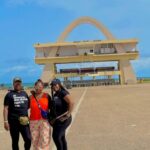
From there, you stop at Independence Square and the Mausoleum, which gives you a broader frame for why Ghana’s independence story is not separate from the continent’s larger history. Then you go to Osu Castle, described as the administrative seat of the colonial governor.
The drawback to expect is timing. These days are long, and there is a lot to see in one run. If you are sensitive to crowded indoor spaces or you want more downtime, you may need to pace yourself with water breaks and photos that do not turn into marathons.
Still, this start works because it helps you understand Ghana as a living place, not just a place where you watch history from the outside.
Cape Coast Castle and Assin Manso: How the Story Lands
Once you leave Accra behind, the route shifts into the calmer Central Region. That shift is not just scenery, it is also a mental reset. You move from city pressure to coastal history sites where you can sit with what you are seeing.
A key stop happens right away on the way to Cape Coast Castle: Assin Manso Ancestral Slave River Site. The site is described as housing the river used as the last bath before slaves were shipped overseas, and there is also an ancestral graveyard.
This is one of those stops where your guide’s tone really matters. You want someone who can keep the focus on respectful understanding, not sensational storytelling. The overall tour style you get here is structured and guided, and that helps.
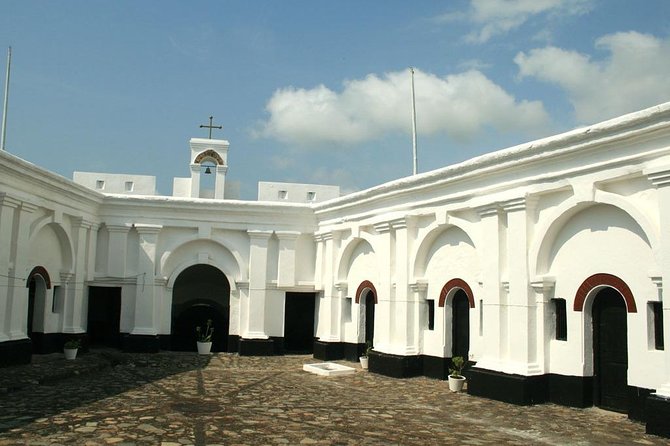
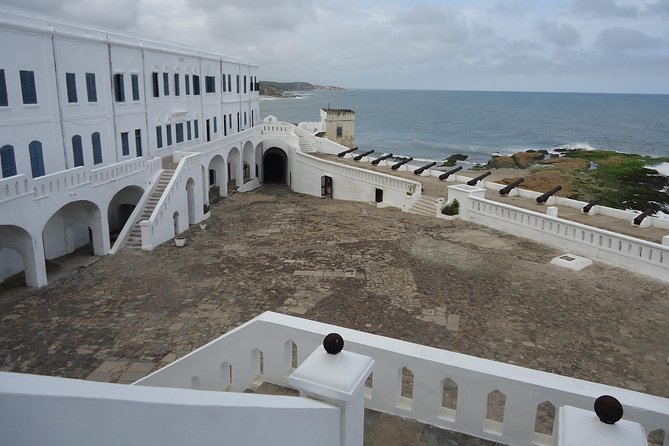
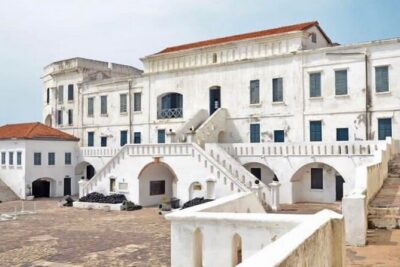
Then you arrive at Cape Coast Castle, a UNESCO World Heritage Site. The description you are given includes key ownership history: built in 1653 by the Swedes and later taken over by the British. Even if you are not a history nerd, that timeline gives you something solid to hold onto.
What I like about Cape Coast as part of a route like this is the way it connects buildings to human outcomes. It is easier to understand the machinery of the system when you are walked through the spaces with explanations.
The emotional weight is real. Plan for it. Bring a mind-set that expects seriousness, and you will get more out of the experience rather than trying to power through.
Elmina Slave Castle, St. George, and Fort St. Jago Views
Elmina is where the walls start to feel more layered, because the route includes both township context and multiple fort structures. You also get a cultural and historic experience that is not only about one castle.
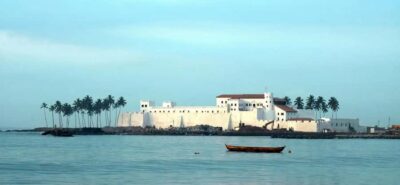
The big anchor is the Elmina Slave Castle, also known as St. George Castle, described as the biggest and oldest slave castle in Ghana and a UNESCO World Heritage Site. That scale matters. When a site is large, you need time and guidance to make sense of what each area was used for.
The tour then broadens to the wider community stop. You get the chance to visit Fort St. Jago, positioned on a hilltop overlooking Elmina township. I like that contrast. Looking out over the view after you have been inside helps you connect the past to present geography.
If you have limited mobility or you get tired easily, this is a day where you should pace yourself. Fort areas can mean stairs, uneven ground, and time in the sun. The good news is you return afterward and you have space to relax.
The overnight is in Elmina, and the plan includes time later to enjoy a beachfront hotel. That matters because it gives your body a chance to reset after emotionally heavy site time.



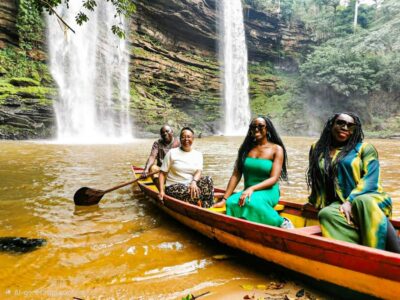
Nzulezo Stilt Village by Canoe, Fort Appollonia, and Western Region Rhythm
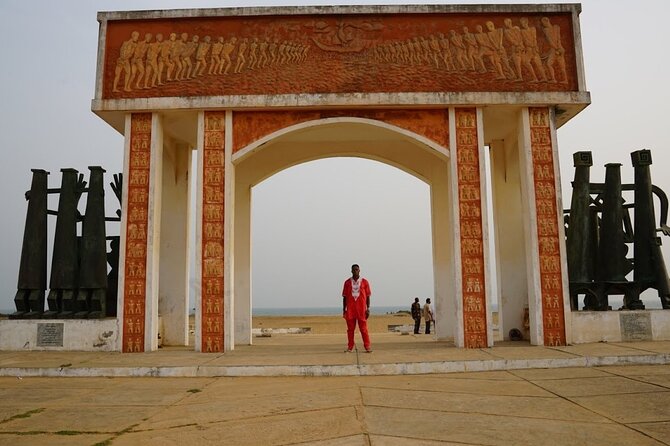
A lot of slave trade routes stop at forts and call it a trip. This one keeps going, and that is a big reason it feels more complete.
In the Western Region, you head toward Beyin, then take a canoe ride on Amansari Lake to Nzulezo. Nzulezo is built on top of the lake, so the visit is about how communities adapt to place. You then tour the village itself, which adds everyday life context next to the hard history.
After the village visit, the tour returns to Beyin and includes Fort Appollonia. The fort is described as built by the English merchant. It is a reminder that the forts were not just about holding people, they were also part of trade and power systems built around European involvement.
You end the day with a hotel stay in Axim. This stop is a nice pacing tool in the middle of the itinerary. It breaks the pattern of castles with something grounded in community and water life.
One consideration is timing on the canoe ride. Lake conditions can affect comfort, and you will likely want light layers and something secure for your belongings. The route gives you the experience, but you still need to travel smart.
Fort Santo Antonio and Fort Batenstein, Then Beach Time in Busua
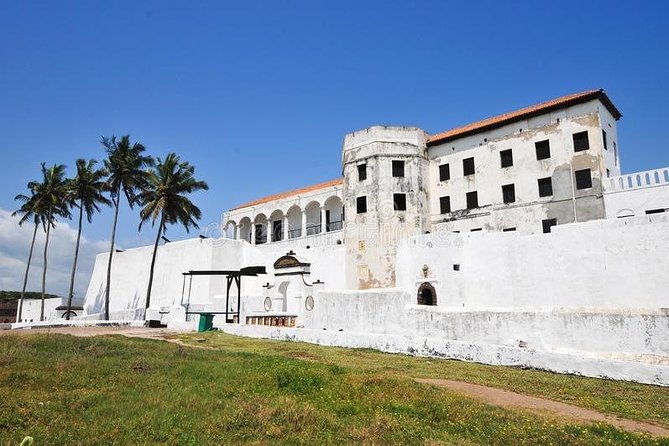
This day focuses on a pair of fort stops plus downtime. After breakfast, you visit Fort St. Anthony, also called Fort Santo Antonio, described as Portuguese-built in 1515 near Axim. The long time frame helps you see how early European involvement tied into coastal control.
Then you head to Fort Batenstein in Butre. The tour includes a visit to this fort as well, keeping the theme of how different European powers left different structures along the coast.
After the fort time, you get a beach break for the rest of the day. That is not filler. It is how you keep a tour like this from becoming one long strain of emotion and walking.
If you are hoping to swim, the experience details you were given include a caution to think twice about beach cleanliness. So if swimming is a must-do for you, verify what is best right where you are staying and go in with flexible expectations.
This day is a good match for people who want a bit of recovery built into the plan, not just a schedule full of monuments.
Dixcove Fort Stop and Kakum Canopy Walkway at About 30 Meters
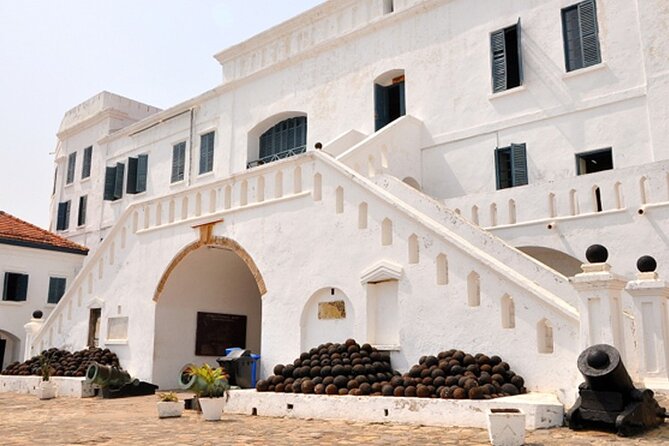
Kakum National Park is the nature contrast you want after days of stone. Before heading to Accra, you make a detour in the Dixcove area to tour another fort: Fort Metal Cross, originally Fort Dixcove.
That fort stop keeps the tour connected to the coast’s history, then Kakum shifts it into rainforest mode. Kakum is described as a protected rainforest area with endangered mammals like forest elephants and monkeys.
The signature experience is the canopy walkway, described as hanging about 30 meters above the ground. You can also choose a nature walk through the forest with an experienced park guide, which is a great alternative if you want slower pacing than the platform walkway.
I like that the day includes choice. Some people want the walkway thrill and photos, others want ground-level quiet and listening. Either way, the timing works because you still make it back to Accra for your overnight.
Heat and humidity can still follow you in the rainforest. So bring a light rain layer or just plan on sweat and bugs. You will enjoy it more if you accept that the park is alive, not curated for comfort.
Final Accra Hours: Accra Arts Centre Shopping and Bargaining Time
Your last day in Accra starts with checkout, then you go to a shopping center and a key market stop: Accra Arts Centre. This is a large market for artefacts, and you are given a reality check on how buying works there.
Be ready to deal with persuasive shopkeepers and hawkers, and be ready to bargain. I find it helps to treat this as conversation and shopping, not as a stressful negotiation. If you go in with a relaxed budget and you are willing to walk a little, you can often land on better prices.
If there is time, you also depart to a recreational center before your airport transfer home. That last bit matters because it gives you an off-ramp from history mode.
One practical tip pulled from the experience details is to use Ghanaian currency for day-to-day needs and shopping. The same guidance also notes that ATMs can be plentiful, so you have options. Still, having cash on hand helps you avoid last-minute hassle.
This is also a good moment to tip staff generously, especially if the service has been consistently helpful.
Who This Tour Suits Best, and Who Might Want Another Option
This tour is for you if you want a guided, private route through Ghana that connects major slave trade sites with broader context. It fits travelers who prefer fewer surprises and clearer pacing, because you get a professional English-speaking driver-guide and a planned circuit with included fees and taxes.
It is also a strong pick if you care about comfort without giving up authenticity. You have an air-conditioned vehicle, A/C accommodation, and breakfast included.
The emotional intensity is the biggest factor. If you want only casual sightseeing, or if you struggle with difficult history topics, this route may feel like too much. For many people, it becomes life-changing precisely because it does not water down the story.
Also, the schedule is packed, with long drive days and early mornings. If you need a trip with lots of free time and minimal movement, you might feel stretched.
Finally, if you are chasing beaches as your main attraction, keep expectations realistic. The route includes beach downtime, but it also includes a caution about beach cleanliness.
Should You Book This Slave Trade Forts Route?
I think you should book if your priority is understanding Ghana’s coastal forts with a guide who can keep things clear, respectful, and on track. The repeated mentions of Nuru-Deen and Tony point to service that is more than transport, they help the experience stay coherent from site to site.
I would skip it only if you are not ready for heavy history content, or if you need a trip with lots of downtime and low physical effort. And if you hate humidity, plan your outfits like you mean it, breathable clothes, water, and a calm attitude.
If you want history, context, and a few restorative nature moments in Kakum, this 8-day private route is a strong match. You will leave with more than photos. You will have a sequence of places that actually helps the story make sense.
FAQ
How long is the Trails of the transatlantic slave trade in Ghana tour?
It runs for about 8 days.
Where does the tour start in Ghana?
It starts in Accra. On arrival, you are met at Terminal 3 of Kotoka International Airport.
Is pickup included?
Yes, pickup is offered.
What is included in the tour price?
The price includes a private insured air-conditioned car with fuel, a professional English-speaking driver-guide, all fees and taxes, 24 hours of ongoing support, accommodation with A/C, and breakfast (8).
What is not included?
International airfare or ticket, visa fees, and lunch and dinner are not included.
Is the tour private?
Yes. It is a private tour/activity, and only your group participates.
What ticket format do I get?
You receive a mobile ticket.
What are some of the main sites visited?
You visit major forts and related sites such as Cape Coast Castle, Elmina Slave Castle (St. George Castle), Assin Manso Ancestral Slave River Site, plus other forts and stops along the route.
Is Kakum National Park included?
Yes. There is a detour to Kakum National Park, including the canopy walkway (about 30 meters above the ground) and an optional nature walk.
Can I cancel for a full refund?
Yes. There is free cancellation, and you can cancel up to 24 hours in advance for a full refund.
More Ghana Tours Out of the Review Pile
- The Cape Coast Day Tour
★ 5.0 · 525 reviews - Experience the Beauty, History and the Culture Of Accra in a Day
★ 5.0 · 323 reviews - The Cape Coast Tour
★ 5.0 · 177 reviews - From Accra: Cape Coast, Elmina Castle & Kakum Park Day Tour
★ 4.6 · 144 reviews - Accra Detailed City Tour
★ 4.5 · 118 reviews
Other Slave Trade Heritage Sites We Have Reviewed
- Cape Coast/Elmina Slave Dungeon and Canopy Walkway Private Tour
★ 5.0 · 24 reviews - Cape Coast Castle, Assin Manso Slave River and Door of No Return
★ 5.0 · 14 reviews - Accra Slave Castle and City Private Tour with Pick up
★ 5.0 · 11 reviews - Accra to Cape Coast Tour (Slave Castles and Kakum Park)
★ 5.0 · 8 reviews - Travel Back In Time(The door of no return)
★ 4.5 · 7 reviews
Latest Accra reviews added here

Transatlantic Slave Trade Heritage Tours, compared.
 ★ 5.0Cape Coast/Elmina Slave Dungeon and Canopy Walkway Private TourFrom $20024 reviews
 ★ 5.0Cape Coast Castle, Assin Manso Slave River and Door of No ReturnFrom $18014 reviews
 ★ 4.4From Accra: Cape Coast Slave Dungeons Heritage Tour & LunchFrom $18814 reviews
 ★ 5.0Accra Slave Castle and City Private Tour with Pick upFrom $12511 reviews
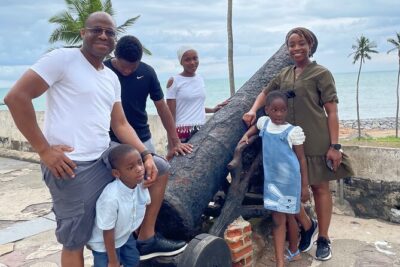 ★ 5.0Accra to Cape Coast Tour (Slave Castles and Kakum Park)From $2208 reviews
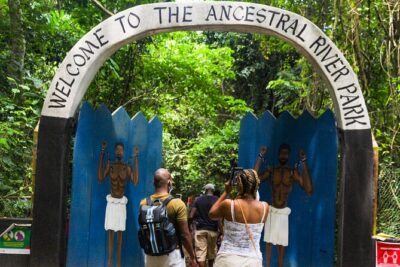 ★ 4.5Travel Back In Time(The door of no return)From $3007 reviews
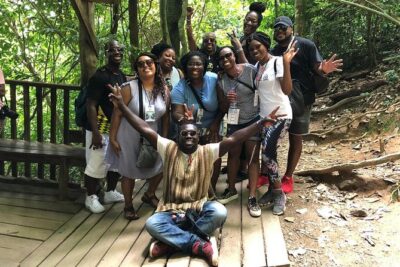 ★ 5.0Elmina Slave Dungeon & Kakum Rainforest Day TripFrom $2006 reviews
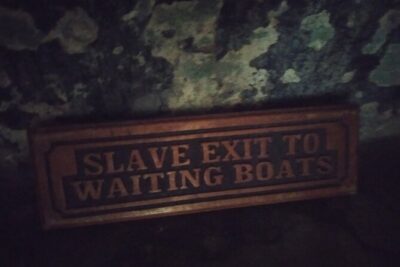 ★ 4.5Immersive Ghana Slave History Day Tour in Cape Coast & ElminaFrom $1866 reviews
Browse the lists this tour appears in