
REVIEW · TRANSATLANTIC SLAVE TRADE HERITAGE TOURS
Travel Back In Time(The door of no return)
A door. A river. A long emotional walk. This Accra route takes you to Assin Manso Slave River and the UNESCO castles of Elmina and Cape Coast, with a Kakum National Park canopy walk to give your brain a breather between heavy sights. You’ll go with a private guide, so the day feels more like a conversation than a rushed history lesson.
I love the way the Assin Manso stop is more than a photo spot, with the symbolic First Bath of Return experience and local storytelling that ties the past to healing. Lunch, bottled water, and an air-conditioned vehicle help you last a full day, since the tour runs about 10 to 14 hours. One consideration: the start time is 5:00 am, so you need a real early-night plan, and you should double-check your pickup details before morning so nothing derails you.
In This Review
- Key things I’d circle before you go
- Why This Route Feels Like More Than Sightseeing
- Price and What You Actually Get for $300
- The 5:00 am Start: How to Stay Fresh for 10 to 14 Hours
- Assin Manso Slave River Park and the Symbolic First Bath
- Elmina Castle: Portuguese Walls and the Door of No Return
- Cape Coast Castle and the Door of Return
- Kakum National Park Canopy Walk: A Breath Between Heavy Stops
- Lunch, Air-Conditioning, and the Small Comfort Wins That Matter
- Private Guide Power: Why This Tour Works as a Personalized Day
- Who Should Book This Tour, and Who Might Skip It
- What to Expect Emotionally (So You’re Not Caught Off Guard)
- Should You Book This Back-in-Time Tour?
- FAQ
- How long is the tour?
- What time does the tour start?
- Is lunch included?
- Are admission tickets included for the sites?
- Is this a private tour?
- What if the weather is poor or you need to cancel?
Key things I’d circle before you go
- Assin Manso Slave River Park with the symbolic First Bath of Return moment of remembrance
- Elmina Castle and the Door of No Return, plus dungeons and the governor’s quarters
- Cape Coast Castle and the Door of Return, also paired with oppressive holding areas
- Kakum National Park canopy walk, a physical pause that keeps the day from feeling one-note
- Private touring with a guide plus included lunch and admission tickets, so you’re not doing logistics mid-day
Other guided visits to Ghana sites of the transatlantic slave trade
- Cape Coast/Elmina Slave Dungeon and Canopy Walkway Private Tour★ 5.0 · 24 reviews
- Cape Coast Castle, Assin Manso Slave River and Door of No Return★ 5.0 · 14 reviews
- Trails of the transatlantic slave trade in Ghana★ 5.0 · 10 reviews
- Accra to Cape Coast Tour (Slave Castles and Kakum Park)★ 5.0 · 8 reviews
Why This Route Feels Like More Than Sightseeing
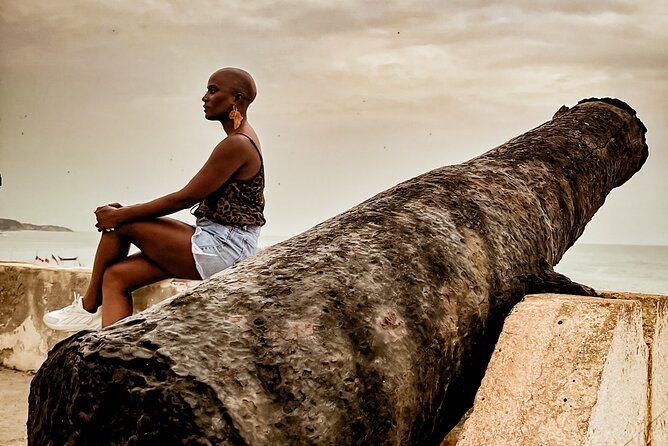
This is not a “drive-by the famous places” day. The pairing makes sense: you start with the final river ritual at Assin Manso, then move to the castles where people were held before the ocean crossing. By the time you reach the castles, you’re not just looking at stone rooms. You’re tracking a story arc.
What makes it extra meaningful is the mix of tones in one day. You get the emotional weight of slavery sites, then you get a living, moving contrast at Kakum National Park, walking above the treetops. That swing matters. It helps you process without turning the day into nonstop heaviness.
Price and What You Actually Get for $300
At $300 per person, you’re paying for a long day that bundles a lot into one package: private transportation, an air-conditioned vehicle, lunch, bottled water, fuel surcharge, admissions at the key stops, and a private guide.
That “bundled” part is where the value is. You’re not hunting down tickets, timing bus transfers, or negotiating rides between sites in the early morning rush. Also, each castle visit includes guided time, which is the difference between reading labels and understanding what you’re seeing.
If you’re doing this on your own, the cost can be less on paper, but the day can get messy fast: getting to multiple sites, managing timing, and keeping your place in a guided experience. For many people, especially if you care about the meaning, this format saves energy.
The 5:00 am Start: How to Stay Fresh for 10 to 14 Hours
This tour begins at 5:00 am, and the day can run about 10 to 14 hours. That’s long enough that your comfort choices matter. Wear shoes you can walk in for hours, and think about layers for the early morning temperature, then sun later.
Bring a small mindset adjustment too: the sites are emotional. Plan your pacing like it’s a marathon, not a sprint. If you try to “power through” everything at full speed, you’ll feel it by the time you reach the dungeons.
Also, because pickup is part of the experience and the tour runs on a tight morning schedule, I recommend confirming your pickup details the day before. Keep your contact and messages ready, and make sure your phone battery is topped up.
Assin Manso Slave River Park and the Symbolic First Bath
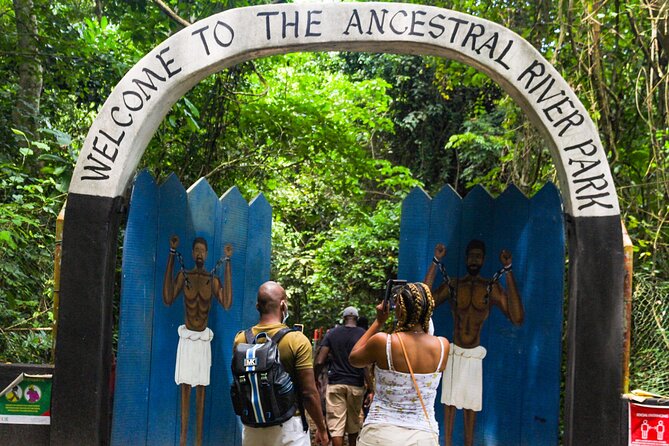
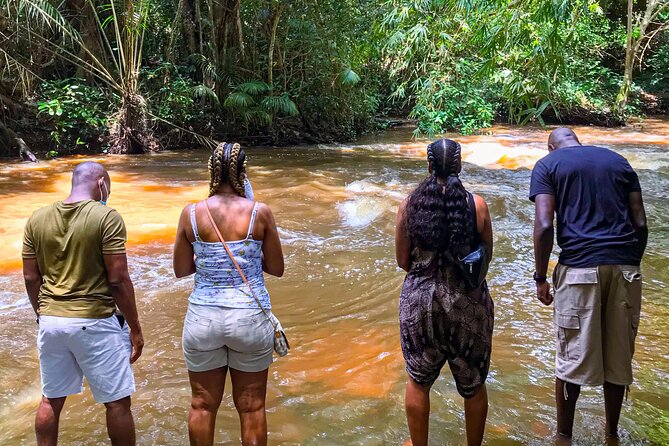
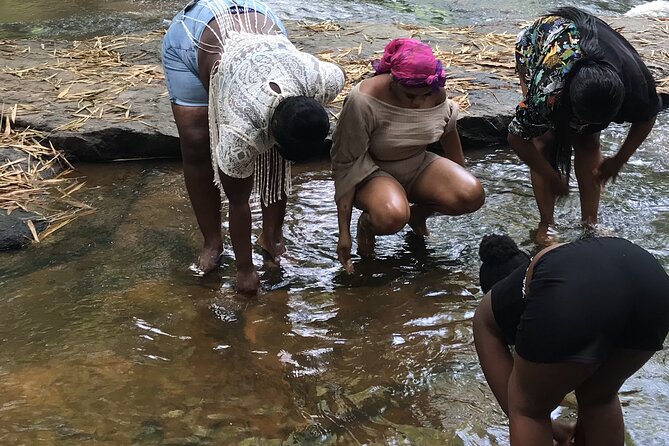
Assin Manso Ancestral Slave River Park is where the tour shifts into remembrance mode. You follow the same path once taken by enslaved Africans, then you reach the Ndonkor Nsuo, the slave river, where captives were forced to take their last bath before being moved to the coast.
The most important part is the symbolic First Bath of Return. It’s presented as spiritual renewal and reconnection to heritage, and the experience includes guided storytelling, traditional rites, and symbolic rituals. Even if you’re not sure what you’ll feel ahead of time, this is set up to be a reflective moment, not just a stop to check off.
One practical thing: the visit includes a dedicated hour, and it can feel like more, because you’ll be absorbing a lot. Don’t cram the day after this with extra plans. Let your emotions settle before you go into the castles.
Elmina Castle: Portuguese Walls and the Door of No Return
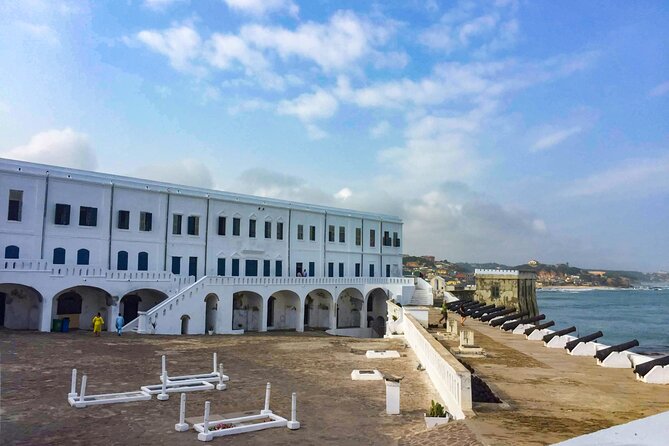
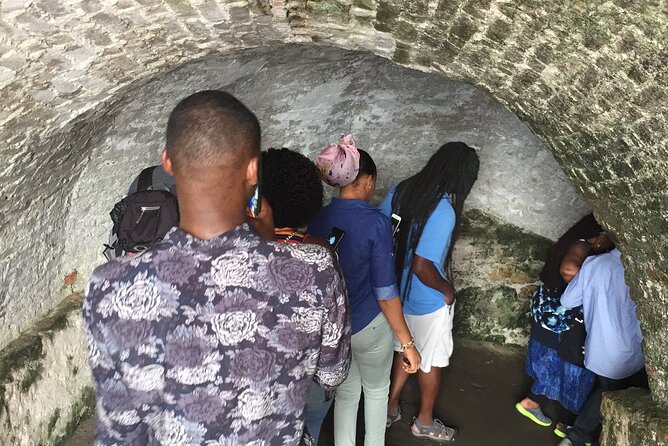
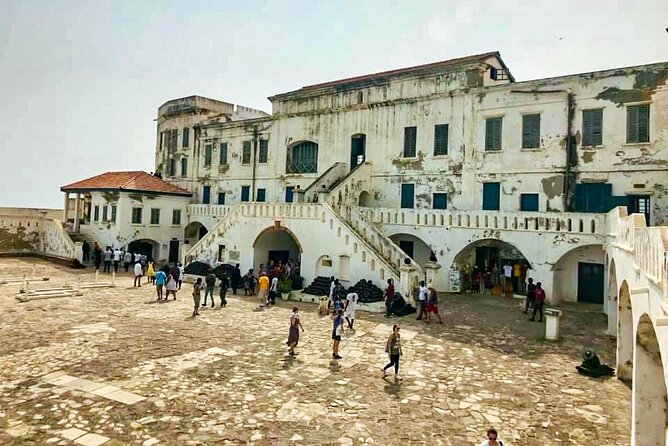
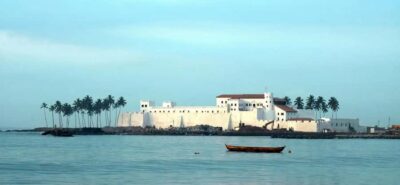
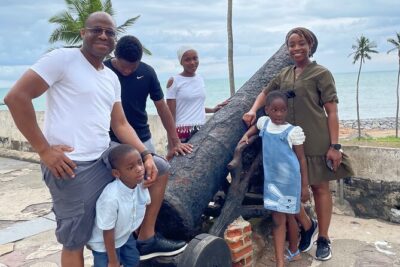
Elmina Castle is one of the oldest European buildings in sub-Saharan Africa, built by the Portuguese in 1482. It’s also a major hub of the transatlantic slave trade. When you walk through, you’re moving between spaces that show the brutal contrast of power versus suffering.
Inside, you’ll see dark, narrow dungeons where enslaved Africans were held, and you’ll also stand in the governor’s quarters. That contrast hits hard. The architecture is literally telling you who had control and who did not.
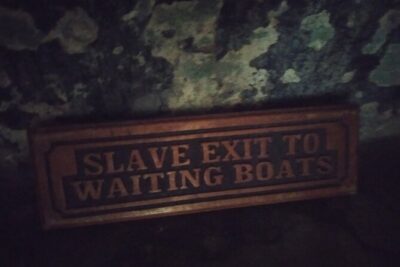
Then comes the Door of No Return. It’s described as the threshold where people were forced into the unknown. Standing there, the meaning becomes less abstract. The castle’s seaside location adds to the mood for reflection because it reminds you of the ocean crossing that waited beyond the walls.
A drawback to keep in mind: castle interiors can feel tight and heavy. If you’re sensitive to confined spaces, take your time, breathe when you need to, and ask your guide to pace you. A private guide is useful here because you can set a rhythm.


Cape Coast Castle and the Door of Return
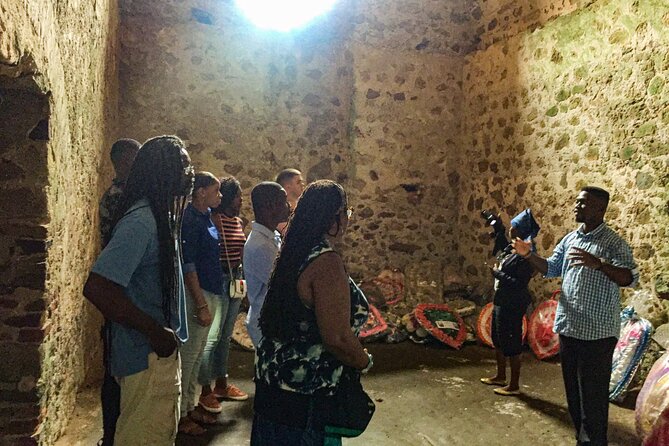
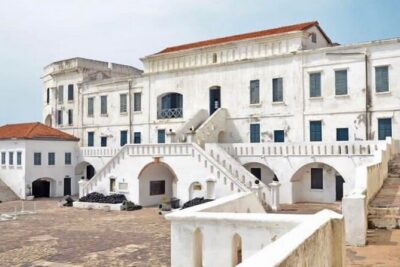
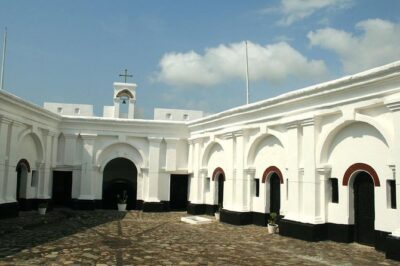
Cape Coast Castle is the other UNESCO-listed stop, and it continues the story with its own set of heavy, unforgettable details. You explore oppressive dungeons with inhumane holding conditions, then you move up to the governor’s quarters to see the sharp contrast again.
The highlight here is the Door of Return. It’s framed as a symbolic rename, shifting the focus from forced departure to remembrance and reconnection with ancestors who passed through. Even if you’ve read about the transatlantic slave trade before, this stop lands differently when you’re physically inside the structure.
Your guide’s role matters a lot at both castles. The tour is designed with guided tours that provide historical context and personal stories meant to bring what happened into clearer focus. That helps you make sense of what you’re seeing without turning it into pure shock.
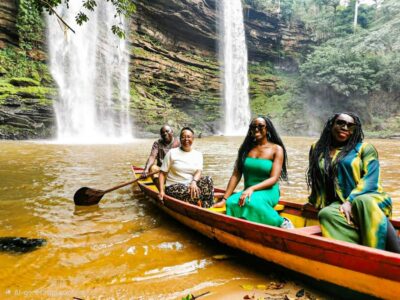
Kakum National Park Canopy Walk: A Breath Between Heavy Stops
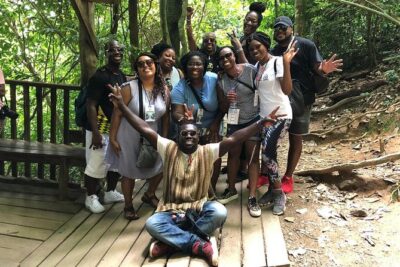
The canopy walk at Kakum National Park is included, and it’s a smart move in the itinerary. After hours of stone walls and emotional sites, walking above the forest gives your body a different kind of experience.
It’s also physical, not just scenic. You’ll be walking along a canopy pathway, so keep your balance in mind and move carefully. If you’re traveling with limited mobility, this part might be the toughest, since there’s no mention here of special accommodations.
What I like about this pairing is the contrast. You still get a Ghana experience, not only a historical one. It helps you remember that the country is more than its past, and that nature still holds life right in front of you.
Lunch, Air-Conditioning, and the Small Comfort Wins That Matter
This tour includes lunch and bottled water, plus an air-conditioned vehicle. Those details sound basic, but on a 5:00 am start, they’re how you make it through the day without grumpiness taking over.
Lunch is included, so you don’t have to hunt for food at the wrong moment, or pay extra on the go. The vehicle being air-conditioned is also a big deal, since long drives between sites can make you feel drained. You’ll want that air once the day heats up.
One more value point: admissions tickets are included for the main stops listed. When those are bundled, your plan stays simple.
Private Guide Power: Why This Tour Works as a Personalized Day
This is a private tour, meaning only your group participates. That changes the feel of the day. You can move at a pace that fits your group, and questions can come up naturally.
In particular, the emotional tone is set early. The guide experience described for this provider, including a guide named Nii, includes a powerful message of remembrance and honoring ancestors at the start. That matters because it prepares you for what’s next, instead of dropping you into dark rooms without context.
Another thing I’d highlight from the guide style shared here is flexibility. When a day is long and emotional, the ability to adapt a little helps. You’re not stuck feeling rushed, and you can take small pauses when your group needs them.
Who Should Book This Tour, and Who Might Skip It
This tour is a strong fit if you’re:
- Returning to Ghana with a desire for meaningful context
- Wanting to see both Elmina and Cape Coast with guided interpretation
- The kind of person who appreciates symbolism, like the First Bath of Return and the Door of Return
You might think twice if you:
- Dislike very early mornings and long full-day trips
- Struggle with enclosed, dark spaces inside dungeons
- Prefer a purely nature-based itinerary, since this day is dominated by slavery-history sites
What to Expect Emotionally (So You’re Not Caught Off Guard)
This day carries real weight. The slave river and the castles involve experiences and spaces tied to suffering. Even when the tour is structured and guided, you should expect emotional moments.
That said, it’s not only suffering. The itinerary includes symbolic rites, guided explanation, a traditional feel at Assin Manso, and a separate, physical reset at Kakum. That balance is part of why it works for many people. You’re not just watching. You’re remembering, learning, and then moving through the day with something else to hold on to.
Should You Book This Back-in-Time Tour?
Yes, if you want an organized, private, meaning-first day in Accra that connects the Slave River ritual to the castle spaces where the Atlantic crossing began. The value is real because admissions, lunch, transport, bottled water, and the guided structure are all folded into the price.
Book it with eyes open: the 5:00 am start and the long hours can be tough, and the content is emotionally heavy. If you’re ready for that trade, you’ll likely find this itinerary hits in a way that a standard sightseeing day can’t.
If you prefer, message ahead and confirm your pickup details clearly before the morning of your tour. Then show up early, bring calm energy, and let the story unfold one stop at a time.
FAQ
How long is the tour?
The experience runs about 10 to 14 hours.
What time does the tour start?
Start time is 5:00 am.
Is lunch included?
Yes, lunch is included, along with bottled water.
Are admission tickets included for the sites?
Yes. Admission tickets are included for the listed stops.
Is this a private tour?
Yes. It is a private tour, so only your group participates.
What if the weather is poor or you need to cancel?
You can cancel for a full refund up to 24 hours in advance. The tour requires good weather, and if it is canceled due to poor weather, you’ll be offered a different date or a full refund. It also requires a minimum number of travelers, and if that minimum is not met you’ll be offered a different experience or a full refund.
More Ghana Tours Out of the Review Pile
- The Cape Coast Day Tour
★ 5.0 · 525 reviews - Experience the Beauty, History and the Culture Of Accra in a Day
★ 5.0 · 323 reviews - The Cape Coast Tour
★ 5.0 · 177 reviews - From Accra: Cape Coast, Elmina Castle & Kakum Park Day Tour
★ 4.6 · 144 reviews - Accra Detailed City Tour
★ 4.5 · 118 reviews
Other Slave Trade Heritage Sites We Have Reviewed
- Cape Coast/Elmina Slave Dungeon and Canopy Walkway Private Tour
★ 5.0 · 24 reviews - Cape Coast Castle, Assin Manso Slave River and Door of No Return
★ 5.0 · 14 reviews - Accra Slave Castle and City Private Tour with Pick up
★ 5.0 · 11 reviews - Trails of the transatlantic slave trade in Ghana
★ 5.0 · 10 reviews - Accra to Cape Coast Tour (Slave Castles and Kakum Park)
★ 5.0 · 8 reviews
Latest Accra reviews added here

Transatlantic Slave Trade Heritage Tours, compared.
 ★ 5.0Cape Coast/Elmina Slave Dungeon and Canopy Walkway Private TourFrom $20024 reviews
 ★ 4.4From Accra: Cape Coast Slave Dungeons Heritage Tour & LunchFrom $18814 reviews
 ★ 5.0Cape Coast Castle, Assin Manso Slave River and Door of No ReturnFrom $18014 reviews
 ★ 5.0Accra Slave Castle and City Private Tour with Pick upFrom $12511 reviews
 ★ 5.0Trails of the transatlantic slave trade in GhanaFrom $1,95510 reviews
 ★ 5.0Accra to Cape Coast Tour (Slave Castles and Kakum Park)From $2208 reviews
 ★ 5.0Elmina Slave Dungeon & Kakum Rainforest Day TripFrom $2006 reviews
 ★ 4.5Immersive Ghana Slave History Day Tour in Cape Coast & ElminaFrom $1866 reviews
Browse the lists this tour appears in