
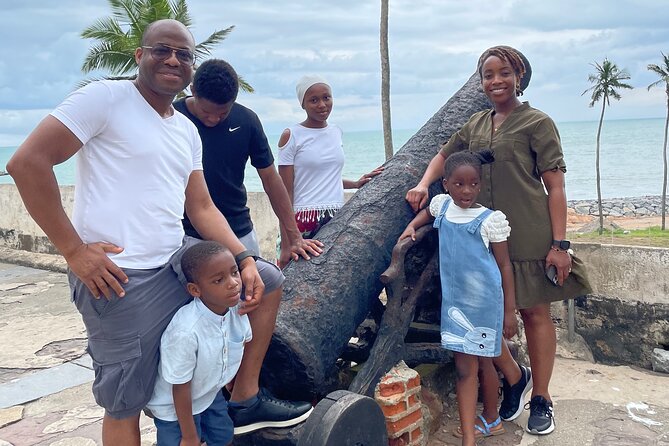
REVIEW · CAPE COAST CASTLE TOURS
Accra to Cape Coast Tour (Slave Castles and Kakum Park)
A long day with powerful stops is the point of this tour. You start with the Kakum Canopy Walkway about 30 meters above the forest, then move into two major forts that connect directly to Ghana’s Atlantic slave trade story. I loved how the visit is organized with entry fees and transport included, and I also loved the way guides such as Med (and others like Malik and Mannan) explain what you are seeing in plain language. The only real drawback is the early 6:00 am start, plus a long drive, so expect to feel it by the end of the day.
If you care about both nature and historical context, this route hits hard. You get monkey and bird spotting at Kakum, then you shift gears to Portuguese-era Elmina and the museum experience at Cape Coast. Because the day is timed to avoid getting stuck in traffic, you will move steadily, not wander aimlessly.
You also get practical comfort that matters on a full-day tour. Bottled water, snacks, breakfast, and lunch are included, plus an air-conditioned vehicle and onboard WiFi. And because this is a private group experience, your guide can set the pace for your questions instead of rushing everyone to keep up.
In This Review
- Key highlights you should know before you go
- Leaving Accra at 6:00 am: how the day is paced
- Kakum National Park and the Canopy Walkway 30 meters above the forest
- Elmina Castle: São Jorge da Mina and the Atlantic slave trade connection
- Cape Coast Castle: the museum stop that helps you connect the dots
- What you are really paying for: price, value, and less hassle
- The guide makes or breaks it: Med, Malik, and Mannan as examples
- Food and comfort on an 11 to 12 hour day
- What to expect at each stop, and how to get the most out of it
- Who this tour suits best
- Should you book the Accra to Cape Coast Tour?
- FAQ
- How long is the Accra to Cape Coast Tour?
- What time does the tour start?
- How much does the tour cost?
- Is pickup included, and does it return to the start point?
- What stops are included?
- What is included in the price?
- Do I need to buy tickets in advance?
- Does the tour depend on weather?
- What is the cancellation window?
Key highlights you should know before you go
- Kakum’s Canopy Walkway sits about 30 meters up, giving you treetop views without needing special climbing gear
- Elmina Castle (São Jorge da Mina, founded 1482) connects directly to the Atlantic slave trade story and Portuguese trade
- Cape Coast Castle functions as a public museum, with Ghana Museums and Monuments Board as a key location
- Guides like Med, Malik, and Mannan get repeated praise for knowledge, patience, and keeping you feeling safe
- All entry fees and transportation are included, so you do not have to figure out ticket lines and timing
- It runs about 11 to 12 hours, starting at 6:00 am, so pack for a long, full day
Other trips down to Cape Coast, side by side
- The Cape Coast Day Tour★ 5.0 · 525 reviews
- From Accra: Cape Coast, Elmina Castle & Kakum Park Day Tour★ 4.6 · 144 reviews
- Accra To Cape Coast And Elmina Day Tour★ 5.0 · 75 reviews
- Cape Coast ,Elmina Castle and Kakum Full-Day Tour★ 5.0 · 62 reviews
Leaving Accra at 6:00 am: how the day is paced
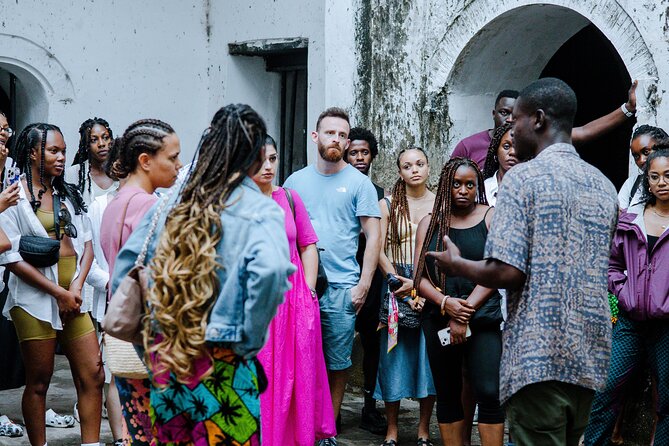
This tour is built for one thing, getting you to Cape Coast and Elmina without wasting half your day stuck on the road. You start at 6:00 am, and an early pickup is required so the group does not get stacked in traffic. If you hate rushing, it helps to treat the morning like a workout, quick and purposeful, then you reward yourself with stops that feel worth the effort.
Once you’re in the air-conditioned vehicle, the rest of the day is more manageable than it sounds. You get bottled water and snacks, plus WiFi onboard, which is handy when your phone battery starts to beg for mercy. You also have breakfast and lunch included, so you are not hunting for food on a tight schedule.
It’s a private tour, meaning only your group participates. That matters here because the subject matter is intense, and you will want time to ask questions instead of watching the clock.
Kakum National Park and the Canopy Walkway 30 meters above the forest
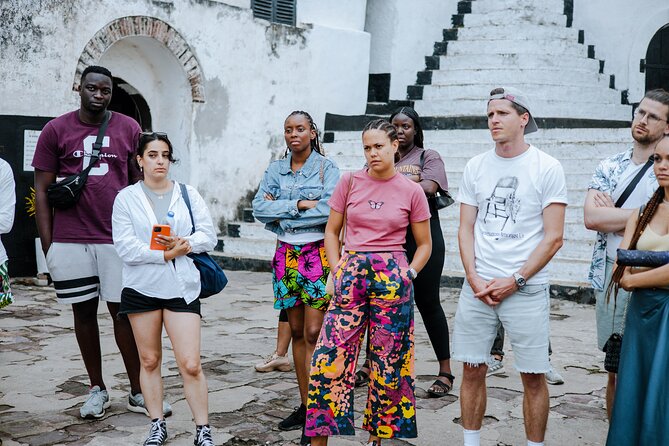
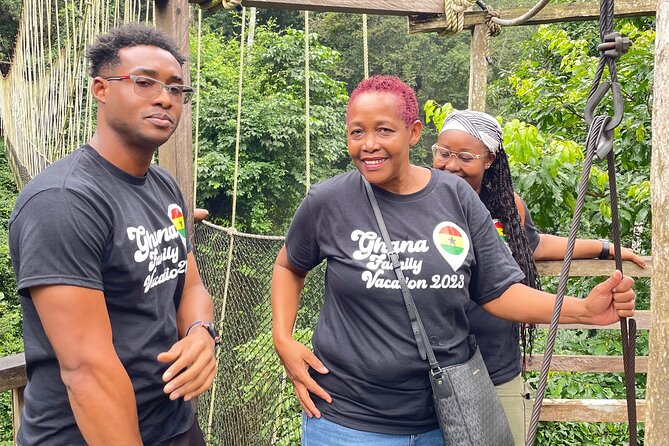
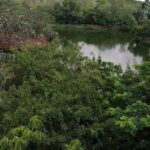
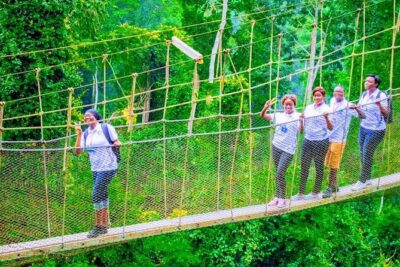
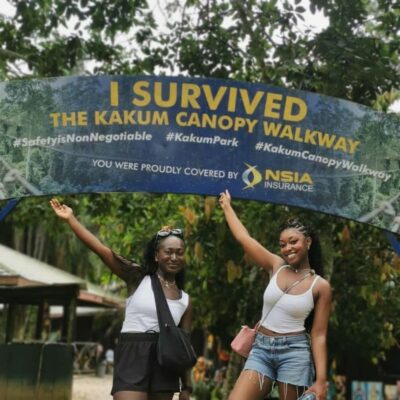
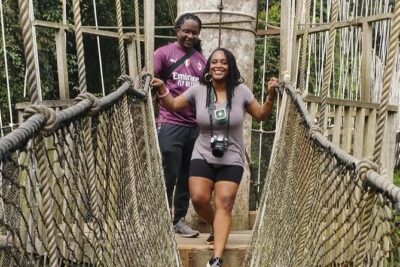
Kakum National Park is where the tour starts to feel like a breath of fresh air, even though you are still on a fast-moving schedule. You spend about 2 hours at Kakum, and the main event is the canopy walk. The walkway is suspended roughly 30 meters above the ground, so you’re viewing the forest from a totally different angle than you get on the ground.
What I like about Kakum is that it’s not just a photo stop. You have a chance to spot monkeys and birds in their natural habitat, which makes the time feel active rather than passive. If you’re the type who watches for animal movement, you will probably feel rewarded.
Practical note: this kind of walkway experience is weather-dependent, and the tour states it requires good weather. If conditions are poor, your day may be adjusted or you may be offered a different date or a full refund. So if you’re booking close to other plans, give yourself some breathing room.
Elmina Castle: São Jorge da Mina and the Atlantic slave trade connection
After Kakum, you shift from treetops to stone walls. Elmina Castle is one of the most important stops on this route, and the details matter because they help you understand what you are looking at.
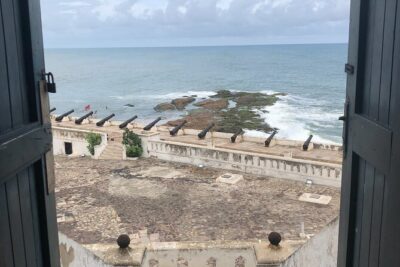
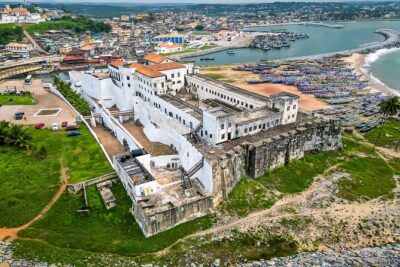
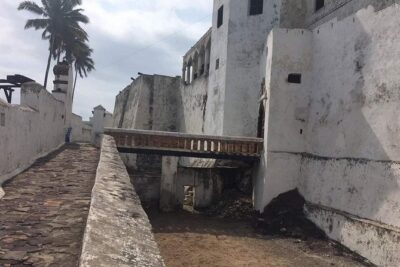
Elmina Castle was established by the Portuguese in 1482, originally known as São Jorge da Mina, or St. George of the Mine. The site is often described as the first trading post built on the Gulf of Guinea, and it is recognized as the oldest European building in existence below the Sahara. Even if you know little history, those dates give you an anchor, you’re not looking at a generic ruin.
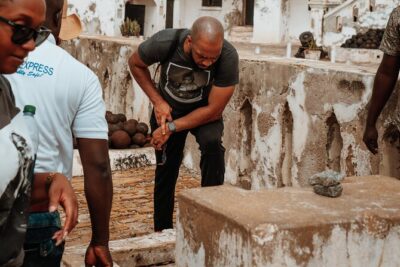
Then comes the part that gives the visit its emotional weight. Elmina became a major stop on the route of the Atlantic slave trade. You are walking through a place that later served a different purpose than early trade logistics, and that contrast is exactly why the castle is so significant for African American visitors seeking connection to heritage and understanding.
Here’s a detail you might not expect: the castle was also a filming location for Werner Herzog’s 1987 drama film Cobra Verde. That doesn’t change the historical reality, but it adds another layer to why the site is so widely seen and discussed.
Your time here is about 1 hour, including admission. A short visit can still be meaningful if your guide is good at explaining what each area was used for and how the story fits together. Based on guide feedback from past tours, this is where the guiding style makes a big difference.
Cape Coast Castle: the museum stop that helps you connect the dots
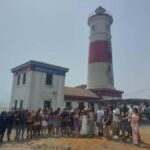
Cape Coast Castle is the other major fortress on your day, and it complements Elmina instead of repeating it. The castle started as a trade lodge constructed by the Portuguese in 1555, on what became known as the Cape Coast. Later, after Swedish conquest of the Cape Coast, the Swedish Africa Company built a permanent wooden fortress focused on timber and gold.
So before you even get to the more tragic chapters, you have a timeline and a sense of how European trade routes shaped coastal Ghana. Then, like Elmina, the story moves into the Atlantic slave trade context, which is why people often feel Cape Coast hits differently after Elmina.
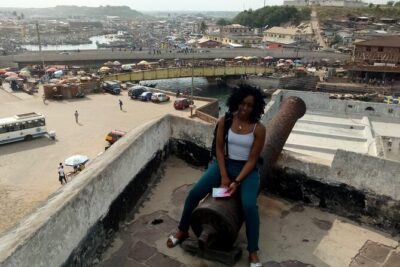
Today, Cape Coast Castle is open to the public as a historical museum, with a gift shop featuring Ghanaian arts and crafts. It is also the regional headquarters of the Ghana Museums and Monuments Board. That last point is useful for practical understanding: this is not a forgotten site. It is actively managed as a cultural and educational space.
You’ll have about 1 hour here, also with admission included. The value of that timing is that it keeps the day focused. You get the key sites without letting the full emotional impact turn into exhaustion.
What you are really paying for: price, value, and less hassle
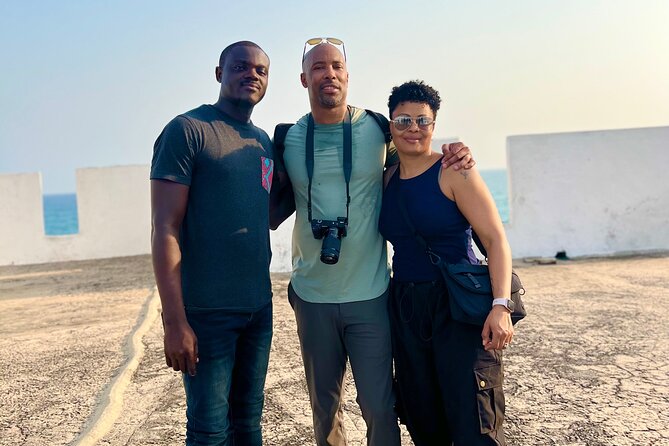
The price is $220 per person, and the biggest mistake is to judge it like a simple ticket. This price bundles more than entry lines.
You get transportation in an air-conditioned vehicle, WiFi onboard, bottled water, snacks, breakfast, and lunch. You also get all entry and admission fees included. In other words, this tour reduces the number of decisions you have to make mid-day when you’re hot, hungry, and pulled between sites.
The day runs 11 to 12 hours, starting early and ending back at the meeting point. That long, scheduled format is part of the value. You are not spending time organizing stops, negotiating separate tickets, or trying to match public transport timing to museum hours.
Also, the private tour setup matters for real-life comfort. You can move at your group’s pace, ask questions at each stop, and keep the day from turning into a rushed checklist.
More rainforest days at Kakum, with and without the castles


The guide makes or breaks it: Med, Malik, and Mannan as examples

This tour comes alive when the guide is strong, and the feedback around this experience is very consistent about that. Guides such as Med are praised for deep knowledge and for going above and beyond to share it. Another theme is the sense that the guides are patient, which is especially helpful when you’re traveling with a family or a mixed group.
Guides like Malik and Mannan are also mentioned for being accommodating and for keeping people feeling safe throughout a long day. That safety factor is not about drama. It’s about how people are managed in traffic, how meeting points are handled, and how the group is guided through sites with large amounts of walking.
One more practical point tied to your comfort: the tour highlights that you escape the language barrier with the guide’s help. Even if you speak some English, historical sites can be full of terms and references. A guide who translates the meaning, not just the words, is what makes the time click.
Food and comfort on an 11 to 12 hour day
On paper, a full-day tour can feel tiring. In practice, the included meals and snacks are doing a lot of work for you.
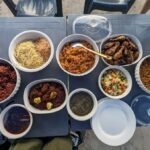
Breakfast is included before you really get into the day’s walking and museum time. Lunch is also included with time in between stops, which means you’re not forced to eat fast in the heat or skip meals. Bottled water and snacks are provided too, so you can keep energy steady for the canopy walk and the fortress walks that follow.
Comfort is helped by the air-conditioned vehicle and the simple fact that you are not constantly transferring between different transport modes. You are in one vehicle for the day, then you step out for focused blocks of time at each major stop.
What to expect at each stop, and how to get the most out of it

Kakum is the physical start. The canopy walk is about the views and the sensation of being above the forest floor. If you do not love heights, you may still enjoy watching from the safer areas, but you should know your personal limits before you commit your body to the walk.
Elmina Castle is the narrative stop. You will want to pay attention to dates and functions, because the meaning comes from how the site changed. A good guide will help you connect trade, power, and forced movement without turning the experience into a chaotic blur.
Cape Coast Castle is the reflective stop. The museum format gives you a chance to slow down and understand context. It also helps if you keep one or two questions in your mind, like why certain areas were used for specific purposes, or how the museum approach shapes learning today.
The tour is structured so you don’t get stuck in one place too long. The flip side is that you will likely want to read or watch a bit afterward if you crave deeper detail.
Who this tour suits best
This is a strong match if you want a one-day route that covers Kakum National Park plus both major castles without headaches. It also fits families and first-time visitors because the schedule is clear, the vehicle handles the long transfer, and the guide helps with the language barrier.
It also works well if you care about connecting nature and history in one trip. You start in the forest canopy, then you move into the realities of coastal fortifications that shaped the Atlantic slave trade.
If you hate early starts or you prefer slow travel with minimal driving, you might feel the pace. The day is long, and the early pickup is non-negotiable.
Should you book the Accra to Cape Coast Tour?
I’d book this if you want good value for a full itinerary and you like the structure of a private guided day. All entry fees and key meals are included, and the guide support, highlighted by strong feedback around Med and others, can make the historical stops far more understandable.
I would think twice if you are sensitive to heights or you know you do not do well with early mornings and long road time. Since the canopy experience depends on good weather, also consider your flexibility if rain or poor conditions show up.
If your goal is a focused, meaningful day from Accra, this tour hits the essentials without making you juggle logistics.
FAQ
How long is the Accra to Cape Coast Tour?
It takes about 11 to 12 hours.
What time does the tour start?
The start time is 6:00 am, with early pickup required to avoid traffic.
How much does the tour cost?
The price is $220.00 per person.
Is pickup included, and does it return to the start point?
Pickup is offered, and the activity ends back at the meeting point.
What stops are included?
You visit Kakum National Park (including the canopy walkway), Elmina Castle, and Cape Coast Castle.
What is included in the price?
You get bottled water, lunch, breakfast, snacks, an air-conditioned vehicle, private transportation, WiFi on board, and all entry or admission fees.
Do I need to buy tickets in advance?
You will receive a mobile ticket at booking confirmation.
Does the tour depend on weather?
Yes, it requires good weather. If canceled due to poor weather, you will be offered a different date or a full refund.
What is the cancellation window?
You can cancel up to 24 hours in advance for a full refund. If you cancel less than 24 hours before the start time, the amount you paid is not refunded.
Other Slave Trade Heritage Sites We Have Reviewed
- Cape Coast/Elmina Slave Dungeon and Canopy Walkway Private Tour
★ 5.0 · 24 reviews - Cape Coast Castle, Assin Manso Slave River and Door of No Return
★ 5.0 · 14 reviews - Accra Slave Castle and City Private Tour with Pick up
★ 5.0 · 11 reviews - Trails of the transatlantic slave trade in Ghana
★ 5.0 · 10 reviews - Travel Back In Time(The door of no return)
★ 4.5 · 7 reviews
Kakum, Other Ways In
- From Accra: Cape Coast, Elmina Castle & Kakum Park Day Tour
★ 4.6 · 144 reviews - Cape Coast ,Elmina Castle and Kakum Full-Day Tour
★ 5.0 · 62 reviews - Cape Coast/Elmina Slave Dungeon and Canopy Walkway Private Tour
★ 5.0 · 24 reviews - One Day Tour To Cape Coast, Elmina Castle, Kakum National Park
★ 5.0 · 21 reviews - Cape Coast Castle, Assin Manso Slave River & Kakum Day Tour.
★ 5.0 · 19 reviews
More Trips Down to Cape Coast
- The Cape Coast Day Tour
★ 5.0 · 525 reviews - The Cape Coast Tour
★ 5.0 · 177 reviews - From Accra: Cape Coast, Elmina Castle & Kakum Park Day Tour
★ 4.6 · 144 reviews - Accra To Cape Coast And Elmina Day Tour
★ 5.0 · 75 reviews - Cape Coast ,Elmina Castle and Kakum Full-Day Tour
★ 5.0 · 62 reviews
Latest Accra reviews added here

Cape Coast Castle Tours, compared.
 ★ 5.0The Cape Coast Day TourFrom $155525 reviews
 ★ 5.0The Cape Coast TourFrom $170177 reviews
 ★ 4.6From Accra: Cape Coast, Elmina Castle & Kakum Park Day TourFrom $110144 reviews
 ★ 5.0Accra To Cape Coast And Elmina Day TourFrom $16575 reviews
 ★ 5.0Cape Coast ,Elmina Castle and Kakum Full-Day TourFrom $15562 reviews
 ★ 5.010 Days Trip to Cape Coast and Elmina Castles from AccraFrom $4,69531 reviews
 ★ 5.0Cape Coast and Elmina Castles TourFrom $15731 reviews
 ★ 5.0The Homecoming Experience To Cape-coast And Elmina.From $18028 reviews
Browse the lists this tour appears in