
REVIEW · HOME COOKING & FOOD TASTING TOURS
Local Ghanaian Cooking Class in Accra to help support wellness community center
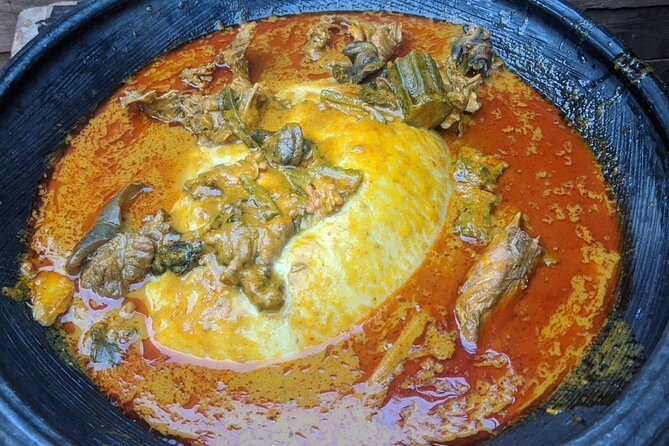
A morning market walk turns into real cooking. You start near Global Wellness Mission, ride to a local market, and build your meal from the ingredients you pick yourself on a market walk focused on Ghanaian dishes. I love that this is small-group time with a real host, so you are not just watching.
The best part for me is the pairing of technique and taste, from local spirits before cooking to pounding classics like fufu or banku. I also like that dietary requests can be accommodated if you ask ahead. One drawback to consider: some parts may feel less hands-on than you expect, since certain ingredient prep can already be done when you arrive.
In This Review
- Key Takeaways Before You Go
- Why This Accra Cooking Class Feels Different (and Worth $45)
- Start at Global Wellness Mission, Then Head to the Market
- The Market Stop: Picking Ingredients That Shape Your Stew or Soup
- Local Spirits, Served Before the Cooking Starts
- Learn to Pound Fufu or Banku, Then Build the Soup
- Lunch and Spirit of the Meal: Eating What You Helped Make
- Community Impact, Built Into the Meal
- Price and Logistics: What You Get, and What You Might Not
- Who Should Book This Cooking Class in Accra?
- Should You Book This Cooking Class, or Skip It?
- FAQ
- How long is the cooking class in Accra?
- How much does the class cost?
- What is included in the price?
- What is not included?
- Where do I meet for the cooking class?
- How big are the groups?
- Can the class accommodate dietary requests?
- Do you serve local spirits, and which ones?
- What is the cancellation policy?
- What days and times does the class run?
Key Takeaways Before You Go
- Market walk for real ingredient choices you can see and discuss
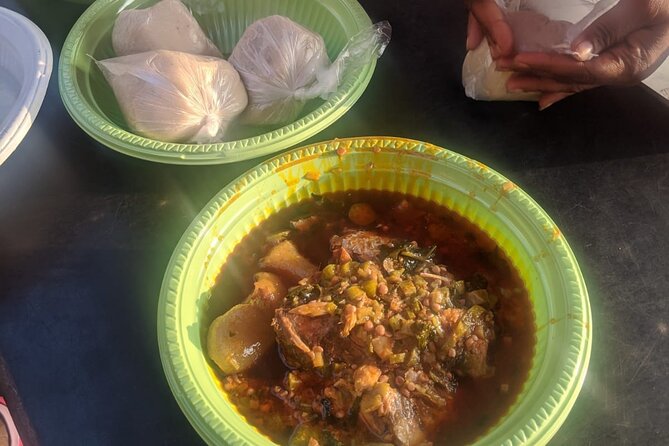
- Fufu, banku, jiji, or rice balls plus stew or soup you help make
- Local spirit tasting including Emergency, Hatso, and Uwuba made from akpeteshie with bark or leaf soaking
- Support for the Wellness Community Center through your booking
- Small-group size so your host can guide you closely
- Dietary requests welcome when you request them
More kitchens to cook in, and more plates to work through
- Local Ghanaian Cooking Class in Accra to help support wellness community center★ 4.5 · 22 reviews
- Private Full-Day Ghanaian Delicacy and Dessert Tour in Accra★ 5.0 · 13 reviews
- Authentic Ghanaian Cooking Class in Accra★ 4.5 · 11 reviews
- Authentic Ghanaian Cooking Lessons and Take Out Services.★ 5.0 · 9 reviews
Why This Accra Cooking Class Feels Different (and Worth $45)
This is not a cooking show where you sit on the edge of the room. The value here is in the full loop, market, ingredients, cooking steps, then eating what you made together. At $45 per person, you get lunch plus local spirits, and that matters because so many cooking classes charge extra for the food component and still skip the cultural side.
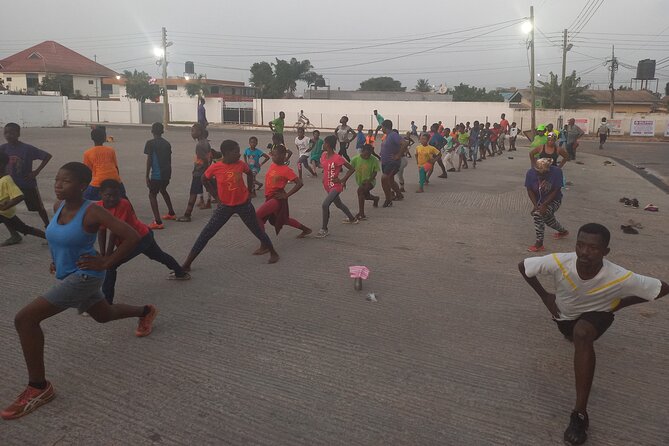
The other big reason to consider it is impact. Your booking supports a Wellness Community Center that runs physical activity programs, nutrition education, after school lectures for kids, health screenings, and art and dance programs. That means you are not just buying a meal. You are helping fund community services that stay local and ongoing.
One more practical point: the experience caps at 20 travelers, and it is described as a small group, which usually translates to less time waiting and more time getting your questions answered while you cook.
Start at Global Wellness Mission, Then Head to the Market
You meet at Global Wellness Mission, CM7, Third Oloti St, Accra, and the activity ends back at the same meeting point. From there, transportation is provided by car to the local market where you buy what you need for your meal.
This part is more important than it sounds. If you want to understand Ghanaian cooking, you need to see ingredients in context. In a market setting, you can ask what each ingredient is for, and you get a better sense of how dishes come together beyond a recipe card. You also get to meet people in a normal day setting, not just in a staged tourist moment.
The pacing is also designed for morning energy. The listed opening window runs Monday to Saturday, 8:00 AM to 12:00 PM, so you are not spending your whole day stuck in a bus. Plan for a morning that is social, active, and food-focused.
The Market Stop: Picking Ingredients That Shape Your Stew or Soup
At the market, you gather the ingredients for the dishes you will cook and eat. The class includes options for different soups and stews, so the market choices you make help determine what ends up on your plate.
Here is what you can expect to be involved in at the cooking stage, which helps you understand why the market matters:
- You will likely pound and handle staples like fufu or banku (or rice-ball style options like jiji)
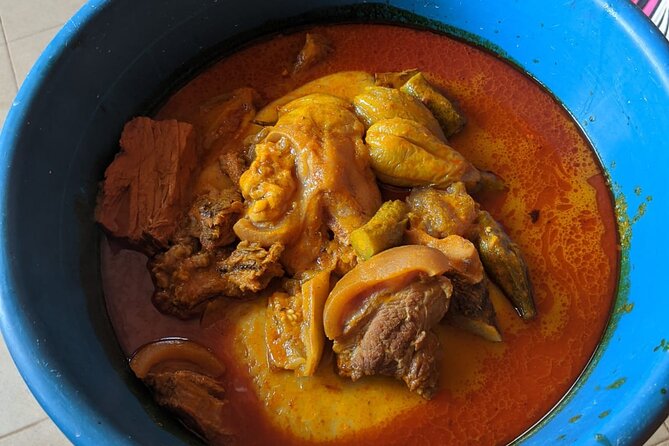
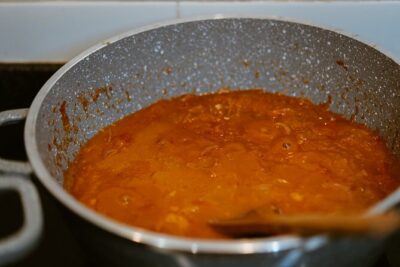
- You will cook a stew or soup you choose, such as Okra soup, Ground nut soup, Palm-nut soap, Light soup, or Plain soup
If you are the kind of person who likes to understand the “why,” the market leg gives you a head start. Even if you do not memorize every ingredient name, you learn how decisions in the market connect to texture, thickness, and flavor later.
A small consideration: if you are expecting a super long walk with constant micromanagement from the host, it may not match that idea. The market is there to feed the cooking, not to be a full sightseeing marathon.
Local Spirits, Served Before the Cooking Starts

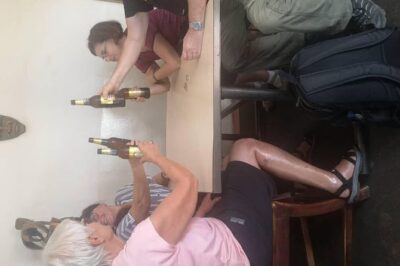
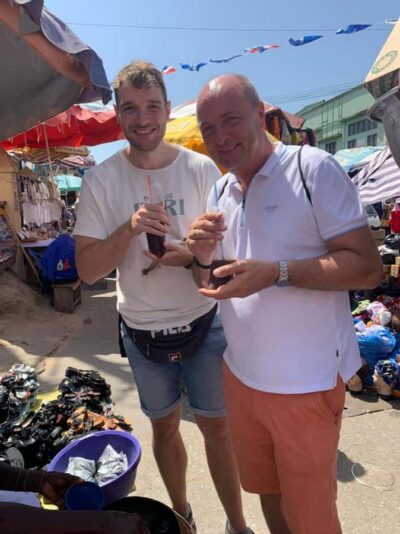
Before you get serious with your hands, you sip locally made spirits: Emergency, Hatso, and Uwuba. These are made from akpeteshie and soaked with local bark or tree leaf.
This is one of the most distinctive parts of the experience. It gives you a cultural moment right away, and it also signals that this class treats drinking and hospitality as part of the ritual, not an optional add-on. Since alcoholic beverages are included, you should plan your day with that in mind.
Practical tip: pace yourself. Even if you feel fine, pounding fufu or banku can be physical, and you will want steady focus for the technique.
Also note what is not included: soda/pop and beer/soda are not listed as part of the package. So if you usually rely on a soft drink to stretch your alcohol, bring that expectation with you.
Learn to Pound Fufu or Banku, Then Build the Soup
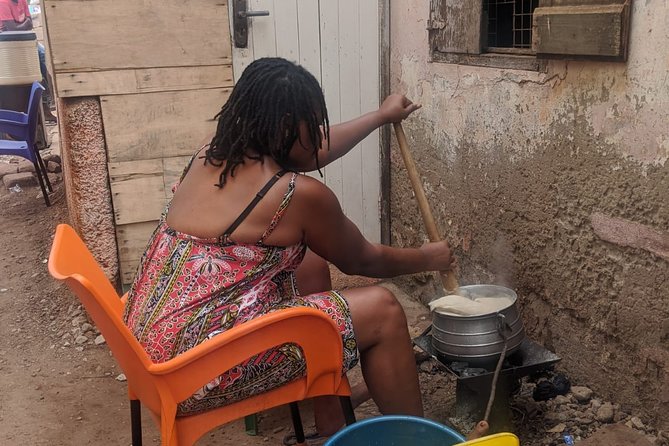
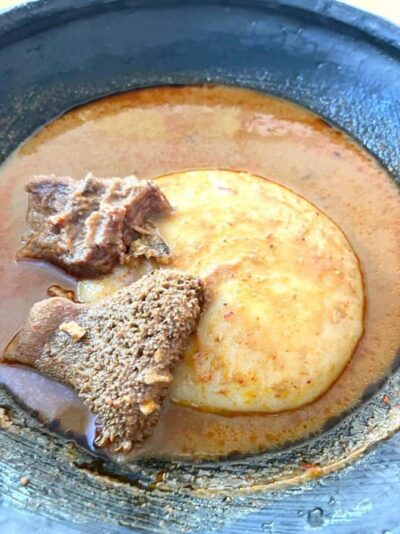
When you return from the market, the class moves into hands-on cooking. A big part of the experience is pounding staples like fufu, banku, jiji, or rice balls, while you prepare the stew or soup you choose.
This is where the class earns its reputation. You are not only mixing ingredients. You are learning the physical rhythm of Ghanaian staples, which changes the texture in a way you can feel with your own hands.
From the way different hosts described the experience, guidance can be very personal. One guest highlighted working with Ms. Gifty, and another loved time with Auntie Irene. When the host is patient and attentive, pounding and mixing stops feeling like a chore and starts feeling like a new skill you actually get to practice.
What you’ll likely cook depends on your selection, but you should be prepared for options like:
- Okra soup (often tied to thickening and texture from okra)
- Ground nut soup (nutty depth and a richer feel)
- Palm-nut soap (a specific style you should ask about if you want to know the ingredient logic)
- Light soup or Plain soup for simpler, adaptable flavor profiles
One key takeaway: the class is set up so you learn multiple parts of a meal. Even if one dish is your favorite, you end up with a better sense of how Ghanaian cooking is built, staple plus soup or stew, then shared plates.
More cooking sessions in Ghanaian kitchens
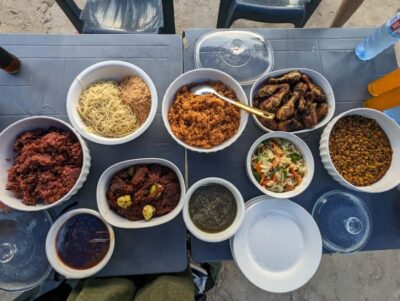
Lunch and Spirit of the Meal: Eating What You Helped Make
At the end, you eat what you made. Lunch is included, and the meal is the payoff after the market and cooking steps. You also get good conversation in the mix, because this class is family-style hospitality in a community setting, not a silent workshop.
Several dish highlights come up strongly in the feedback you can use to set expectations:
- Banku paired with soup
- Jollof rice described as a standout
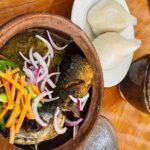
- Fried fish and stew
- Chicken alongside rice and sauce
Your actual menu may vary based on what you pick and what day it is, but the pattern is consistent: you should expect a satisfying spread rather than a tiny tasting plate.
One more detail that can matter for your plan: the total duration is listed as about 6 hours, yet some sessions can feel shorter once cooking begins. If you prefer classes that end while you still have energy for the afternoon, this is a good sign, just be ready for the possibility that the day’s pace depends on the group and the kitchen flow.
Community Impact, Built Into the Meal

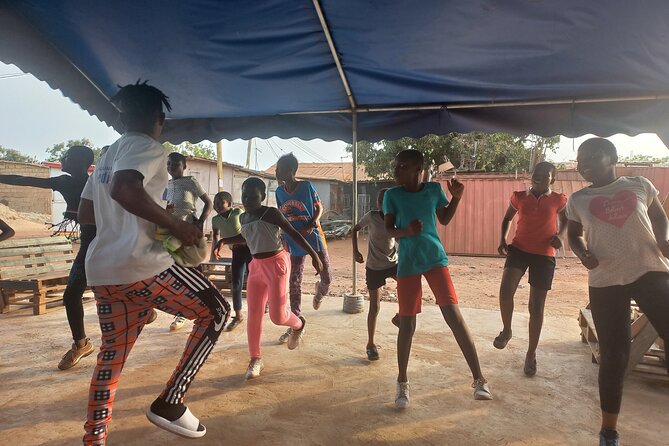
This class is set up as support for the Wellness Community Center, which runs:
- Physical activity programs
- Nutrition education
- After school lectures for kids
- Health screenings
- Art and dance programs
That is a lot of ground covered for one small booking. When you pay the $45 fee, you are directly helping fund programs that reach people who likely cannot pay out of pocket for those services.
It also changes the vibe in a good way. You tend to cook with more pride when you understand why the experience exists. And since the cooking is tied to local life, it feels like you are participating in something that stays in the community after you leave.
Price and Logistics: What You Get, and What You Might Not
Here is the practical breakdown.
Included
- Lunch
- Local spirits (Emergency, Hatso, Uwuba)
- Transportation by car between the meeting point and the market
Not included
- Soda/pop
- Beer/soda
Group size
- Maximum 20 travelers, with a small-group feel so you get attention from the host
Format
- Mobile ticket
Dietary needs
- Dietary requests can be accommodated upon request
Where you start and end
- Both at Global Wellness Mission on Third Oloti St
From a value standpoint, the biggest reason this can feel like a fair deal is the combo of food plus alcohol plus market ingredient time, plus the community support piece. If you were to price those pieces separately in Accra, you might find it costs more than you expect.
Who Should Book This Cooking Class in Accra?
I think this class fits best if you want:
- Hands-on cooking skills you can repeat at home
- A market experience that feeds into your meal
- A chance to talk with locals while you eat
- A meaningful way to support a local wellness effort
It is also a good choice for couples or small groups since the small-group structure usually helps you actually learn. If you are traveling with dietary needs, send your request. The class notes that dietary requests can be accommodated upon request.
If you are the type who needs a very structured, step-by-step kitchen routine with no surprises, you may want to set expectations. One guest noted that some prep may be done already when you arrive, so the cooking feel can vary a bit day to day.
Should You Book This Cooking Class, or Skip It?
Book it if you want a morning that ends in a real lunch and the satisfaction of cooking Ghanaian staples like fufu or banku plus a stew or soup you chose. The market-to-meal flow and the inclusion of local spirits plus community support make it a strong value.
Consider choosing another option if your priority is heavy, constant hands-on chopping from minute one. Some sessions may start with ingredients already prepped, and you might have more emphasis on cooking and pounding than raw prep work.
My final advice: go with a flexible mindset. Bring an appetite, ask questions at the market, and focus on learning the techniques, not just finishing the dishes quickly. That is when this class tends to click.
FAQ
How long is the cooking class in Accra?
The experience runs about 6 hours (approx.).
How much does the class cost?
It costs $45.00 per person.
What is included in the price?
The class includes lunch and alcoholic beverages, specifically local spirits.
What is not included?
Soda/pop and beer/soda are not included.
Where do I meet for the cooking class?
You meet at Global Wellness Mission, CM7, Third Oloti St, Accra, Ghana.
How big are the groups?
The activity has a maximum of 20 travelers.
Can the class accommodate dietary requests?
Yes. Dietary requests can be accommodated upon request.
Do you serve local spirits, and which ones?
Yes. You will sip locally made spirits including Emergency, Hatso, and Uwuba, made from akpeteshie and soaked with local bark or tree leaf.
What is the cancellation policy?
You can cancel for a full refund if you cancel up to 24 hours in advance of the experience start time. If you cancel less than 24 hours before, the amount paid will not be refunded.
What days and times does the class run?
The listed opening hours are Monday to Saturday, 8:00 AM to 12:00 PM.
More Ghanaian Kitchens
- Home Cooking Class by Auntie K
★ 5.0 · 62 reviews - Authentic Ghanaian Cooking Class in Accra
★ 4.5 · 11 reviews - Authentic Ghanaian Cooking Lessons and Take Out Services.
★ 5.0 · 9 reviews - Accra: Cooking Class with Auntie KK in Osu
★ 5.0 · 3 reviews
More Ghana Tours Out of the Review Pile
- The Cape Coast Day Tour
★ 5.0 · 525 reviews - Experience the Beauty, History and the Culture Of Accra in a Day
★ 5.0 · 323 reviews - The Cape Coast Tour
★ 5.0 · 177 reviews - From Accra: Cape Coast, Elmina Castle & Kakum Park Day Tour
★ 4.6 · 144 reviews - Accra Detailed City Tour
★ 4.5 · 118 reviews
Cooking and Eating in Ghana
- Home Cooking Class by Auntie K
★ 5.0 · 62 reviews - Private Full-Day Ghanaian Delicacy and Dessert Tour in Accra
★ 5.0 · 13 reviews - Authentic Ghanaian Cooking Class in Accra
★ 4.5 · 11 reviews - Authentic Ghanaian Cooking Lessons and Take Out Services.
★ 5.0 · 9 reviews - Local Ghanaian Food Tasting Tour
★ 4.1 · 9 reviews
Latest Accra reviews added here




Home Cooking & Food Tasting Tours, compared.
 ★ 5.0Home Cooking Class by Auntie KFrom $8962 reviews
 ★ 5.0Private Full-Day Ghanaian Delicacy and Dessert Tour in AccraFrom $31613 reviews
 ★ 4.5Authentic Ghanaian Cooking Class in AccraFrom $10011 reviews
 ★ 4.1Accra Street Food Tour: Makola Market Tour With Full LunchFrom $749 reviews
 ★ 4.1Local Ghanaian Food Tasting TourFrom $1509 reviews
 ★ 5.0Authentic Ghanaian Cooking Lessons and Take Out Services.From $259 reviews
 ★ 4.7Accra Street Food Tour: Osu Night Market Tour ExperienceFrom $788 reviews
 ★ 5.0Accra City Tour, explore the history, and local flavours.From $804 reviews
Browse the lists this tour appears in