
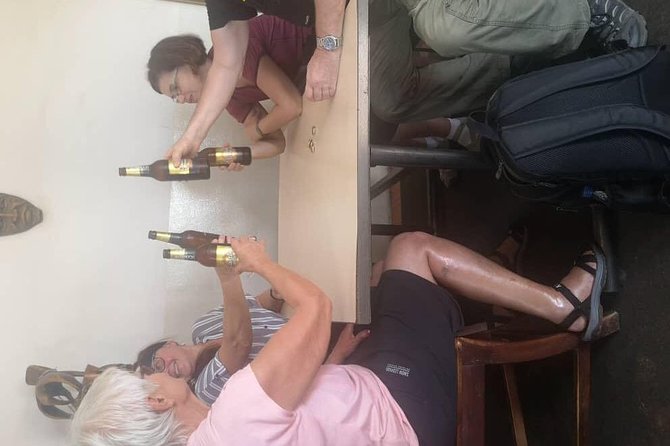
REVIEW · HOME COOKING & FOOD TASTING TOURS
Home Cooking Class by Auntie K
Cooking in Accra feels like family time. This private home cooking class with Auntie K turns a normal afternoon into real Ghanaian food skills, from jollof rice and soup to desserts, with an optional market stop. Two things I really like: the hands-on approach (not just sitting nearby) and the traditional cooking setup, including grinding by hand and cooking over charcoal.
One thing to consider before you book: the level of participation can vary. Some people describe a very hands-on session with plenty of chopping, mixing, and grinding, while others felt more like a demonstration depending on timing and how the class flows.
In This Review
- Key Things To Know Before You Go
- Private Home Kitchen, Starting in Osu La Crescent
- Optional Market Stop: Buying Spices and Foodstuffs the Same Day
- From Arrival to Prep: How the Session Usually Gets Rolling
- Pestle, Mortar, and Charcoal Cooking: The Techniques You’ll Actually Use
- The Menu You Might Cook: Jollof, Kelewele, and Soup Classics
- Lunch at the Table: What Makes It More Than Cooking
- Who This Is Best For, and Who Might Want a Different Style
- Price and Value: Is $89 a Good Deal for This 5-Hour Private Class?
- Practical Tips So You Get the Most From the Day
- Should You Book Home Cooking Class by Auntie K in Accra?
- FAQ
- Where is the meeting point for Home Cooking Class by Auntie K?
- How long is the cooking class?
- Is this a private activity?
- What is included in the experience?
- Can the class include a market stop to buy ingredients?
- Does the activity depend on weather?
- What is the cancellation policy?
Key Things To Know Before You Go
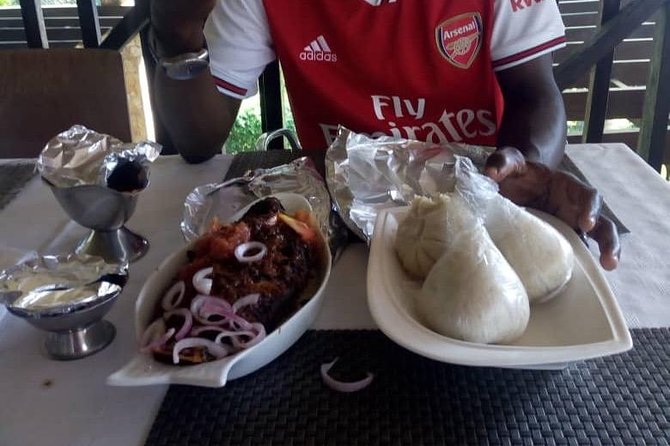
- Private, in-home class: your group stays together, with Auntie K and her helpers guiding you.
- Optional market shopping: you may go to buy the ingredients the same day.
- Traditional technique, no blender: pestle-and-mortar work and spice handling come into play.
- Charcoal cooking outdoors: you cook in a more traditional setup, weather permitting.
- Flexible for dietary needs: spice level and dietary restrictions can be adjusted.
- Food-forward payoff: you sit down to a lunch you can feel good about, and it can be plenty.
More kitchens to cook in, and more plates to work through
- Local Ghanaian Cooking Class in Accra to help support wellness community center★ 4.5 · 22 reviews
- Private Full-Day Ghanaian Delicacy and Dessert Tour in Accra★ 5.0 · 13 reviews
- Authentic Ghanaian Cooking Class in Accra★ 4.5 · 11 reviews
- Authentic Ghanaian Cooking Lessons and Take Out Services.★ 5.0 · 9 reviews
Private Home Kitchen, Starting in Osu La Crescent

This experience is anchored in one simple idea: learn Ghanaian cooking where it actually happens, in Auntie K’s home in Accra, starting at CLUB 69 Osu, La Crescent. The class meets there and ends back at the same point, so you are not dealing with complicated transfers.
Because it is private, you avoid the typical “watch-and-wait” setup. Instead, the flow is designed around your group size and pace. That matters in cooking classes, where the difference between a fun session and a frustrating one is usually time, attention, and how much you can do with your hands.
The other big detail is the environment. This class runs in a home setting, and part of the cooking can happen outside, so you should plan for the feel of an outdoor cooking area (and the reality that it depends on weather). Also, an air-conditioned vehicle is not included, so if you are coming from farther away, plan for local transport.
Optional Market Stop: Buying Spices and Foodstuffs the Same Day
One of the most valuable parts is the optional market stop. If your group schedules it, you go along and buy the ingredients right before cooking. That is not just a cute add-on. It helps you understand what makes the flavors work in Ghanaian staples, and it gives you a clear path for recreating dishes later.
From the way the class is described, the market option typically happens before you start cooking. That means more total time on the day, but it also means you see ingredients in their natural state instead of only in a supermarket shelf format.
If you want to come away with real know-how, this is your moment. Ask questions about what spices are used and how they are handled. In several accounts, the host explains spices and seasoning techniques, and market shopping gives you the context to remember those lessons later.
From Arrival to Prep: How the Session Usually Gets Rolling
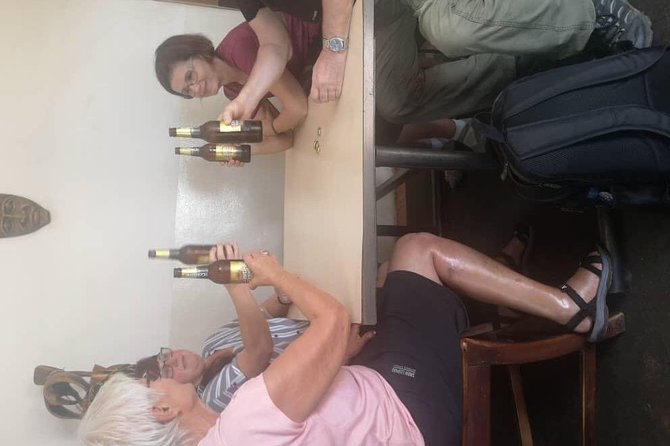
Your timeline can stretch, so it helps to think in phases. First you meet Auntie K and get oriented. Then you move into prep work, which often includes chopping and cleaning ingredients and getting sauces and spice mixes ready.
A few reviews highlight that you can take part as much as you want. In practice, that usually means you can choose between a more active role, like cutting vegetables and mixing components, and a slightly lighter role if you prefer to watch and learn first.
The class setup also matters for comfort. Some people report cooking outdoors over charcoal, which means warm conditions and some traditional messiness. If you like “real kitchen” experiences, that is a plus. If you want polished, indoor demo vibes, you may want to set expectations.
Pestle, Mortar, and Charcoal Cooking: The Techniques You’ll Actually Use
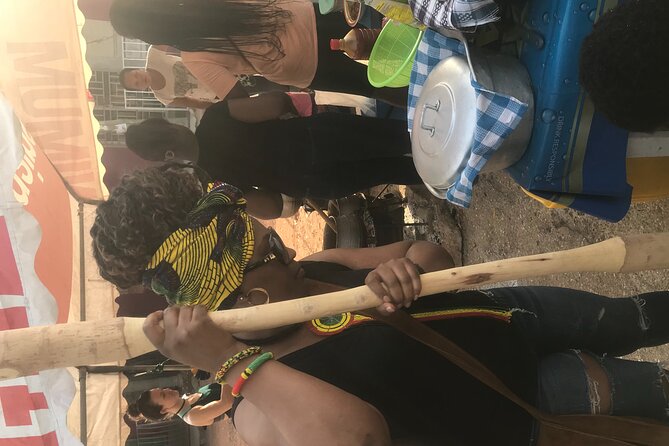
This class earns its reputation on technique. People specifically mention no blender and learning how to use a pestle and mortar to blend veggies and spices. That skill is a big deal. It is the difference between tasting like a recipe and tasting like a kitchen that understands texture.
Grinding by hand also slows you down in a good way. When you crush and mix, you start to notice aroma changes and consistency changes. You learn which ingredients need more time and when the mix is ready to move into the pan.
Another frequently mentioned feature is cooking over a charcoal cooking stand, sometimes with a fan helping manage heat and airflow. That can be fun, but it is also practical education. Charcoal cooking changes flavor, and you get a sense of timing that is harder to learn from a stovetop alone.
If you want to recreate at home, this is what you should pay attention to most:
- texture of spice blends when ground by hand
- timing for simmering and reducing
- how heat level affects stew and rice outcomes
The Menu You Might Cook: Jollof, Kelewele, and Soup Classics
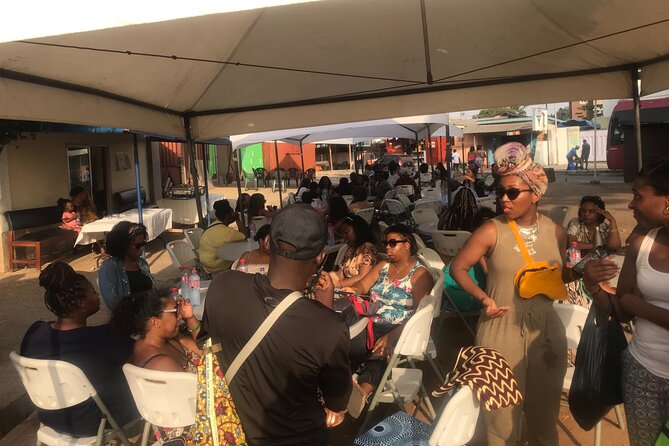
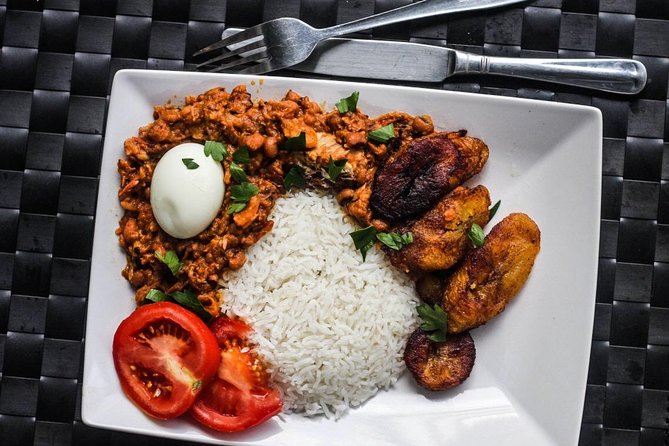
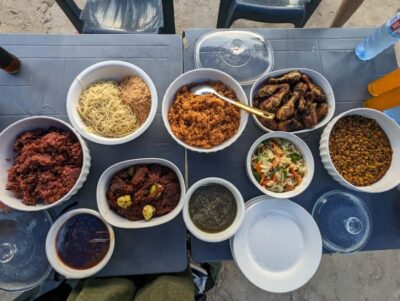
The menu varies, but the core lineup comes up again and again: jollof rice, soups, spicy plantain dishes, and grilled proteins. Expect the session to include multiple dishes that come together as a meal, not just one item.
Here are dishes that were specifically mentioned in accounts of the class:
- Jollof rice as a centerpiece dish, often described as a standout
- Kelewele, spicy plantains, frequently praised for flavor
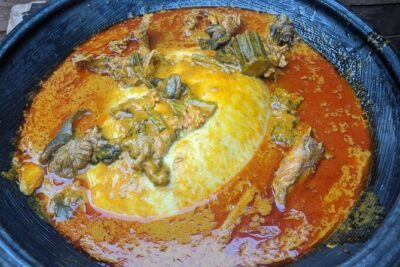
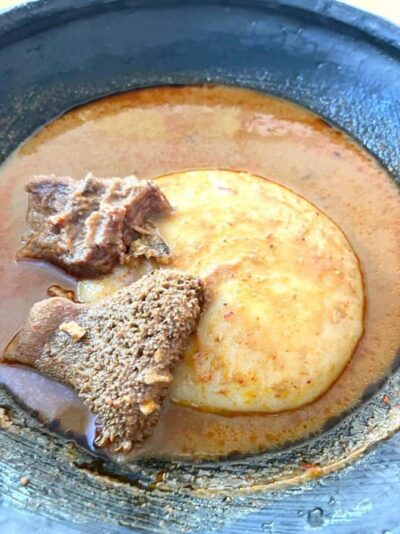
- Goat soup with fufu, including the reality that fufu takes real effort
- Grilled fish and/or grilled chicken, cooked to a well-liked finish
- Banku and okra-based stews, including okra and fish stew
- Additional items like sauteed veggies, and in some cases fried turkey wings
- Dessert, mentioned as part of the typical concept even if the exact type can vary
For your planning, think of this as learning multiple “building blocks.” You get practice on rice seasoning, spice blends, stews and soups, and grilling methods. And because spice levels and dietary needs can be adjusted, the class is not locked into one “hard mode” version of the menu.
One theme that comes up is that the host adapts to the group. Some people mention low-spice preferences being respected. Others mention dietary restrictions being accommodated so every dish still tastes complete.
More cooking sessions in Ghanaian kitchens
Lunch at the Table: What Makes It More Than Cooking
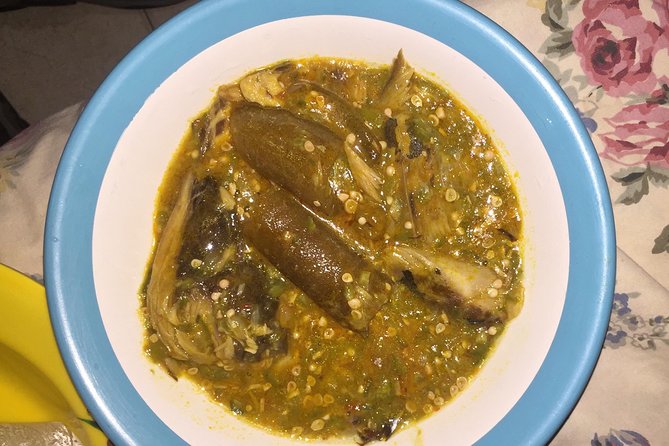
You do not just cook and leave. You sit down and eat what you made, with good conversation. That is a key part of the value, because the payoff is immediate.
Several notes emphasize that the food is delicious and plentiful. People talk about leaving full, and some even mention packing food back afterward. In other words, you are not paying for a snack and a pat on the head. You are buying a full meal experience plus instruction.
Also, the conversation side is not random small talk. It often shows up around the food itself, like how spices are used, why certain textures matter, and what different dishes mean in everyday eating. If you want cultural context without a lecture, this setup is a good match.
Who This Is Best For, and Who Might Want a Different Style
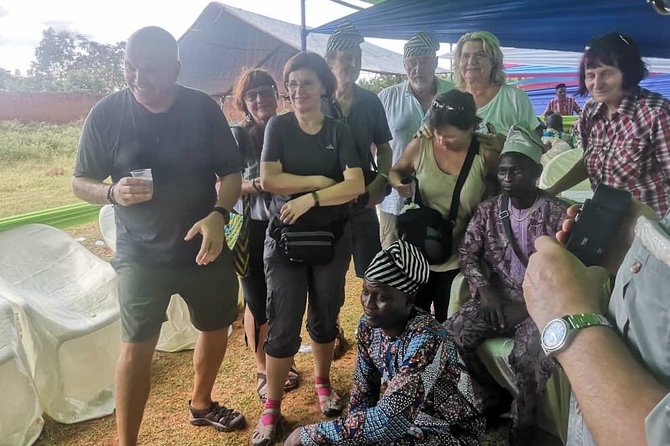
This class is especially good if you want:
- hands-on cooking with real Ghanaian dishes
- a home setting with warm hospitality
- a chance to learn spice handling, grinding, and charcoal cooking rhythms
- a lunch that feels like you actually ate a meal, not a demonstration
It is also ideal for people who have dietary restrictions or spice preferences. The host can adjust the menu to meet different needs, and that flexibility is repeatedly praised.
Who might consider a different option? If you strongly need a strictly timed, always hands-on cooking format, you should go in with eyes open. Some accounts say the session felt more like watching at times, while others describe heavy participation. Since this is a private class, you can still influence the flow by telling Auntie K what role you want to play. But the cooking stage can only move as fast as ingredients and prep allow.
Price and Value: Is $89 a Good Deal for This 5-Hour Private Class?
At $89 per person, you are paying for three things that matter:
1) instruction in a home kitchen
2) a full lunch you eat at the end
3) a private, personalized experience rather than a shared group format
Five hours is the stated duration estimate, and the cooking time can stretch from about 3 to 6 hours depending on group size. That range is important. If your market stop is included and you end up with a longer prep and cook time, you are getting more total value.
Also, the class includes homemade cooking plus lunch. Since the goal is to learn and eat, the price makes more sense than a short, demo-style experience where you eat very little.
The trade-offs are also clear. Air-conditioned vehicle support is not included, and the class depends on good weather. If you are traveling in a hot season or arriving from somewhere that requires a long ride, think ahead about comfort and timing.
In short, it is good value if you want actual kitchen time, not just watching, and if you like the idea of learning by doing, then eating what you made.
Practical Tips So You Get the Most From the Day
A few smart moves will help you enjoy this class more.
- Come with an appetite. The point is to eat the results of your work, and people describe the portions as plenty.
- Plan for outdoor cooking conditions. If part of the cooking happens outside over charcoal, you will feel the heat and humidity more than you would in a studio kitchen.
- Wear practical clothes. You may be chopping, mixing, and standing around active cooking.
- Ask about spice level early. If you prefer mild, say so at the start. Accounts mention the host adjusting spice preferences.
- If you want maximum hands-on, say that. Some sessions lean more active than others. Your request can shape how much prep and cooking you personally do.
- If you go to the market, pay attention. The goal is to learn what you can buy and how to reproduce the flavors later.
Should You Book Home Cooking Class by Auntie K in Accra?
I think you should book this if you want an authentic Ghanaian cooking lesson that ends with a satisfying meal, done in a private home setting. The repeated strengths are clear: friendly, welcoming guidance, practical technique (including pestle-and-mortar grinding), charcoal cooking, and flexible adjustments for spice and dietary needs.
I would hesitate only if you know you need guaranteed, fully hands-on participation with zero chance of a demo-style pace. In that case, ask directly how your group will be involved, and consider booking with enough time in your schedule so a longer cooking flow does not mess up your plans.
If you match the vibe, this is the kind of experience that gives you skills you can use again, not just a plate you ate once.
FAQ
Where is the meeting point for Home Cooking Class by Auntie K?
The class starts at CLUB 69 Osu, La Crescent, Accra, Ghana, and it ends back at the same meeting point.
How long is the cooking class?
The class is listed as about 5 hours. The time can vary, typically running between 3 to 6 hours depending on the number of people.
Is this a private activity?
Yes. It is a private tour or activity, and only your group participates.
What is included in the experience?
Lunch and a homemade cooking class are included.
Can the class include a market stop to buy ingredients?
Yes. A market stop is optional, depending on the plan for your class.
Does the activity depend on weather?
Yes. The experience requires good weather. If it is canceled due to poor weather, you will be offered a different date or a full refund.
What is the cancellation policy?
You can cancel for a full refund up to 24 hours in advance of the experience’s start time. If you cancel less than 24 hours before the start time, the amount you paid will not be refunded.
###
More Ghanaian Kitchens
- Local Ghanaian Cooking Class in Accra to help support wellness community center
★ 4.5 · 22 reviews - Authentic Ghanaian Cooking Class in Accra
★ 4.5 · 11 reviews - Authentic Ghanaian Cooking Lessons and Take Out Services.
★ 5.0 · 9 reviews - Accra: Cooking Class with Auntie KK in Osu
★ 5.0 · 3 reviews
More Ghana Tours Out of the Review Pile
- The Cape Coast Day Tour
★ 5.0 · 525 reviews - Experience the Beauty, History and the Culture Of Accra in a Day
★ 5.0 · 323 reviews - The Cape Coast Tour
★ 5.0 · 177 reviews - From Accra: Cape Coast, Elmina Castle & Kakum Park Day Tour
★ 4.6 · 144 reviews - Accra Detailed City Tour
★ 4.5 · 118 reviews
Cooking and Eating in Ghana
- Local Ghanaian Cooking Class in Accra to help support wellness community center
★ 4.5 · 22 reviews - Private Full-Day Ghanaian Delicacy and Dessert Tour in Accra
★ 5.0 · 13 reviews - Authentic Ghanaian Cooking Class in Accra
★ 4.5 · 11 reviews - Authentic Ghanaian Cooking Lessons and Take Out Services.
★ 5.0 · 9 reviews - Local Ghanaian Food Tasting Tour
★ 4.1 · 9 reviews
Latest Accra reviews added here




Home Cooking & Food Tasting Tours, compared.
 ★ 4.5Local Ghanaian Cooking Class in Accra to help support wellness community centerFrom $4522 reviews
 ★ 5.0Private Full-Day Ghanaian Delicacy and Dessert Tour in AccraFrom $31613 reviews
 ★ 4.5Authentic Ghanaian Cooking Class in AccraFrom $10011 reviews
 ★ 4.1Accra Street Food Tour: Makola Market Tour With Full LunchFrom $749 reviews
 ★ 4.1Local Ghanaian Food Tasting TourFrom $1509 reviews
 ★ 5.0Authentic Ghanaian Cooking Lessons and Take Out Services.From $259 reviews
 ★ 4.7Accra Street Food Tour: Osu Night Market Tour ExperienceFrom $788 reviews
 ★ 5.0Accra City Tour, explore the history, and local flavours.From $804 reviews
Browse the lists this tour appears in