
REVIEW · HOME COOKING & FOOD TASTING TOURS
Accra City Tour, explore the history, and local flavours.
Accra can feel like one long lesson, if you have the right guide. This city tour links pan-African history to modern Ghana, with museum time and views of Jamestown. I like how it’s built around real places tied to the Gold Coast, slavery routes, and independence. You’ll also get local flavours through a classic market stop.
Two standouts: the trained, Ghanaian-led storytelling (guides like Makafui and Biney come up again and again), and the way the day mixes big ideas with concrete stops like the National Museum of Ghana. I also like that the tour is paced for a smooth group experience, with drivers like George keeping things professional and on time.
One consideration: your total time is flexible (about 5 to 9 hours), so bring patience for a longer day if your group wants extra time at the sites.
In This Review
- Key highlights at a glance
- Getting Oriented in Accra with a Trained Local Guide
- Stop 1: W.E.B. DuBois Center and the Pan-African Story You Can See
- Stop 2: Makola Market, 1924 Built and Made for Real Shopping
- Stop 3: James Town Lighthouse, 28 Metres of Jamestown and City Views
- Stop 4: National Museum of Ghana and the Big Timeline in One Place
- Stop 5: Kwame Nkrumah Memorial Park and the 1957 Independence Shift
- How the 5 to 9 Hours Usually Feels, and What to Bring
- Price, Value, and When $80 Makes Sense
- Who This Tour Fits Best in Your Travel Plans
- Final verdict: Should you book this Accra city tour?
- FAQ
- How long is the Accra City Tour?
- What is the price per person?
- Is pickup included?
- What are the main stops on the tour?
- Are admission tickets included?
- Is Makola Market admission free?
- Is this a private tour?
- What are the opening hours for the tour?
- Can I cancel for a full refund?
- Are service animals allowed?
Key highlights at a glance
- Trained Ghanaian guide and a private group setup
- Admission tickets included for major museums and viewpoints
- Du Bois Center for Pan-African history and personal collections
- Makola Market, built in 1924, for everyday Accra energy
- Jamestown Lighthouse views from a 28-metre structure
- Kwame Nkrumah Memorial Park for the 1957 independence story
Other ways to see Accra, from half-day loops to full-day drives
- Experience the Beauty, History and the Culture Of Accra in a Day★ 5.0 · 323 reviews
- Accra Detailed City Tour★ 4.5 · 118 reviews
- Accra Guided City Tour Experience★ 4.7 · 88 reviews
- Accra Guided City Tour Experience★ 5.0 · 76 reviews
Getting Oriented in Accra with a Trained Local Guide
This tour works because it gives you a human guide, not just a route. You’ll be travelling with a Ghanaian host who’s described as trained, and that matters in Accra, where history can be layered and easy to miss if you’re reading only plaques.
You also get a practical setup: pickup offered, plus the tour is private in the sense that only your group participates. That’s a real value move. It usually means you can ask more questions, go at a comfortable pace, and keep the day from turning into a rushed queue-photo grind.
Time ranges from 5 to 9 hours. That spread can feel vague, but it also gives you flexibility. If you prefer to linger, you likely can. If you’re trying to fit Accra into a tight schedule, you can plan for the middle of the range and stay flexible.
Stop 1: W.E.B. DuBois Center and the Pan-African Story You Can See
The day starts at the W.E.B. DuBois Center, and it’s not just another museum stop. You’ll encounter the history of the Gold Coast, the Afro-American experience, and the trans-Atlantic Slave Trade, all connected to the wider story of people, power, and identity.
A neat detail here is the setting of an open air theatre directly behind Du Bois’s home, in a pastoral setting. That kind of location does something useful: it helps you understand why Du Bois, often called the father of pan-Africanism, found peace in that last home. It’s the sort of context that makes the indoor exhibits feel less abstract.
Inside, the museum library and seminar room holds Dr. Du Bois’s personal library and collection of works. That’s the kind of touch that makes a tour feel personal rather than purely informational. You can walk through and see how ideas were kept, organized, and carried.
Plan on about an hour. The tradeoff is simple: this stop is heavy on history, so it’s worth doing early when your brain is fresh.
Stop 2: Makola Market, 1924 Built and Made for Real Shopping
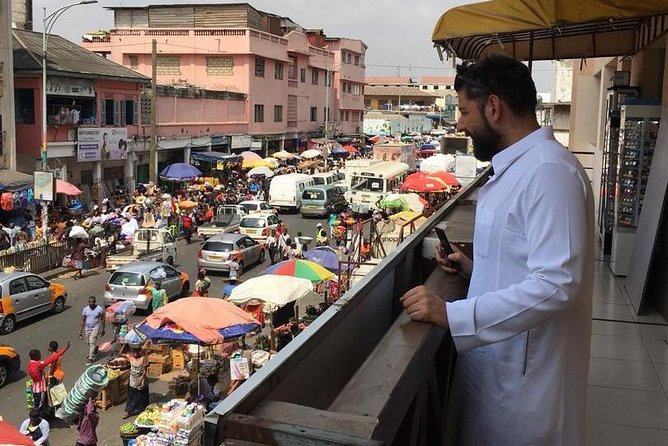
Then you jump into a very different mood at Makola Market. This is a renowned market place constructed in 1924, and it’s also described as a shopping district in central Accra. It’s the kind of place where you get the day’s “local life” without needing a separate food tour.
You’re invited to walk and talk with the traders. That’s an important difference from standing at a distance taking pictures. The more you ask, the more you learn. Even if you’re not buying much, the conversations help you understand what the market means to people day to day.
The duration is about 30 minutes, and admission is free. That short timing is a good design choice. It lets you get the feel of the place without letting market time swallow the rest of your itinerary.
One practical consideration: markets can be busy and crowded depending on the day. Keep your phone secure and don’t expect a calm, museum-like pace here.
Stop 3: James Town Lighthouse, 28 Metres of Jamestown and City Views
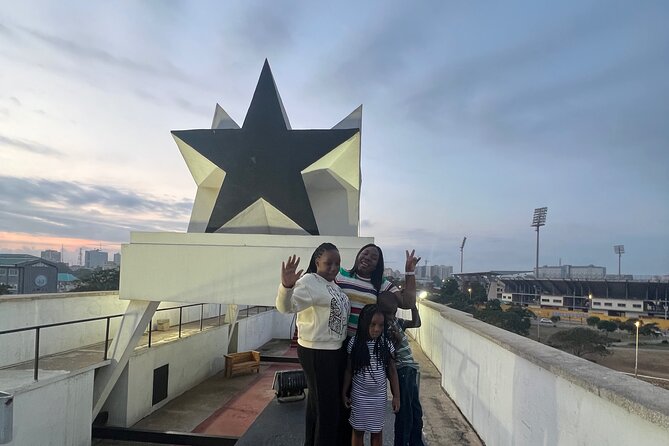
Next up is the James Town Lighthouse, a 28-metre structure originally built in the 1930s. If you want a break from indoor history, this is a smart mid-tour stop because it gives you a wide view.
From there, you get an overview of the Jamestown community and the city at large. That viewpoint turns the story you learned earlier into something you can visually connect. You see the neighbourhood geometry, the sense of how areas cluster, and how the city spreads around key landmarks.
Admission is included, and you’ll spend about an hour. The upside is time for photos and for the guide to explain what you’re seeing. The downside is that the lighthouse is the kind of stop where you’ll want the lighting to cooperate. Bring a backup plan for photos if the sky is overcast.
If you care about photography, this stop is worth it. One of the guides named in a review, Biney, is also described as an impressive photographer, which can help you get better shots on days where visibility is mixed.
Stop 4: National Museum of Ghana and the Big Timeline in One Place
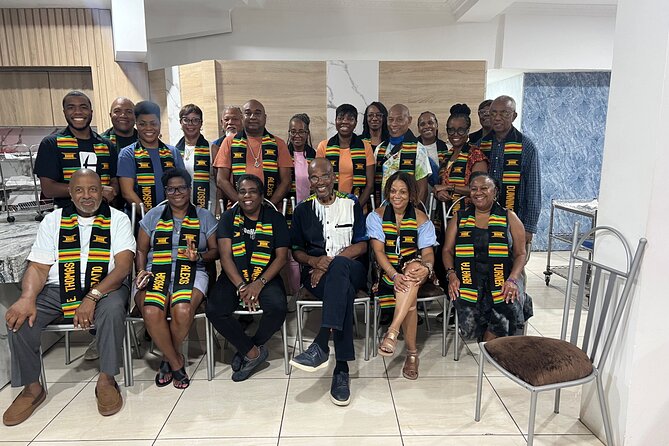
The National Museum of Ghana is your next anchor point. This museum is described as a treasure trove across archaeology, ethnography, and fine art. In other words, you’re not just looking at one theme. You’re walking through materials and objects that connect the stone age period to more recent historical past.
That range can be a lot, so I like how the stop is set for about an hour. It encourages you to focus on the main galleries rather than treating it like a full-day museum marathon.
The practical value is clear: if you’re short on time in Accra, a museum like this can compress years of Ghana’s cultural story into one manageable visit. The authenticity is in the objects themselves, not in theatre or narration.
Possible drawback: because the museum covers so much, you might feel pulled in many directions. If you’re someone who hates feeling rushed, ask your guide what to prioritize, or choose a few sections to focus on. That keeps the time meaningful.
More kitchens to cook in, and more plates to work through
Stop 5: Kwame Nkrumah Memorial Park and the 1957 Independence Shift

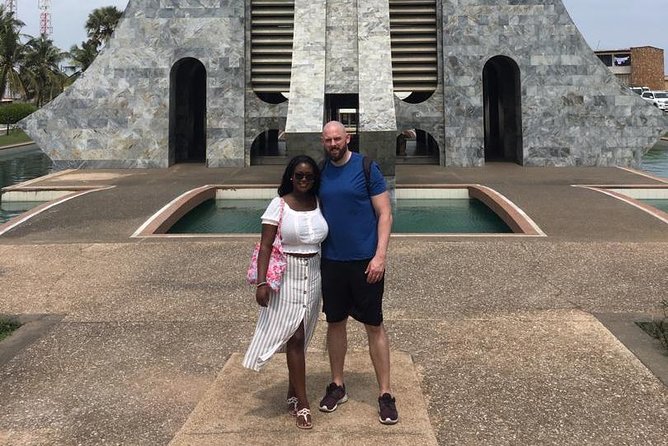
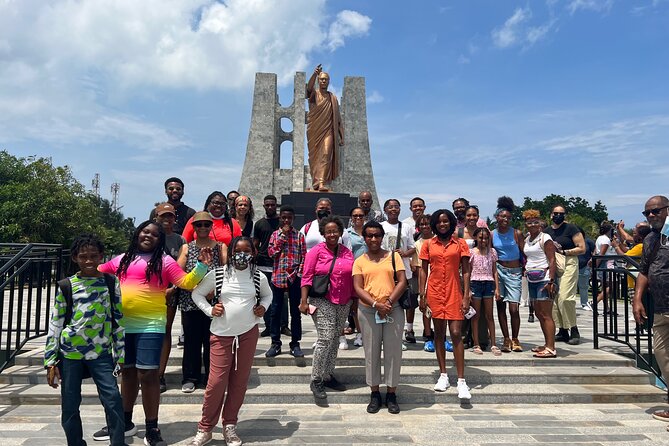
For the final stop, you head to Kwame Nkrumah Memorial Park, also known as the Kwame Nkrumah Mausoleum. This is the last resting place of Ghana’s first president, Osagyefo Dr. Kwame Nkrumah.
The dedication is tied to his campaign to liberate the Gold Coast from colonial rule, with the key date stated as 6 March 1957. That date matters. It’s the “turning point” moment that helps connect everything you’ve learned earlier into a clear national timeline.
The park’s layout is also worth noting. It covers about 5.3 acres, with the mausoleum providing a front for a statue. The museum is subterranean, and the design is described using rhythm, contrast, and harmony. That kind of design choice gives the museum a specific mood, and it separates it visually and emotionally from the mausoleum.
You’ll spend about two hours here, with admission included. That longer time makes sense. Nkrumah’s story is central, and the tour needs room for reflection, photos, and a deeper explanation of the independence movement.
One detail I appreciate from the description: the museum houses personal effects and publications of Ghana’s first president. That’s a direct connection to the human side of leadership, not just dates and political facts.
How the 5 to 9 Hours Usually Feels, and What to Bring
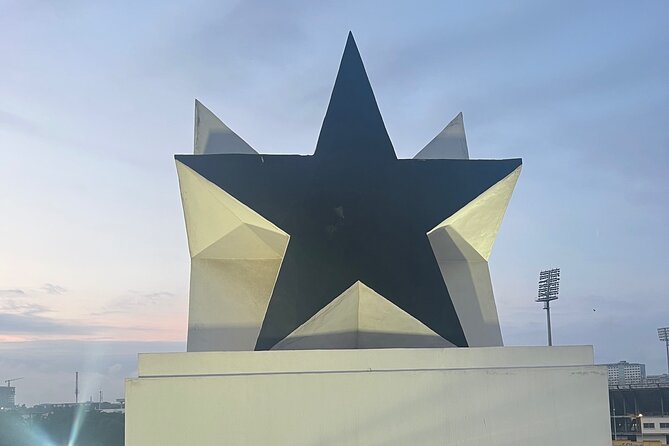
Even though the stops add up to a lot of time, the day still works because it alternates settings: museum, market, viewpoint, museum, and memorial park.
Here’s what you can plan for, realistically:
- You’ll have heavy history at the Du Bois Center and Nkrumah Memorial Park.
- You’ll get variety through the market and the lighthouse.
- You’ll likely spend extra moments stopping for photos, asking questions, and letting the guide explain what you’re looking at.
To keep the day smooth, I’d pack like it’s a long city walk. Comfortable shoes matter at markets and in museum areas. Bring sunscreen and water, especially if your day stretches toward the longer end of the schedule. If you like photography, also consider that museum lighting and outdoor viewpoints can change quickly.
Price, Value, and When $80 Makes Sense
At $80 per person for a tour that can run about 5 to 9 hours, the value depends on how you travel.
This fee makes more sense if you want:
- guided explanations at multiple key sites
- admission tickets included for W.E.B. DuBois Center, James Town Lighthouse, National Museum of Ghana, and Kwame Nkrumah Memorial Park
- a private-group feel so the day doesn’t turn into a rushed assembly line
Makola Market is the one stop noted as free, but the rest are paid sites that are folded into the overall price. That bundling is often what converts a “good idea” tour into a genuinely useful day.
Group discounts are also mentioned, which can help if you’re travelling with friends or family. If you’re solo, you still may find this is a good way to see the main history anchors without arranging separate entrances and guide time.
In short: if you care about independence-era context and pan-African connections, the price feels fair because you’re buying explanation plus access to several major sites in one organized day.
Who This Tour Fits Best in Your Travel Plans
This tour is a strong match if you:
- want a history-based day without it feeling like a lecture
- prefer a guided route through Accra’s most meaningful landmarks
- like museums, but also want a market stop and a viewpoint
- enjoy learning from locals, especially trained guides who can connect themes
It also fits well for couples and small groups since it’s private in practice, and the guide and driver can keep you moving smoothly.
One more thing: service animals are allowed, and the tour is listed as suitable for most travelers. It also notes you’re near public transportation, which can help if you’re coordinating with other plans in the city.
Final verdict: Should you book this Accra city tour?
If you want one day in Accra that connects history to place, I’d book it. The standout advantage is the pairing of storytelling with multiple high-signal locations, from the W.E.B. DuBois Center to Kwame Nkrumah Memorial Park, plus the market and lighthouse for balance.
I’d especially recommend it if you value guide quality. Reviews highlight guides like Makafui and Biney, with a driver named George, for being professional, courteous, and responsive to the group. If that matters to you, this tour reads like a good bet.
Only skip it if you want a purely relaxed, free-roam day. This is structured. You’re there to learn, see, and connect the dots.
FAQ
How long is the Accra City Tour?
The tour lasts about 5 to 9 hours.
What is the price per person?
It’s listed at $80.00 per person.
Is pickup included?
Yes, pickup is offered.
What are the main stops on the tour?
The stops are the W.E.B. DuBois Center, Makola Market, James Town Lighthouse, the National Museum of Ghana, and Kwame Nkrumah Memorial Park.
Are admission tickets included?
Admission tickets are included for the W.E.B. DuBois Center, James Town Lighthouse, the National Museum of Ghana, and Kwame Nkrumah Memorial Park.
Is Makola Market admission free?
Yes, Makola Market is listed as free for admission.
Is this a private tour?
Yes. Only your group participates.
What are the opening hours for the tour?
The tour is available Monday through Sunday from 7:00 AM to 5:00 PM, for the dates listed in the information.
Can I cancel for a full refund?
Yes, free cancellation is available. You can cancel up to 24 hours in advance for a full refund.
Are service animals allowed?
Yes, service animals are allowed.
More Ghana Tours Out of the Review Pile
- The Cape Coast Day Tour
★ 5.0 · 525 reviews - Experience the Beauty, History and the Culture Of Accra in a Day
★ 5.0 · 323 reviews - The Cape Coast Tour
★ 5.0 · 177 reviews - From Accra: Cape Coast, Elmina Castle & Kakum Park Day Tour
★ 4.6 · 144 reviews - Accra Detailed City Tour
★ 4.5 · 118 reviews
Cooking and Eating in Ghana
- Home Cooking Class by Auntie K
★ 5.0 · 62 reviews - Local Ghanaian Cooking Class in Accra to help support wellness community center
★ 4.5 · 22 reviews - Private Full-Day Ghanaian Delicacy and Dessert Tour in Accra
★ 5.0 · 13 reviews - Authentic Ghanaian Cooking Class in Accra
★ 4.5 · 11 reviews - Authentic Ghanaian Cooking Lessons and Take Out Services.
★ 5.0 · 9 reviews
Seeing Accra Another Way
- Experience the Beauty, History and the Culture Of Accra in a Day
★ 5.0 · 323 reviews - Accra Detailed City Tour
★ 4.5 · 118 reviews - Accra Guided City Tour Experience
★ 4.7 · 88 reviews - Accra Guided City Tour Experience
★ 5.0 · 76 reviews - Know Ghana in 4 hrs – Accra City Tour
★ 4.5 · 47 reviews
Latest Accra reviews added here

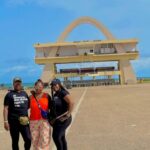
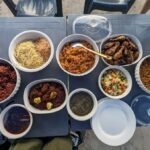


Home Cooking & Food Tasting Tours, compared.
 ★ 5.0Home Cooking Class by Auntie KFrom $8962 reviews
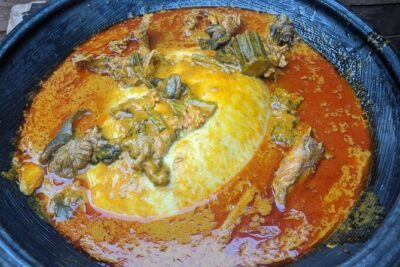 ★ 4.5Local Ghanaian Cooking Class in Accra to help support wellness community centerFrom $4522 reviews
 ★ 5.0Private Full-Day Ghanaian Delicacy and Dessert Tour in AccraFrom $31613 reviews
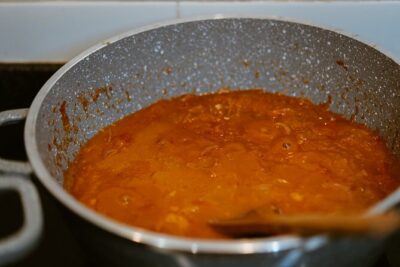 ★ 4.5Authentic Ghanaian Cooking Class in AccraFrom $10011 reviews
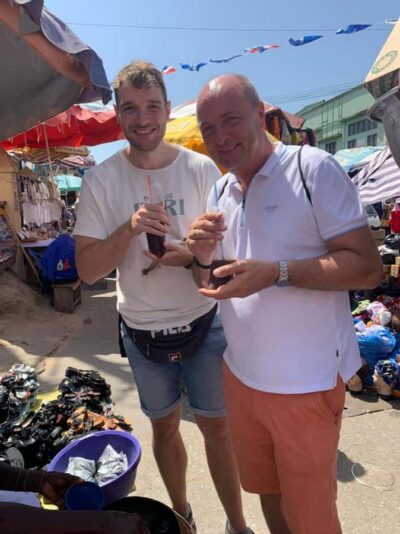 ★ 4.1Accra Street Food Tour: Makola Market Tour With Full LunchFrom $749 reviews
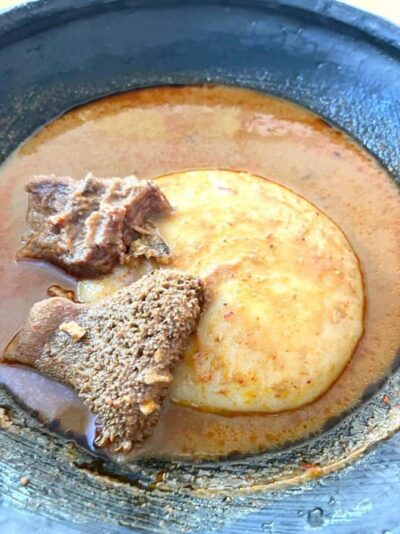 ★ 4.1Local Ghanaian Food Tasting TourFrom $1509 reviews
 ★ 5.0Authentic Ghanaian Cooking Lessons and Take Out Services.From $259 reviews
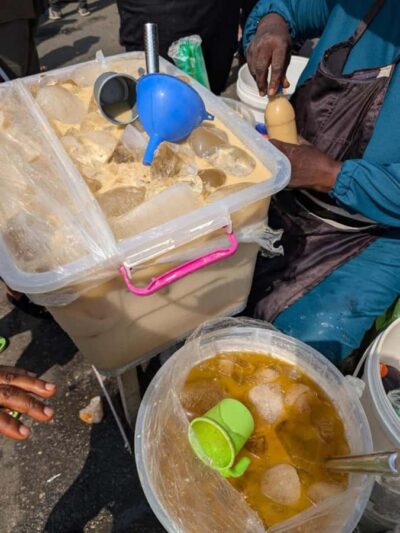 ★ 4.7Accra Street Food Tour: Osu Night Market Tour ExperienceFrom $788 reviews
Browse the lists this tour appears in