
REVIEW · OVERNIGHT & MULTI-DAY TRIPS
4 Days Cultural and Village Stay Experience
Monkeys and culture in one calm pocket of Ghana. I like how this trip pairs Ashanti palace history with real village life, then slows down at Boabeng-Fiema, where you get to watch how people and monkeys share the same spaces. You are not just looking at wildlife, you are learning the human side of the story, from how families live to how a village honors the monkeys.
The big consideration is time and pace. You’ll spend long stretches moving between places, including a 6-hour Kintampo Waterfalls day, and later you head from Boabeng-Fiema to Kumasi to catch a flight back to Accra.
In This Review
- Key highlights
- Entering Manhyia Palace and Prempeh II’s Ashanti world
- Boabeng-Fiema: watching monkeys without turning it into a circus
- The monkey priest and the Darrow Shrine connection
- A farm day with families, then Kintampo Waterfalls
- Souvenirs at the sanctuary shop, then the Kumasi to Accra transfer
- Price and logistics: is $1,107.70 good value?
- Who this trip suits best (and who might want a different style)
- Should you book this 4-day cultural and village stay?
- FAQ
- What time does the tour start?
- Is pickup available?
- How long is the experience?
- Does it require a certain fitness level?
- Is this a private tour?
- What is the cancellation policy and what happens with poor weather?
- Are admission tickets included?
Key highlights
- Manhyia Palace Museum access to the home and historic museum of the Ashanti king
- Prempeh II Jubilee Museum for focused Ashanti leadership history
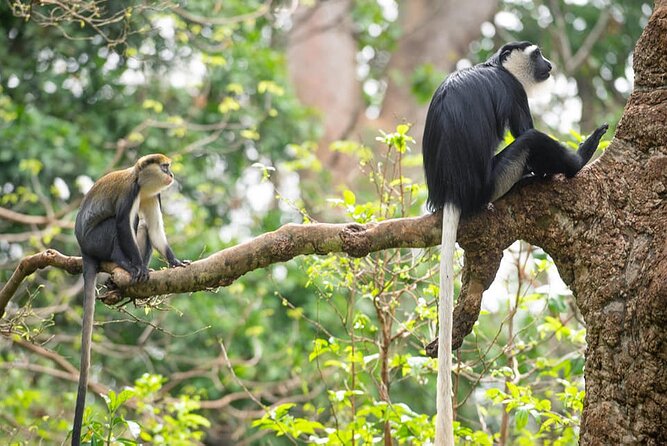
- Boabeng-Fiema monkey coexistence with Mona monkeys and Black and white Colobus monkeys
- Meeting the monkey priest linked to the Darrow Shrine and monkey care
- Village evening culture time including a community tour and traditional dance performance
- Kintampo Waterfalls in one long day after a farm visit with local families
Longer routes through Ghana, two nights and upward
- 10 Days Trip to Cape Coast and Elmina Castles from Accra★ 5.0 · 31 reviews
- 10 Days Ghana Cultural and Heritage Trip★ 5.0 · 31 reviews
- Explore Ghana Multi Day Tour★ 5.0 · 29 reviews
- Ghana City 2-day Tour★ 5.0 · 21 reviews
Entering Manhyia Palace and Prempeh II’s Ashanti world
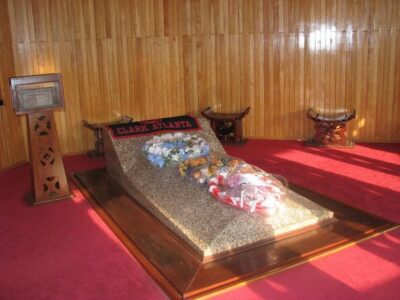
If you want Ghana culture that goes beyond the usual quick stops, this start helps a lot. You begin at Manhyia Palace Museum, which is both a residence and a museum connected to the Ashanti king. That mix matters because you are not only reading about authority, you’re seeing how monarchy and daily life sit in the same environment.
You also get time to absorb the story, about two hours here. That’s enough to walk slowly, notice what’s on display, and connect later what you hear in the village to what you saw in the palace. My advice: keep a few minutes for your own questions. If something puzzles you, ask your guide. When you do that early, the rest of the trip clicks faster.
From there, you move to Prempeh II Museum, also around two hours. This stop is about a specific Ashanti ruler, so it gives your cultural learning a clear anchor instead of being a general overview. It’s the kind of place where you’ll likely end up thinking about how leadership, tradition, and community rules shape everyday life.
A small drawback: palace museums tend to be more “indoors and exhibit-paced” than “outdoors and scenery-paced.” If you’re hoping for lots of broad views early in the morning, you’ll need to adjust your expectations. Still, the payoff is strong if you like context.
Boabeng-Fiema: watching monkeys without turning it into a circus
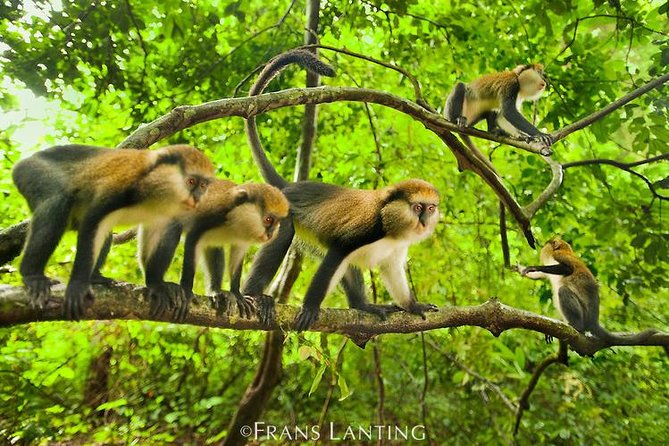
The real heart of the trip is Boabeng-Fiema, where you learn how monkeys live close to humans. You get multiple blocks of time here, so you see more than one moment. That matters because monkey behavior and village life both have rhythms, and a quick visit can only catch a few seconds.
On your first day, you spend time at Boabeng-Fiema Monkey Sanctuary learning about how people and monkeys live together “humoneously,” as the trip describes it. You’re not just being told to respect animals. You’re being guided through what coexistence looks like on the ground.
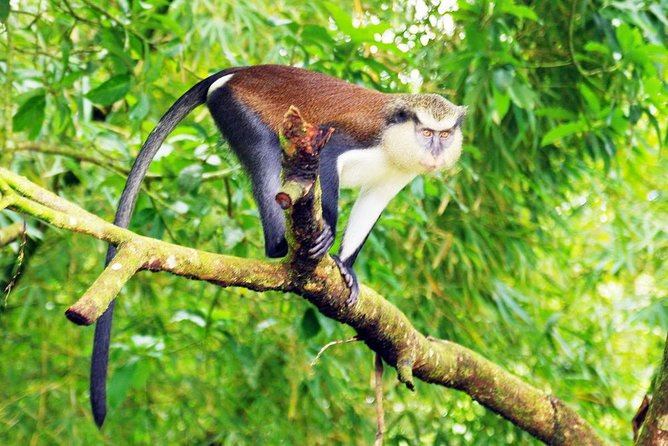
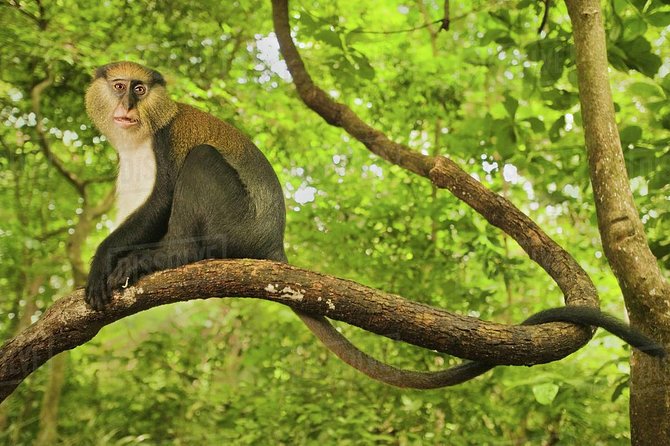
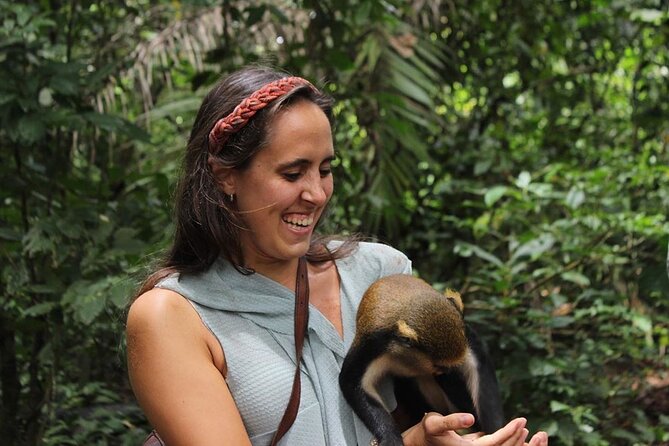
The next morning, you do a sanctuary tour focused on observing the monkeys and how they interact. You specifically watch Mona monkeys and Black and white Colobus monkeys in the same landscape. That’s a rare chance to compare how different groups behave and how they share space around people, rather than treating every sighting like the same experience.
After that, you meet a key human figure in the system: the monkey priest. The tour includes a courtesy with the monkey priest, described as the human representative of the monkeys and the caretaker of Darrow Shrine. Even if you take a practical, non-mystical view, the concept is powerful because it shows how the village organizes responsibility.
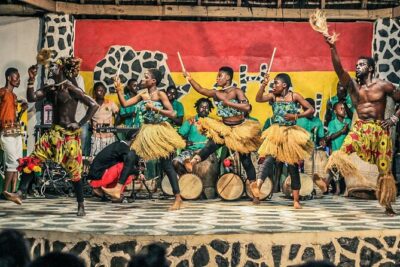
In the evening, you shift from sanctuary watching to community time. You get a community tour and a traditional dance performance by locals. I like this structure because it keeps the trip balanced. You are still in the same theme, but you are also seeing music, social life, and the village’s own way of welcoming visitors.
Practical note: you’ll likely want to keep your expectations flexible around animal behavior. You can observe, you can learn rules, but you can’t force the monkeys to act on a schedule.
The monkey priest and the Darrow Shrine connection
This is one of those parts that makes the trip feel more human and less like a standard animal encounter. You’re not only learning monkey habits, you’re learning how a community frames care, boundaries, and respect.
Your courtesy time with the monkey priest takes about two hours, which is generous. Many cultural tours rush past the people who keep traditions running, but here you get time to slow down and ask questions. If you’re the type of traveler who likes to know how things work in real life, this is a highlight.
The caretaker role at Darrow Shrine also matters for meaning. Even without extra details provided, the wording itself signals that this is an ongoing relationship, not a one-off ritual. And that helps you understand why Boabeng-Fiema has a reputation for calm, orderly coexistence.
If you’re worried this could feel overly formal or scripted, relax. The purpose is education and cultural understanding, not a performance for photos. Still, you should dress respectfully and follow your guide’s cues.
A farm day with families, then Kintampo Waterfalls
Day three turns agricultural and outdoors. After breakfast, you join one of the families on a farm to learn about crops like cashew, cassava, yam, plantain, and vegetables. This is the kind of experience that makes the cultural theme real, because food systems are culture systems.
The farm time also helps you understand why daily village life matters here. When you see how plants grow and how people work land, the sanctuary environment stops feeling like an isolated attraction and starts feeling like part of a larger community routine.
Then you travel to Kintampo Water Falls, with about six hours allocated for that stop. This is a long outing, so pace yourself. Comfortable walking shoes are a good idea, since waterfalls usually mean uneven ground, slippery spots, and standing around waiting for the best viewing moment.
What I like about pairing the farm with waterfalls is the contrast. You get a morning that feels hands-on and local, then an afternoon that’s about scenery and nature. If your Ghana trip is missing variety, this day fixes that.
The drawback is obvious: it’s a long day. If you’re someone who likes frequent breaks and short bursts of activity, plan for the fact that the day’s main chunk is outdoors and time-based.
Souvenirs at the sanctuary shop, then the Kumasi to Accra transfer
On your final morning at Boabeng-Fiema, you return for a quieter moment: the souvenir shop. You can browse monkey masks and elegant paintings. This matters more than it sounds, because it gives you a chance to bring home art that ties directly to the sanctuary theme instead of generic postcards.
After that, you leave Boabeng-Fiema for Kumasi, where you pick a flight to Accra. The transfer time is listed as about three hours, so you’re not lingering. It’s a clean finish that keeps the trip moving, but it also means you should protect your energy and avoid shopping sprees that run long.
A travel tip: keep your flight timing needs in mind. The trip says you pick your flight, but it does not state what is included in your ticket cost. Confirm what the operator covers versus what you arrange yourself.
Four-day Ghana routes
Price and logistics: is $1,107.70 good value?
This price, $1,107.70 per person for about four days, sounds steep until you look at what’s included. The tour includes pickup offered, and admission tickets are included for each listed stop. That reduces the usual “surprise fees” that can creep into multi-day cultural trips.
You’re also getting a private experience. Private usually means less time wasted negotiating logistics on the ground. It also means your guide can adjust the pace, which matters when the day includes animals, museums, and a long waterfall outing.
Here’s how I’d judge value for you: if you care about context, not just photos, the museum-to-village structure justifies the cost. If you only want to check one box, like monkeys only, you might find the spending heavy. But if you want Ashanti history plus village life plus nature, this package is built for that.
One more practical point: confirmation is received at time of booking. That’s helpful when you’re coordinating hotel plans in Accra.
Who this trip suits best (and who might want a different style)
This trip is a good fit if you want a cultural learning trip with a real village component. It includes museum time, sanctuary observation, a cultural evening with traditional dance, a farm visit with local families, and Kintampo Water Falls.
You should also be fine with moderate physical activity. The tour asks for moderate physical fitness, and that lines up with a farm visit plus a full day outdoors. If you have limited mobility or you hate stairs and uneven ground, you might want to ask the operator for specifics before booking.
This also suits travelers who like small, controlled group energy. Since it’s private and only your group participates, you are less likely to get stuck in a crowd waiting for the same photo angle.
Should you book this 4-day cultural and village stay?
I’d book it if you want more than a wildlife viewing. The repeated Boabeng-Fiema time, the sanctuary tour focused on Mona monkeys and Black and white Colobus monkeys, and the courtesy with the monkey priest all point to deeper learning. Add the Ashanti palace museums and the farm visit, and you end up with a trip that connects people, tradition, and nature in a way that’s hard to recreate on your own.
I’d think twice if you need a mostly relaxed schedule. Between museums, Boabeng-Fiema sessions, a 6-hour waterfall day, and a final transfer toward a flight back to Accra, the days are active. Also, it relies on good weather, so build in flexibility.
If you like asking questions and you appreciate respectful cultural encounters, this trip has the ingredients. And if your priorities are scenery only, you may find the cultural time takes more attention than you expected.
FAQ
What time does the tour start?
The tour starts at 8:00 am.
Is pickup available?
Yes, pickup is offered.
How long is the experience?
It lasts about 4 days (approximately).
Does it require a certain fitness level?
Yes. Travelers should have a moderate physical fitness level.
Is this a private tour?
Yes. It is a private tour/activity, and only your group will participate.
What is the cancellation policy and what happens with poor weather?
The experience is non-refundable and cannot be changed for any reason. It requires good weather, and if it’s canceled due to poor weather, you’ll be offered a different date or a full refund.
Are admission tickets included?
Yes. Admission tickets are included for the listed stops and activities.
Four Days in Ghana
- 4 Days Trip in Accra, Cape Coast,Kumasi culture & heritage tours
★ 5.0 · 5 reviews
More Ghana Tours Out of the Review Pile
- The Cape Coast Day Tour
★ 5.0 · 525 reviews - Experience the Beauty, History and the Culture Of Accra in a Day
★ 5.0 · 323 reviews - The Cape Coast Tour
★ 5.0 · 177 reviews - From Accra: Cape Coast, Elmina Castle & Kakum Park Day Tour
★ 4.6 · 144 reviews - Accra Detailed City Tour
★ 4.5 · 118 reviews
Longer Routes Through Ghana
- 10 Days Trip to Cape Coast and Elmina Castles from Accra
★ 5.0 · 31 reviews - 10 Days Ghana Cultural and Heritage Trip
★ 5.0 · 31 reviews - Explore Ghana Multi Day Tour
★ 5.0 · 29 reviews - Ghana City 2-day Tour
★ 5.0 · 21 reviews - 2-Day Private Tour to the Mount Afadjato and Wli Waterfalls
★ 5.0 · 17 reviews
Latest Accra reviews added here

Overnight & Multi-Day Trips, compared.
 ★ 4.55 Days Adventurous Wildlife SafariFrom $92249 reviews
 ★ 5.010 Days Ghana Cultural and Heritage TripFrom $3,50031 reviews
 ★ 5.010 Days Trip to Cape Coast and Elmina Castles from AccraFrom $4,69531 reviews
 ★ 5.0Explore Ghana Multi Day TourFrom $2,70529 reviews
 ★ 5.0Ghana City 2-day TourFrom $30721 reviews
 ★ 5.07-Day Private Cultural and Heritage Tour in GhanaFrom $1,99817 reviews
 ★ 5.02-Day Private Tour to the Mount Afadjato and Wli WaterfallsFrom $46417 reviews
 ★ 5.0Volta Region 3 Days 2 nights Nature Private TourFrom $70011 reviews
Browse the lists this tour appears in