REVIEW · GHANA
Accra E-waste and Recycling experience in Agbogbloshie
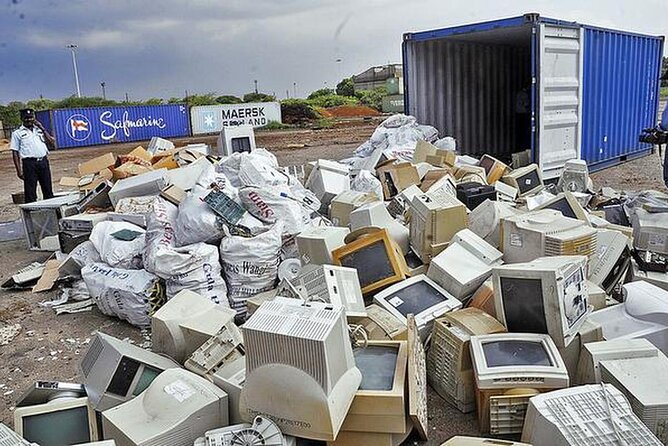
E-waste has a face in Accra. This short, guided outing links Makola Market to Agbogbloshie, the famous Old Fadama scrap site, so you get context for how electronics end up where they do.
I love the built-in pickup from your accommodation and the simple plan that moves you from a regular street market world to an industrial recycling site without you needing to figure anything out. I also like that admission tickets are included, so you can focus on the experience instead of adding extra costs mid-trip.
One consideration: the Agbogbloshie area can feel intense. Expect heavy industrial sights and, at times, smoke and fumes, so if you dislike gritty, hazardous environments, this might be tough.
In This Review
- Key highlights before you go
- Makola Market: a one-hour primer to Accra’s everyday economy
- Old Fadama Agbogbloshie: what e-waste recycling looks like up close
- The guides bring it from scraps to meaning
- Walking, driving, and the reality of “2 to 3 hours”
- Cost and value: is $80 worth it for this kind of visit?
- What you should expect to feel and see at Agbogbloshie
- Who this tour suits best in Accra
- Should you book this Accra e-waste and recycling tour?
- FAQ
- How long is the Accra e-waste and recycling experience?
- What stops are included?
- Do you get picked up from your accommodation?
- Is the admission ticket included in the price?
- Is this a private tour or shared with other groups?
- Are service animals allowed?
- What is the cancellation policy for a full refund?
Key highlights before you go

- Agbogbloshie is Ghana’s largest e-waste recycling and disposal center, and the tour shows the scale in a direct way.
- Makola Market sets the stage with an hour of walking and people-watching in Accra’s trading heart.
- You get a guide and Q&A time, with tours led by people such as Kwame, Daniel, and Sadik Aweisu in past groups.
- It is a private experience for your group, with a mobile ticket and group discount option.
- The visit stays short, about 2 to 3 hours, so it fits into most Accra itineraries.
Still deciding? Here are other Accra tours we have written up.
- The Cape Coast Day Tour★ 5.0 · 525 reviews
- Experience the Beauty, History and the Culture Of Accra in a Day★ 5.0 · 323 reviews
- The Cape Coast Tour★ 5.0 · 177 reviews
- From Accra: Cape Coast, Elmina Castle & Kakum Park Day Tour★ 4.6 · 144 reviews
Makola Market: a one-hour primer to Accra’s everyday economy

You start with Makola Market, one of Accra’s best-known shopping districts. The feel is classic city market energy, with a mix of indoor spaces and open-air areas, plus plenty of foot traffic and casual deals happening around you as you walk past.
This first stop matters because it reminds you that these products start as normal consumer goods. You can take pictures, watch the flow of people, and if you want, shop for something small before you head toward the scrap site. The tour includes a 1-hour time block here, and an admission ticket is included as part of the experience.
The only drawback with a market opener is that it is easy to feel like you missed half the fun if you treat it like a quick hallway. My advice: give yourself permission to slow down for a few photos and a short look at what people are buying and selling, then move on when the group is ready.
Old Fadama Agbogbloshie: what e-waste recycling looks like up close
Then comes the main event, Old Fadama, also known as Agbogbloshie. This is described as Ghana’s largest center for electronic waste recycling and disposal, and that claim sets expectations for scale. The site is where discarded electronics are dismantled and valuable materials are recovered.
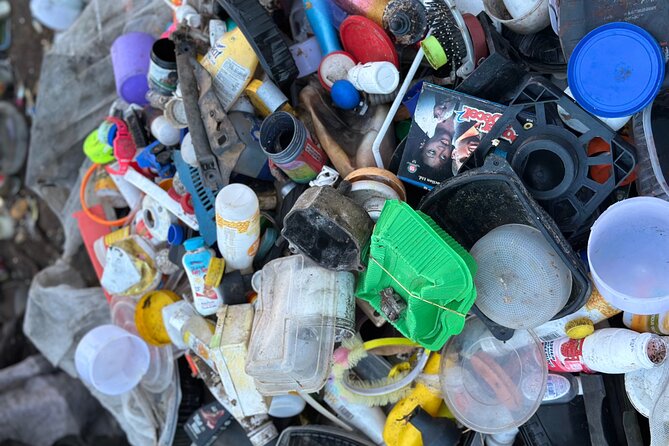
In practical terms, the tour is built as a mix of driving and walking, so you can get your bearings while still spending real time on foot. At this stop, you are not just looking at “a place.” You are watching a working system: people manually break down electronics to recover metals and other components, and open processes may be part of what you see onsite.
Here is what the experience tends to emphasize most:
- manual dismantling of devices to extract usable parts and materials
- the sense of labor intensity, with people working in active zones
- the uncomfortable side of the process, including fires and fumes from materials being burned in open settings
That last point is the reason the tour is both educational and emotionally heavy. You get a clearer view of the tradeoff between material recovery and environmental harm, and you see how those two realities sit right next to each other in the real world.
The guides bring it from scraps to meaning
This tour is led by a guide who stays with your group and answers questions as you go. The guides in past groups included people named Kwame, Daniel, and Sadik Aweisu, and the common thread in their approach is that they connect what you are seeing with what e-waste actually means.
What I like about this style is that it turns a difficult site into a teachable moment. Instead of you just noticing the hardest parts, you can ask why certain steps happen, what materials people look for, and how the whole system affects the community around the scrapyard.
A smart way to use the guide’s time: bring one or two questions about the recycling process you care about most. For example, ask about what makes certain metals valuable, or how workers decide what to salvage first. If you keep it simple, the answers tend to be easier to follow in a place that already feels visually loud.
Walking, driving, and the reality of “2 to 3 hours”

The total experience is about 2 to 3 hours. That short window is one of the best parts for many visitors, because you can get the core message without burning a whole afternoon.
You start with Makola Market for about an hour, walking past key areas while you get a feel for everyday commerce. Then you spend about two hours around Agbogbloshie, with the mix of driving and walking designed to help you move through the area without getting lost in the logistics.
Because the environment at the scrapyard can be physically uncomfortable, plan your body for it. Wear closed-toe shoes and clothes you can handle getting dusty. If you are sensitive to smells or smoke, keep that in mind before booking. The tour is not framed as gentle sightseeing, it is framed as an on-the-ground look at what happens to electronics.
Cost and value: is $80 worth it for this kind of visit?
The price is $80 per person. For a trip this short, the question is not only what you do, it is what the price includes and what you gain from the structure.
From what is included, you are getting:
- a guided experience with Q&A
- pickup offered from your accommodation and transport into the area
- admission tickets included for the stops
- a private setup, meaning it is only your group
- a mobile ticket, plus group discount availability
For many people, the value comes from the “private guide plus two very different settings” combo. You are not just paying for transport. You are paying for interpretation. In a topic like e-waste, context changes everything, and the tour is designed to give you that context.
What the price does not include is the emotional weight of what you will see. That sounds obvious, but it matters: if you come in expecting a light eco-tour, you may feel blindsided. If you come in wanting facts, tradeoffs, and lived reality, then the $80 buys a direct, memorable lesson that is hard to get any other way in Accra.




What you should expect to feel and see at Agbogbloshie
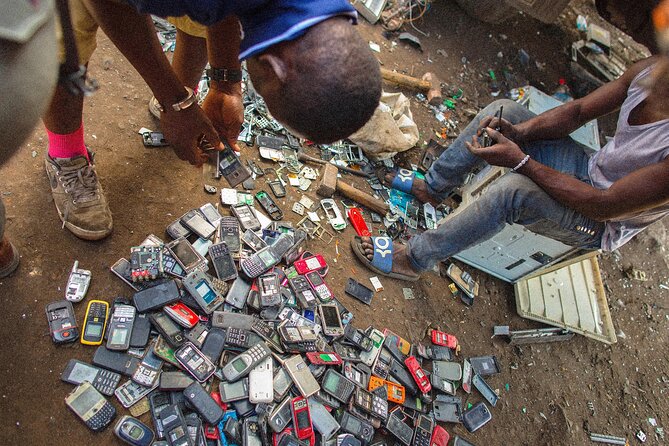
Let’s be honest about atmosphere. The site is active and industrial. In descriptions shared by people who took the tour, the scrapyard experience includes overwhelmed senses: loud activity, visible open burning, and a strong chemical smell. You may also notice workers stripping electronics and recovering valuable materials like copper.
This is why I call the tour educational, but not comfortable. It can be impressive to watch people skillfully recover usable components, and at the same time concerning to witness environmental harm happening in plain sight.
A balanced takeaway is part of the point. The workers’ work shows real ingenuity and survival. The conditions show why global e-waste policies and local waste management matter. When you leave, you are likely to connect your own device habits to the bigger chain of events.
If you want to reduce discomfort without turning the experience into denial, choose your pace. Spend time listening to the guide before focusing only on visuals. You will understand more, and you will feel less like you are just being hit with sensory overload.
Who this tour suits best in Accra

This is best for you if you:
- care about sustainability beyond slogans
- want to understand where discarded electronics go
- enjoy guided interpretation in places that are not made for casual tourism
It can also work well for visitors who like a structured half-day plan. You get the Makola Market start, then a focused look at the scrapyard. Most people can participate, but if you are very uncomfortable around smoke, fumes, or hazardous-looking industrial activity, this may not be your style.
You do not need to be an electronics expert either. The guides handle the explanations, and the tour is designed around walking and driving that keeps you moving through the space with someone who can answer questions.
Should you book this Accra e-waste and recycling tour?

Book it if you want a real-world look at e-waste in Ghana, and you are ready for a visit that is both educational and emotionally tough. The combination of Makola Market + Agbogbloshie, plus a guide who answers questions, is a strong value for the money.
Skip it if you want a soft, comfortable “green” experience or if you know you struggle with industrial fumes and open burning. This tour is not hiding the hard parts, and that is exactly why it matters.
If you are on the fence, use this filter: do you want to understand the chain from electronics to disposal? If yes, this is one of the most direct ways to do it while you are in Accra.
FAQ
How long is the Accra e-waste and recycling experience?
It lasts about 2 to 3 hours.
What stops are included?
You visit Makola Market and then Old Fadama (Agbogbloshie).
Do you get picked up from your accommodation?
Yes, pickup is offered. The activity ends back at the meeting point.
Is the admission ticket included in the price?
Yes. Admission tickets are included for both stops.
Is this a private tour or shared with other groups?
It is private. Only your group participates.
Are service animals allowed?
Yes, service animals are allowed.
What is the cancellation policy for a full refund?
You can cancel up to 24 hours in advance for a full refund.
More Ghana Tours Out of the Review Pile
- The Cape Coast Day Tour
★ 5.0 · 525 reviews - Experience the Beauty, History and the Culture Of Accra in a Day
★ 5.0 · 323 reviews - The Cape Coast Tour
★ 5.0 · 177 reviews - From Accra: Cape Coast, Elmina Castle & Kakum Park Day Tour
★ 4.6 · 144 reviews - Accra Detailed City Tour
★ 4.5 · 118 reviews