
REVIEW · ACCRA SIGHTSEEING TOURS
Accra City Tour
Accra has a way of sticking in your mind. This private city tour pairs key landmarks with hands-on culture, from Kwame Nkrumah sites to a craft market where you can practice bargaining, all with an English or French speaking guide. The route is built for real context, not just photo stops.
I especially like that you get comfort and structure at the same time, with an air-conditioned vehicle and timed visits that keep the day moving. I also like the shopping angle, since the Center for National Culture is a practical place to buy local products and souvenirs with guidance on how to negotiate.
One consideration: the tour depends on good weather, and you’ll want a moderate fitness level for walking around parks and markets, even though the overall pace is manageable.
In This Review
- Key things you should know before you go
- How the Accra City Tour Helps You Read the City Fast
- Meeting at Movenpick Ambassador AccraRidge and Starting at 9:00 am
- Kwame Nkrumah Memorial Park: Mausoleum Time and What It Represents
- Independence Square: A Photo Spot with a Ceremonial Job
- The Unique Caskets Shop: When Afterlife Beliefs Meet Daily Jobs
- Old Accra by Car: Dutch and British Areas, Plus Surviving Forts
- Center for National Culture: Arts and Crafts Market Shopping with Real Help
- Guide Quality and the Private-Tour Advantage
- Price and Value: Is $150 a Smart Use of Your Time?
- What Your Day Feels Like From Stop to Stop
- Small Practical Tips You Can Use on the Ground
- Should You Book This Accra City Tour?
- FAQ
- How much does the Accra City Tour cost?
- Where does the tour start?
- What time does the tour begin?
- How long is the tour?
- Is pickup included?
- What language is the guide?
- Are admission tickets included?
- What is included in the price?
- What is not included?
- What is the cancellation policy?
- Does the tour run in any weather?
Key things you should know before you go
- Private tour pace: only your group joins, so you can spend a little more time where you care most
- Most admission fees included: key stops come with tickets (and one major shop visit is free)
- Old Accra by car: you see Dutch and British quarters plus surviving forts from the colonial era
- Caskets with meaning: the workshop stop connects African afterlife beliefs to everyday jobs
- Bargaining support: your guide helps you shop smarter at the Center for National Culture market
- Pickup at Movenpick Ambassador Hotel AccraRidge: starts smoothly right from a central meeting point
Other ways to see Accra, from half-day loops to full-day drives
- Experience the Beauty, History and the Culture Of Accra in a Day★ 5.0 · 323 reviews
- Accra Detailed City Tour★ 4.5 · 118 reviews
- Accra Guided City Tour Experience★ 4.7 · 88 reviews
- Accra Guided City Tour Experience★ 5.0 · 76 reviews
How the Accra City Tour Helps You Read the City Fast
Accra can feel like it is changing street by street. That is exactly why this kind of guided loop works. You see ceremonial sites, colonial-era reminders, and modern culture in a sequence that makes the city easier to understand.
I like that the tour does more than point at landmarks. It explains why they matter, so a place like Independence Square is not just a pretty backdrop. Your guide also gives you a real-life framework for shopping, which turns the arts and crafts market into an experience instead of a chore.
If you are the type who enjoys learning while still having room to ask questions, you’ll probably enjoy the guide-led pacing. And if you travel with kids, it is worth knowing that the tour experience has a strong family-friendly feel, thanks to guides who know how to keep things clear and friendly.
Meeting at Movenpick Ambassador AccraRidge and Starting at 9:00 am
The tour starts at Movenpick Ambassador Hotel AccraRidge on Independence Avenue. That is a solid anchor point because it is easy to find and it keeps your morning stress low.
You start at 9:00 am, and the day is flexible. The schedule can run from 2 to 6 hours, depending on how your group wants to move, time needed at stops, and the rhythm of the market visit. If you like a morning plan with some breathing room later, this range helps.
Because the tour ends back at the meeting point, you do not have to worry about transportation at the close. You also get pickup offered, which helps if you are staying somewhere else in central Accra.
Kwame Nkrumah Memorial Park: Mausoleum Time and What It Represents
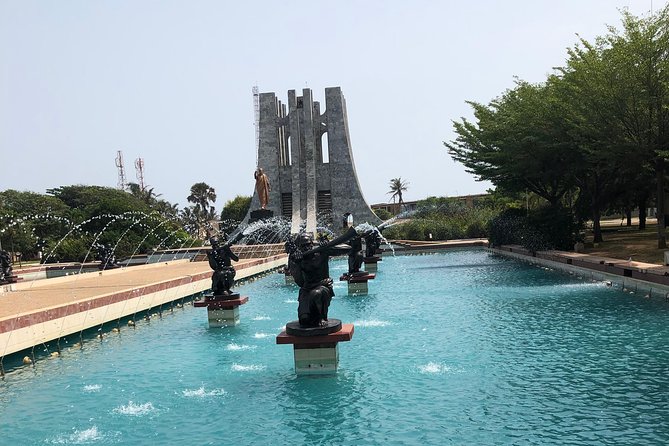
Your first major stop is Kwame Nkrumah Memorial Park, including the Kwame Nkrumah Mausoleum and Park. This is the final resting place of Ghana’s first President, Dr. Kwame Nkrumah. The mausoleum has also been visited by world dignitaries, which gives the site an international gravity.
The scheduled time here is about 45 minutes, and the admission ticket is included. That matters because it lets you focus on what you are seeing instead of hunting for extra payments mid-tour.
What makes this stop worth your time is how it connects national identity to a specific person and a specific place. If you want the city to feel meaningful, this is a strong starting point. You get context early, and it changes how you read the rest of Accra as the tour moves from independence themes to cultural expression.
A practical note: parks are usually open-air with some walking involved. Even with moderate fitness expectations, plan for some steps and changing light, so wear shoes that can handle uneven ground.
Independence Square: A Photo Spot with a Ceremonial Job
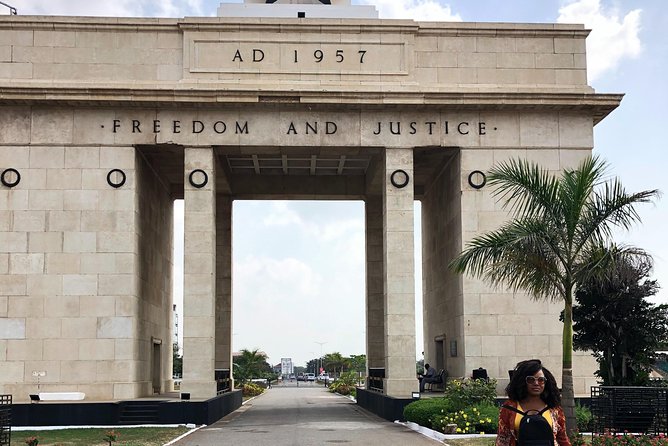
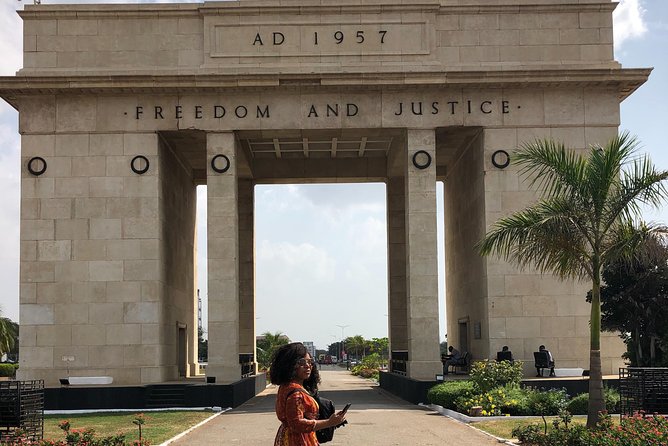
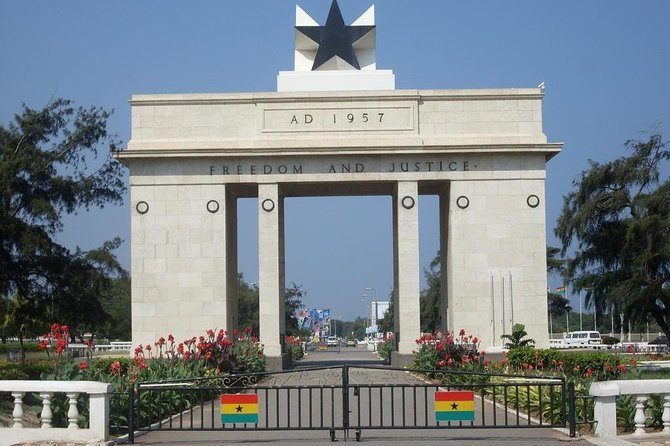
Next comes Independence Square, Accra’s open-air ceremonial grounds. This is where national celebrations happen, so even if you only spend about 20 minutes, you are in a place built for big moments.
The stop is timed for a photo opportunity, and admission is included. So you do not lose time figuring out access. The square’s layout and setting also make it an easy place to ask your guide questions, since the area itself supports the storytelling.
If you care about history but you do not want a long museum day, this stop is a good middle ground. You get meaning without burning half your afternoon.
Try to take a breath here before you move on. Independence Square tends to make the rest of the tour feel more connected, because you understand the national celebration framework before you see the older colonial forts and the craft culture.
The Unique Caskets Shop: When Afterlife Beliefs Meet Daily Jobs
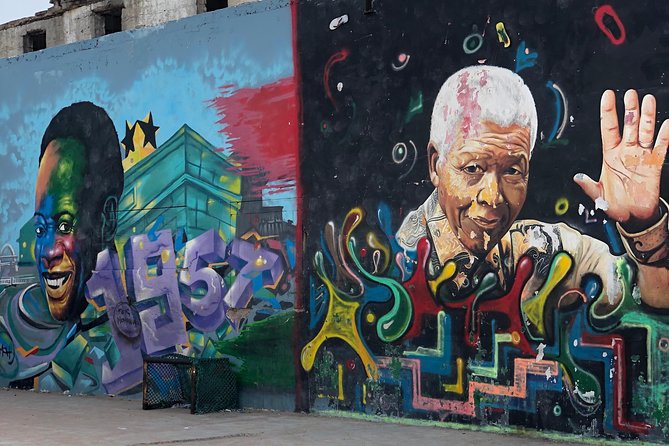
One of the most memorable stops is a visit to the caskets shop, where caskets are produced based on the belief in life after death. This is not just a craft display. It is a way of thinking made physical.
The designs reflect the earthly profession of the deceased. A bus driver might be buried in a bus-shaped casket. A teacher might be placed in a book-themed casket. A doctor might be shown through a syringe motif, and so on. It turns a funeral object into a symbolic continuation.
You’ll spend about 30 minutes, and admission is free. That is a great value for a stop that can feel deeply personal even if you are just watching the process.
Why it works on a city tour: it gives you a culture lens you might not get from landmarks alone. Instead of seeing history only through stone and monuments, you see how people carry beliefs into everyday material art.
If you are shopping later, this stop can also help you understand what to look for. It makes the market feel more intentional, not random souvenir browsing.
City runs in other Ghanaian towns

Old Accra by Car: Dutch and British Areas, Plus Surviving Forts
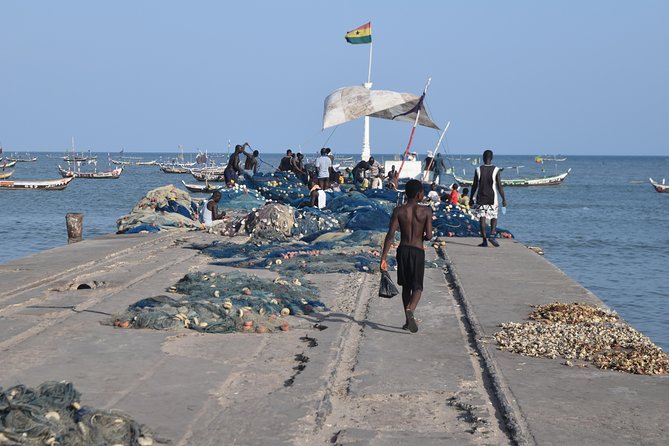
A big part of the tour is the drive through Old Accra, which is divided into Dutch and British areas due to European nations operating from different locations within a small township. Even if you do not stop for long here, the car route gives you a clear overview of how the older city geography shaped where power sat.
You’ll drive past James Fort, built by the British in 1662, as well as Old Accra Square and the Post Office. You will also pass Ussher Fort, one of three European forts in Accra that have survived over time.
This segment is valuable because it gives you a mental map. When you see fort locations from the road and hear what they used to represent, the city starts to make sense beyond what any single building can teach you.
The drive-by format has a tradeoff. You cannot expect to get deep inside every structure just from passing. But in a 2 to 6 hour tour window, it is a smart way to cover ground while keeping the full day feeling manageable.
Center for National Culture: Arts and Crafts Market Shopping with Real Help

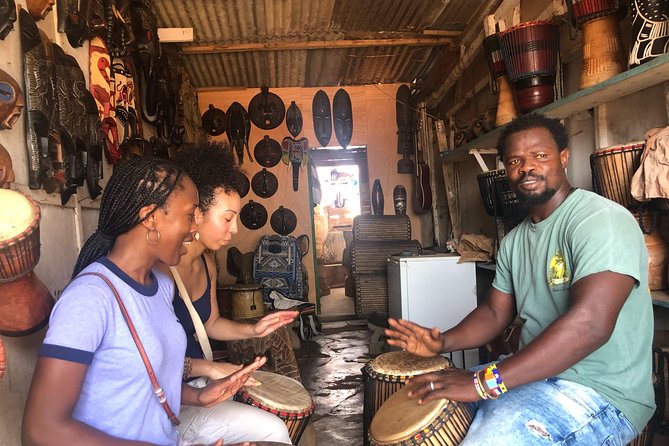
The final stop is the Center for National Culture, with the Arts and Crafts market as the key focus. This is where the tour turns into action, since you can try bargaining directly with local vendors.
The time here is about 45 minutes, and admission is included. That helps you keep your spending controlled, since the market part of the day is where money decisions happen.
Your guide is there for more than translation. They help you understand bargaining basics, which can be the difference between buying a good item and feeling like you got swept by the moment. You can also learn what is actually worth asking for, based on the guide’s sense of what each vendor sells.
One reason I like this kind of stop for visitors: it is practical. You are not just collecting a few souvenirs. You are getting an introduction to how local trade works in this setting, and you leave with at least some guidance on what a fair price conversation sounds like.
If you want the market to feel fun, go in with a short list in mind. Otherwise, you can end up with regret later. With your guide’s help, you can keep the shopping part efficient.
Guide Quality and the Private-Tour Advantage
This is a private tour, meaning only your group participates. That small detail changes everything. You are not sharing your time with strangers who might want to sprint through photos or stay ten extra minutes in the wrong place.
Your guide speaks English or French (based on what is arranged for your group). And the vehicle is air-conditioned, which matters in Accra’s heat when you are moving between sites and getting out for shorter visits.
The best kind of guides do two things well. They explain what you are seeing, and they keep the mood friendly. One of the strongest notes from past experiences is how guides can be especially great with children, making the tour feel family-friendly without turning it into a rushed adult-only lesson.
If you like your travel days to feel calm and guided rather than chaotic, you’ll likely appreciate the pacing and the personal attention.
Price and Value: Is $150 a Smart Use of Your Time?
At $150 per person, this is not a budget-bus sightseeing deal. It is priced like a value-focused private day, and you should judge it by what you get included.
Here is the value logic that makes this price easier to stomach:
- Pickup and an air-conditioned vehicle are included, which saves time and hassle
- All fees and taxes are included
- A guided experience is included in English or French
- Admission tickets are included for key stops like Kwame Nkrumah Memorial Park, Independence Square, and the Center for National Culture
- The caskets shop stop is free, so one of the more unusual cultural stops does not add extra cost
What you are really paying for is the combination of smooth logistics and interpretation. A private guide helps you connect dots across forts, ceremonial squares, and craft culture. Without that, you could technically DIY these locations, but you would spend more time figuring out access and how to read what you are seeing.
Duration also affects value. If you choose a shorter plan closer to the 2-hour side, it can feel like a focused hit list. If you lean toward the full time window, you get more room for shopping and questions. The flexible length helps you match your travel style.
What Your Day Feels Like From Stop to Stop
This tour has a clear rhythm:
- Start with a national figure and a meaningful site.
- Move into a ceremonial location tied to celebrations.
- Add a culture stop that is unusual and hands-on in meaning, the caskets workshop.
- Cover colonial-era geography with a car route through Old Accra and surviving forts.
- Finish with crafts shopping where you can bargain with a guide’s help.
That sequence keeps the day from turning into a collection of unrelated facts. By the time you get to the market, you already understand the national identity themes, and you are ready to appreciate craft objects as culture, not just items for sale.
If you have limited time in Accra, this pacing is also a good way to get your bearings fast.
Small Practical Tips You Can Use on the Ground
A few practical points come straight from how the tour is set up:
- The tour requires good weather, so if the day looks rainy or stormy, plan to bring a rain-friendly mindset.
- You should have a moderate physical fitness level, since you will be in parks and markets where walking happens.
- Service animals are allowed, so if you travel with one, you can bring it.
- The tour is near public transportation, which can help if you need an alternate plan.
- Food is not included, so if you need lunch or a snack, you’ll have to handle it on your own.
If you want your shopping stop to go smoothly, come ready to ask questions. Your guide can help you understand how to negotiate and how to spot what you actually want to take home.
Should You Book This Accra City Tour?
I think this tour is a smart choice if you want a guided sampler that covers the big ideas of Accra: national history, colonial remnants, and cultural craft life. The value is strongest when you take advantage of what is included, especially the admission tickets and the market bargaining support.
You might skip it if you prefer total freedom without a schedule, or if you already have a very specific plan for forts and museums and do not care about market shopping. In that case, a DIY day might feel better.
But if you want a private, guided, comfortable way to see major landmarks and still come away with local purchases and cultural context, this is one of the more efficient ways to spend a short stay in Accra.
FAQ
How much does the Accra City Tour cost?
It is $150.00 per person.
Where does the tour start?
The tour starts at Movenpick Ambassador Hotel AccraRidge, Pmb Ct 343, Independence Ave, Accra, Ghana.
What time does the tour begin?
The start time is 9:00 am.
How long is the tour?
The duration is approximately 2 to 6 hours.
Is pickup included?
Pickup is offered.
What language is the guide?
The tour includes an experience English/French speaking tour guide.
Are admission tickets included?
Admission tickets are included for Kwame Nkrumah Memorial Park, Independence Square, and the Center for National Culture. The caskets shop visit is free.
What is included in the price?
Included items are an air-conditioned vehicle, all fees and taxes, and the English/French speaking tour guide.
What is not included?
Lunch, alcoholic beverages, soda/pop, dinner, and coffee or tea are not included.
What is the cancellation policy?
You can cancel for a full refund if you cancel up to 24 hours in advance. If you cancel less than 24 hours before the start time, the amount paid is not refunded.
Does the tour run in any weather?
The experience requires good weather. If it is canceled due to poor weather, you will be offered a different date or a full refund.
A Wider Spread of Ghana Tours
- The Cape Coast Day Tour
★ 5.0 · 525 reviews - The Cape Coast Tour
★ 5.0 · 177 reviews - From Accra: Cape Coast, Elmina Castle & Kakum Park Day Tour
★ 4.6 · 144 reviews - Accra Detailed City Tour
★ 4.5 · 118 reviews - Accra Guided City Tour Experience
★ 4.7 · 88 reviews
More Ghana Tours Out of the Review Pile
- The Cape Coast Day Tour
★ 5.0 · 525 reviews - Experience the Beauty, History and the Culture Of Accra in a Day
★ 5.0 · 323 reviews - The Cape Coast Tour
★ 5.0 · 177 reviews - From Accra: Cape Coast, Elmina Castle & Kakum Park Day Tour
★ 4.6 · 144 reviews - Accra Detailed City Tour
★ 4.5 · 118 reviews
Seeing Accra Another Way
- Experience the Beauty, History and the Culture Of Accra in a Day
★ 5.0 · 323 reviews - Accra Detailed City Tour
★ 4.5 · 118 reviews - Accra Guided City Tour Experience
★ 4.7 · 88 reviews - Accra Guided City Tour Experience
★ 5.0 · 76 reviews - Know Ghana in 4 hrs – Accra City Tour
★ 4.5 · 47 reviews
Latest Accra reviews added here






Accra Sightseeing Tours, compared.
 ★ 5.0Experience the Beauty, History and the Culture Of Accra in a DayFrom $80323 reviews
 ★ 4.5Accra Detailed City TourFrom $80118 reviews
 ★ 4.7Accra Guided City Tour ExperienceFrom $4588 reviews
★ 5.0Accra Guided City Tour ExperienceFrom $7076 reviews
★ 4.7Accra Guided City Tour ExperienceFrom $4588 reviews
★ 5.0Accra Guided City Tour ExperienceFrom $7076 reviews
 ★ 4.5Know Ghana in 4 hrs – Accra City TourFrom $10047 reviews
 ★ 4.5Guided City Tour with LunchFrom $10640 reviews
 ★ 4.5Escape Accra City to Aburi Gardens and Tetteh Quarshie Cocoa FarmsFrom $17032 reviews
 ★ 4.7ACCRA GUIDED CITY TOUR, GHANAFrom $13029 reviews
Browse the lists this tour appears in