
REVIEW · CAPE COAST CASTLE TOURS
Accra and Cape Coast Escape
Two days in Ghana can change how you see the world. This Accra and Cape Coast escape blends rainforest time at Kakum National Park with two of the most important forts connected to the transatlantic slave trade. You also get a full day back in Accra for major cultural sites like the W.E.B. DuBois Center and Kwame Nkrumah’s memorial. The main thing to plan for is an emotionally heavy history day, plus a long drive that can make the schedule feel packed.
I like that the trip keeps the structure simple: you’re picked up in Accra, admission tickets are included, and you have guide support at every step. The one possible drawback is that lunch and meals are not included, so you’ll want to budget day-by-day and stay flexible if the timing shifts.
In This Review
- Key points at a glance
- The big idea: nature plus history, without the fluff
- Price and value, what you actually get for $250
- Getting to Kakum: plan for the long ride and the timing
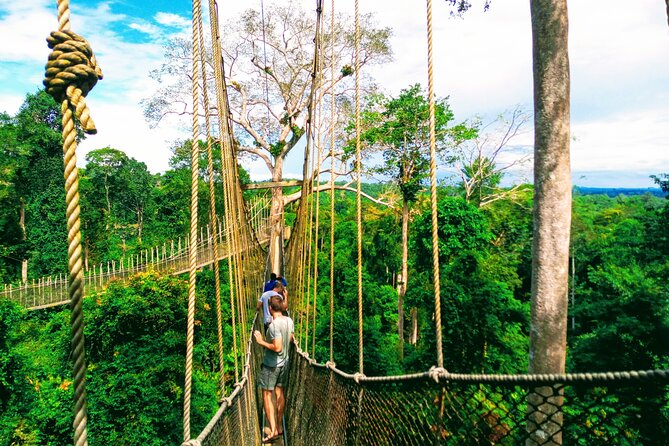
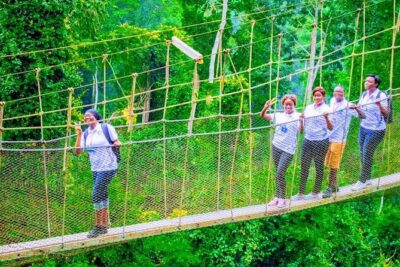
- Kakum National Park and the 30-meter canopy walkway
- Elmina Castle: Portuguese trade origins and the slave-trade route
- Cape Coast Castle: larger forts, harder questions
- How Day 2 shifts to identity, culture, and independence
- W.E.B. DuBois Center: Pan-Africanism with a personal story
- Kwame Nkrumah Memorial Park and the story behind the square
- Center for National Culture: what to buy and how to spend 30 minutes well
- Small practical notes that make a big difference
- Who this tour suits best (and who should think twice)
- Should you book Accra and Cape Coast Escape?
- FAQ
- How long is the Accra and Cape Coast Escape tour?
- What are the main stops included in the tour?
- Are hotel pickup and drop-off included?
- Are entrance fees included?
- Are meals included?
- Is accommodation included?
- How large is the group?
- What happens if weather is poor?
- Can I get a full refund if I cancel?
Key points at a glance
- Kakum National Park canopy time plus a treetop view from a walkway 30 meters above the forest floor
- Elmina Castle and Cape Coast Castle focused on the routes tied to the Atlantic slave trade
- Accra’s major monuments in one day, including Du Bois and Nkrumah sites
- Center for National Culture shopping, with Kente, wood carvings, and fashion accessories
- Small-enough group size for a max of 40 people, with guide support throughout
- All major admission fees included, so you can avoid surprise ticket costs
Other trips down to Cape Coast, side by side
- The Cape Coast Day Tour★ 5.0 · 525 reviews
- From Accra: Cape Coast, Elmina Castle & Kakum Park Day Tour★ 4.6 · 144 reviews
- Accra To Cape Coast And Elmina Day Tour★ 5.0 · 75 reviews
- Cape Coast ,Elmina Castle and Kakum Full-Day Tour★ 5.0 · 62 reviews
The big idea: nature plus history, without the fluff
This is a smart two-day format if you want both sides of Ghana in one trip. Day one balances rainforest sights at Kakum with the hard facts of the Portuguese and other European trading posts that became part of the Atlantic slave trade story. Day two switches gears to modern Ghana and pan-African thinking, with museums and monuments that help you connect the dots between colonial rule and independence.
What makes it work for you is that it is not just “see a place.” You move through locations with guided context, then you finish each day with time that feels useful, like the canopy walk and the arts-and-crafts market.
Price and value, what you actually get for $250
At $250 per person, the value depends on how you travel and what you’d otherwise pay on your own. Here, you get local transportation, hotel pickup and drop-off within Accra, and entrance fees to all scheduled sites. You also get guide support, fuel charges, and taxes, which are often the hidden costs when you piece together a custom route.
What is not included is the stuff that really matters in daily comfort: meals and accommodation. If you are eating on your own, you’ll want to have Ghana cedi budgeted for lunch and any snacks during long drives. Also, since this runs about two days, the trip is likely to feel like a “full plate,” not a relaxed weekend.
Getting to Kakum: plan for the long ride and the timing
The Kakum National Park segment starts from Accra, and the drive can take time. Based on how the day tends to run, expect a long stretch that may feel like roughly 4 hours of driving each way depending on conditions. That matters because it changes how you should pack your day: bring water, keep your phone charged, and wear shoes that can handle a humid outdoor day.
Once you arrive, the payoff is immediate. Kakum is known for its rainforest setting and the canopy experience, so you don’t just “stand around and listen.” You get to switch from road fatigue to forest air.
Kakum National Park and the 30-meter canopy walkway
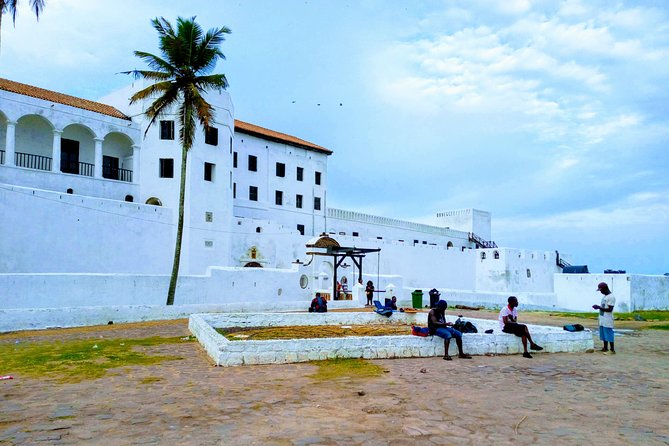
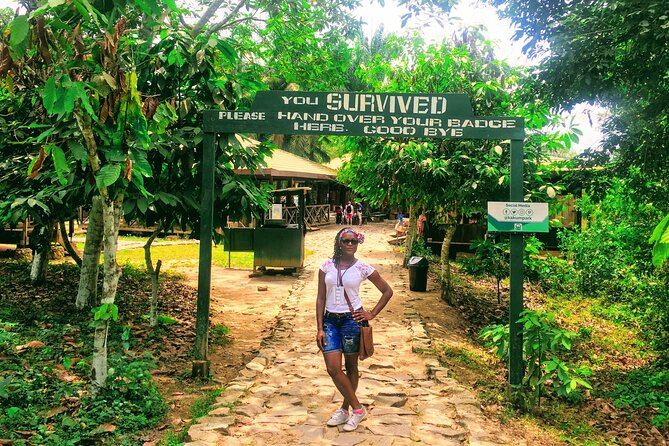
This is the nature anchor of the trip. Kakum National Park protects tropical rainforest and supports a lot of wildlife, including more than 200 bird species. The park has trails where you can spot birds like parrot types, bee-eaters, hornbills, and kingfishers, plus monkeys and other animals you might see if you stay quiet and watchful.
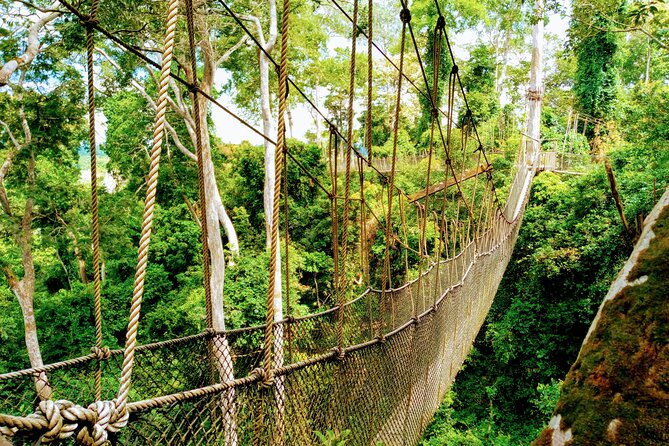
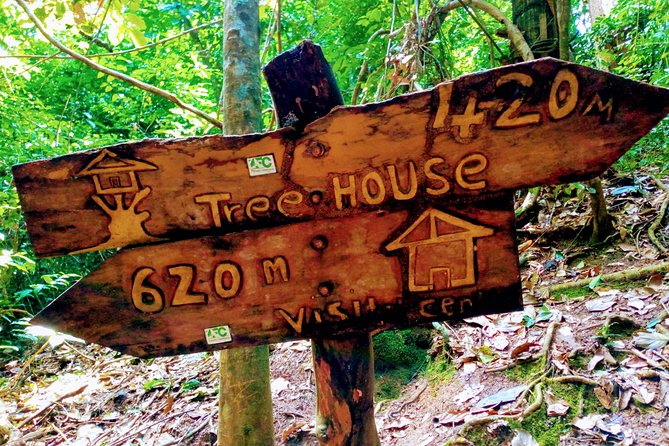
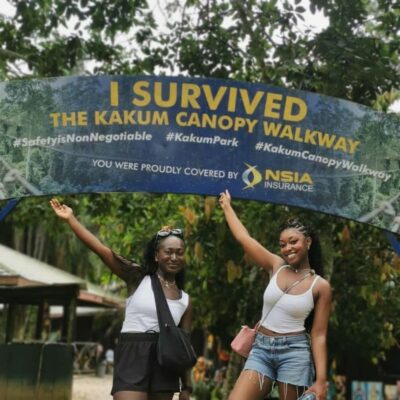
Then comes the star stop for views: the Canopy Walkway, suspended about 30 meters above the ground. It is a rare kind of perspective. From up there, the forest feels layered, with leaves and branches filling the frame in every direction. If you like wildlife and photography, this is where your memory will feel sharper than the museum stops.
Practical note: the park visit is scheduled for about 2 hours, so don’t expect a long hike. Instead, focus on the best use of that time, canopy first if that is your priority, then short trail moments if you have energy.
Elmina Castle: Portuguese trade origins and the slave-trade route
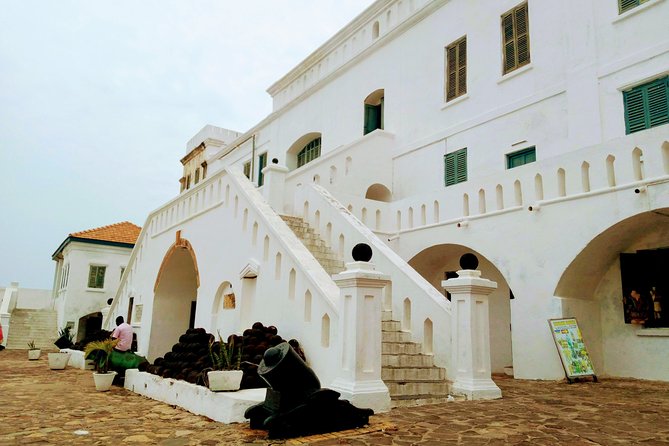
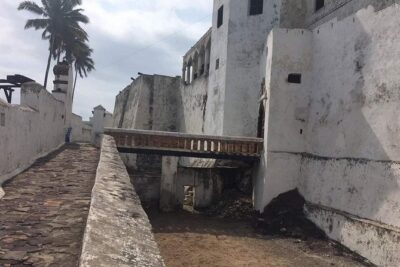
Elmina Castle matters because it connects multiple eras in one physical place. It was established by the Portuguese in 1482, originally named São Jorge da Mina. This was one of the earliest European trading posts along the Gulf of Guinea, and the castle is often described as the oldest European building south of the Sahara that still exists.
Over time, the function shifted. The site became a major stop on routes connected to the Atlantic slave trade. That history is the heart of the visit, and it is not something you can rush. Even if you are the kind of person who likes to skim, slow down here. Read, ask questions, and let your guide explain what you are seeing instead of trying to interpret everything yourself.
Your scheduled time for Elmina Castle is about 1 hour. That is enough to understand the key parts, but it is short enough that it can feel intense. If you need breaks, use them early, while you still have patience for the rest of the day.


Cape Coast Castle: larger forts, harder questions
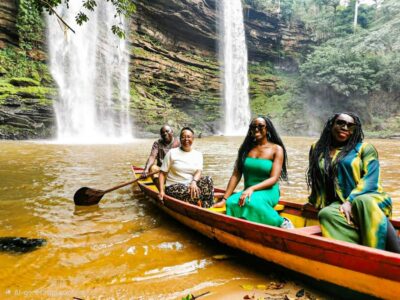
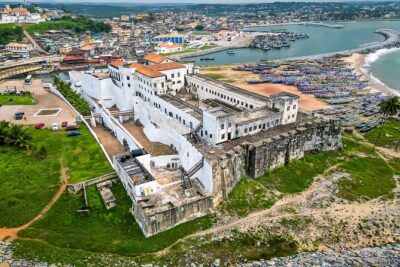
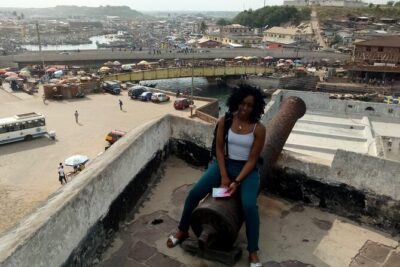
Cape Coast Castle is another major fort built by European powers in today’s Ghana. It began as a Portuguese trade lodge in 1555, then the ownership and construction style shifted as other European forces took control. You’ll hear the story through the structure itself, including the later reconstruction into stone after earlier fort changes.
This stop is emotionally heavy because it is directly tied to the slave-trade era and what happened within these walls. It is also historically important because it helps you see how trade networks became systems that profited from human suffering. If you want a trip that connects the dots between geography, economics, and human impact, this is where the trip earns its reputation.
You get about 1 hour here as well, and admission is included. The best use of that time is to listen carefully during the guide’s explanation, then circle back to the areas you want to understand more deeply. Wear comfortable clothing, since you can spend part of the day in warmer weather while moving between sections.
How Day 2 shifts to identity, culture, and independence
After the forts, Accra can feel like a different world. That is part of the value. You move from sites that reflect external control to places that represent Ghana’s voice, memory, and political milestones.
Day two is planned as four main stops, each with an admission ticket included. The times are shorter per site than the castles, which helps you avoid museum fatigue. Still, it’s not a “sit all day” plan, so expect walking, waiting, and moving through crowds at busy public areas.
W.E.B. DuBois Center: Pan-Africanism with a personal story
The W.E.B. DuBois Center is named for William Edward Burghardt Du Bois, a civil rights activist who later became a citizen of Ghana in the 1960s. This is not just a statue-and-sign stop. It includes the place where he lived with his wife, and it includes his burial site.
The center also holds his personal library and a small museum with select effects, like graduation robes. There’s a mausoleum area, plus other spaces such as a seminar room, restaurant, gallery, and a research center connected to Pan-African history and culture.
You’ll have about 40 minutes. That’s enough to hit the key pieces, but it is also brief, so prioritize what interests you most: the mausoleum, the library materials, or the gallery. If you are into African-American history connections, this is one of the most meaningful stops on the whole schedule.
Kwame Nkrumah Memorial Park and the story behind the square
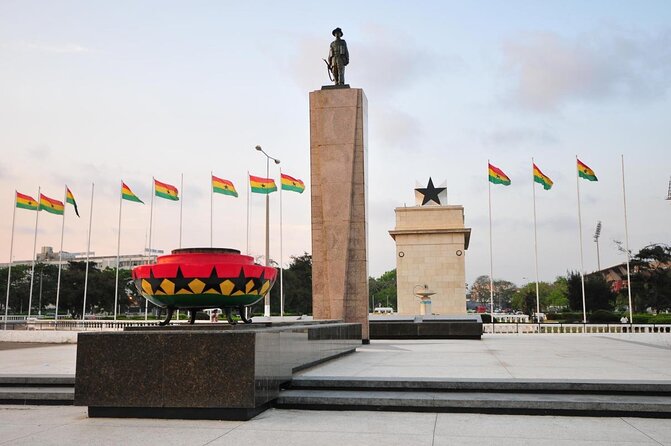
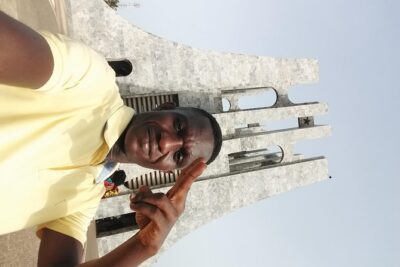
Next is the memorial for Ghana’s first president, Osagyefo Dr. Kwame Nkrumah. The site is known as the Kwame Nkrumah Memorial Park, and it houses personal effects and publications, along with pictures charting his life and relationships with famous people of his time.
This stop runs about 1 hour, and it’s worth treating it as more than sightseeing. It helps explain independence not as a single date, but as a process involving ideas, organizing, and leadership under pressure. Even if you’ve read about Nkrumah before, seeing the museum objects can make the timeline feel more human.
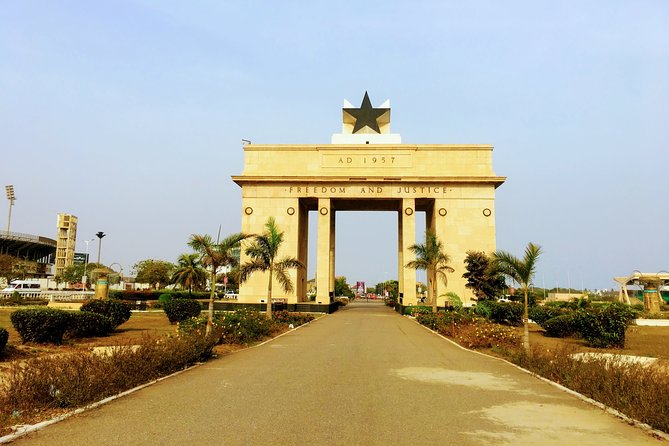
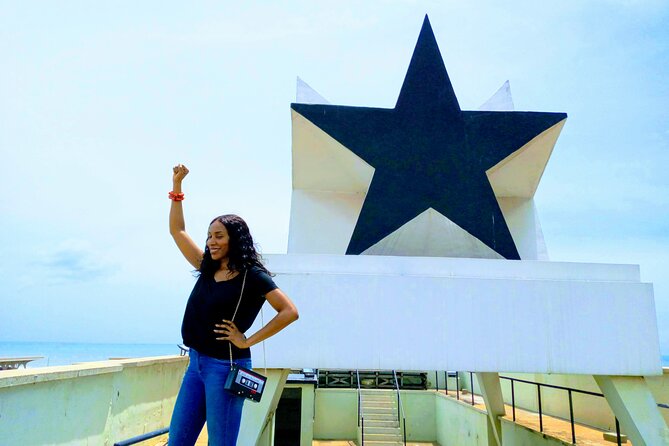
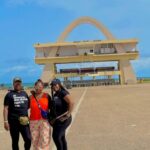
Then you move to Independence Square, also called Black Star Square. It is a vast concrete expanse near spectator stands that can seat about 30,000 people, built for big public moments. You’ll see the Independence Arch, which was inspired by independence movements across Africa, plus the roundabout with the Black Star Gate and monument built in 1961.
This portion is scheduled for about 20 minutes, so it is more of a quick orientation and photo stop than a museum visit. Go in expecting to take a few solid photos and get your bearings.
Center for National Culture: what to buy and how to spend 30 minutes well
The Center for National Culture is where the trip shifts back into hands-on culture. It’s known for its craft market, with stalls selling Ghanaian-inspired arts and crafts. You can look for Kente cloth, wooden sculptures, earrings, and other fashion accessories, plus clothing ideas that blend Ghanaian styles across different regions.
Your planned time here is about 30 minutes, which is short. So shop like a pro: decide on your budget first, then pick two or three item types you actually want. If you like Kente, check how it is presented and how it can be worn. If you prefer carvings, look for workmanship and avoid rushing just because it’s tempting.
Also, the market stop is the one moment that can change your satisfaction level the most. If you love shopping and negotiating, you’ll have fun. If you hate it, just keep your expectations simple: buy one meaningful souvenir and enjoy the rest of the day.
Small practical notes that make a big difference
A few details can help you have an easier time on this style of tour.
First, meals and accommodation are not included. If you’re planning on eating out during longer drives, keep snacks and water in your day bag. If you want a lighter day after the castles, pick a hotel location in Accra that is easy to reach for dinner.
Second, the tour works best when you treat the history stops as learning moments, not just photo opportunities. The castles are part of the transatlantic slave trade story, and that topic needs attention and time. This isn’t the place to treat facts like trivia.
Third, group size is capped at 40 travelers. That is usually manageable, but it also means you might share space with other groups at museums and public sites. A patient attitude helps, especially in Accra where there can be foot traffic and activity.
Who this tour suits best (and who should think twice)
This is a strong match if you want:
- Nature plus major historical sites without needing to plan two separate trips
- A route that includes Accra landmarks tied to Ghana’s identity
- A guided experience where entrance tickets and transport are handled
- The chance to shop for crafts at a focused stop near the end
It’s a tougher fit if you:
- Hate long drives and short scheduled time blocks
- Need a lot of downtime between emotionally intense historical sites
- Prefer a trip where meals are included or where accommodations are part of the package
If you are traveling solo, this tour can still work because it includes guide support, hotel pickup and drop-off within Accra, and a structured day plan. One recurring theme in how people describe their experience is comfort and clarity when the guide is proactive and warm.
Should you book Accra and Cape Coast Escape?
My take: book it if you want two full days that connect Ghana’s rainforest, its Atlantic-era history, and its modern cultural memory. The best part is the balance, Kakum’s canopy view against castles that force you to face what trade networks did to people. Add in Accra’s Du Bois and Nkrumah sites plus a focused craft market, and you get a trip that feels complete without being endlessly long.
Don’t book it if you want a slow, restful itinerary or if you’re not ready for heavy subject matter at the castles. If you do book, go prepared: wear comfortable shoes, budget for meals, and plan to take your time with the history instead of racing through it.
FAQ
How long is the Accra and Cape Coast Escape tour?
It runs for about 2 days.
What are the main stops included in the tour?
You’ll visit Kakum National Park, Elmina Castle, Cape Coast Castle, the W.E.B. DuBois Center, Kwame Nkrumah Memorial Park, Independence Square, and the Center for National Culture.
Are hotel pickup and drop-off included?
Yes. The tour includes hotel pick-up and drop-off within Accra.
Are entrance fees included?
Yes. Entrance fees to tour sites are included, along with the cost of activities listed in the itinerary.
Are meals included?
No. Daily meals are not included.
Is accommodation included?
No. Accommodation is not included.
How large is the group?
The tour has a maximum of 40 travelers.
What happens if weather is poor?
This experience requires good weather. If it is canceled due to poor weather, you’ll be offered a different date or a full refund.
Can I get a full refund if I cancel?
Yes. Free cancellation is available if you cancel up to 24 hours in advance for a full refund.
More Ghana Tours Out of the Review Pile
- The Cape Coast Day Tour
★ 5.0 · 525 reviews - Experience the Beauty, History and the Culture Of Accra in a Day
★ 5.0 · 323 reviews - The Cape Coast Tour
★ 5.0 · 177 reviews - From Accra: Cape Coast, Elmina Castle & Kakum Park Day Tour
★ 4.6 · 144 reviews - Accra Detailed City Tour
★ 4.5 · 118 reviews
More Trips Down to Cape Coast
- The Cape Coast Day Tour
★ 5.0 · 525 reviews - The Cape Coast Tour
★ 5.0 · 177 reviews - From Accra: Cape Coast, Elmina Castle & Kakum Park Day Tour
★ 4.6 · 144 reviews - Accra To Cape Coast And Elmina Day Tour
★ 5.0 · 75 reviews - Cape Coast ,Elmina Castle and Kakum Full-Day Tour
★ 5.0 · 62 reviews
Latest Accra reviews added here


Cape Coast Castle Tours, compared.
 ★ 5.0The Cape Coast Day TourFrom $155525 reviews
 ★ 5.0The Cape Coast TourFrom $170177 reviews
 ★ 4.6From Accra: Cape Coast, Elmina Castle & Kakum Park Day TourFrom $110144 reviews
 ★ 5.0Accra To Cape Coast And Elmina Day TourFrom $16575 reviews
 ★ 5.0Cape Coast ,Elmina Castle and Kakum Full-Day TourFrom $15562 reviews
 ★ 5.010 Days Trip to Cape Coast and Elmina Castles from AccraFrom $4,69531 reviews
 ★ 5.0Cape Coast and Elmina Castles TourFrom $15731 reviews
 ★ 5.0The Homecoming Experience To Cape-coast And Elmina.From $18028 reviews
Browse the lists this tour appears in