

REVIEW · ACCRA SIGHTSEEING TOURS
6-Hour Private Guided Accra City Tour
A half-day in Accra can feel like a full week. This private tour strings together the city’s key culture stops, from museums and markets to Black Star Square and beach time, with a guide who keeps the story going and the day on track.
I especially like the mix of Ghana National Museum artifacts and the hands-on way you can shop and ask questions at places like Makola Market. You get a real sense of everyday life, not just photos at monuments.
One thing to consider is timing. Accra traffic can be heavy, and the operator may use Uber/Bolt/Yango or a local taxi at times (still air-conditioned) to stay within the 4 to 6 hour window.
In This Review
- Key highlights worth planning around
- What you get from a private guided Accra day
- What $100 buys you, and why timing matters in Accra
- Stop 1: National Museum of Ghana, where you start with objects
- Stop 2: Makola Market, shop and ask as you go
- Stop 3: Independence Square and Black Star Square landmarks
- Stop 4: Centre for National Culture, crafts plus instrument talk
- Stop 4.5 (Walking): Jamestown forts, James Fort and Usher Fort
- Stop 5: W.E.B. DuBois Center, library, museum, and programming
- Stop 6: Kwame Nkrumah Memorial Park, mausoleum and memory
- Stop 7: Labadi Pleasure Beach, cool down and refuel
- The guide factor, from Enoch to Clinton and Daniel
- Who should book this Accra city tour
- Should you book this tour?
- FAQ
- How much does the Accra city tour cost?
- How long is the tour?
- Is pickup included?
- Is this tour private or shared?
- Where does the tour start and end?
- What sites are included on the route?
- Which stops have admission included?
- Are any stops free?
- What is included in the price?
- Is there lunch included?
- Can I cancel for free?
Key highlights worth planning around

- National Museum of Ghana gives you history you can see, with archaeology, ethnography, and trade items in one stop
- Makola Market is built for conversation, browsing, and vendor interaction, with lots to photograph
- Black Star Square area connects directly to independence landmarks like the Independence Arch and Liberation Day Monument
- Centre for National Culture is where you can bargain for crafts and even learn about instruments like an extra drum
- Jamestown walking keeps things active, with colonial-era forts like James Fort and Usher Fort
- Labadi Pleasure Beach finishes the day with a place to cool down, sit, and eat something local
Other ways to see Accra, from half-day loops to full-day drives
- Experience the Beauty, History and the Culture Of Accra in a Day★ 5.0 · 323 reviews
- Accra Detailed City Tour★ 4.5 · 118 reviews
- Accra Guided City Tour Experience★ 4.7 · 88 reviews
- Accra Guided City Tour Experience★ 5.0 · 76 reviews
What you get from a private guided Accra day
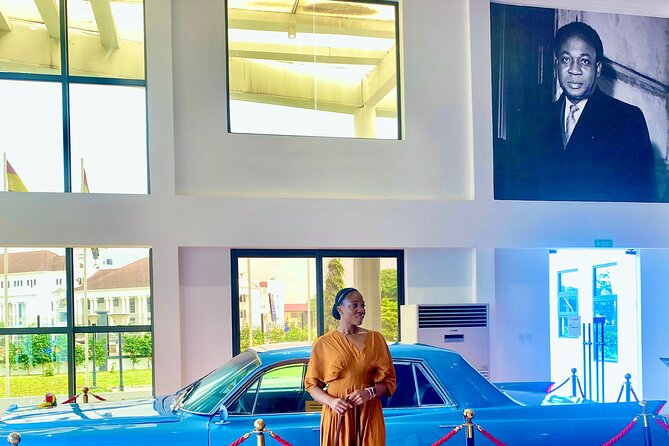
This is a private tour, so you are not sharing your schedule with strangers who need the bathroom every ten minutes. You still get a structured route, but the guide can tailor the pacing to your comfort level and what you care about most.
The core value here is that you are not just moving between famous points. You have a local driver and guide available at each stop to explain what you are seeing, connect it to Ghana’s history and modern life, and answer questions as you go. That matters in Accra because a lot of the meaning is in the context, not the signboard.
The day runs about 4 to 6 hours. You will start at Accra Mall (Plot C11, Tetteh Quarshie Interchange, Spintex Rd) and return there at the end. The operator includes bottled water, WiFi on board, and an air-conditioned vehicle. Admission is included at several stops, and some others are free, so the “what am I paying for” question is easier to answer than on tours that bundle in only transport.
Also, this tour is priced at $100 per person. When a guide and multiple paid admissions are part of the package, it tends to feel more like a fair deal than a sightseeing taxi with a loose itinerary.
What $100 buys you, and why timing matters in Accra
Let’s talk practical value. You pay $100 per person for a private half-day run. You are also getting key extras that add up quickly in real life: bottled water, WiFi on board, and air-conditioning. More importantly, you get included admission tickets at several major stops.
Here’s the breakdown of what is ticketed versus free:
- Included admissions: National Museum of Ghana, W.E.B. DuBois Center, Kwame Nkrumah Memorial Park, Labadi Pleasure Beach
- Free admission: Makola Market, Independence Square, Centre for National Culture
That mix is great. You can spend money where it counts, then use the rest of your time for browsing, walking, and talking with people.
Now the timing catch. The route is designed for a 4 to 6 hour window, but Accra traffic can slow you down. To handle that, the operator may switch to services like Uber, Bolt, Yango, or a local taxi at times, especially for parties smaller than three. All of those are described as air-conditioned. The benefit is speed and staying on schedule. The tradeoff is that your vehicle plan might change mid-day, so keep your meeting points simple in your head and follow your guide’s directions.
Stop 1: National Museum of Ghana, where you start with objects
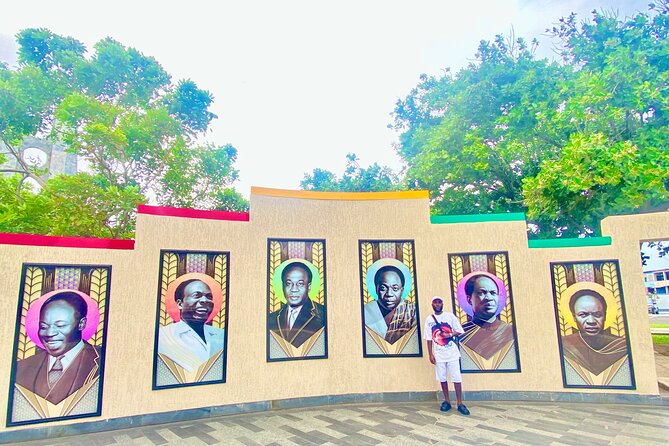
Your first big stop is the National Museum of Ghana, and it is a smart way to begin. Museums work best early because they give you a lens. After that, the rest of the day feels less like random driving and more like chapters in one story.
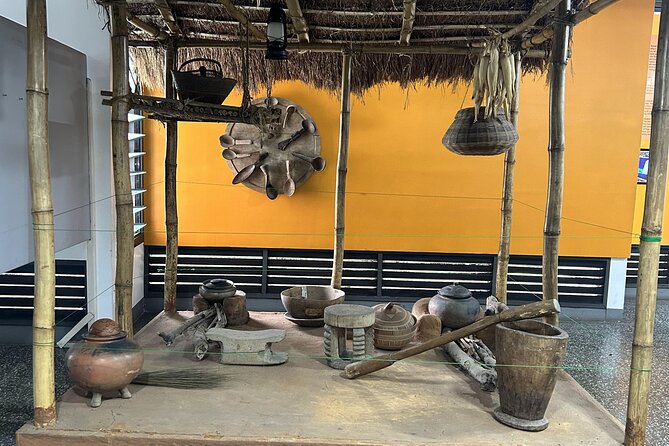
This museum is the largest and oldest of its kind under the Ghana Museums and Monuments Board. The description ties the opening to March 5th, 1957, and it points to a wide range of collections. In the archaeology section, the artifacts span from the recent past back to the Stone Age. That range helps you see that Ghana’s story did not start when the city got modern.
In the ethnography galleries, you find items tied to everyday cultural expression and ceremony, including chief’s regalia, musical instruments, gold weights, beads, textiles, stools, and pottery. There are also objects from other African nations acquired through trade, which helps you understand regional connections instead of treating Ghana as isolated.
You get about 1 hour here, with an admission ticket included. That is enough time to hit the highlights without feeling rushed, especially if your guide is pointing out the details worth noticing.
Stop 2: Makola Market, shop and ask as you go

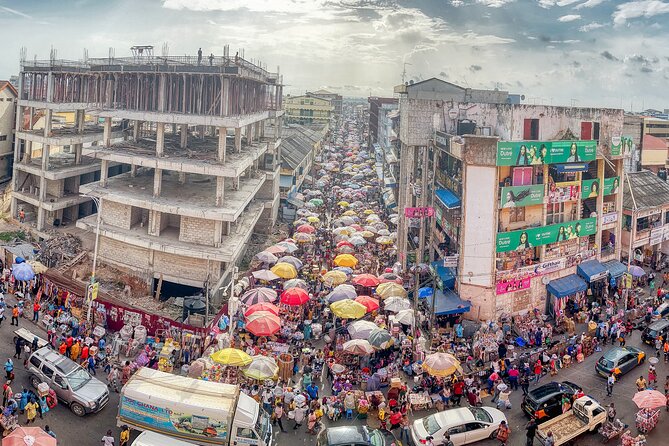
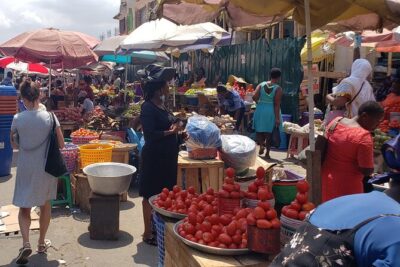
Next is Makola Market, a central, well-known market with indoor and outdoor areas. This stop is not about a single photo. It’s about using your time well while you are there, because the value is in the human energy and vendor interaction.
You will get about 45 minutes. The tour description emphasizes the biggest outdoor market in Accra and encourages you to interact with women vendors while you take in the busy, friendly hustle. You can shop, ask questions, and take photos if that fits your style.
A practical tip: set expectations before you arrive. Markets can be overwhelming if you try to do everything at once. Decide what you are looking for, even if it is just “small souvenirs” or “textiles and crafts.” If you want help bargaining, your guide can help you navigate what is reasonable to ask and how to keep it respectful.
The big advantage of adding Makola Market to this route is that it slows the day down in the best way. After museums and monuments, markets put you back in the rhythm of daily life.
Stop 3: Independence Square and Black Star Square landmarks
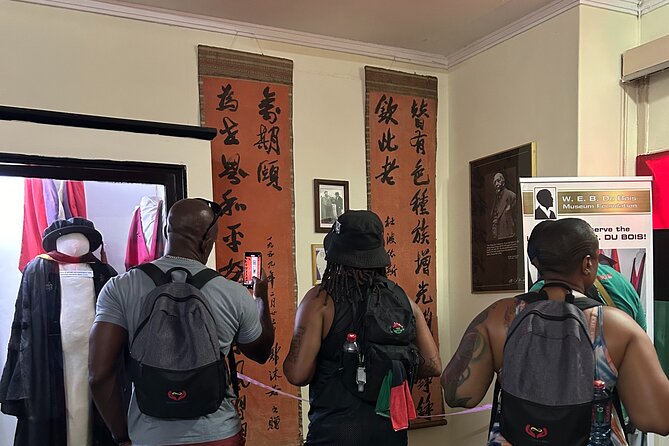
Independence Square is where the route earns its place on any first-time Accra itinerary. The tour ties this space to Ghana’s independence in 1957 and to Kwame Nkrumah’s role in shaping the early political identity of the country. It also notes the timing with Queen Elizabeth II’s visit around the same period.
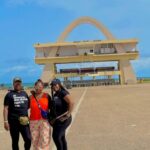
When the building was completed in 1961, the area became known as Black Star Square. Your guide will likely point out major landmarks within the square, including the Independence Arch, Black Star Gate, and the Liberation Day Monument. Even if you do not study politics, it helps to see these monuments in person because they are physical reminders of how independence was celebrated and framed.
You only get about 30 minutes here, so think of it as a focused walk-through rather than a long sit-down. Bring water and sunglasses. You are outdoors and the sun can be intense.
If you like context, this is a good stop to ask your guide why the symbols matter and how the story continues today. Short visit, big payoff.
Guided rather than self-directed, elsewhere in Ghana
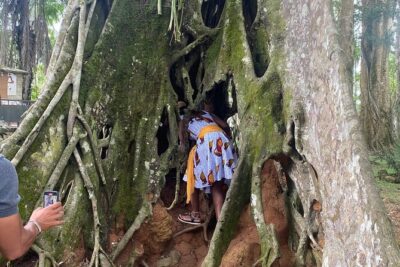

Stop 4: Centre for National Culture, crafts plus instrument talk
After monuments, you switch gears to shopping and hands-on culture at the Centre for National Culture. This is described as the largest craft market in the nation. That sounds grand, but in practice it means you have many vendors under one roof and you can compare styles without crisscrossing the city.
You get about 45 minutes, and admission is free. The tour focuses on bargaining and souvenir shopping. It also highlights that you can learn about how to play an extra drum and other local instruments from locals.
This stop is great if you want to bring something home with meaning. It’s also a good “choose your own pace” segment. If you love crafts, spend a bit longer. If you just want a quick browse, keep your list short and let your guide know what you want.
The potential drawback is also what makes it fun: there is lots to look at, which can lead to impulse buys. Stay calm, compare a couple of stalls first, then make your choice.
Stop 4.5 (Walking): Jamestown forts, James Fort and Usher Fort
Jamestown is one of Accra’s oldest neighborhoods, and the walking portion adds energy to the day. Instead of only driving past sights, you get a neighborhood feel.
The tour description points you to two colonial-era forts that anchor the area: James Fort and Usher Fort. Even with a short walking time, seeing these places helps you understand how coastal settlements and European-era fortifications shaped the city’s layout.
Since the listing does not give a specific duration for the Jamestown walk, treat it as the “active break” inside the broader half-day. Wear comfortable shoes. Keep your phone protected from sun glare. And if you are interested in architecture or local narratives, tell your guide what you want to hear. This is the kind of stop where a guide can steer you toward the details that matter.
Stop 5: W.E.B. DuBois Center, library, museum, and programming
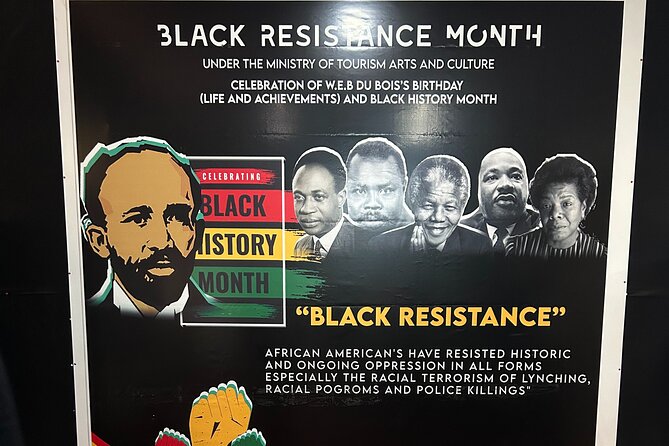
Next comes the W.E.B. DuBois Center, described as the home, library, and final resting place of William Edward Burghardt DuBois. The center includes a museum with artifacts and his personal library, plus an open-air theatre used for intellectual seminars, lectures, workshops, and cultural events.
You get about 45 minutes, and admission is included. This stop stands apart because it shifts the story of social justice beyond Africa alone. DuBois is American-born, so the center becomes a bridge point for ideas and connections that travel across the Atlantic.
If you like learning through objects, the museum component is valuable. If you prefer big-picture context, your guide can help you connect DuBois’s influence to the broader Pan-African movement.
A practical note: since it includes a library and museum space, you may want to keep your pace steady and not rush your questions. Forty-five minutes is enough if you focus on a few key sections and let your guide handle the rest.
Stop 6: Kwame Nkrumah Memorial Park, mausoleum and memory
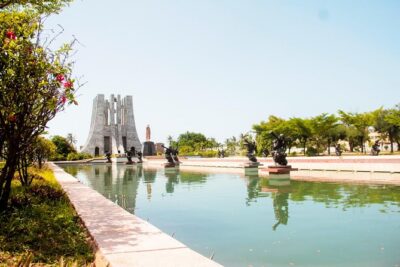
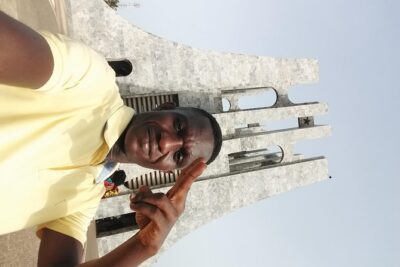
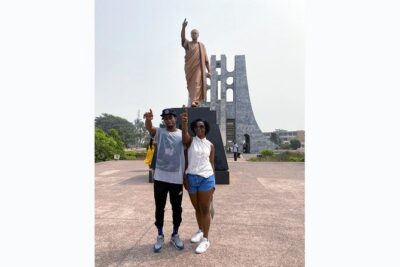
Your next major monument stop is the Kwame Nkrumah Memorial Park in downtown Accra. The tour description points to Ghana’s capital setting it right where you can connect it to the city’s center.
It honors Kwame Nkrumah, Ghana’s first Pan-African Prime Minister and President, including his birth on September 21, 1909, and his passing on April 27, 1972. You are visiting a memorial setting that includes the mausoleum and surrounding park.
You get about 45 minutes, and admission is included. This is a good stop when you want to see how the country remembers one of its central founders. Even if you already know the basics, a guided visit helps you notice which parts of the site emphasize national identity and Pan-African themes.
If you are traveling with someone who likes photos, this also delivers. But I recommend treating it as a quiet moment in the route, not a rapid picture stop.
Stop 7: Labadi Pleasure Beach, cool down and refuel
You end at Labadi Pleasure Beach, one of Accra’s most picturesque coast spots. The description calls it the busiest beach on Ghana’s coast and says it is looked after by locals.
This final stop is about recovery. After museums, markets, and monuments, your job is simple: sit, unwind, and cool off. The listing emphasizes that you can enjoy local, continental, and foreign foods and beverages, which makes it easier to find something that fits your appetite after walking and sun.
You get about 1 hour, and admission is included. It is a great way to close the loop on a city tour. The ocean gives your mind a break, and you leave with a more human feel for Accra’s daily rhythm.
The guide factor, from Enoch to Clinton and Daniel
This tour’s biggest strength is the human one: the guide. The operator describes tours as tailored to your interests, with guides answering questions and giving background at each stop. That matters when you are trying to understand what you are seeing, especially at places like the museum galleries or the memorial sites.
In past experiences shared with the operator, guides including Enoch and his team have been praised for logistics and care. Other experiences name Clinton and Daniel, described as personable and informative, taking excellent care of the group. There is also mention of a meaningful experience led by two young men with energy and insight.
Bottom line: if you show up with a few questions, you will likely get better answers than reading signs on your own.
Who should book this Accra city tour
This tour fits best if you:
- Want a first-timer overview of Accra that blends history, culture, shopping, and a beach finish
- Like guided context, especially at the museum and monument stops
- Prefer a private schedule so you can move at a pace that suits you
- Want included admission at several major sites without spending the day buying tickets one by one
It might not be your best match if:
- You hate walking, because Jamestown includes a walking segment
- You need a long beach hangout, since Labadi is about an hour
- You are arriving with big lunch plans, because lunch is not included
Should you book this tour?
I’d book it if you want an efficient, guided day that gives you a grounded view of Accra, from artifacts to monuments to market life. The mix is smart: you start indoors with history, then you move into the city’s public spaces, and you end with a real place to rest.
If you book, go in with a simple plan: bring cash for market shopping, wear comfortable shoes for the walking portion, and decide what you want to learn at the museums and memorial sites. If you do that, the $100 per person price feels more like buying a day of guidance and included entries than paying for transport alone.
FAQ
How much does the Accra city tour cost?
It costs $100.00 per person.
How long is the tour?
The duration is listed as 4 to 6 hours (approximately).
Is pickup included?
Yes. Pickup is offered, and the activity starts at Accra Mall.
Is this tour private or shared?
This is a private tour/activity, so only your group participates.
Where does the tour start and end?
It starts at Accra Mall, Plot C11 Tetteh Quarshie Interchange, Spintex Rd, Accra and ends back at the meeting point.
What sites are included on the route?
The tour includes the National Museum of Ghana, Makola Market, Independence Square (Black Star Square area), Centre for National Culture, a Jamestown walking tour with James Fort and Usher Fort, the W.E.B. DuBois Center, Kwame Nkrumah Memorial Park, and Labadi Pleasure Beach.
Which stops have admission included?
Admission tickets are included for the National Museum of Ghana, W.E.B. DuBois Center, Kwame Nkrumah Memorial Park, and Labadi Pleasure Beach.
Are any stops free?
Yes. Makola Market, Independence Square, and the Centre for National Culture are listed as free admission.
What is included in the price?
The tour includes bottled water, an air-conditioned vehicle, and WiFi on board.
Is there lunch included?
No. Lunch, breakfast, and dinner are not included.
Can I cancel for free?
Yes. Free cancellation is available if you cancel up to 24 hours in advance for a full refund. If you cancel less than 24 hours before, the amount paid is not refunded.
A Wider Spread of Ghana Tours
- The Cape Coast Day Tour
★ 5.0 · 525 reviews - The Cape Coast Tour
★ 5.0 · 177 reviews - From Accra: Cape Coast, Elmina Castle & Kakum Park Day Tour
★ 4.6 · 144 reviews - Accra Detailed City Tour
★ 4.5 · 118 reviews - Accra Guided City Tour Experience
★ 4.7 · 88 reviews
More Ghana Tours Out of the Review Pile
- The Cape Coast Day Tour
★ 5.0 · 525 reviews - Experience the Beauty, History and the Culture Of Accra in a Day
★ 5.0 · 323 reviews - The Cape Coast Tour
★ 5.0 · 177 reviews - From Accra: Cape Coast, Elmina Castle & Kakum Park Day Tour
★ 4.6 · 144 reviews - Accra Detailed City Tour
★ 4.5 · 118 reviews
Seeing Accra Another Way
- Experience the Beauty, History and the Culture Of Accra in a Day
★ 5.0 · 323 reviews - Accra Detailed City Tour
★ 4.5 · 118 reviews - Accra Guided City Tour Experience
★ 4.7 · 88 reviews - Accra Guided City Tour Experience
★ 5.0 · 76 reviews - Know Ghana in 4 hrs – Accra City Tour
★ 4.5 · 47 reviews
Latest Accra reviews added here



Accra Sightseeing Tours, compared.
 ★ 5.0Experience the Beauty, History and the Culture Of Accra in a DayFrom $80323 reviews
 ★ 4.5Accra Detailed City TourFrom $80118 reviews
 ★ 4.7Accra Guided City Tour ExperienceFrom $4588 reviews
★ 5.0Accra Guided City Tour ExperienceFrom $7076 reviews
★ 4.7Accra Guided City Tour ExperienceFrom $4588 reviews
★ 5.0Accra Guided City Tour ExperienceFrom $7076 reviews
 ★ 4.5Know Ghana in 4 hrs – Accra City TourFrom $10047 reviews
 ★ 4.5Guided City Tour with LunchFrom $10640 reviews
 ★ 4.5Escape Accra City to Aburi Gardens and Tetteh Quarshie Cocoa FarmsFrom $17032 reviews
 ★ 4.7ACCRA GUIDED CITY TOUR, GHANAFrom $13029 reviews
Browse the lists this tour appears in