REVIEW · GHANA
Nature Thrills
A calm nature day outside Accra. I like the Aburi Botanical Gardens walk for its plant variety and calm pace, and I like the Tetteh Quarshie Cocoa Farm tour for seeing cocoa from planting through fermentation. The only catch is that you’ll do some walking, including a short hike, so comfy shoes really matter.
What makes this day feel smooth is the way the guides work with you. Guides such as Suwaiba (also seen as Suwauba) and Gian are known for being friendly, on time, and making photo stops easy, even when roads get a bit bumpy. If you’re the type who hates stairs or wet rocks, plan to go slow at the waterfall and bring a light outfit you can move in.
In This Review
- Nature Thrills in Aburi, Ghana: the core experience
- Getting out of Accra: why Aburi feels like a reset
- Aburi Botanical Gardens: your guided plant walk with real context
- What to watch for at the gardens
- Tetteh Quarshie Cocoa Farm: seeing cocoa beyond the chocolate bar
- Why this farm stop is worth your time
- Adom Waterfalls: a short hike for a cool break
- The best mindset at the falls
- The day’s pacing and what it means for you
- Price and value: what $150 per person buys you
- Guides and comfort on the road: the details that affect your day
- Who Nature Thrills is best for
- Should you book Nature Thrills?
- FAQ
- How long is the Nature Thrills tour?
- Where does the pickup happen?
- What are the main stops on the tour?
- How much walking is involved?
- What should I bring for Adom Waterfalls?
- Are meals included in the price?
- Is transportation included?
- Is the guide support included?
- What is the cancellation policy?
Nature Thrills in Aburi, Ghana: the core experience
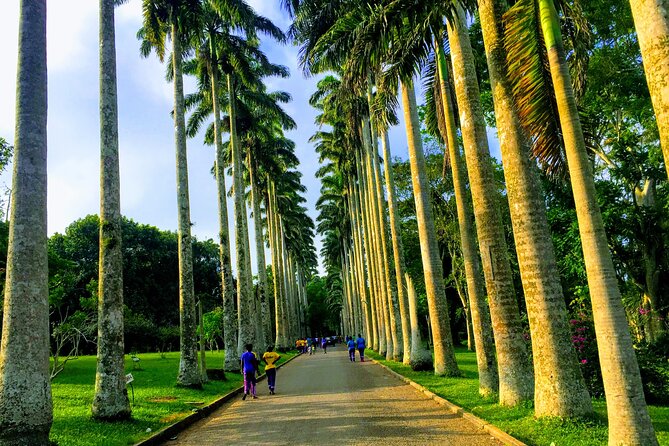
- Aburi Botanical Gardens (opened in 1890), with plant species from around the world and uses like food, medicine, spices, and beautification
- Tetteh Quarshie Cocoa Farm, tied to cocoa history in Ghana, including the planting-to-harvesting and fermentation process
- Adom Waterfalls, reached after a short hike through a forest, with two waterfall sections and natural pools
- A guide-led format that keeps the day organized, plus help with photo-friendly viewpoints
- Nature activities that move at a human pace, not a rushed checklist, with time to look, learn, and relax
- A small “bring this, not that” approach, where your best upgrades are shoes, light clothes, and (ideally) a swimsuit
Still deciding? Here are other Aburi tours we have written up.
- Nature Thrills★ 4.3 · 8 reviews
Getting out of Accra: why Aburi feels like a reset
This tour is built for one thing, a real change of scenery. Instead of spending your day in traffic and city noise, you head toward the Aburi Mountains for cooler, greener air and slower rhythms. In a single half day, you get gardens, farming, and a waterfall, without needing to plan transport between them.
I also like that the day is structured but not rigid. It’s not just driving past sights. You’re walking through parts of the experience, looking closely, and then taking a breather at Adom Waterfalls, where the mood shifts from learning mode to relaxation mode.
Aburi Botanical Gardens: your guided plant walk with real context
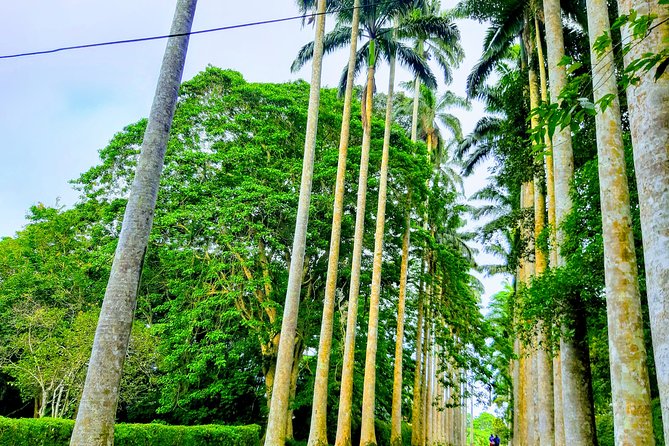
Aburi Botanical Gardens is the kind of place that rewards a leisurely stroll. It’s eco-friendly and focused on protecting plant and animal species, and it’s been open since 1890. That timeline matters because the garden is not just decorative. It’s organized around how plants grow, how people use them, and why conservation is worth caring about.
On this part of the day, you’ll walk through the garden with guidance, so you’re not staring at labels wondering what you’re seeing. You get help connecting what plants look like to what they do. The tour notes that plants can be used for food, medicinal purposes, spices for cooking, and beautification, depending on the species.
Here’s the practical value: Aburi helps you understand Ghana’s natural world as something useful and living, not just scenic. If you like botany, fragrance, spices, or simple curiosity, this stop is the perfect “calm start” before you get hands-on with cocoa farming.
What to watch for at the gardens
The garden walk is listed at about an hour, so you can expect steady walking, but it’s not described as extreme. Still, wear comfortable shoes. Garden paths can be uneven, and you’ll enjoy the experience more if your feet are happy.
Tetteh Quarshie Cocoa Farm: seeing cocoa beyond the chocolate bar
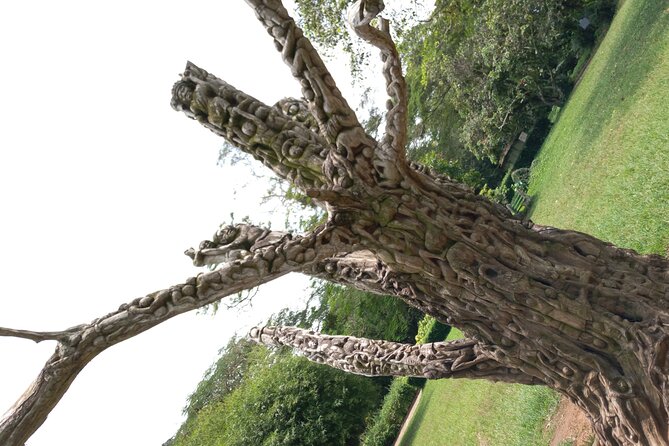
After the garden, the day shifts from plants in a curated space to cocoa planted and managed in a working farm. Tetteh Quarshie Cocoa Farm is tied to a major piece of Ghana’s cocoa story: it’s considered the first cocoa farm in Ghana, planted by Tetteh Quarshie in 1870. That alone gives the visit weight, but the tour focus goes further.
You’ll be taken through the cocoa plantation process, from planting to harvesting. Then you’ll learn about fermentation, which is where cocoa flavor gets shaped. Even if you don’t know anything about cocoa now, you’ll leave with a clearer sense of how a bean becomes the foundation for the flavors people recognize.
There’s also something special in the farm details. The tour information says two original trees planted by Tetteh Quarshie still remain on the property and bear fruit. That’s the kind of continuity that makes this stop feel more grounded than a museum visit.
Why this farm stop is worth your time
The best part of the cocoa farm experience is how it connects effort to outcome. You see stages that most people never think about, like why fermentation matters and how harvesting is part of quality. And if you enjoy supporting local farming, this stop offers a chance to back the real producers behind the product.
In addition, some guides build in hands-on moments. One person highlighted tasting cinnamon from bark, trying unripened cocoa, and even going off the beaten path for views of the Aburi plains. You should treat those as possible add-ons rather than a guarantee, but it’s a good sign that the guide style can be interactive.
Adom Waterfalls: a short hike for a cool break
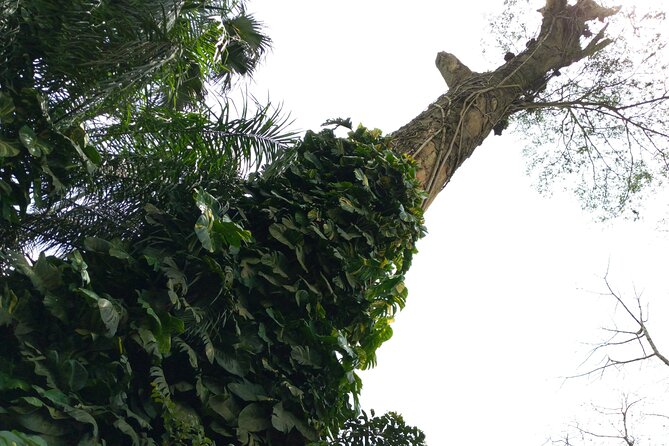
Adom Waterfalls is where the day turns into physical relief. You’ll hike for about 20 minutes to reach the falls, through a forest setting. The route is short, but it still counts as a hike, so plan your pace and choose shoes with grip.
Once you arrive, the waterfall experience is described as cool and calm. The falls flow through a forest and run on stratified rocks, and the water comes in two parts, lower and upper. Natural pools are created around the falls, and that’s why the tour recommends bringing something you can potentially swim in, preferably a swimsuit.
The best mindset at the falls
Go in ready to slow down. You’re not just taking a quick photo and leaving. You’ll have time to relax and connect with the natural environment. If you’re in a group that likes quiet moments, this stop can feel like a reset button.
Also, be smart on slippery surfaces. Even though the hike is only about 20 minutes, the waterfall area can be wet. Take your time on the rocks, and keep a cautious pace so your day stays enjoyable.
The day’s pacing and what it means for you
This is a 7-hour tour, starting with pickup in Accra and ending back in Accra. Within that time, you’ll cover a garden walk (about 1 hour), a cocoa farm visit with a shorter walk (about 35 minutes), then the waterfall hike and relaxation (about 1.5 hours). That adds up to a full nature day, not a light stroll.
The walking is the main consideration. The tour guidance is clear about it: wear comfortable shoes and light clothes, because you’ll move between parks and paths and then hike to the falls.
If you’re traveling with kids, this kind of itinerary can work well, because it mixes sensory experiences. One parent noted that a 10-year-old enjoyed the “nature thrills” and the variety of moments, from plant exploration to cocoa tasting and waterfall views. Still, keep in mind that kids will need shoe comfort and patience for the hike segment.
Price and value: what $150 per person buys you
At $150 per person for about 7 hours, the main value comes from what’s included. You get transportation, a guide, entrance fees, and support during the planned activities. The tour also includes hotel pickup and drop-off in Accra, plus fuel surcharges.
That combination matters because it saves you from juggling tickets, directions, and logistics between sites. For a day that includes a garden, a working farm, and a waterfall hike, having someone organize the route and timing is a real convenience.
Meals are not included. That means you’ll want to plan for snacks or lunch on your own during the day. One review mentioned lunch afterward being delicious, but since meals are listed as not included, treat any food stop as an optional extra, not part of the base price.
If you’re deciding between a “DIY day” and a guided half-day, think about your energy. If you want to enjoy nature instead of managing transit and entry lines, this package can be good value.
Guides and comfort on the road: the details that affect your day
A big reason people rate this tour highly is the human factor. Several reviews praised guides such as Suwaiba and Gian for being friendly and informative, and for arriving pickup ahead of schedule. There was also praise for a skilled and safe driver on bumpy dirt roads.
Why you should care: when the roads are uneven, a calm driver keeps your day from turning into an exhausting ride. If you’re prone to motion sickness or you prefer a smoother experience, this “safety and skill” point can make the difference between an OK day and a great one.
For photo lovers, you’ll likely appreciate help finding good angles. One review specifically called out that the guide showed the best spots for photos. That’s a small thing, but it saves time and helps you get better shots without blocking other people.
Who Nature Thrills is best for
This is a good fit if you:
- Like learning through walking, not just reading plaques
- Want a structured day outside Accra that still leaves room for relaxation
- Care about farms and how food is made, not only how it tastes
- Enjoy nature stops with a chance to cool off at a waterfall
It’s also ideal for people who want a guided day with a clear route, but not a hardcore trek. The hike is short, the day is long enough to feel complete, and the stops are varied.
If you hate physical activity, still consider it, but go in with eyes open. The walking and waterfall area are the main physical demands, and comfy shoes are non-negotiable.
Should you book Nature Thrills?
Book it if you want a nature-focused day that mixes garden calm, cocoa farming insight, and waterfall downtime in one smooth package. At $150, the value is in the guide-led learning, included entrance fees, and the hassle-free transport between sites.
Skip it or think twice if you can’t do short hikes or extended walking. This is not marketed as a zero-effort tour, and Adom Waterfalls involves a trek plus time around rocks and water.
If you’re planning your time around Accra and want a real break, this one makes sense. It’s a day that teaches you something, gives you a cool place to relax, and does it without turning the whole trip into a rush.
FAQ
How long is the Nature Thrills tour?
The tour duration is 7 hours.
Where does the pickup happen?
Pickup is from a location in Accra, and the tour also returns you back to Accra.
What are the main stops on the tour?
You’ll visit Aburi Botanical Gardens, the Tetteh Quarshie Cocoa Farm, and then go to Adom Waterfalls.
How much walking is involved?
There is walking at the garden and cocoa farm, plus a hike to Adom Waterfalls. The hike to the falls is about 20 minutes, and there is also hiking time at the waterfall area.
What should I bring for Adom Waterfalls?
Wear comfortable shoes and light clothes. A swimsuit is preferable since there are natural pools near the waterfall.
Are meals included in the price?
No, meals are not included.
Is transportation included?
Yes. Transportation is included, along with hotel pick-up and drop-off.
Is the guide support included?
Yes, guide support is included, and the host or greeter is English.
What is the cancellation policy?
You can cancel up to 24 hours in advance for a full refund.
More Ghana Tours Out of the Review Pile
- Visit Aburi Garden, Tetteh Quarshie Cocoa Farm & Waterfall
★ 4.0 · 4 reviews