
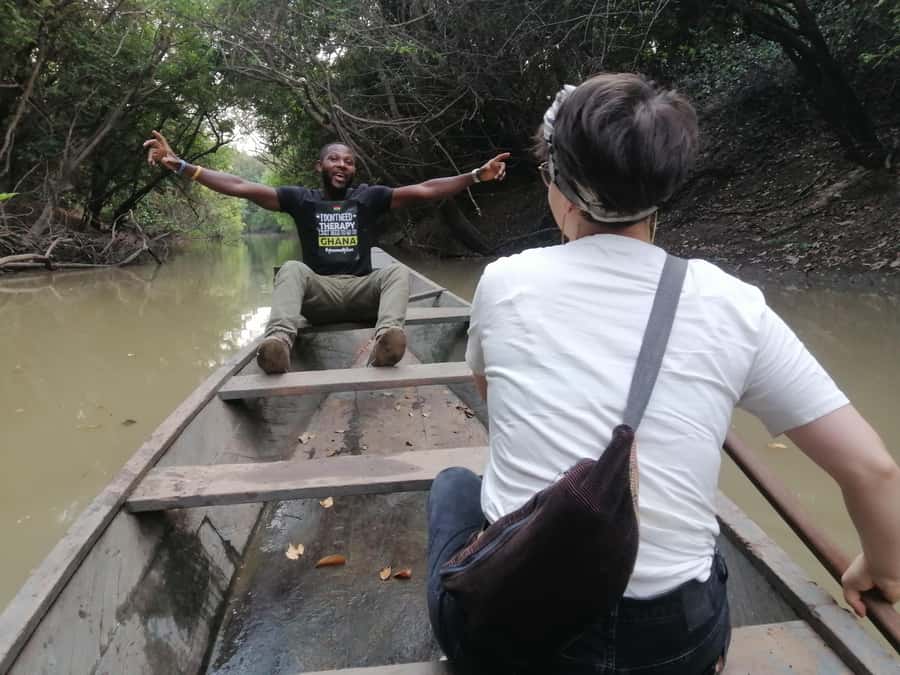
REVIEW · MOLE NATIONAL PARK SAFARIS
3 Days Elephant Safari at Mole Park with round trip flights
Elephants on foot in Ghana beats the usual safari. This 3-day trip sends you to Mole National Park with guided safari hiking, then mixes in village life, the Larabanga Mosque, and a shea butter workshop, all tied together with round-trip domestic flights from Accra.
I love the focus on getting close to wildlife through guided hiking (not just a drive-by). I also like that you get both animal time and cultural time, including a village visit and a hands-on shea butter demonstration.
One consideration: access and shopping moments can be a little unpredictable. The mosque stop may involve restrictions on what you can see, and the shea butter workshop can turn into a sales conversation, so go in with your expectations set.
In This Review
- Key moments worth planning for
- Mole National Park, the real reason this trip exists
- Day 1 logistics: getting to Tamale, then settling in
- Day 2 safari hiking: jeep plus walking for elephants, baboons, and antelopes
- Day 2 village life: learning how the region lives day to day
- Larabanga Mosque: ancient, meaningful, and governed by rules
- Shea butter workshop: you’ll watch the process, then decide what to do
- Price and value: what you are paying for at $1,100 per person
- Getting around and what to pack for an elephant-focused trip
- Who this trip suits best, and who should reconsider
- FAQ
- How long is the Mole elephant safari package?
- Does this include flights from Accra?
- Where do you get picked up and dropped off?
- Is there an English-speaking guide?
- Are meals included?
- What should I bring for the trip?
- Should you book this Mole National Park elephant safari?
Key moments worth planning for
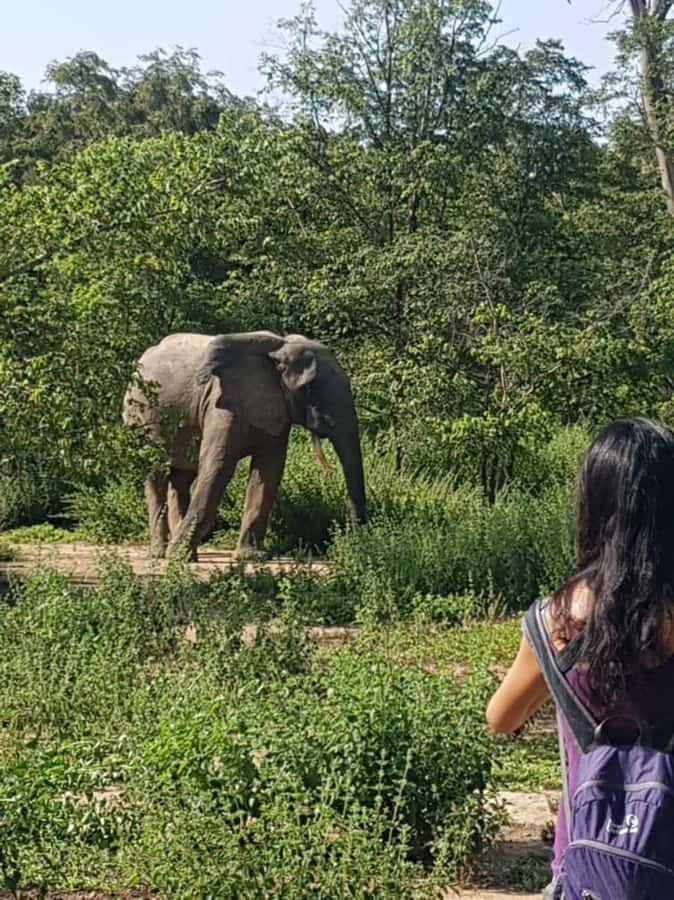
- Elephants on a safari walk, guided by people who know where to go in Mole
- Jeep and on-foot hiking, so you get both movement and quieter wildlife spotting
- Larabanga Mosque visit, including learning its background and understanding local rules
- Traditional village time, where daily life is the main event, not a staged show
- Shea butter processing demonstration, with a real view of how the product is made
Mole National Park, the real reason this trip exists
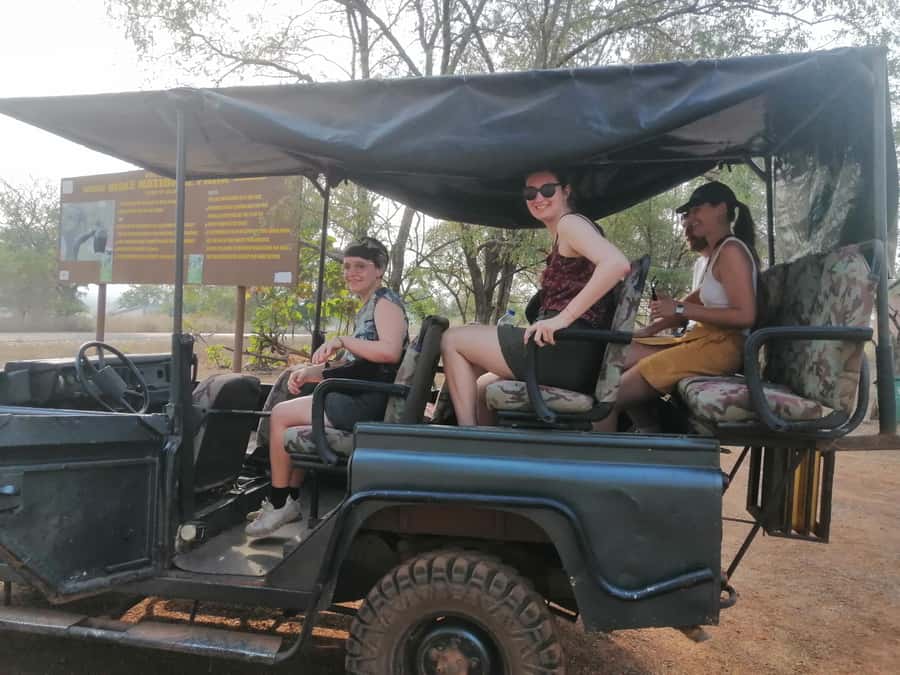
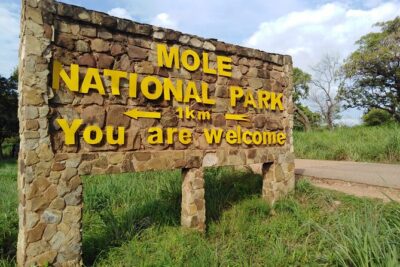
Mole National Park is Ghana’s biggest game reserve, and it’s the kind of place where you learn quickly that elephants are not just a photo subject. They are part of the rhythm of the area, and the best wildlife moments tend to happen when you slow down.
What makes this experience feel different is the combination of guided hiking plus jeep time. A vehicle is fast and useful, but walking changes your pace and your attention. You notice tracks, calls, and movement you might miss from a distance. That matters most when the day’s stars are elephants, along with baboons and antelopes.
And yes, you are coming from Accra, so the flight and transfers are part of the deal. The payoff is a short, structured window in the north that saves you from having to coordinate everything yourself.
Day 1 logistics: getting to Tamale, then settling in
Your journey starts with round-trip domestic flights between Accra and Tamale. After you land, a staff member meets you and you get picked up for the drive to your hotel, in a group led by your guide and driver.
You are staying overnight with fully airconditioned ensuite accommodation. That is a big deal in practice, because the next day is active. You want a place where you can cool off, shower comfortably, and sleep well before the safari hiking starts.
The program is designed around getting you ready, not rushing you. Bring your patience for travel days, and use the first evening to prep for an early start. You do want to have your camera and water sorted the night before.
Day 2 safari hiking: jeep plus walking for elephants, baboons, and antelopes
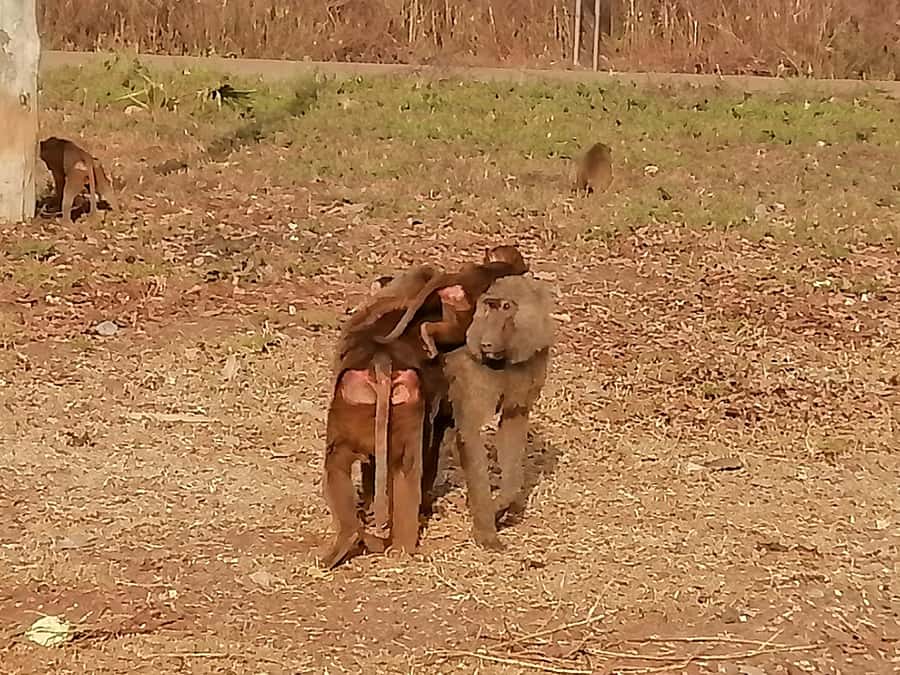
This is the heart of the trip: a guided safari hike in Mole National Park with both jeep and on-foot time. The guide leads you, and you follow their instructions as you move through the park.
Here’s the value of hiking in a reserve like this. From the ground, you can get a more natural view of animals behaving like animals. Elephants may appear along paths or clearings, and the guide’s job is to help you observe while staying safe. The trip also calls out likely sightings of baboons and antelopes, which often show up when the group is paying attention to movement rather than only scanning.
Because this is a hike, you should plan for the physical side, even if the pace is managed by the guide. Wear supportive shoes and avoid going barefoot, since bare feet are not allowed on this tour. You’ll also want a hat, because the simple sun overhead can turn a good day into an exhausting one.
A practical tip: keep your camera ready, but do not hold it up the entire time. Sometimes the best sighting happens when you stop fussing and let your eyes adjust.
Day 2 village life: learning how the region lives day to day
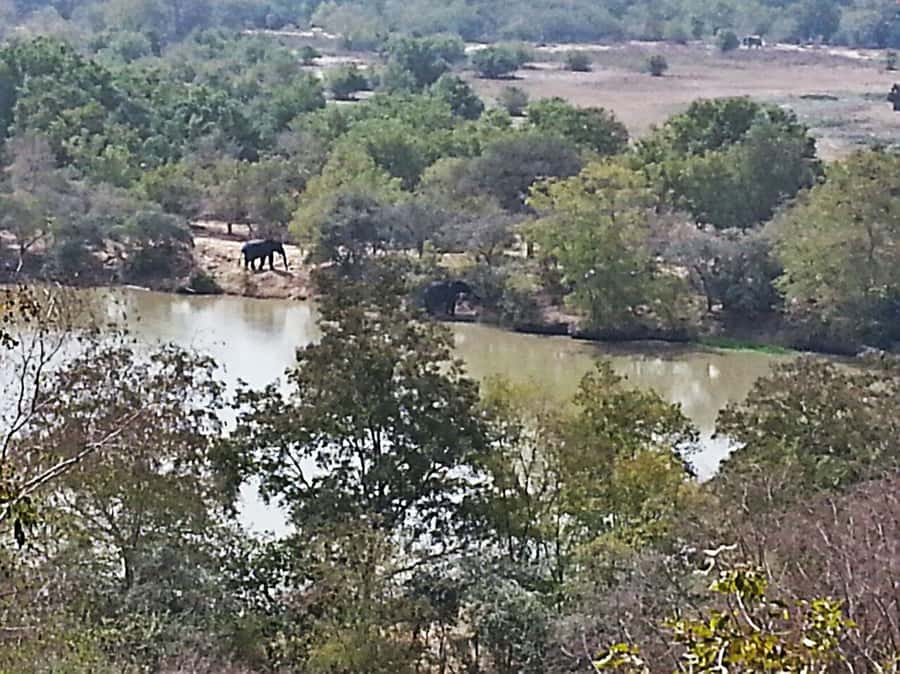
After the safari, the tour shifts gears into traditional Ghanaian village life. This part is not just about seeing buildings. It’s about learning the way locals live, what matters in daily routines, and how community knowledge works.
You’ll be visiting a traditional village with your guide, and you’ll have time to ask questions and watch how tasks are done. In these setups, the “authentic” part is often less about dramatic moments and more about how normal everything feels once you slow down.
One note on expectations: village visits can be emotionally different from wildlife. Wildlife is wild and unpredictable. Village life is human and personal, so speak respectfully, follow the guide’s lead, and keep conversations friendly and grounded.
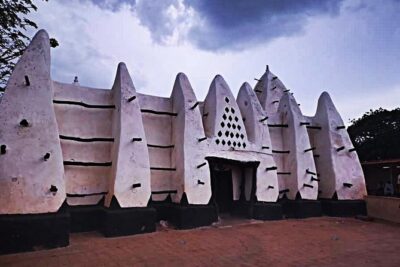
Larabanga Mosque: ancient, meaningful, and governed by rules
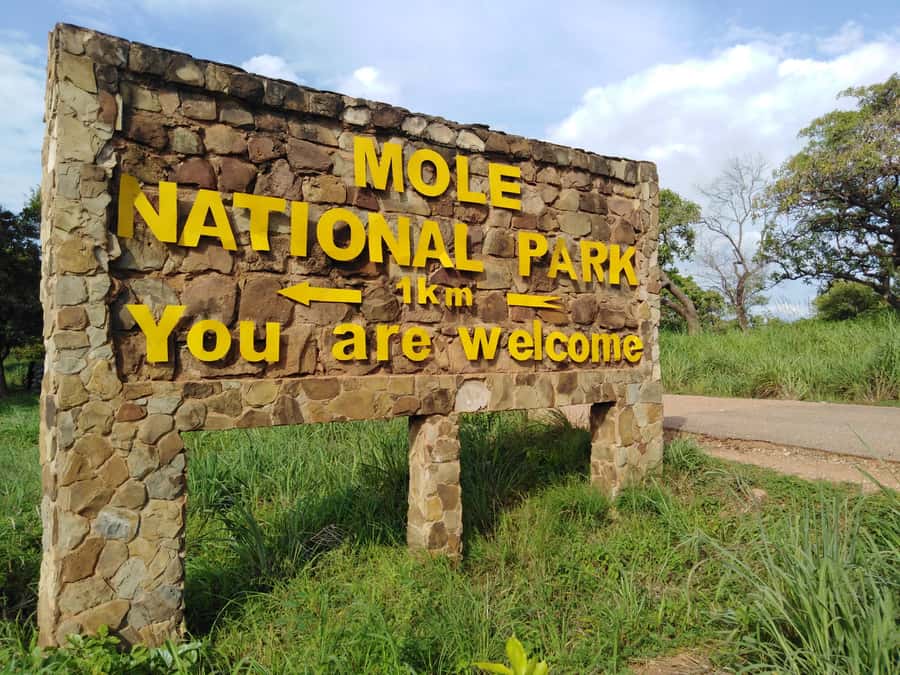
The tour includes a visit to the Larabanga Mosque and a chance to learn about its history. This stop gives you a deeper cultural lens on northern Ghana beyond the safari.
Important for planning your mindset: you may not be able to see everything inside. One past participant specifically regretted the fact that they were not permitted to see inside the mosque, so you should treat this as an exterior-focused cultural visit unless your guide tells you otherwise on the day.
That also means the right attitude is patience. Go for context, architecture, and the story you hear from your guide, not for a checklist of rooms to enter.
If you’re the type who needs full access to religious interiors to feel satisfied, consider that this particular stop may be limited by local rules during your visit.
Shea butter workshop: you’ll watch the process, then decide what to do
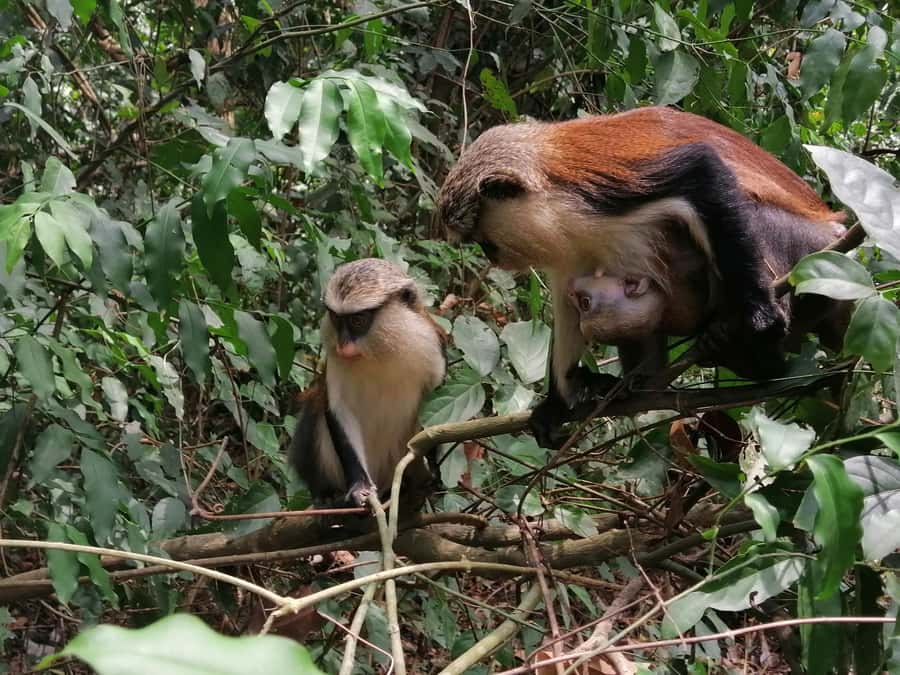
Next comes the shea butter processing demonstration, where you learn the process of making shea butter. This is one of those activities that feels practical, even if you’ve never made anything like it before. You’re not just hearing about shea. You’re seeing how it’s worked.
Here’s the part to be ready for: the shea workshop can include a shopping conversation. In one experience, the visitor felt they were asked about buying shea butter after saying no. So if you hate sales pressure, set your boundaries early and calmly, and keep your decisions simple.
Even if you do not buy, the demonstration itself can still be worthwhile because you get the “how” of something widely used in the region. If you do want to buy, think of it as supporting the people doing the work, not as a mandatory expense.
Price and value: what you are paying for at $1,100 per person
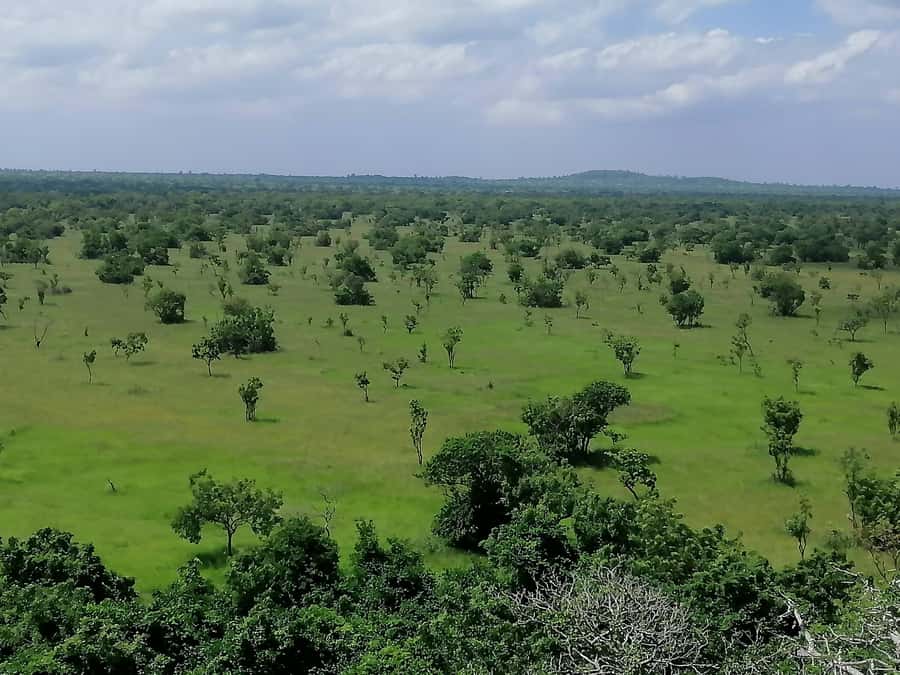
At $1,100 per person for 3 days, this trip is not a budget safari. But it is also not just a day outing. You are paying for a tight package that includes:
- Round-trip domestic flights from Accra to Tamale
- Pickup and drop-off at Tamale Airport
- Fully airconditioned ensuite accommodation
- A guided safari that includes both jeep and walk time
- Multiple guided cultural stops, including the mosque and shea workshop
- Private group service with an English-speaking guide
Where the value really shows is in the logistics. Coordinating flights, transfers, park guiding, and cultural visits on your own can quickly turn into more work and more uncertainty. This tour bundles the moving pieces into one plan, so you can spend your energy on the wildlife day and the cultural stops.
One financial catch: meals and drinks are not included. That means your total trip cost is higher than the headline price. I’d budget for everyday meals during the days you are there, especially because a safari day can make you hungrier than expected.
If you want convenience, a private group, and the north-side itinerary in a short timeframe, this price can make sense. If you want the cheapest way into Mole, you might look at alternatives that do not include flights or do not bundle cultural visits.
Getting around and what to pack for an elephant-focused trip
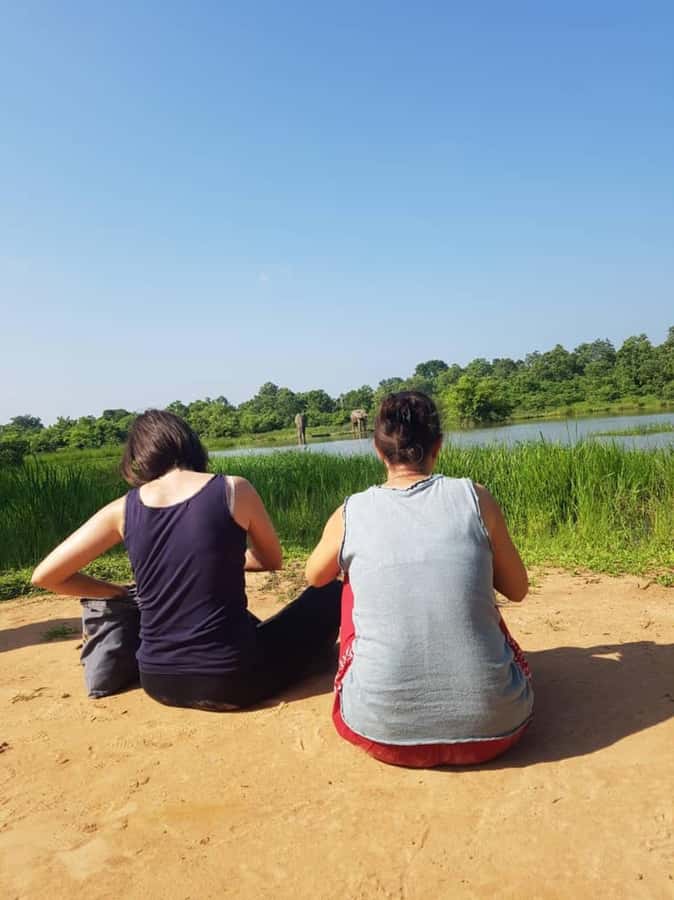
You’ll be driven from Tamale to the game reserve, with a note that it’s about a 2-hour drive. That means you’ll likely spend time in vehicles, then transition to a hike.
Pack the basics the tour asks for:
- Hat
- Camera
- Water
Also bring along the practical add-ons you control, like sunscreen and a light layer, since safari days can shift from sunny to cooler air later. Keep your water accessible so you do not have to dig for it mid-activity.
Tour rules to respect:
- No bare feet
- No smoking
- No baby strollers
These rules are small, but they matter for comfort and smooth guiding. Wear what you can walk in, and make sure your camera setup is quick to access.
Who this trip suits best, and who should reconsider
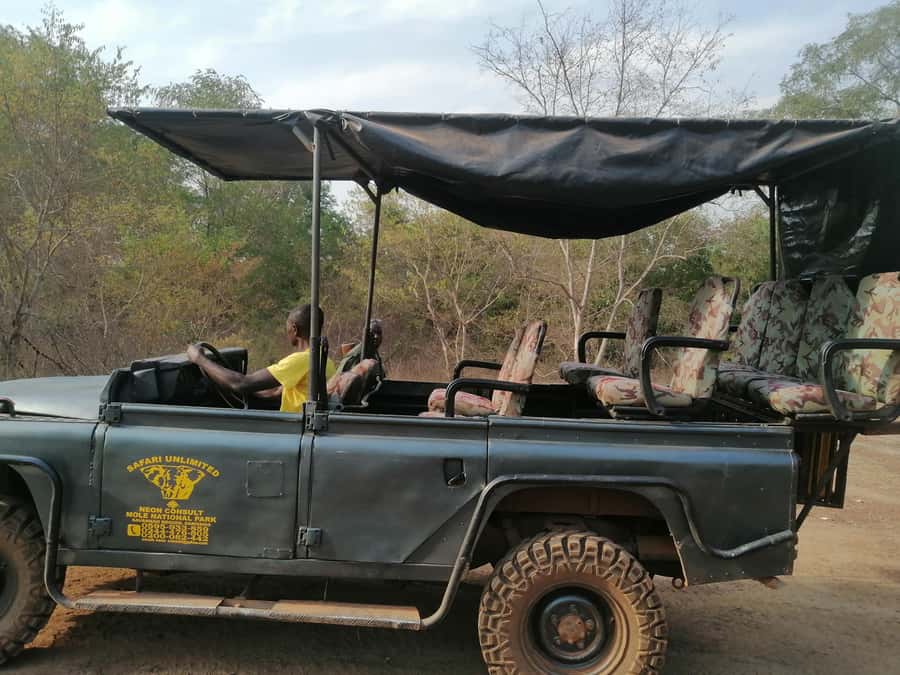
This tour fits best if you want a short, guided taste of the north that mixes wildlife and culture. The private group format is ideal if you prefer a schedule that stays consistent, with an English-speaking guide who can explain what you are seeing.
You’ll probably enjoy it most if you like the idea of seeing elephants from a different angle, where walking is part of the safari style. It’s also a good match if you care about learning how daily life works, through the village visit and the shea butter demonstration.
You might want to reconsider if you are very mobility-limited, since this is explicitly a guided hiking safari. And if you strongly prefer religious sites where you can freely enter and explore interiors, you should treat the Larabanga Mosque stop as potentially exterior-focused.
FAQ
How long is the Mole elephant safari package?
It runs for 3 days.
Does this include flights from Accra?
Yes. It includes round-trip domestic flights between Accra and Tamale.
Where do you get picked up and dropped off?
A staff member meets you at Tamale Airport, and the tour includes pick-up and drop-off there. The tour also notes that transfers are for travelers arriving at or departing from Tamale Airport.
Is there an English-speaking guide?
Yes. The live tour guide works in English.
Are meals included?
No. Meals and drinks are not included.
What should I bring for the trip?
The tour recommends a hat, camera, and water.
Should you book this Mole National Park elephant safari?
If you want a focused 3-day trip that gets you into Mole National Park for guided safari hiking, plus guided culture stops that go beyond a quick photo, I think this is a strong fit. The combination of elephants on foot, village life, the Larabanga Mosque visit, and the shea butter process gives you variety without losing the core safari focus.
I’d especially consider booking if you value logistics handled for you, including flights, transfers, and ensuite accommodation. Just go in knowing two things: the mosque visit may not include inside access, and the shea butter stop can include a purchase conversation. If that sounds manageable for you, this package is a practical way to get a meaningful slice of northern Ghana in a short time.
Mole National Park Safaris, compared.
 ★ 5.0Day Tour To MoleFrom $2558 reviews
 ★ 5.03 Days Sunrise Elephant Safari-Mole Park with -Round Trip FlightFrom $7806 reviews
 ★ 5.02 Days (1 night) Elephants Safari at Mole Park with Round – trip flightsFrom $8804 reviews
 ★ 5.03 Days Elephants Safari at Mole Park with Round – trip flightsFrom $9993 reviews
Browse the lists this tour appears in